

















































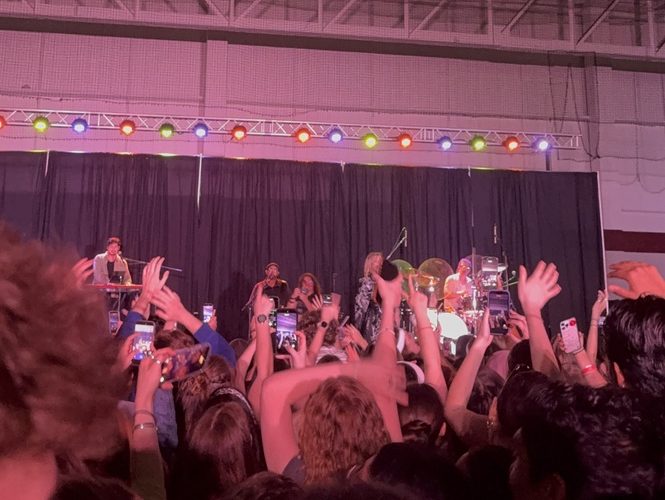




























Weekend one of Coachella once again proved why it remains one of the most talked-about cultural events of the year. With major names like Sabrina Carpenter and Justin Bieber taking center stage, the festival blended high-energy pop performances with deeper, more reflective moments that show how much both the artists and the festival itself have evolved.
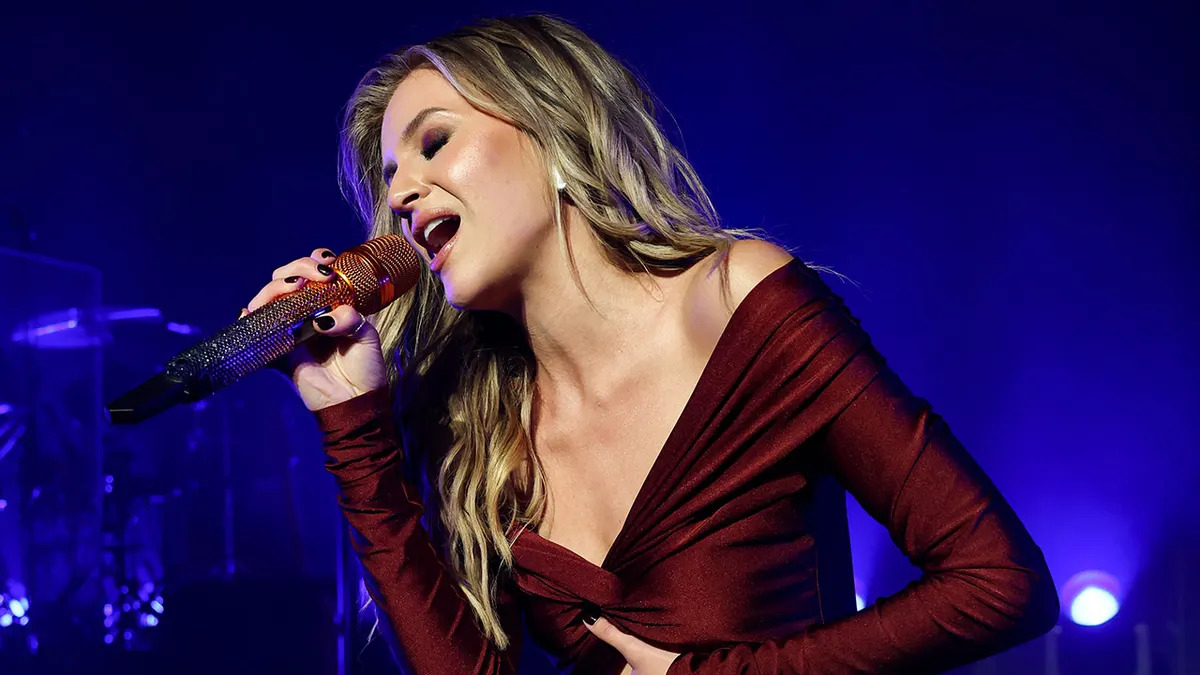
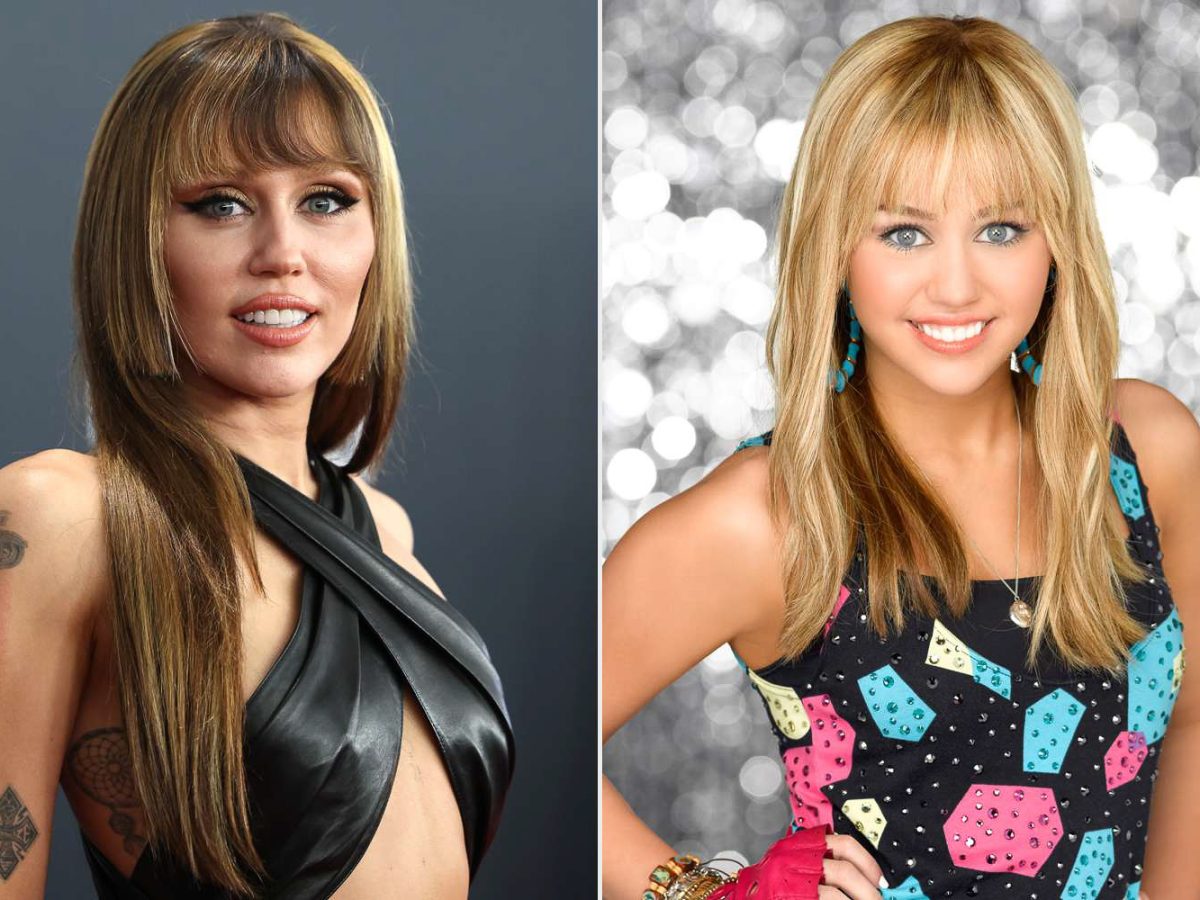
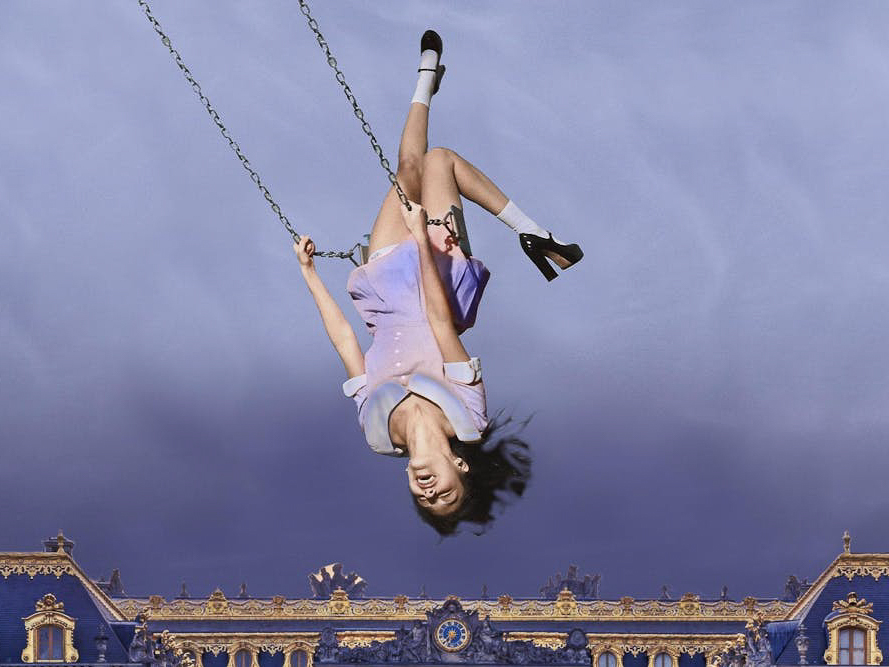
Carpenter’s set felt like a career-defining moment. She stepped onto the stage with confidence, fully owning her transition from a former Disney Channel actress into a global pop star. Her performance was polished and visually cohesive, with tight choreography, playful staging and a strong sense of identity. Songs from her recent albums resonated loudly with the crowd, especially among younger fans who have followed her rise through social media platforms like TikTok.
What made her performance culturally significant wasn’t just the music but what she represents. Carpenter embodies a new generation of artists who are shaped by the internet, where personality, relatability and online presence matter just as much as vocal talent. Her Coachella moment showed how the definition of a “headliner” has shifted to include artists who dominate digital culture as much as traditional music charts.
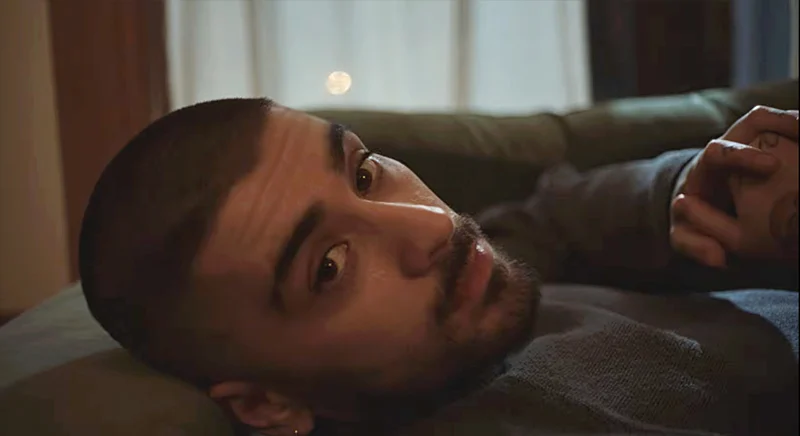
In contrast, Bieber’s appearance brought a completely different energy, one that felt quieter, more emotional and honestly, more personal. Rather than simply performing, Bieber’s set carried a sense of reflection. As he sang some of his older hits while watching the matching YouTube clips of his younger self, there was a noticeable shift in tone. It felt like he wasn’t just revisiting songs, but revisiting versions of himself. Having grown up in the public eye, from a teenage YouTube sensation to a global superstar, Bieber’s journey has been anything but simple.
On stage, that history seemed to catch up with him in a way that felt real and unfiltered. There was something almost vulnerable about watching him perform songs tied to his childhood fame while standing as an adult who has experienced both intense success and personal struggles.
That emotional contrast added depth to the weekend. While Coachella is often associated with spectacle, bright lights, huge crowds and viral moments, Bieber’s performance reminded people that music can still be deeply human. It wasn’t just about nostalgia; it was about growth, pressure and identity. In a space filled with perfectly curated performances, his set stood out because it didn’t feel overly manufactured. It felt like a moment of self-reflection happening in real time, which is rare for a festival of this scale.
Beyond the performances, Coachella Weekend One also highlighted major fashion and cultural trends. The traditional “boho” Coachella aesthetic, once defined by flower crowns, fringe and flowy fabrics, has clearly evolved. This year, outfits felt more intentional and curated, often resembling editorial photoshoots rather than spontaneous festival looks. Influencers and attendees leaned heavily into coordinated sets, metallic fabrics, bold cutouts and statement accessories. Many outfits seemed designed specifically for social media content, reflecting how much Coachella has become a visual event as much as a musical one.
This shift in fashion ties directly into the broader evolution of the festival. Since its founding in 1999, Coachella has transformed from a music-focused alternative festival into a global cultural phenomenon. It’s no longer just about who is performing, it’s about who is attending, what they’re wearing and how the event is shared online. Livestreams, Instagram posts and TikTok clips now extend the festival’s reach far beyond the desert, allowing millions of people to experience it virtually.
However, this evolution has also sparked criticism. Many argue that Coachella has shifted its focus away from music and toward influencers, brand deals and exclusive experiences. Sponsored events, VIP sections and private parties have created a layered environment where not everyone has the same experience. For some, the festival is about discovering music and enjoying live performances. For others, it’s about networking, content creation and visibility. This raises an important question: Has Coachella become more about being seen than actually hearing the music?
The answer is complicated. While the presence of influencers and brand partnerships is undeniable, moments like Bieber’s reflective performance show that the core of the festival, live music and emotional connection, still exists. At the same time, artists like Carpenter demonstrate how modern music culture itself has changed, blending performance with online identity and fan engagement.
Ultimately, Coachella’s lasting popularity comes from its ability to adapt. It reflects the current state of culture rather than resisting it. Whether that means embracing social media, highlighting rising digital stars or creating space for more personal, introspective performances, the festival continues to evolve with its audience. That balance between authenticity and commercialization is what keeps Coachella relevant, even as the festival’s meaning continues to shift.