













































































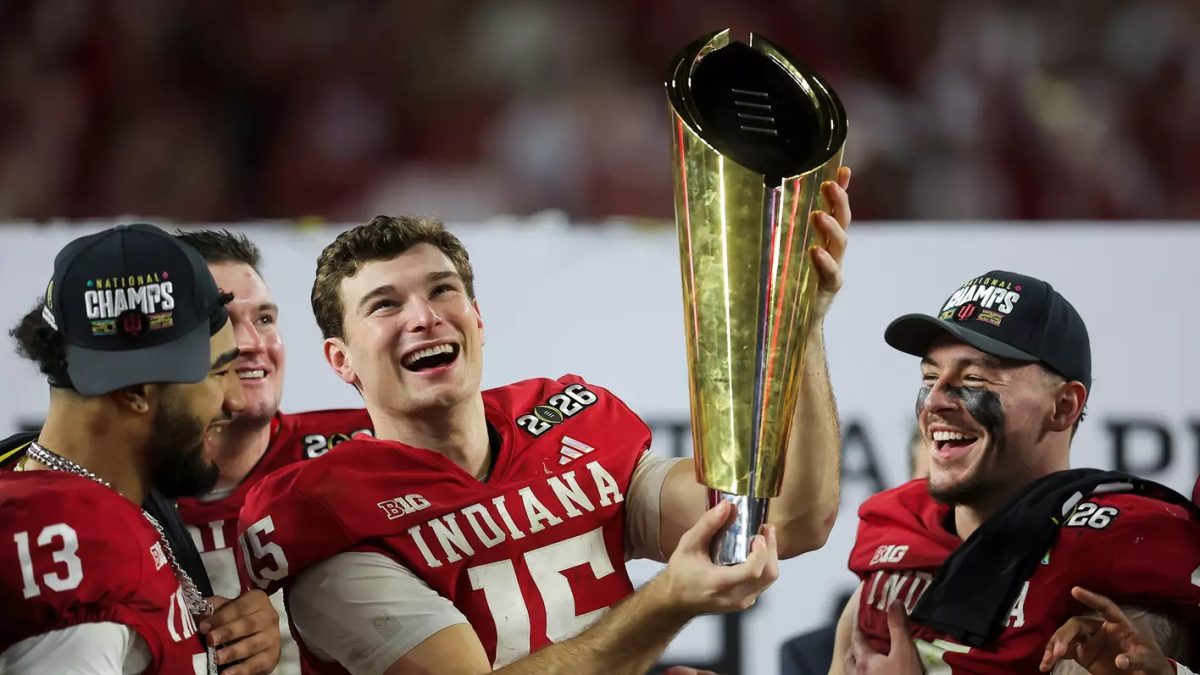




















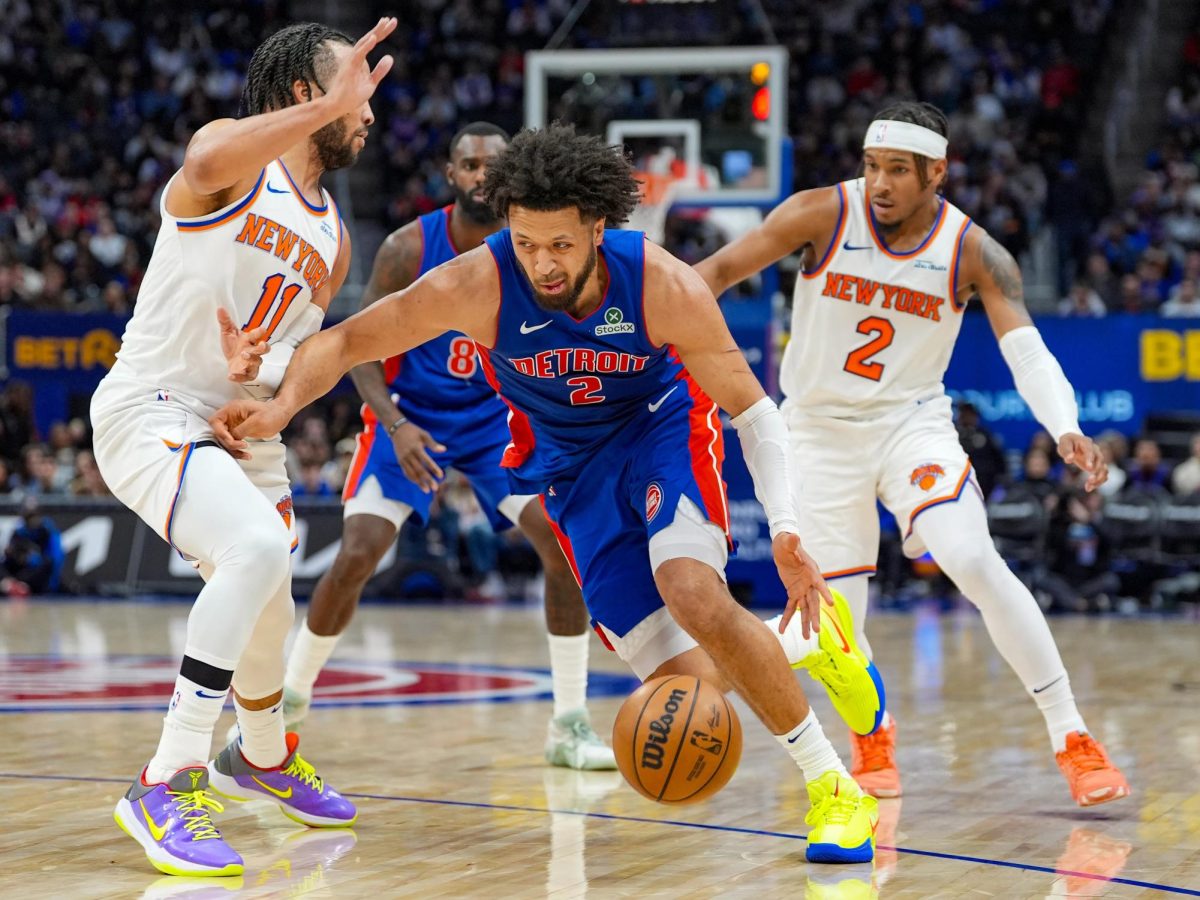

With the college basketball season having finally come to a close after the National Championship, transfer portal madness will now ensue. As soon as the final buzzer sounded in Indiana, players had the option to enter their names in the portal.
More than half of the 5,607 NCAA men’s college basketball players have put their names in the portal to try to play at a different university. The landscape of college basketball and college sports as a whole has completely changed as a result.
Name, Image and Likeness (NIL) was on its way no matter what happened. Schools were pulling in billions of dollars in revenue and TV rights money through the commercialization of college sports; it was only a matter of time until student-athletes saw some of that money.
But NIL has created a Wild West in recruiting that has never existed before this. One of the biggest examples of this is the large recruitment of European basketball players to the NCAA. There is now a large incentive for European players to leave their EuroLeague teams and jump ship to U.S. colleges.
This strategy proved successful this season as the University of Illinois’ roster featured five European-born basketball players. This was the first time in over 20 years that Illinois was able to make an appearance in the Final Four.
The increased recruitment of European players should be viewed as a positive; this is a way to grow the game even further. It helps expand the talent pool, create better competition and expand the excitement of college hoops.
But with the benefits that come from the new NIL age, there are always coaches who test the boundaries of recruiting and eligibility. One of these instances is the recruitment of G League players deciding to go back and play college ball after not getting drafted to the NBA.
Thierry Darlan started this trend after playing two years in the G League and then deciding to return to college at Santa Clara University. London Johnson, a player for the University of Louisville and Abdullah Ahmed of Brigham Young University were also players from the G League that decided to go back and get reps in college.
The controversy arises when coaches and players try to test these boundaries. That happened this season when 21-year-old James Nnaji — an NBA draft pick — decided that he wanted to go to school. He was able to go to college and play because he never actually signed an NBA or G League contract.
This ruling frustrated many prominent college coaches as they were afraid of the precedent it might set when it comes to recruiting.
“Let me give you this, real simple: the rules bes the rules. If you put your name in the draft — I don’t care if you’re from Russia — and you stay in the draft, you can’t play college basketball,” said University of Arkansas Head Coach John Calipari in an interview.
The worst fear of the coaches and the NCAA would go on to be confirmed by Charles Bediako, a former Alabama basketball player who signed a two-way contract with the San Antonio Spurs. He sued the NCAA for denying his request to come back to college and was able to get a temporary restraining order and rejoin the University of Alabama.
Bediako was only able to play five games with the University of Alabama before a judge blocked his request and his college career was over. But this case isn’t about Bediako or Alabama; it is about the precedent it might set for the future.
European players are allowed to sign professional contracts overseas and put their name in the draft and still remain college eligible. But when it comes to the U.S.-born players, there is a double standard.
This is how NCAA basketball becomes less about amateurs and high schoolers hoping to get a chance in the NBA and more about the politics of college sports. Now it is becoming a proxy professional league where teams with the most NIL funds can recruit the best, older talent with the most experience.
“There aren’t going to be any high school kids. Who other than dumb people like me are going to recruit high school kids?” said Calipari concerning recruitment. “I’m going to keep doing it. But why would anybody else if you can get NBA players, G League players, guys that are 28 years old, guys from Europe?”
If the NCAA wants to keep its integrity, new and consistent regulations must be enforced on the transfer portal. Whether it is age limits or more regulations on playing in college when coming from professional leagues in Europe and the United States, changes need to be made.
No one can debate the value of NIL and how important it is for college athletes to be paid, as well as the good that has come from it. But looking deeper, the age of NIL has been chaotic so far in its implementation when it comes to recruiting.
If the NCAA lays out a guide for coaches instead of relying on former precedent and lawsuits, the NIL age wouldn’t be filled with controversy, but rather excitement for how much college basketball has grown.

