















































































































































A Fordham University professor of psychology is recruiting undergraduate students to participate in a paid research study that aims to evaluate the feasibility of the online version of a mentoring program called “Connected Futures.” The ultimate goal of the study, according to Elizabeth Raposa, associate professor of psychology, is to determine whether the online or in-person course is more effective.
Connected Futures, which is based on MentorPRO and originally founded at the University of Massachusetts Boston, provides resources for college students curated to facilitate career- and education-oriented mentoring relationships.
According to its website, MentorPRO is an “all-in-one mentoring software platform designed to support program managers, mentors, and mentees.”
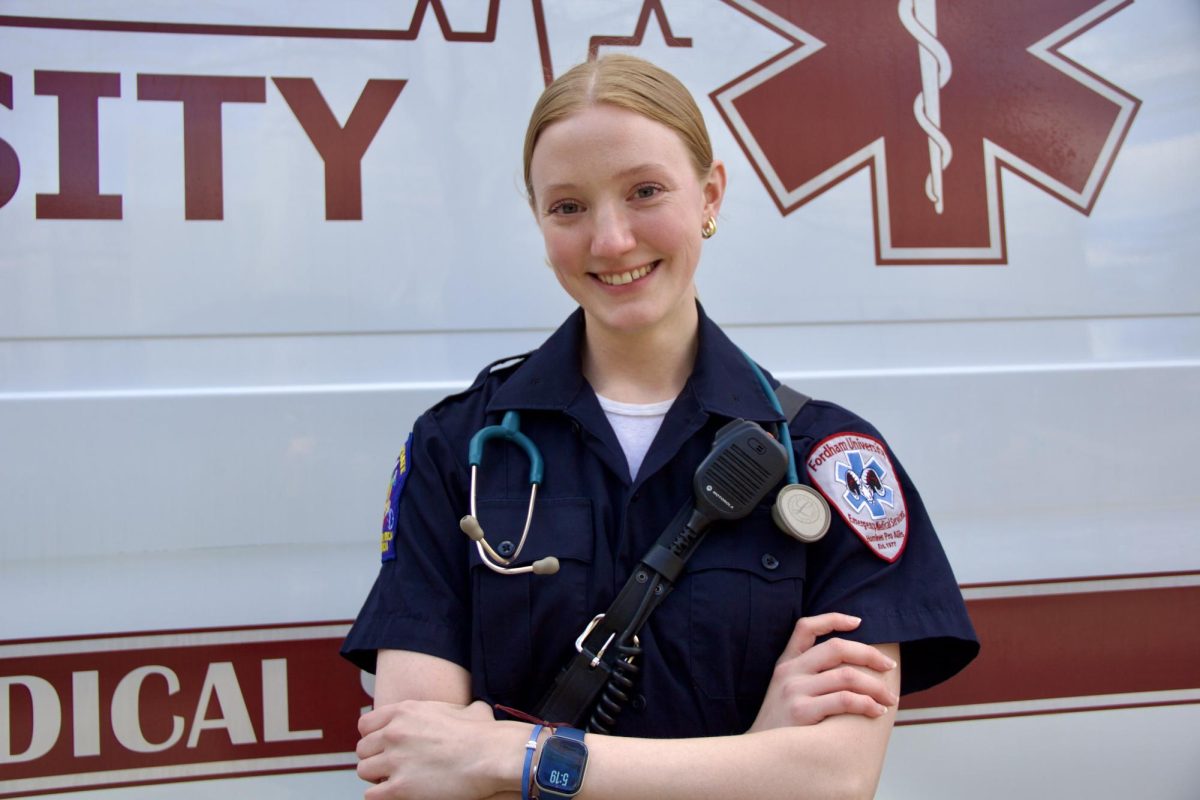
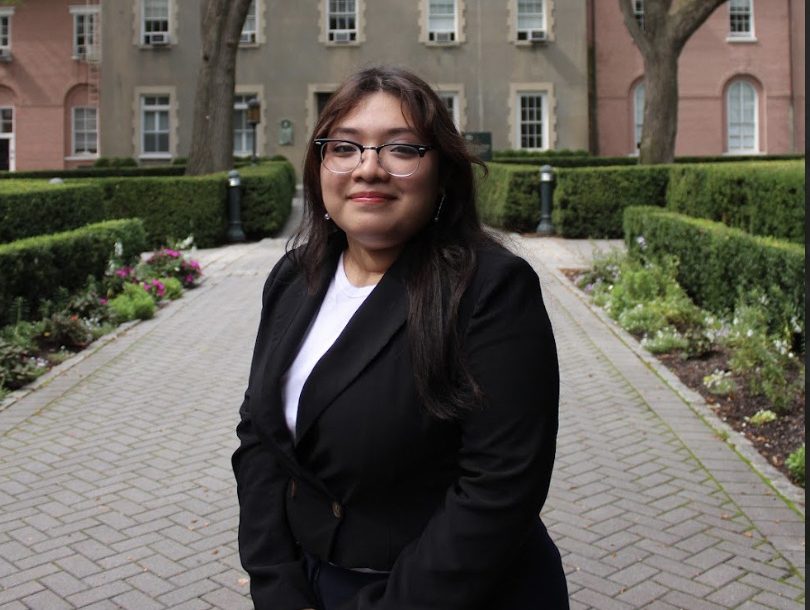
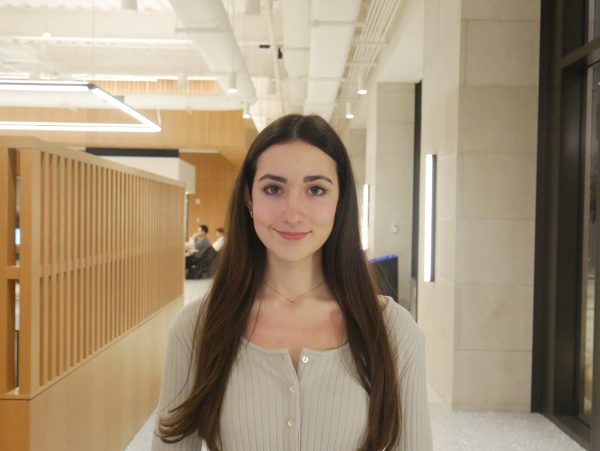
Sarah Dilchand, FCLC ’26, works as a research assistant for Raposa’s lab and worked on creating the online program based on MentorPRO for Fordham students.
“This research study is going to be a really good way for students to kind of just get a one-on-one reflection session with themselves,” said Dilchand.
Results from the study on MentorPRO were overall positive, according to an article from The Chronicle, and showed that students who passed the course were over three times as likely to graduate in four years. The article also explained the reason for these results.
“Skills-based social capital interventions can substantially boost student retention and graduation by teaching students how to recruit mentors and navigate institutional relationships,” the article said.
In June 2024, Raposa and MentorPRO launched an online course, titled “Self-paced Mentoring for Youth Mental Health,” according to the MentorPRO website. Raposa said the online format was created in order to make the course more accessible.
“The in-person intervention was really effective, but it was hard for people to access,” said Raposa. “So we put it on the internet … and so far the evidence is suggesting that it is [effective].”
The current study testing the online course took over a year to develop, according to Raposa. She said she received a grant last summer, which pushed the project forward.
All Fordham students are eligible to participate in the study, as long as they have internet access and fluency in English, Raposa said.
“You get free access to the course, and you also get reimbursed for your time answering questions about the course,” said Raposa, “So you take a couple brief surveys before and after the course and we either pay you $40 or you can get research credit for one of your psychology courses.”
Benefits for students are expected to consist of having different skills and beliefs regarding students seeking help related to their professional or academic goals, according to Raposa.
“So much of what the course is trying to do is help you think through what you really wanna get out of your academic career,” said Raposa. “Then [give] you the concrete skills you might need to network and develop social relationships that are critical to achieving those goals.”
Dilchand said programs like Connected Futures can be helpful for students navigating college life. “College can be a very overwhelming place,” she said.“The fact that we can build communities through these interventions where we’re kind of telling students, ‘hey, you’re not alone’ … that’s something we really try to emphasize with our study.”
“I guess this is very consistent with the idea of cura personalis, to reflect on what their own goals are for their time at Fordham and how they can best achieve those goals,” said Raposa.
Raposa explained that the program is run by both undergraduate and graduate students who are under her supervision.
“We actually even have undergraduate students who have provided testimonials here at Fordham… that are included in the course, so some students may see familiar faces when they take it,” said Raposa.

Savanna Breeland • Feb 11, 2026 at 2:06 pm
Hello, I’m currently majoring in psychology and would love to participate in this research, I’m an ungraduated student who’s taking both in-person classes and online. I would love this opportunity
Thank you