






















































































Despite walking through the dense 18-inch snow left from the recent snowfall, the silence of the Louis Calder Center is warm and welcoming.
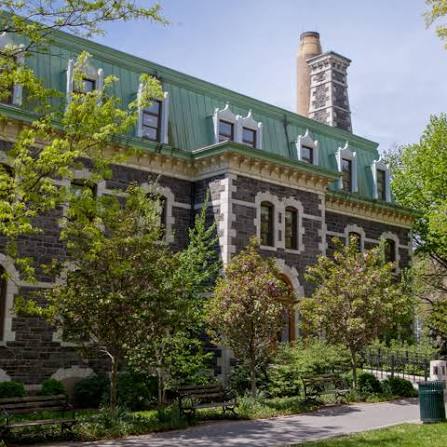
Roughly 30 miles north of the Rose Hill campus and a 45-minute Ram Van journey away from it, the Calder Center serves as Fordham University’s own biological field station. It is filled with laboratories, researchers and acres of forest, all fulfilling the purpose of environmental work.
The Calder Center is a 113-acre property established in 1967, and was donated to Fordham by philanthropist Louis Calder. The property includes forests, the wetlands and water systems, giving researchers the environment to study ticks, trees and other organisms living nearby.
The center is separated from Fordham’s two main campuses and, for the last three decades, has generally been run by four staff members, according to Thomas J. Daniels, director of the Calder Center. Originally focused on faculty research, the center now supports undergraduate and graduate students in interdisciplinary environmental studies.
“We take students up here, we expose them to the outdoors … we give them hands-on experience through work,” said Daniels. “Our mission really is to make new scientists.”
Daniels said he has spent over four decades working at the center, focusing on tick research and later, mosquito research.
“Focusing on the population biology, their seasonal activity patterns, how numbers change from one to the next when they reproduce the things they feed on, the pathogens they carry … how to control them,” said Daniels.
Daniels described the work he does as essentially a public health service. Tick research is a major focus of the center, specifically in managing invasive species in the area, collecting data and sampling insect and plant species, according to Daniels.
“We have all this information on ticks, and we’ve been collecting it for 40 years,” said Daniels. “And we use that information to help people understand [that], tick numbers aren’t so bad this time of year, they’re getting worse this time of year, and they’re really bad this time of year.”
One of the center’s other pressing concerns is invasive plant species, according to conservation land manager Phillippe Yahia.
“It does drive home the severity of invasive plants and the damages they can do,” he said.
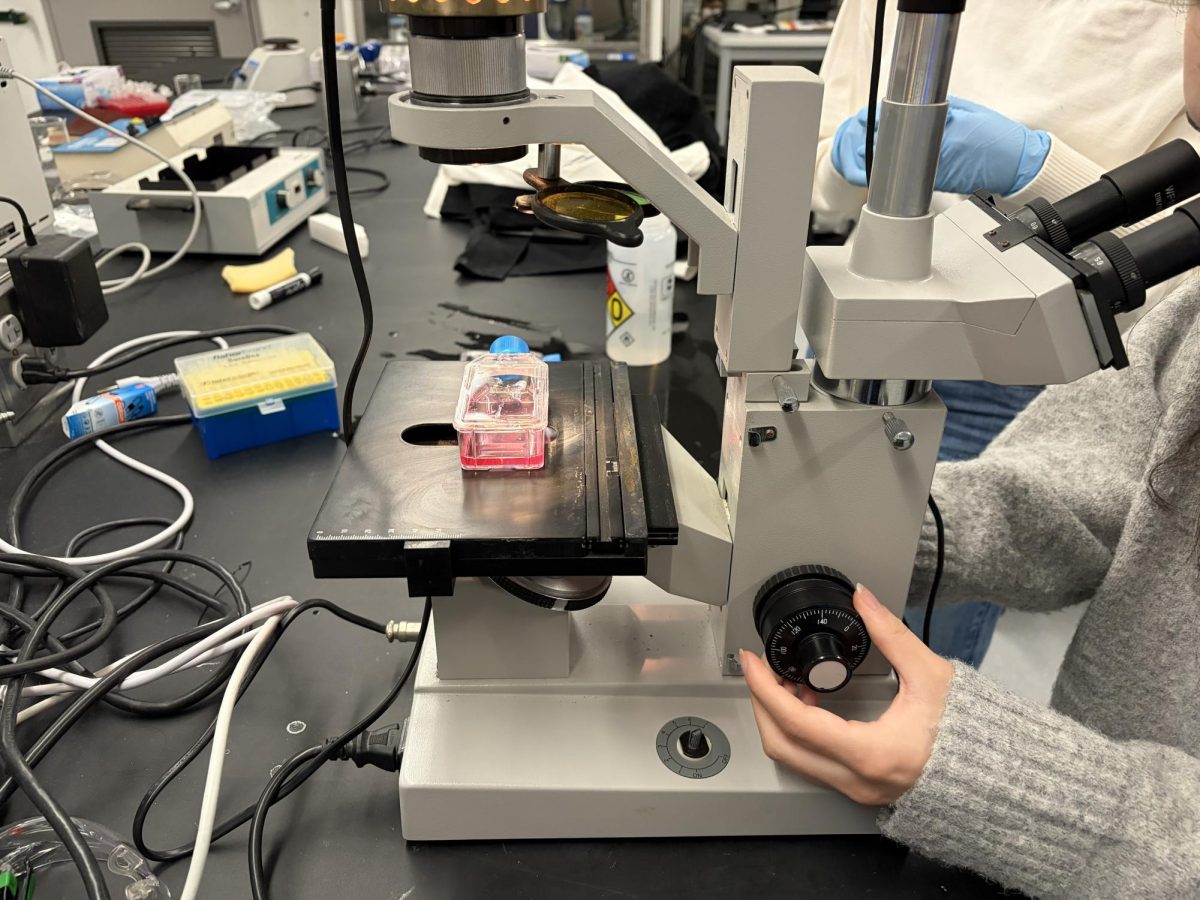
The current undergraduate student intern, James Laske, FCRH ’26, is working on a long-term forest health survey. He said the work he is doing at the center aligns with his interest in environmental education.
“We have student interns coming in and helping, either doing their own projects, independent projects, or assisting [with] whatever projects that we have set up,” Chomri Kakhayi, conservation and land management specialist at the center, said.
Another challenge the center is facing is potential research opportunities being hindered by budget constraints, according to Daniels.
“[The budget] continues to get cut because of the financial crisis that the university’s in,” said Daniels. “Additional money comes in from faculty who receive grants … The money isn’t always adequate to do the things that I think would help everybody out, but those are things that are a little bit beyond our ability to manage.”
Despite efforts to increase student research opportunities, the Ram Van schedules, the number of students allowed at the center at a time and other requirements put in place limit the number of students with access to the campus.
“If a student shows up unannounced and then they choose to wander into the forest there is bad cell service and we can’t get to them,” said Chomri.
Researchers and student workers have access to the center’s 12-resident cabin complex, where they can stay overnight while conducting studies. However, it is usually difficult for students to go to the center without planning months in advance, according to Laske.
“If I could change something I would probably change the amount of people that are allowed to come up here,” said Laske. “Usually, it is very hard to get anyone up here without explicit written permission.”
If students are interested in visiting the center or conducting research, they should contact [email protected].