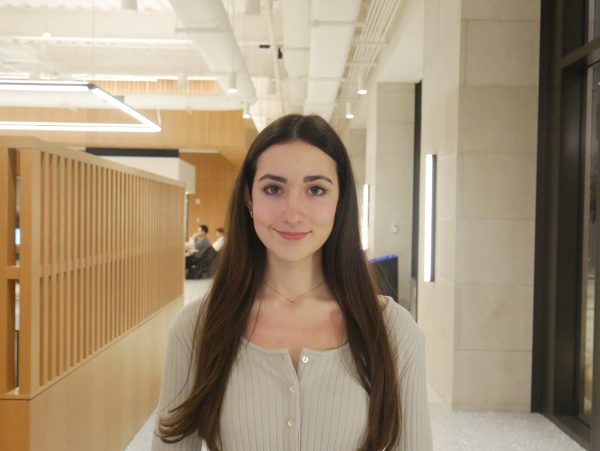



































































































































































One Fordham University biochemistry professor Ipsita Banerjee, Ph.D., is conducting remedy research for a treatment for an invasive and aggressive form of breast cancer.
Banerjee is working on what she described as bio-nanotechnology, specifically developing novel biomaterials for targeted therapeutics, the tissue engineering for organ regeneration and also neurodegenerative diseases. She has been working on cancer related research at Fordham for 15 years. For the past three years, she has focused on triple-negative breast cancer. Unlike types of estrogen-positive breast cancer or other types of cancer, which she said have more available therapeutics, triple-negative breast cancer doesn’t work with certain kinds of treatment.
“Triple-negative breast cancer has a very low survival rate; it normally doesn’t respond to hormone therapy,” Banerjee said.
While there are drugs being developed for triple-negative breast cancer, there are side effects that come with it, according to Banerjee.
“And that essentially is as a result of the fact that your drug is not only attacking the cancer cells,” Banerjee said. “It’s also attacking the normal cells.”
For Banerjee’s work, the goal is to make sure that the therapeutics can target specific cancer cell lines but not bind to normal cells.
“That way you have lesser side effects and it’s also more targeted,” Banerjee said. “The dosage required is gonna be less compared to what you would get for an IV, which would be essentially like systemic, which means it goes to the entire body, all cells. So it’s looking at really targeting very specific cancer cells by designing, you know, peptide therapeutics.”
While this particular research is not yet published, Banerjee said it is looking promising. She said she has published work with other types of cancer. Depending on the material that Banerjee and the students in her lab are using, there are differences in activity with the cell lines, and that depending on the construct, it targets different receptors.
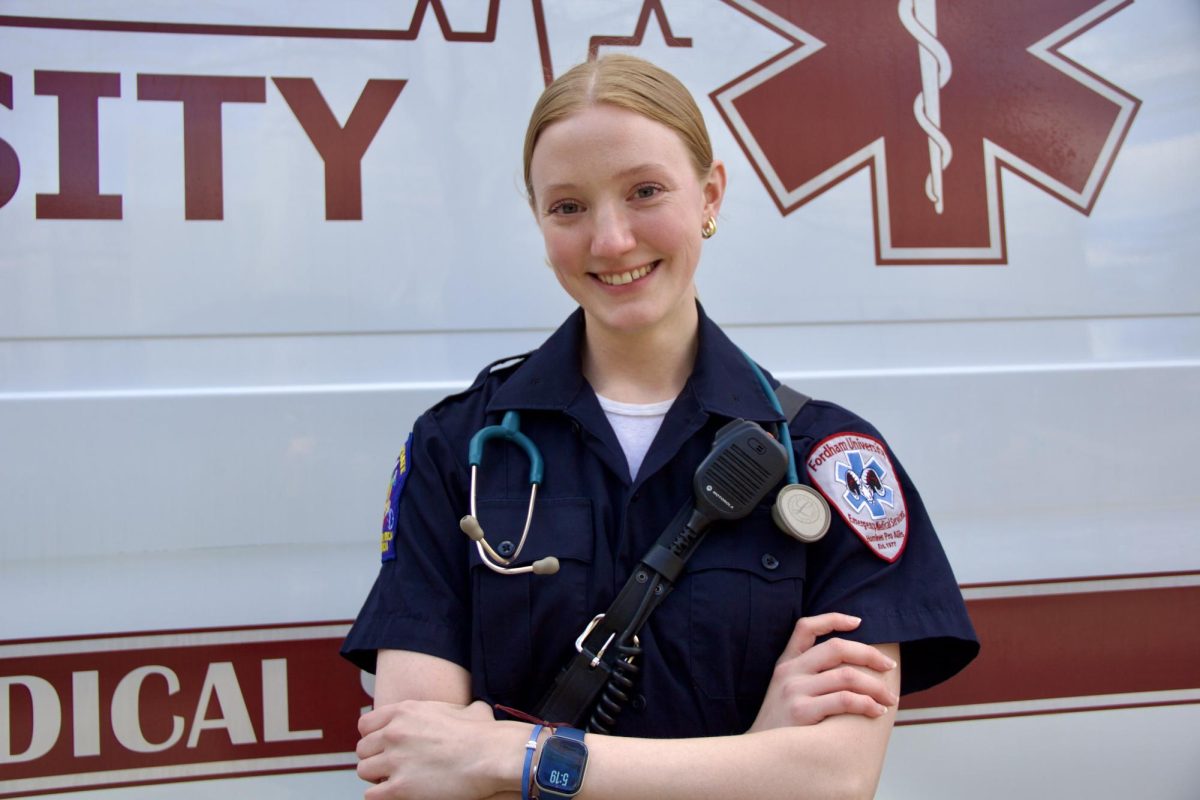
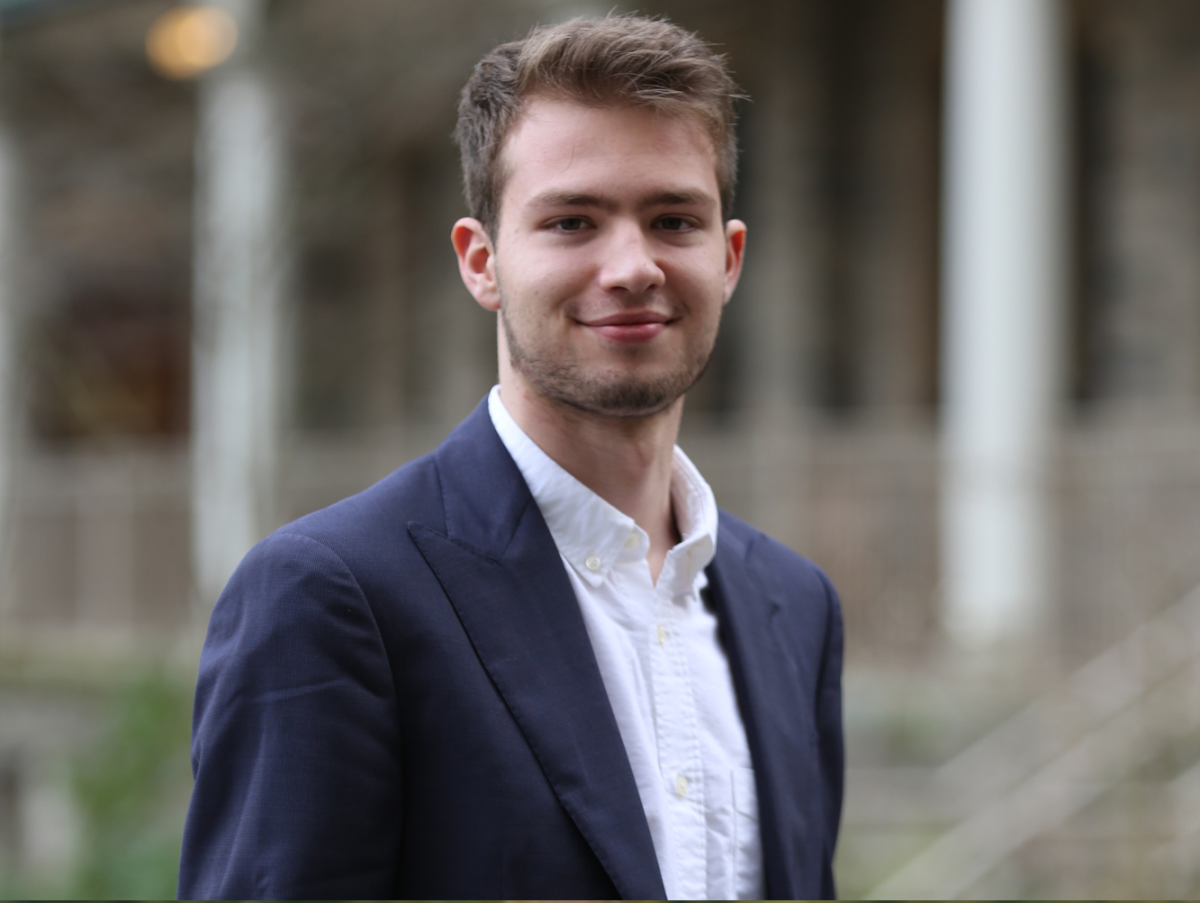
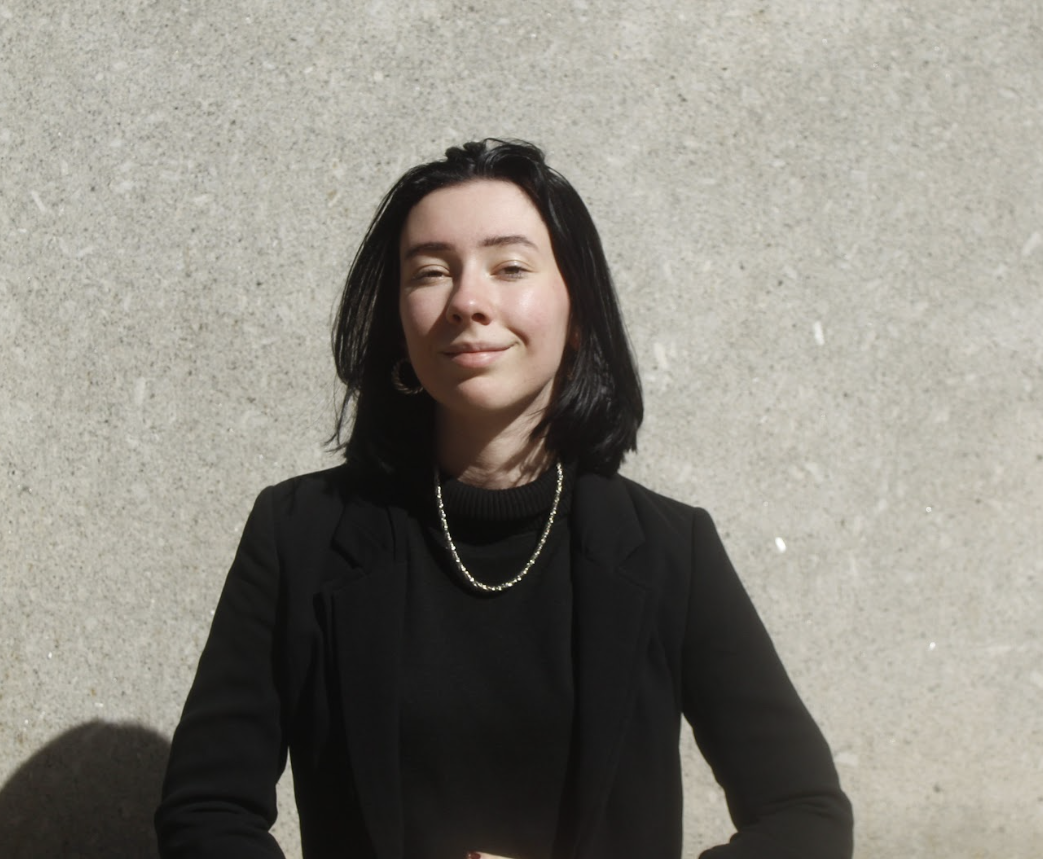
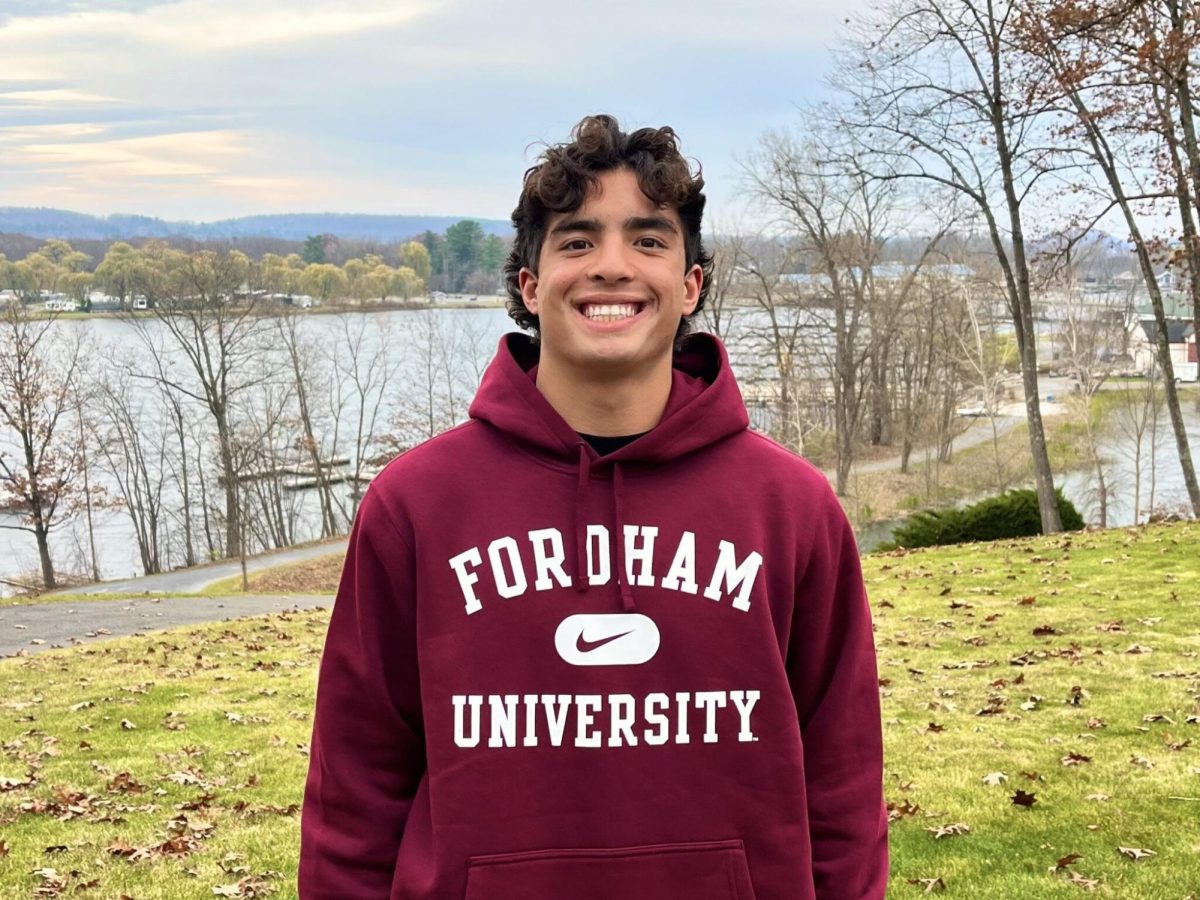
The funding for Banerjee’s research comes from student and also department funding. Gabriella Cicero, FCRH ’27, Liana Cutter, FCRH ’27 and Julia Fiorenza, FCRH ’26, are all working in her lab on targeted therapeutics and currently receiving spring research grants.
“I love this research and it’s my passion, but I also wanna make sure that the students, once they graduate, end up in really top places and have good careers,” Banerjee said.
She noted that she holds high expectations for all the students who work in her lab.
“They know that if they’re gonna be in my lab, they have to work hard,” Banerjee said. “They have to put in a lot of time, and not all students are ready for that.”
Banerjee’s guiding philosophy is that if her students meet her halfway, she will work with them to help them achieve success.
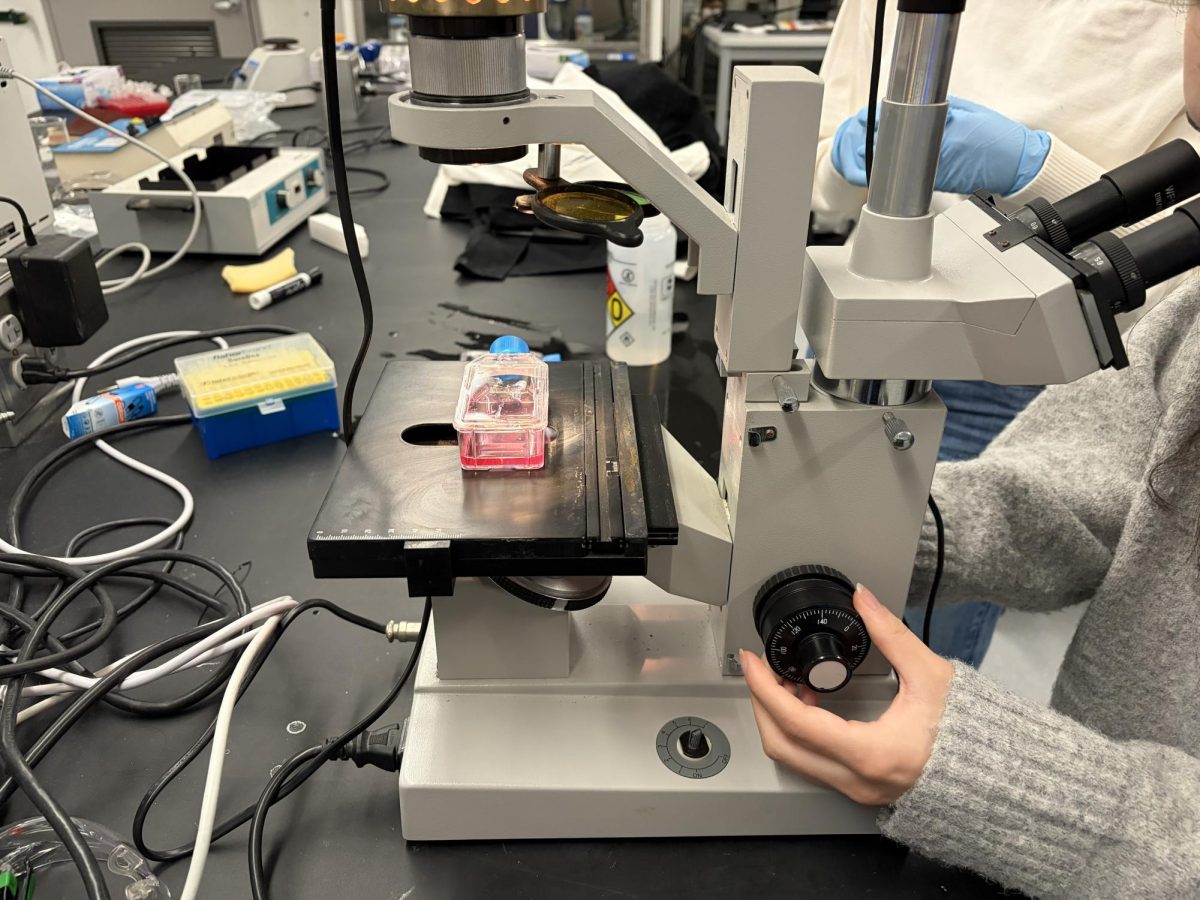
Cutter has been working on this project since her first year at Fordham. She described the work as equivalent to taking care of a newborn child.
“You need to come in and make sure they’re still alive, make sure they don’t get sick, make sure they have enough food,” Cutter said.
Another important aspect of the research is understanding that cancer cells don’t exist in isolation, according to Cutter.
“[The cells] exist in a more complex environment,” Cutter said. “When you do research, you have to take into account that your cells in a real human person aren’t just cancer cells by themselves, so if your peptide can kill cancer cells, great, but we also need to make sure that it’s not killing everything else around it.”
One difficult aspect of research in general is the inherent failure that comes with it, according to Fiorenza.
“A lot of research is actually just getting unexpected results and trying to figure out why you got them and maybe repeating an experiment that didn’t necessarily go your way,” Fiorenza said.
Cicero also commented on the opportunity given to Banerjee’s students.
“I think it’s really cool that at least we do some of that research here at Fordham,” Cicero continued. “Especially because it’s a small school that we can work with that and address it.”
Cicero, Cutter and Fiorenza said they want to continue with science research after they graduate and noted that the research they are doing here directly correlates with their future career aspirations. Cutter said her favorite part about working with Banerjee is how she challenges her.
“We’re not told, ‘hey, go do this, and this is how you do it,’” Cutter said. “She teaches us how to do it, but then expects us to be able to think independently and to think as scientists and figure it out on our own.”
Fiorenza said Banerjee’s passion for scientific research is infectious, igniting her own sense of enthusiasm for it.
“When I first met her, you could really tell when she was talking about it,” Fiorenza said. “She loved it so much and she was so dedicated to it and this was her life.”
Banerjee had seconded this statement.
“The research is a 24/7 job … I mean, that’s just my passion. This, if I had a choice, that’s all I would do.”
The research is still in its beginning phase, according to Cutter. There are still animal trials that need to be conducted and revisions to be made, meaning it could take 10 to 20 years for this to become a medication that people can utilize as an effective cancer treatment mechanism.
For now, Cutter noted that she would like to see their lab and the chemistry department at Fordham get more recognition from the Fordham community.
“I think it’s really under-recognized because there’s so much awesome stuff that’s going on at Fordham right now, in all the science departments,” said Cicero.