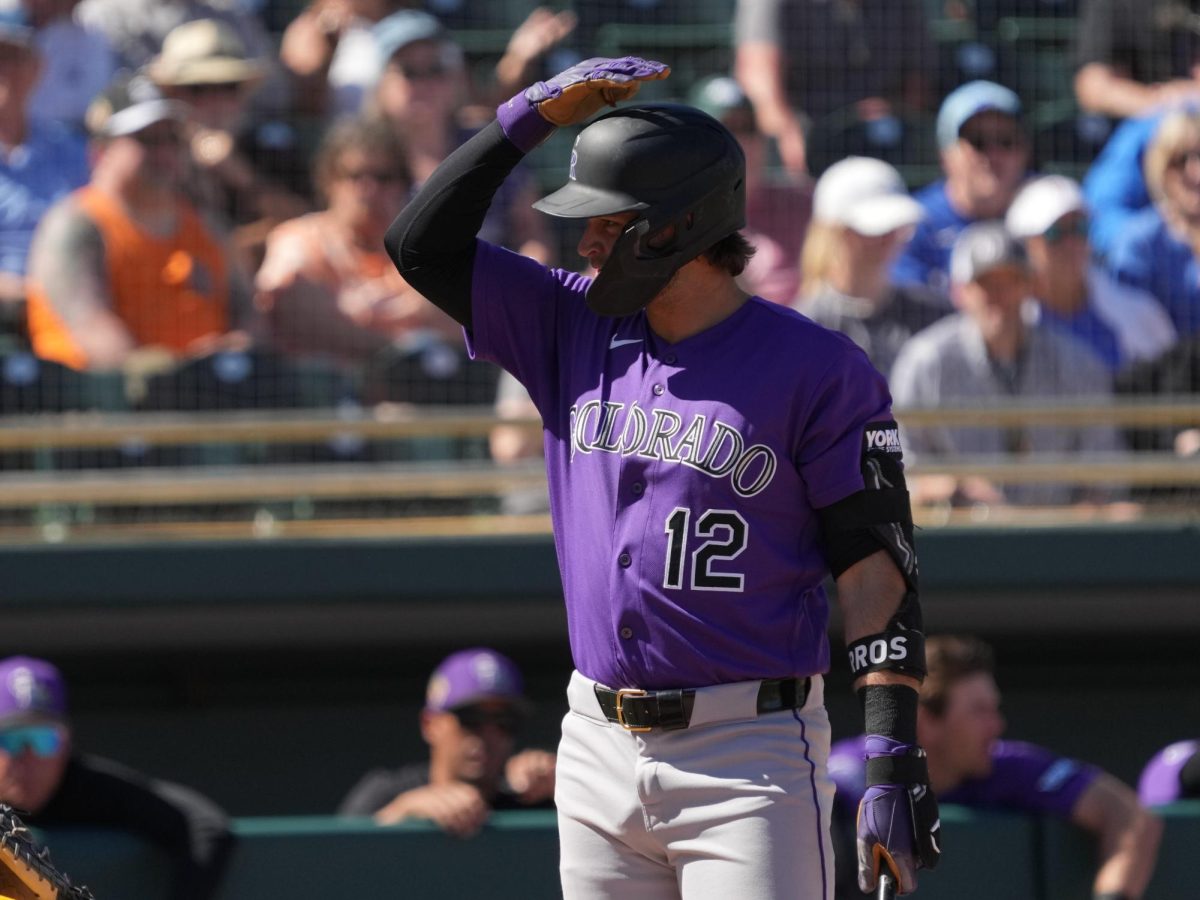








































































































































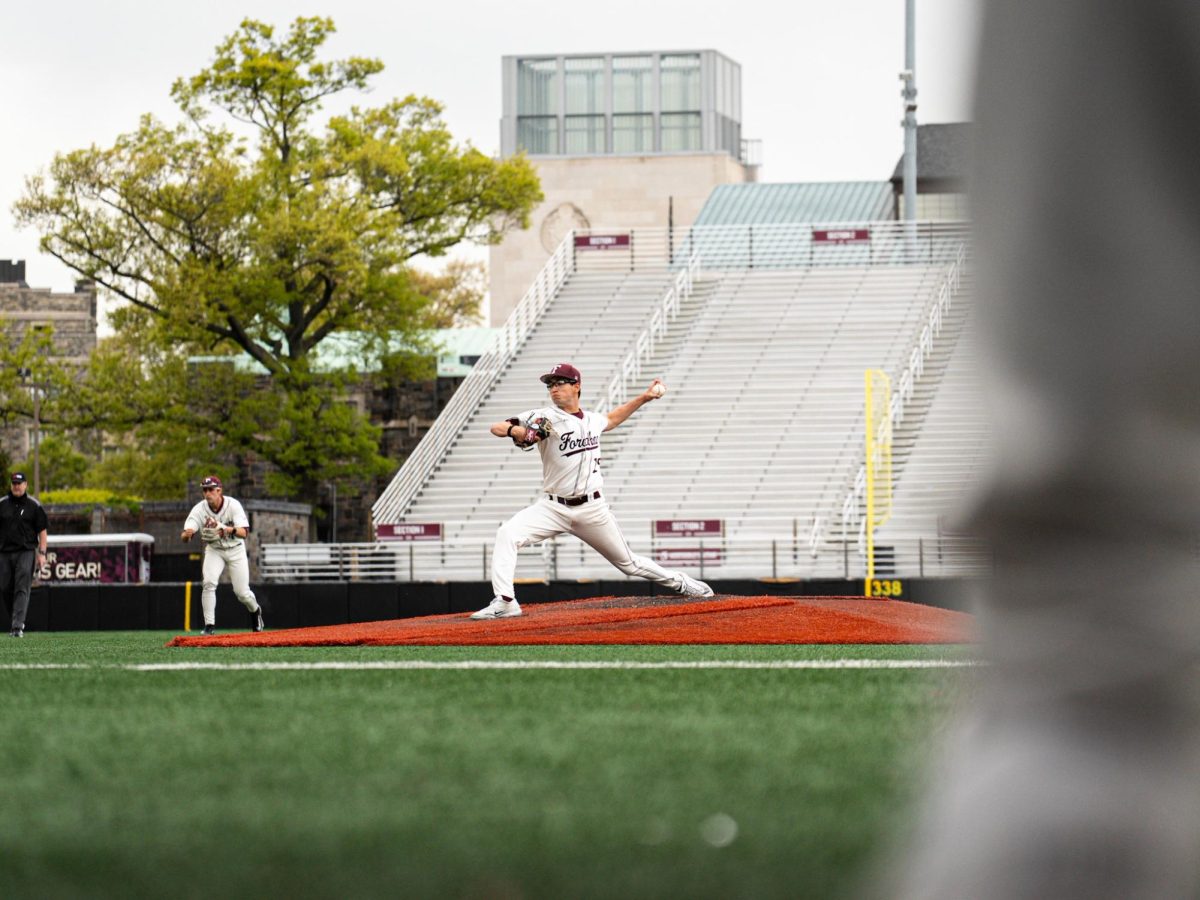
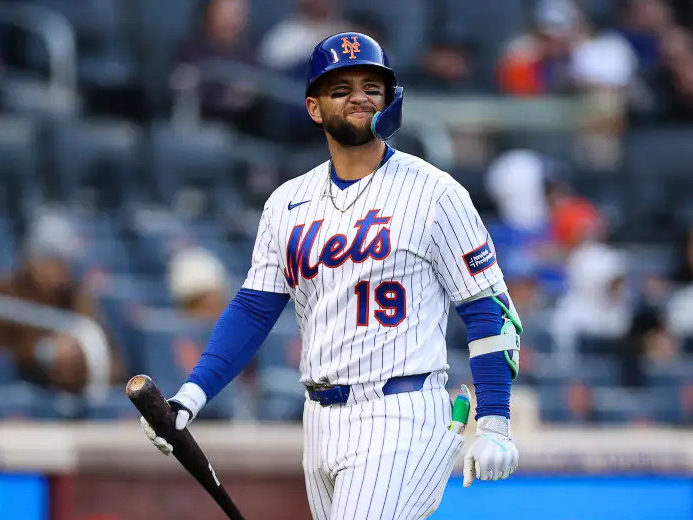


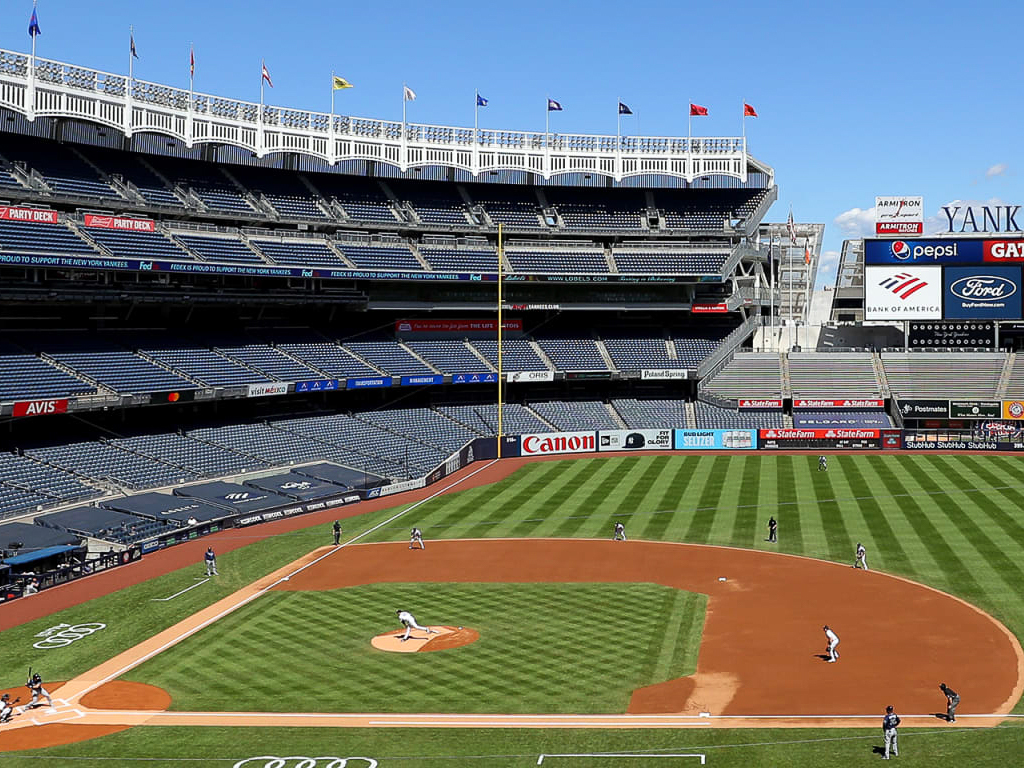
































With the MLB season officially underway, baseball fans once again partake in the decades-old traditions of repeatedly overreacting and watching day-ruining comebacks as their favorite baseball team loses just one game, or 0.6% of the season. However, if you can look beyond your favorite player wearing their first golden sombrero of the season and the bullpen continuously blowing three-run leads after the ace leaves the bump, you will see another issue arise that isn’t fan-based, but player-based: Is the season too long?
There are two ways to tackle this question: a fan’s perspective and a player’s perspective. Starting with the fans, if hardcore couch warriors were asked if they wanted to watch fewer baseball games a season, I’m sure there would be a riot outside of every ballpark, depending on the decrease, of course. On the other hand, newer, less experienced baseball fans likely wouldn’t object to a decrease, and they may actually like it. Fewer games means each game matters more, pushing the best players to not only play more, but to play with more energy and effort. This doesn’t mean less action, but better action: a classic quality-over-quantity situation.
From the player’s perspective, the same split rises. Every player loves the game, so most players would likely hate to see their favorite pastime get limited to a shorter season. However, with the increased level of injuries across all professional sports, the players who believe the battle to get through six or seven grueling months of baseball is the main cause of those injuries may push to shorten the season by quite a few games.
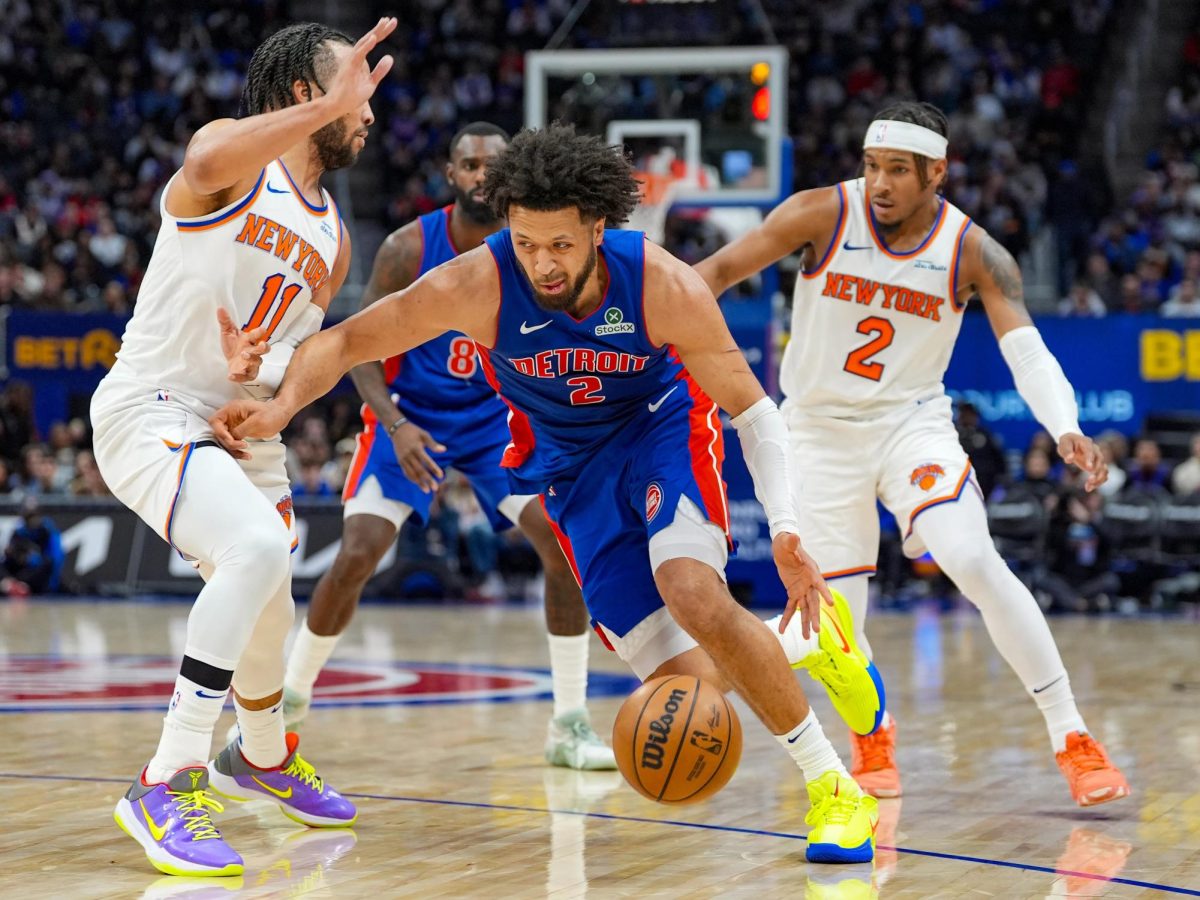
Let’s look at the NBA for help. While the association hasn’t shortened the season as many have advocated for, they have begun to shorten the number of back-to-backs that teams play, which are times where teams may have to travel from arena to arena and play games on back-to-back days in different states.
While MLB doesn’t really have this option, with their season spanning from the end of March all the way through October, they could try to limit the amount of traveling coast-to-coast to limit player fatigue that way. Giving East Coast teams longer West Coast road trips (and vice versa) for fewer total trips cross-country would prevent players from constant trips. This wouldn’t shorten the season, giving die-hard fans their 162 games and keeping the cash coming in for the owners (a secret third perspective, how thrilling) while also preventing players from getting tired. Starting the season slightly earlier could also give teams the option for more off days. However, with the season having begun on March 25 this year, that option seems limited already. And don’t even think about November baseball, Derek Jeter fans.
One thing that I have purposefully overlooked so far is the playoffs. Many fans and players alike focus on the slog that is a 162-game regular season, but as that has stayed the same since the 1960s, the playoffs have not. The wild card was introduced during the 1995 season, allowing for more teams to make the playoffs in a one-game, winner-take-all matchup. This was extended to two wild card teams in 2012, and then extended once more to make the games a set of three. Extending the division series to seven games, similar to the championship series and the World Series, is also being discussed.
While I do believe that increasing the wild cards to three games makes sense, as the nature of baseball is dissimilar to football in that baseball teams are best designed to play more games and longer series, extending the division series does not have any increased benefit. Not only would it make teams play more games, but the increased adrenaline and intensity of the playoffs already push players to their physical and mental limits, and this change would turn that difficulty up past 11. I’m all for more playoff baseball (easily the best playoffs of the Big Four), but the risk of forcing the ace of pitching staffs to throw on short rest in three straight series, if needed, does not sound worth it.
Technological development, sports science and overall more healthy and active players have driven the enjoyment and success of the product that is baseball up miles from just a few decades ago. And that detail is the most important to remember when tinkering with the MLB season; ultimately, baseball is a business, and the thing we see is the product. If the product is good enough for fans to watch it 162 times, and even more come playoffs, the owners of these incredible baseball teams will continue to produce all 162 times.
While the argument surrounding the length of the season being too long will likely never end, no changes will actually be made until the opinion (and money) of the fans sways too far in the wrong direction for ownership. Either that, or the players force a lockout, which is likely to come anyway with the discussion of a salary floor and/or cap, but that’s an entirely different bucket of worms that I frankly don’t have the time for. For now, you’ll catch me at Yankee Stadium whenever I can force another person to join me in the bleachers to get someone else’s drink spilled on me in the fifth inning. And to those still thinking about my Jeter comment, check who wrote the article you’re reading.