



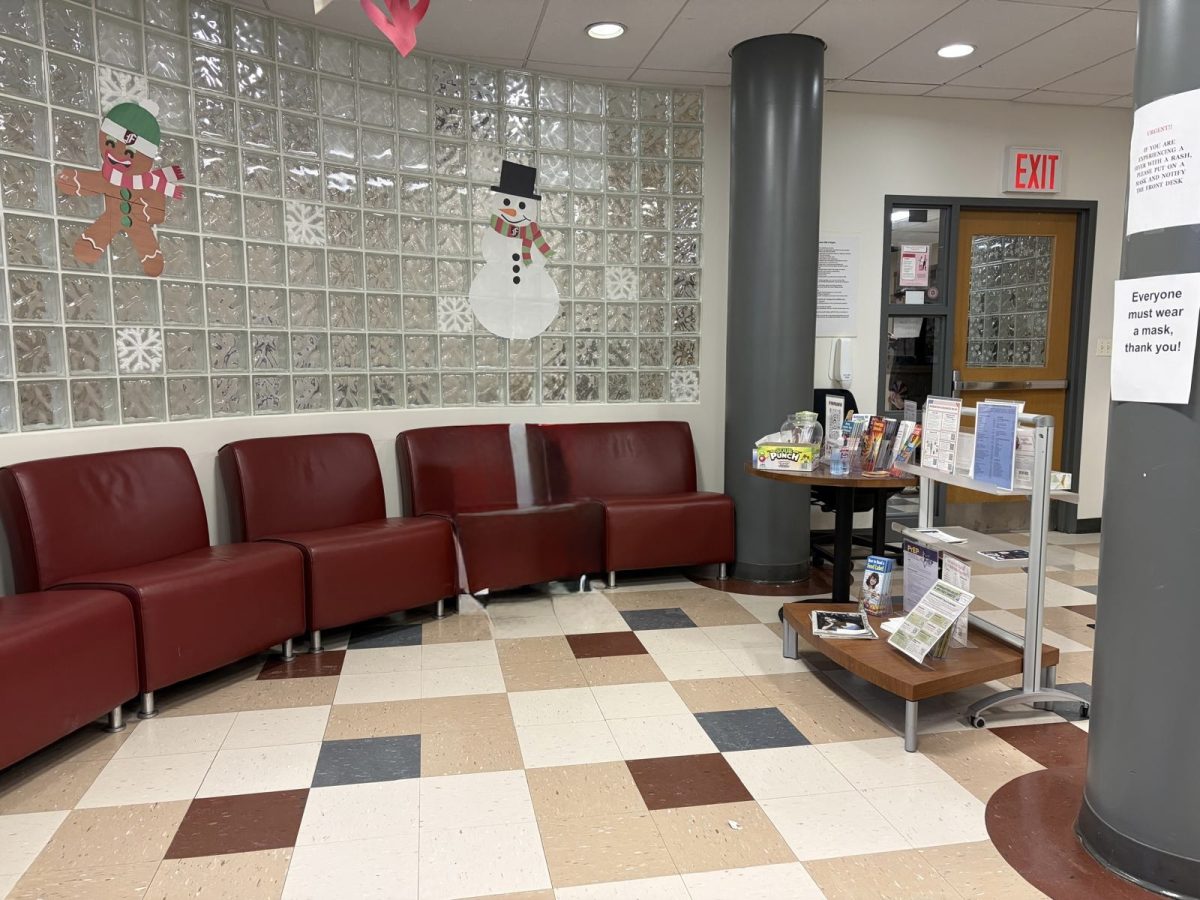



























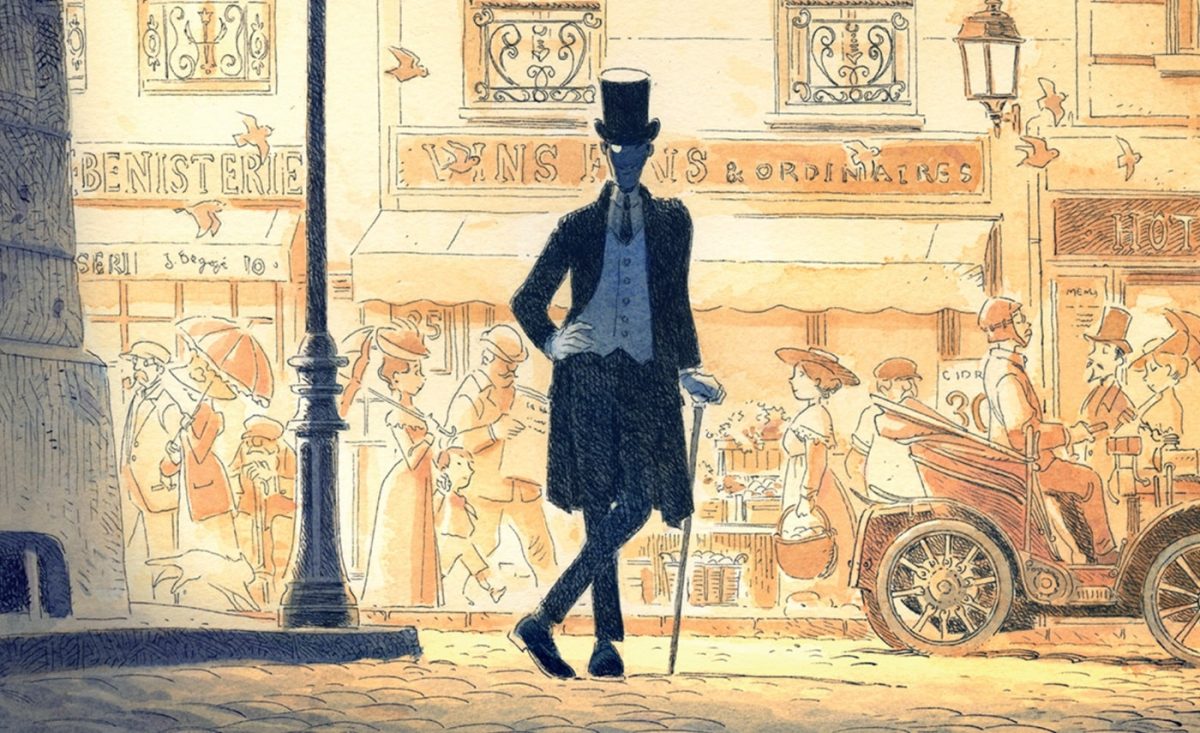














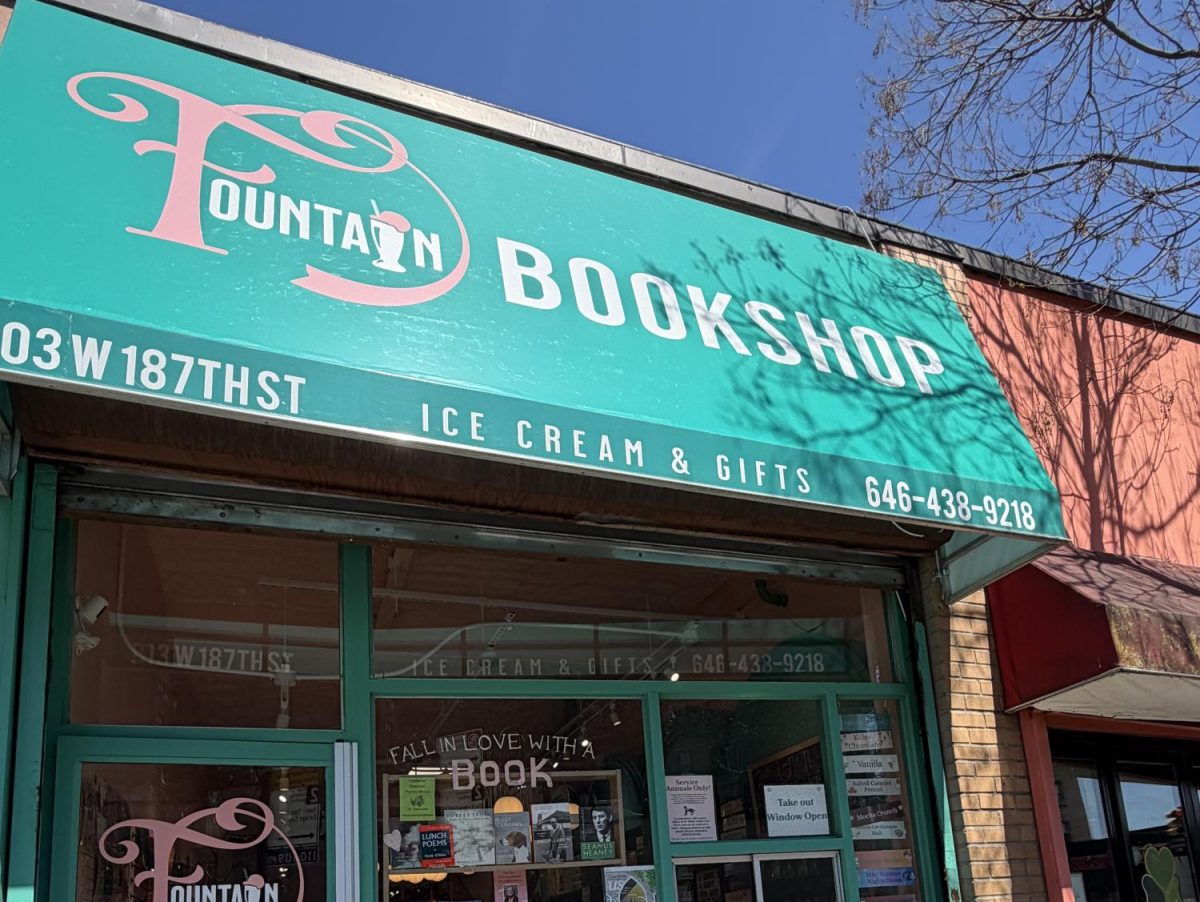





















































































There used to be a place in between where we live and where we work. Not necessarily somewhere special or fancy, but a place you could go to clear your mind. This place, the one that isn’t home and isn’t an industry, is a third space. Third spaces are locations that provide a venue for informal gatherings and for people to exist without the obligation of productivity. These spaces are the glue of civic life, especially in big cities where people might have fewer opportunities to be outdoors or spend little to no money simply to relax. In my opinion, these spaces have dwindled and are, in many cases, gone.
The erasure of third spaces was slow and went unnoticed, which is why it can be hard to realize we are missing out on so many community areas we could have. Today’s diners, coffee shops and other boutique cafés are designed for quick turnovers and minimal human interaction. Take Blank Street as an example; although their coffee is good and effective for the working individual, there is very little sense of humanity or personality when you enter one of their shops. You are encouraged to pick up and go on with your day, not to sit, read, journal or chat with other people in the shop.
Public parks remain as one of the main third spaces, but even Central Park can feel like a tourist attraction rather than a space for quiet contemplation or conversation. Additionally, Central Park is not accessible for everyone and acts as a hub rather than a neighborhood spot in which you could become a regular. A bookstore filled with armchairs, in which you could sit for hours barely exists anymore because if you aren’t purchasing something, the business is losing money by hosting you. Even malls across America are closing due to the lack of people going to shop in person.
For previous generations, these spaces were critical to communities. I spoke to my parents about how they used to spend their time wandering through bookstores or becoming locals at coffee shops where they would read the newspaper every Saturday. And now screens have mostly replaced this. Third spaces are free or cheap, easily accessible, welcome regulars and foster playful, unstructured conversations, which is very similar to what the internet offers. But the difference is that you are never just “hanging out” online; you are being sold something.
The challenge in creating more third spaces is that it is nearly impossible for a low-margin, high-lingering establishment to survive in this economic climate. If a coffee shop were to allow customers to sit and sip on a single latte for hours, they would slowly go out of business. This causes most spaces to charge you for the time you spend there: gyms, therapy offices and co-working spaces are all for rent and have replaced spaces that used to ask you for nothing at all.
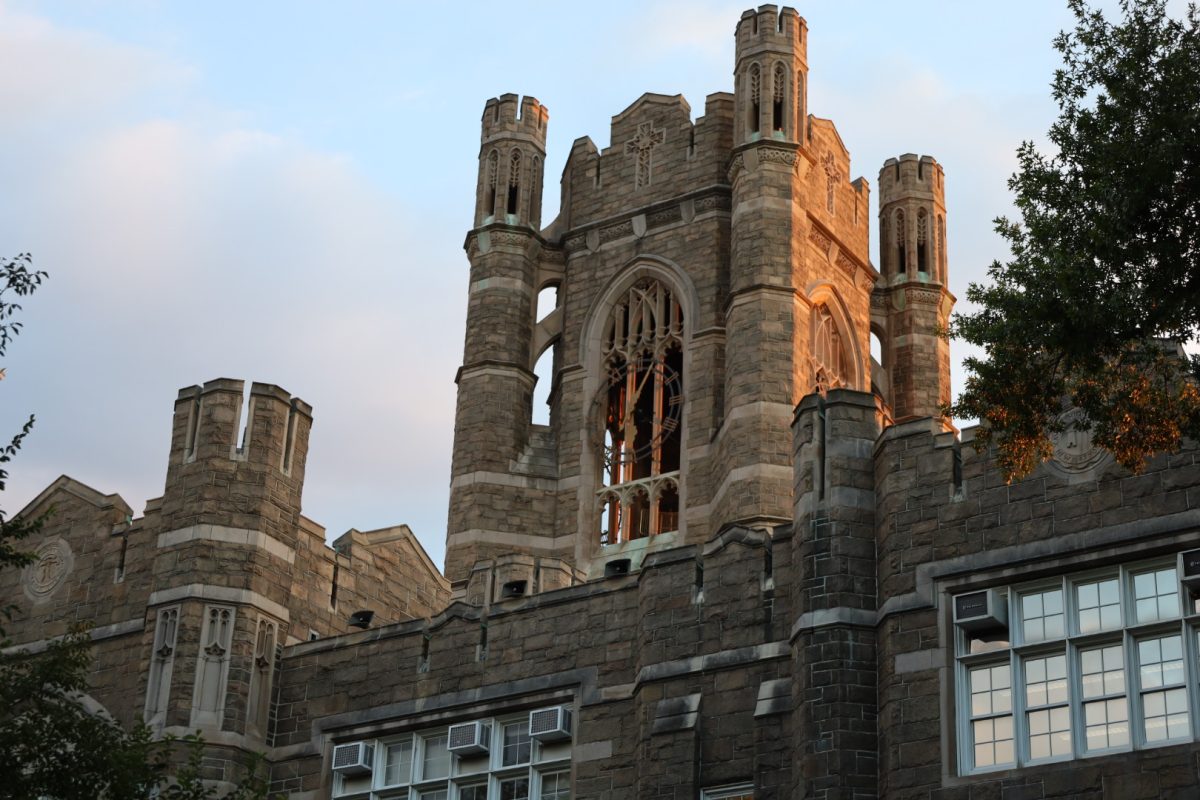
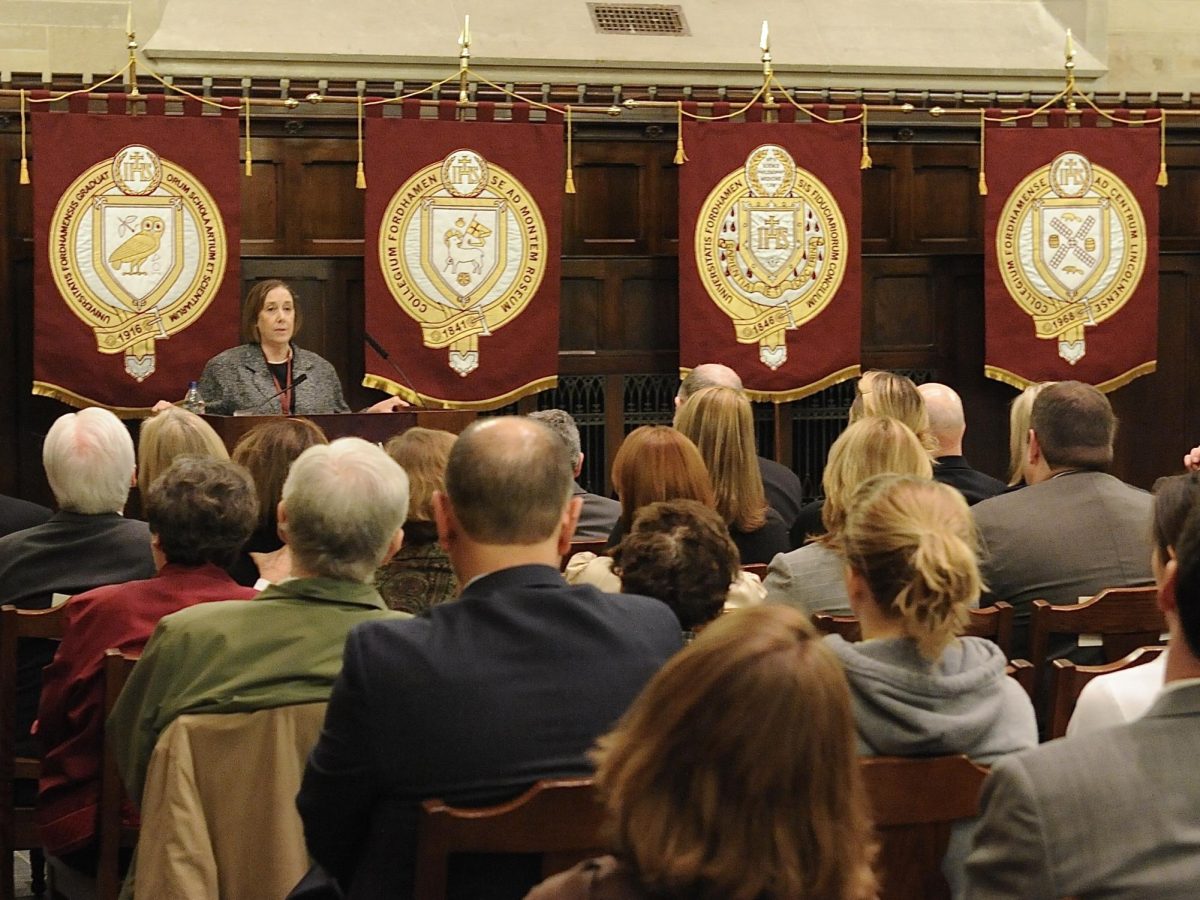
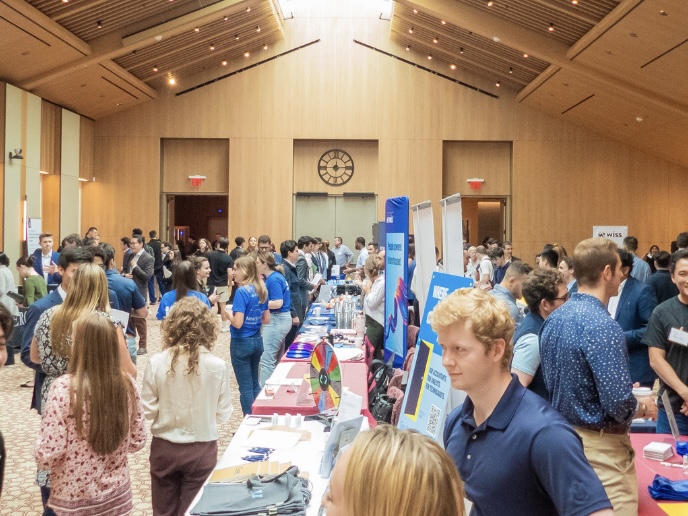
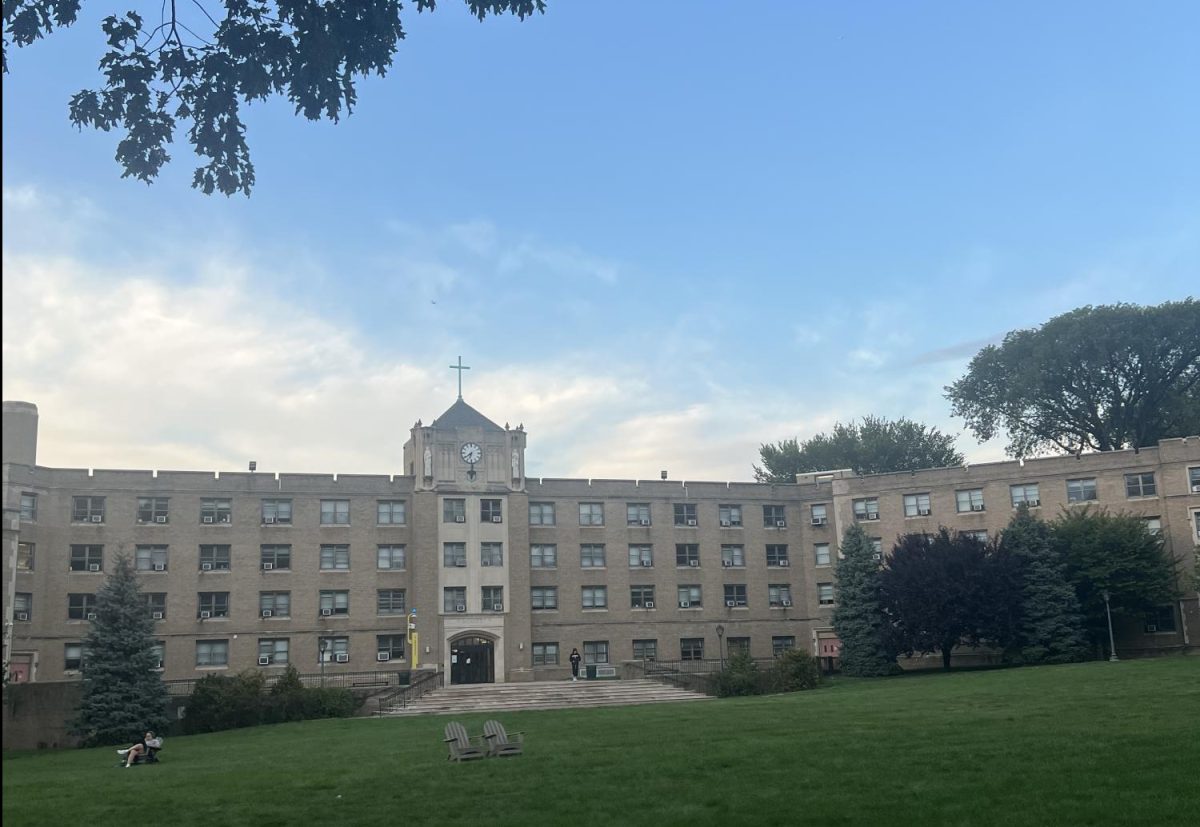
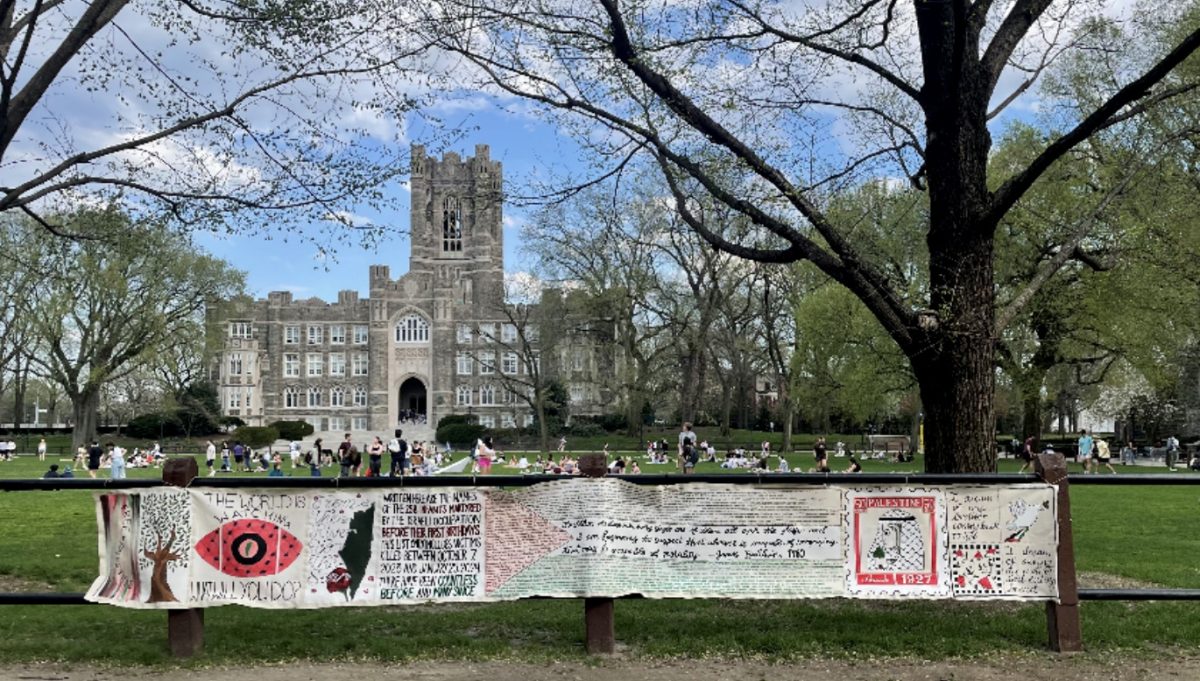
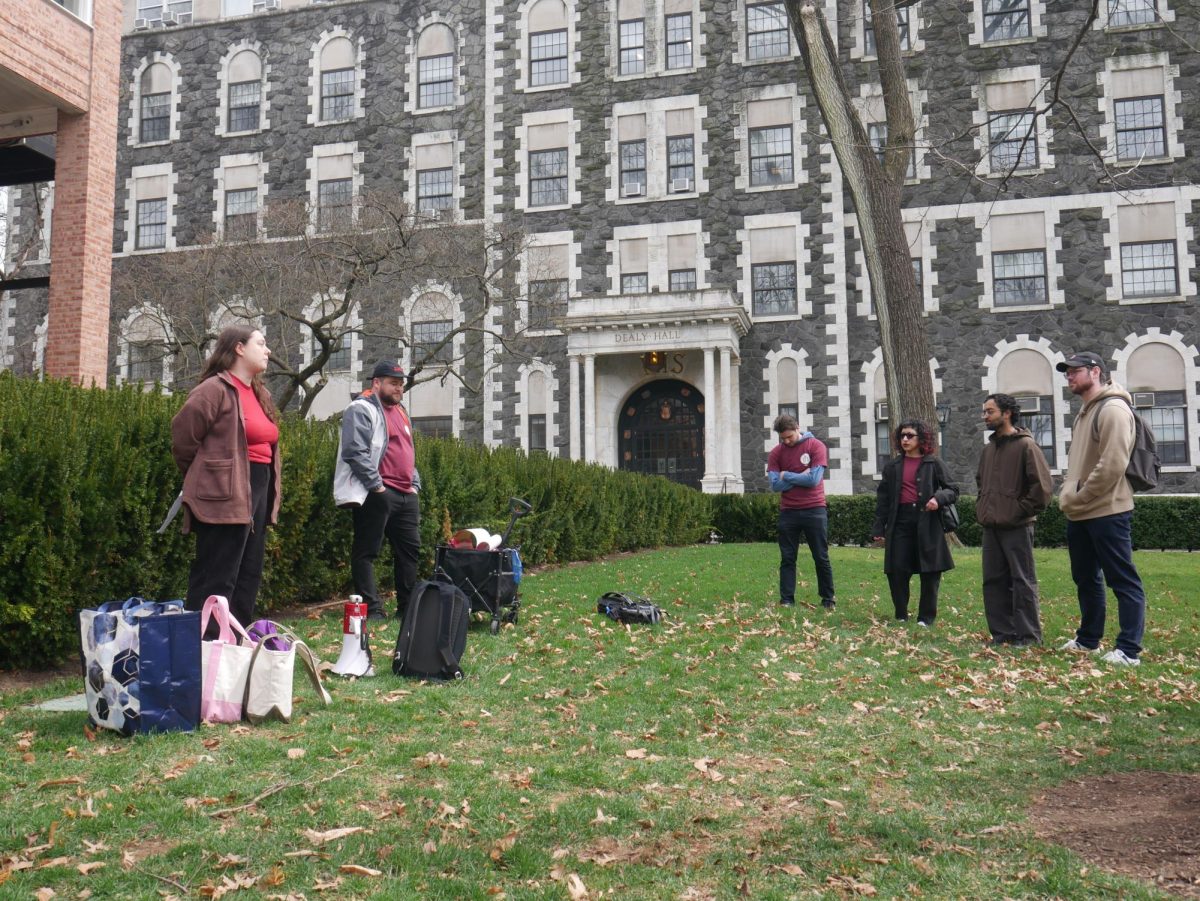
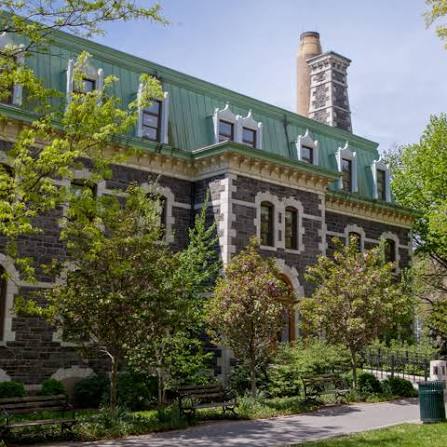
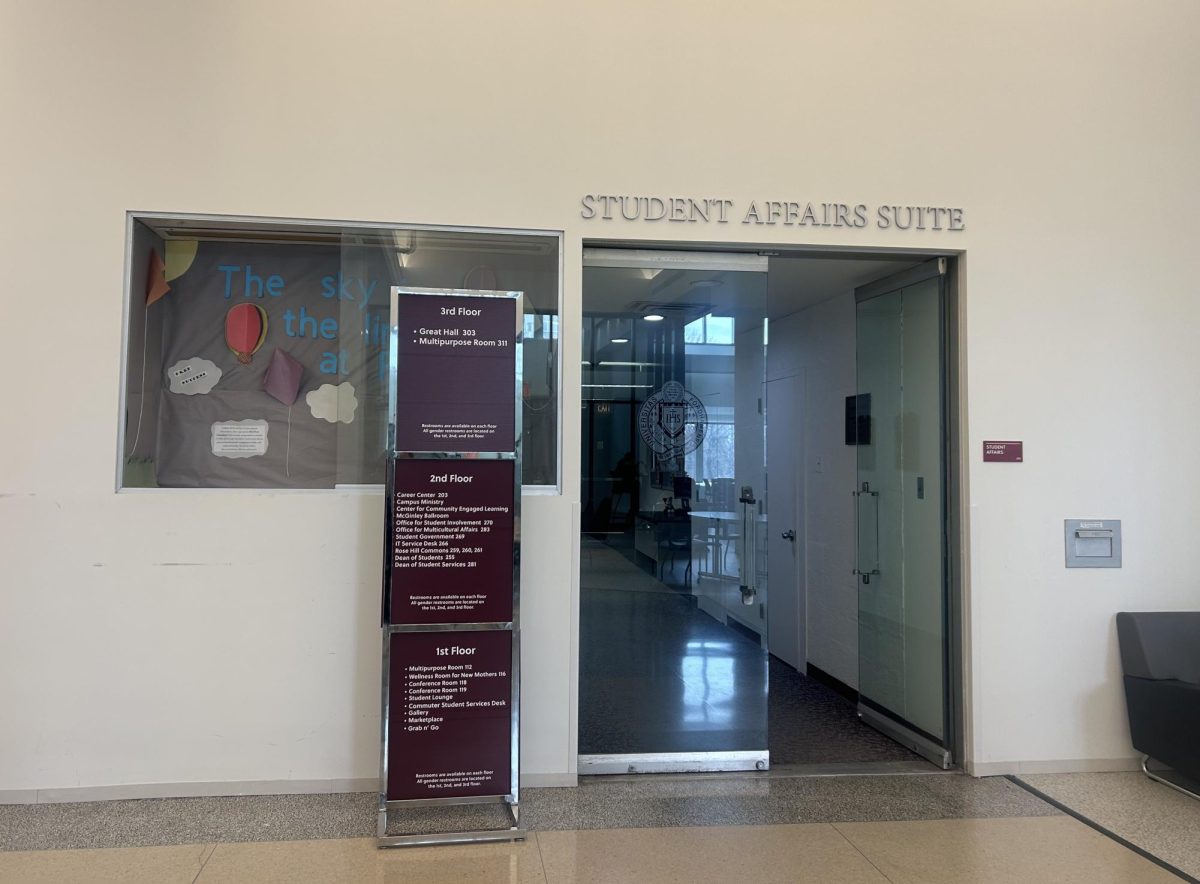
Knowing how rare third spaces are, college campuses become more valuable. A university is one of the few remaining third spaces in American life. Even with tuition, third spaces are created and preserved because students are able to meet people their age, in person and from diverse backgrounds. Third spaces are also created by students, from the sitting area on the grass you find with your friends to the chairs you bring in front of your dorm building. These are the less obvious third spaces that are designed and filled by students, which promotes conversations and bonding. After graduation, most people’s social worlds collapse into the professionally known and the friends carried over from other parts of their lives. On campus, you are constantly in the presence of people who differ from you and it takes no effort to find new people.
The loss of third spaces affects more than social lives; there is psychological research that has shown how third spaces improve well-being and relatedness between people. The loneliness epidemic points not just to the absence of close friendships, but to the erosion of casual ties to acquaintances. These relationships are called “weak ties” and are the foundation of third spaces. Those relationships are impossible to curate over Zoom or any social app.
Third spaces are crucial to human connection and America has been slowly demolishing them for decades. College campuses are a special place where they still exist; you can show up and sit without an agenda, without a transaction, without a reason and sit among other people. It is worth noticing the causal, fun spaces we have access to and not taking them for granted. When we become aware of how special it is to have these places we may be able to change the way our world is built outside of college. A collective choice to slow down and build connections with new people through third spaces is the only way the few that are left can be preserved.

Chanel • Jun 14, 2026 at 5:29 pm
I enjoyed reading this and I am currently using it as evidence for a paper I’m writing on third spaces. Thank you for sharing your opinion, it was very intriguing.