




























































































The United States meets all of the qualifications to be considered an empire. The birth of our nation came from violent colonization by European power, followed by a long history of expansion into Indigenous lands excused by manifest destiny and now into our modern era global invasions. This culture of war, as some refer to it, has built an ego within our country as “winners,” with many believing that we deserve control of any lands we want. But who are we sending into these wars, and how are we supporting them upon their return?
A major point of controversy in military recruitment practices is the so-called poverty draft. This term refers to the military’s targeting of low-income youth, often people of color, making them disproportionately likely to enlist due to a lack of options in the labor market, or feeling like they have no other choice due to financial constraints restricting them from pursuing other opportunities, like attending college. While there has not been solid evidence to show a significant wealth disparity in enlisted soldiers, studies have found that those from upper-class families are significantly less likely to enlist right out of high school.
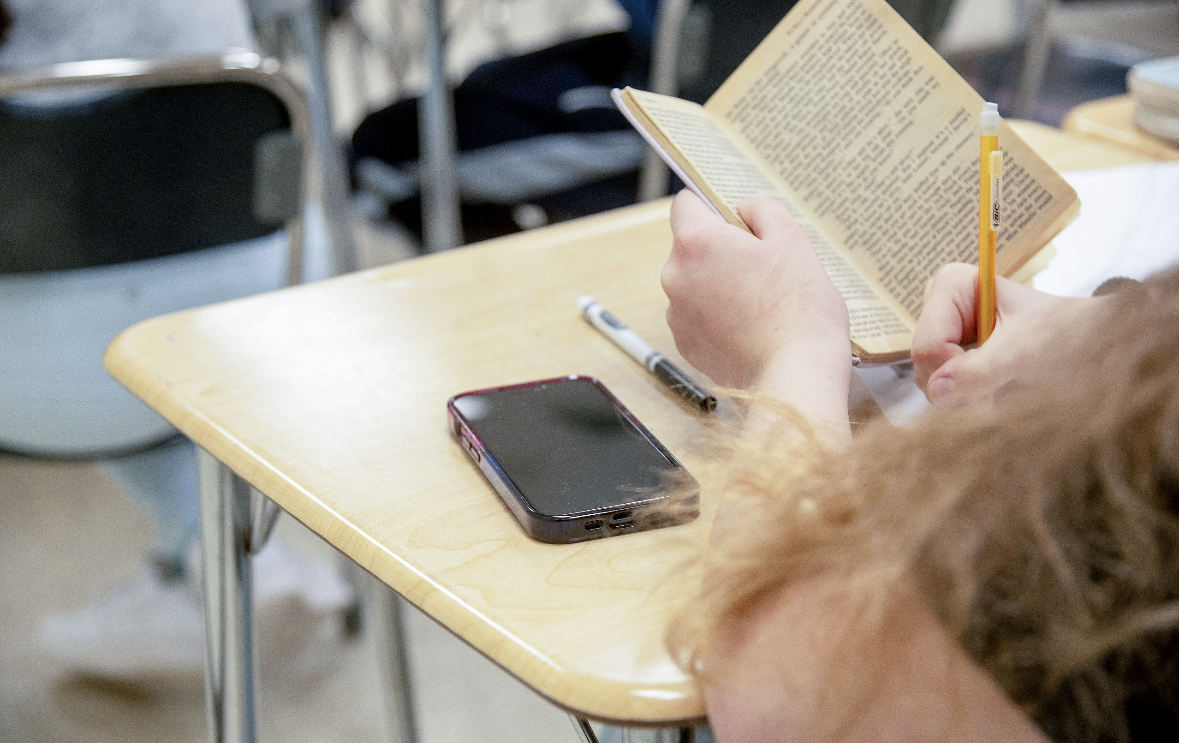
Recruitment in high schools can be one of the more popular places for this targeting. If schools allow employers or other post-graduate opportunities to recruit on their campuses, they must also allow equal time for the military to recruit. Additionally, high schoolers are recruited through the Junior Reserve Officers’ Training Corps (JROTC). Low-income communities have remained the main focus for these targeted military recruitment practices in high schools. Students with college interests and those from higher-income backgrounds have the lowest interest in military service. This could be somewhat impacted by the presence — or lack thereof — of military recruiters in their high schools, or simply because they have more options and the privilege of choice due to their socioeconomic status.
At an incredibly fragile time in their lives, on the cusp of change and adulthood, high schoolers are especially vulnerable to this recruitment. When our country’s social programs do not work to support the futures of all of our youth, not just the upper class, the underprivileged are left alone to figure out what they need to do to survive. While the military can be a viable option for those who want to serve, high school students should not feel backed into a corner, as if they have no choice.
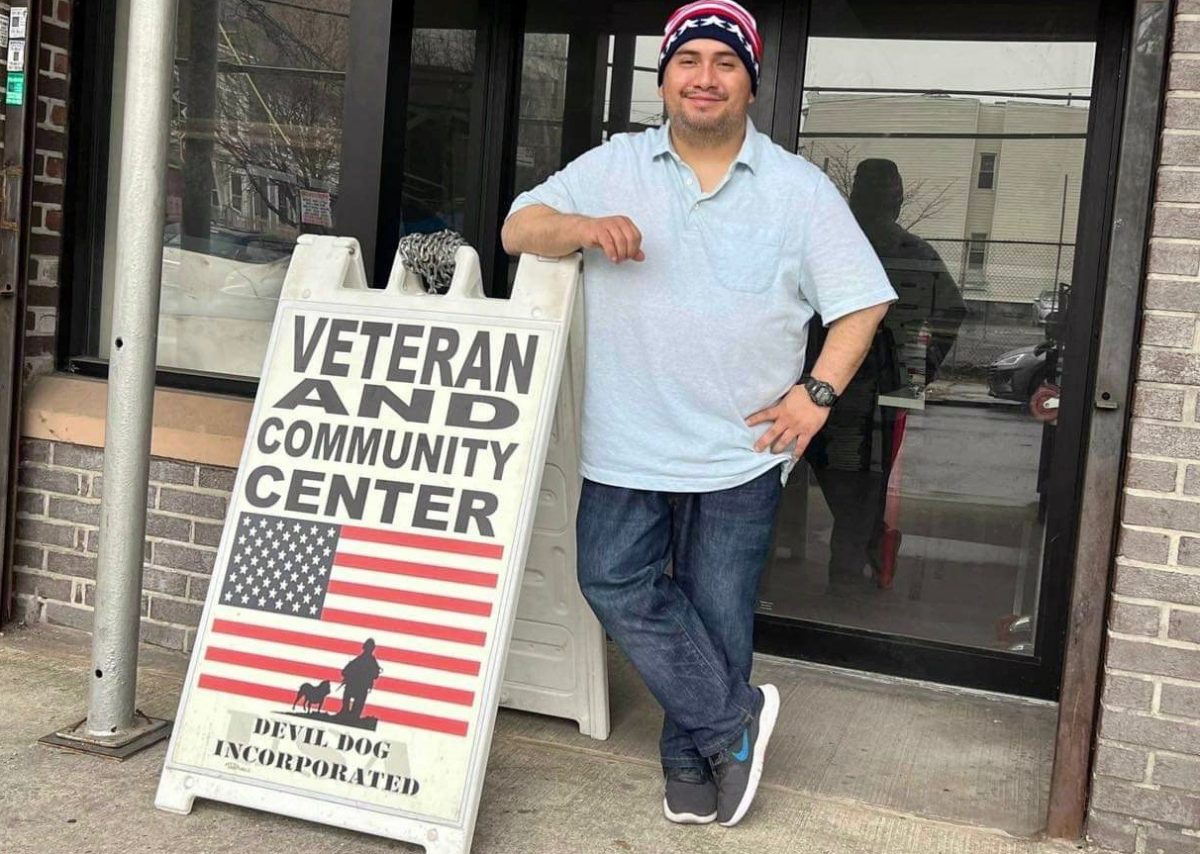
Without even focusing on the horrors of war and abuses within the military, the future when soldiers return from deployment can be quite bleak. Mental health conditions, including Post-Traumatic Stress Disorder, depression, suicide and substance abuse are unfortunately common in servicemembers. Approximately 21 veterans die by suicide every day, a statistic that is 50% higher than the general U.S. adult population. Additionally, as of January 2024, the U.S. Department of Housing and Urban Development estimated 32,882 veterans were experiencing homelessness. While this is an 8% drop from January 2023, it is still a very high number that could and should be addressed.
These statistics are horrible to face, but it doesn’t have to be this way. If the U.S. government diverted some of the $2.03 trillion available to the Department of War towards supporting our veterans, we could have social programs prevent mental health-related deaths and get veterans off of our streets and into safe homes.
If the government wants to continue putting its people at risk in wars that are of no benefit to the country, they need to first focus on supporting the individuals they are sending out to fight for it. Our youth should not feel backed up against a wall in order to push them into the military, but if they choose to enlist, they should be guaranteed a strong support system while they are deployed and upon their return home.