























































































































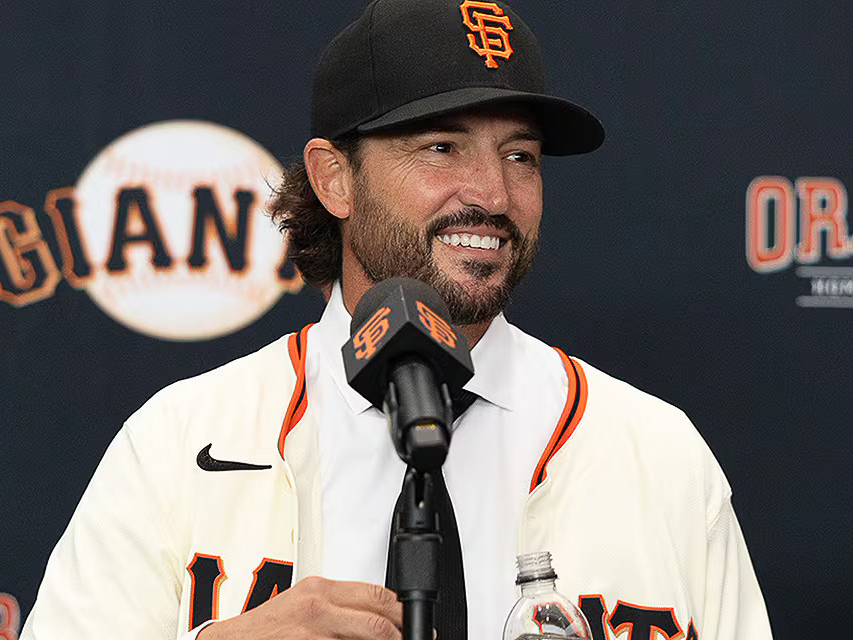





























One of the biggest stories in baseball going into Opening Day of the 2026 season was the San Francisco Giants’ new manager, Tony Vitello. While new managerial hires occur all of the time, the newest trend for MLB managers has been acquiring those with very little experience to coach at the highest level. Vitello, for instance, has only coached at the college baseball level, a far cry from the MLB. Teams seem to be looking for new perspectives, skewing away from the Tony La Russas of the world in favor of younger managers. However, is the new age of managers prospering? And how important is it for managers to have coached or played at a high level of their sport?
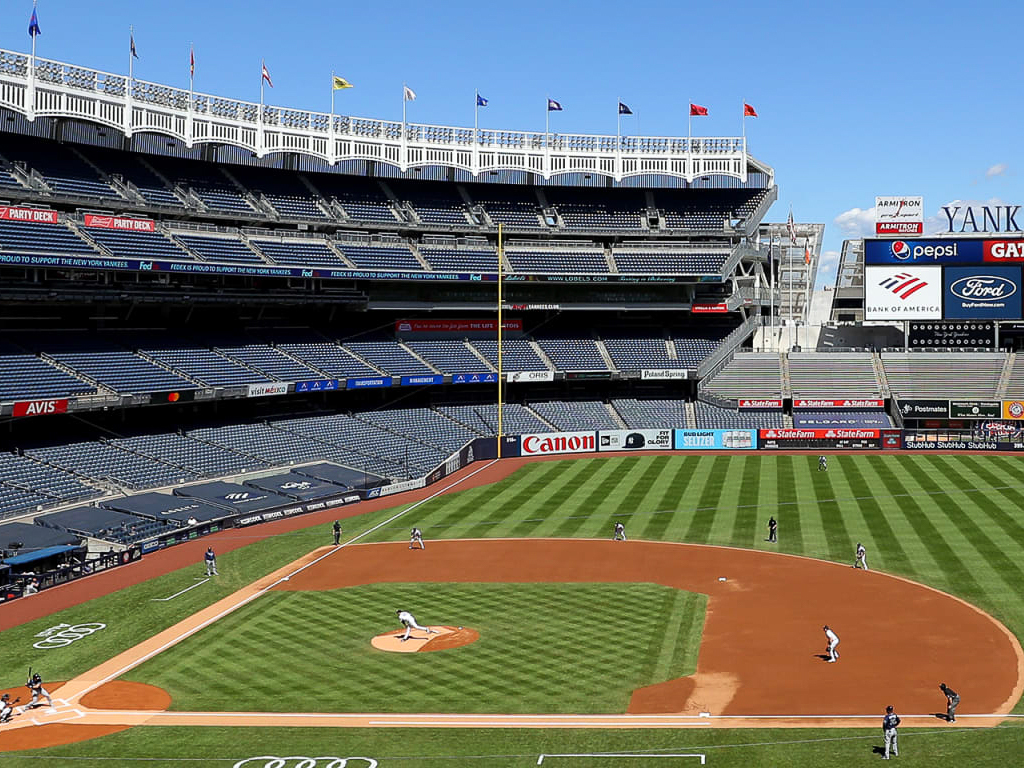
Vitello’s MLB managing career was off to a bad start, with the Giants suffering a home sweep at the hands of the New York Yankees. Considering that Vitello’s lineup was unable to muster their first run until their third game, it’s hard to blame the manager for the team’s lackluster performance. The Giants then went 9-10 in their next 19 games, an improvement from their slow start, but not up to par with their preseason expectations. Standing at last in the division behind the Colorado Rockies, of all teams, is not a good look for a first-year manager, especially one who has already been so scrutinized due to his lack of experience. Still, I believe it is too early to judge a manager by his first 20 games, so maybe another example couldn’t hurt.
Craig Stammen, manager of the division rival San Diego Padres, follows similar circumstances to Vitello. He was named the manager of an MLB team out West after only one and a half years of experience coaching as an assistant in the Padres’ farm system. However, his real experience came on the field as a former relief pitcher for 13 seasons in the MLB — half of which came with the team he now manages. Having last pitched in the 2022 season, he never became too far removed from the game, and it wouldn’t be a bad gamble to assume a long career in the MLB would make him at least an average manager.
Unlike Vitello’s struggling Giants, Stammen’s Padres have enjoyed a much hotter start, as they won 15 of their first 22 games and are only 0.5 games behind the juggernaut Los Angeles Dodgers for the lead in the National League West. However, a key thing to remember is that Stammen inherited a much better roster than Vitello, who took over a solid but flawed team that hasn’t had a winning season. The 2025 Padres finished with a 90-win season and a wildcard spot, while the Giants last season were the perfect definition of mediocre, finishing with both 81 wins and losses.
So two managers, both with very little experience, have started their 2026 seasons in different ways. However, there are too many variables to know if the manager has caused the team’s performance, or if the team is to blame. To get a better idea of how a manager’s experience can impact their role and performance, let’s take a look at what the fans and experts consider to be the best managers of the last century.
Dave Roberts, the current manager of the Los Angeles Dodgers, is widely considered one of the best managers in the current MLB landscape. He was a player for many teams over a 10-year MLB career, one of those being the Dodgers, and he then became a coach for the Padres from 2010 to 2015. Interestingly, he was the manager of the Padres in 2015 for one game after the earlier manager, Bud Black, was fired midseason. Roberts’ Padres would lose that one game 9-1, and then Roberts was demoted back to a bench coach after being replaced by Pat Murphy. Roberts would then join the Dodgers in 2016, and the rest is history. He would find near immediate success, appearing in five World Series and winning three of them. While we don’t know how Vitello and Stammen’s managerial careers will play out, it certainly seems like prior experience can’t hurt when managing a professional ball club.
Different managers have all had different levels of success with different amounts of experience, so it really can be hard to value how good or bad a future manager will be when they join a new club. It all may come down to luck; then again, MLB teams create formulas to limit the amount of luck and chance they need to take when doing just about anything for their future success.