






















































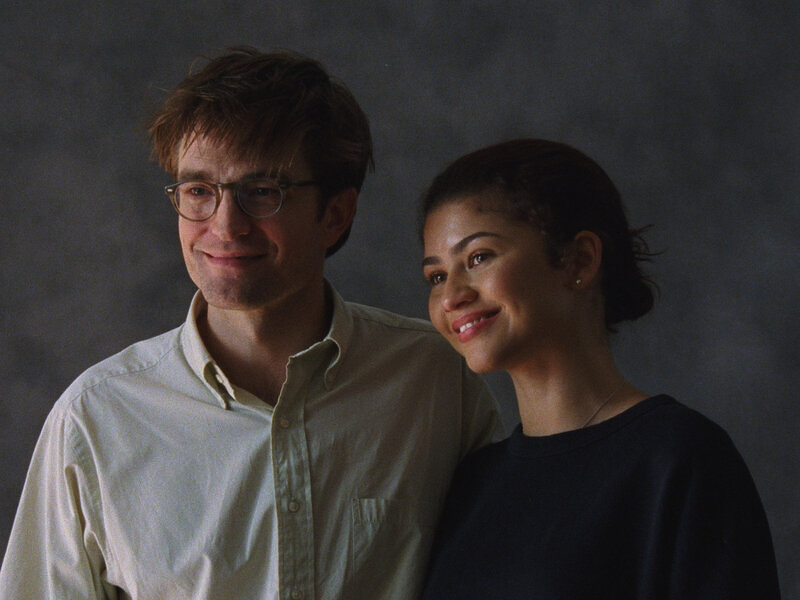
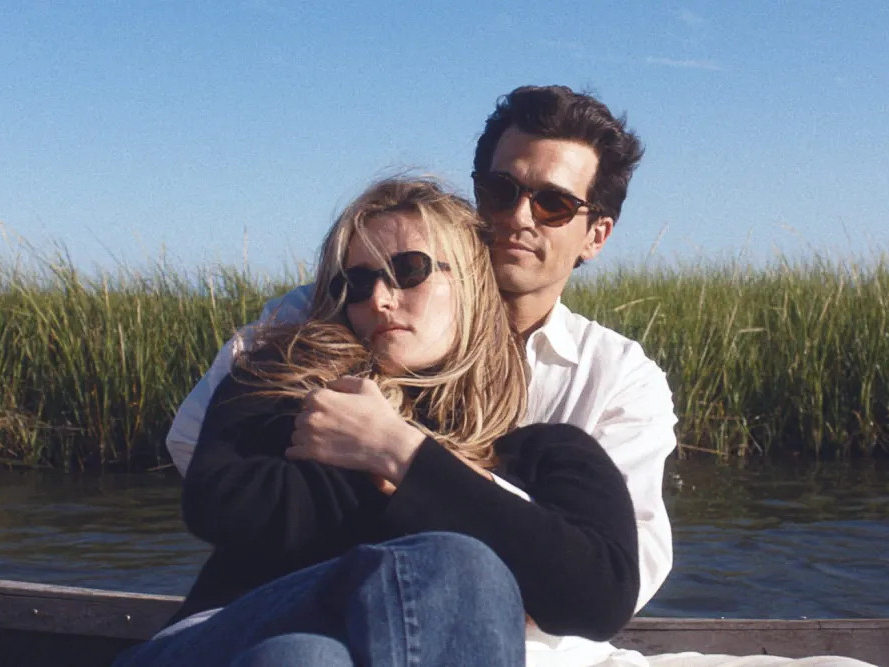





































































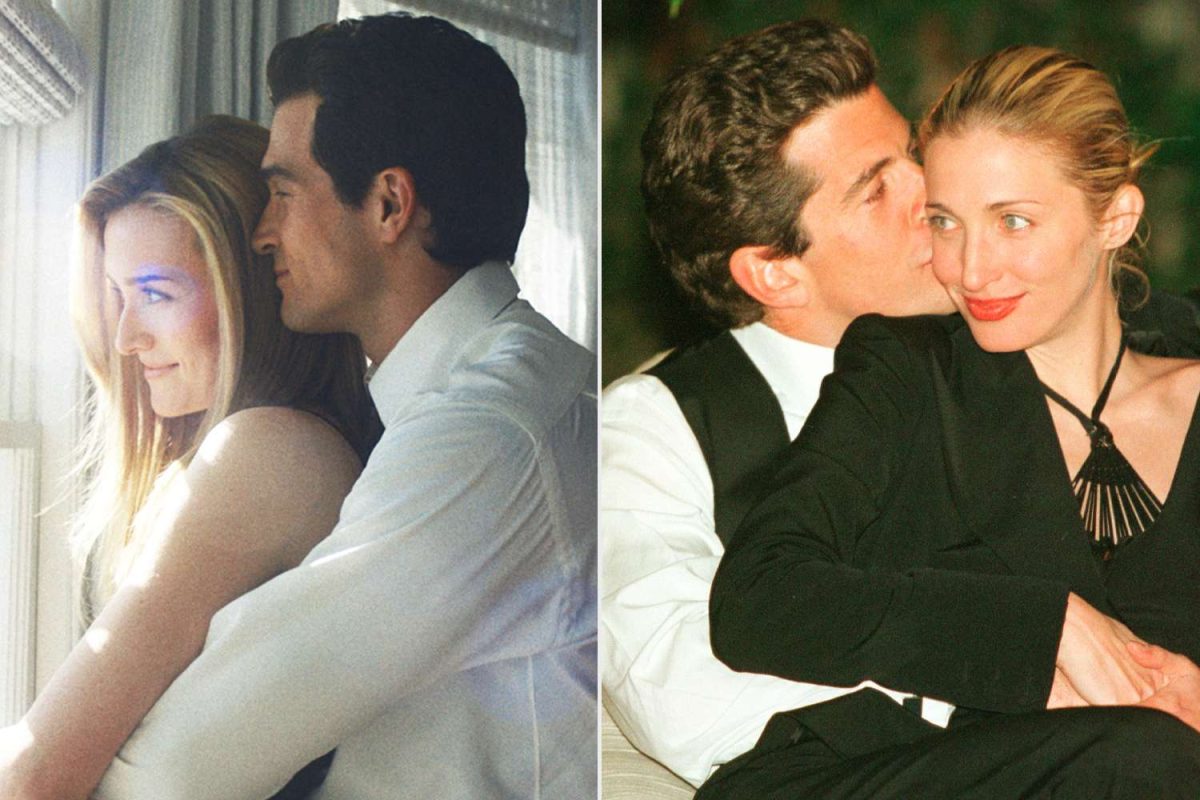
The 90s aesthetic is back, and it’s all thanks to Ryan Murphy’s “Love Story: John F. Kennedy Jr. & Carolyn Bessette.” Sarah Pidgeon and Paul Anthony Kelly star as Carolyn Bessette and John F. Kennedy Jr., bringing a fresh perspective to America’s royal couple. Based on the biography “Once Upon a Time: The Captivating Life of Carolyn Bessette-Kennedy” by Elizabeth Beller, the series centers on Bessette’s relationship with Kennedy, following the pair as they struggle with overbearing paparazzi and long-standing familial expectations.
Each episode is painted in warm lighting, with color grading feeling like a warm embrace amid today’s constant use of dark, monotone visuals. It truly feels like a love letter to Manhattan in the 90s, and the soundtrack further showcases the care put into each episode. The only thing missing is depth in the script. Pigeon perfectly embodies Bessette, and while Kelly may be lacking in some scenes, the script is more at fault than his performance. The show doesn’t have to do much more than illustrate the ups and downs of their relationship, but adding a layer of social context would’ve elevated it to something lasting.
Across the first five episodes of the Hulu series, the show closely examines the inner lives of Bessette and Kennedy, highlighting the tension between Bessette’s independence and attraction to Kennedy. External pressures from Jackie Onassis Kennedy (Naomi Watts) and the media’s scrutiny of Kennedy Jr.’s past failures further create a wall between Bessette and Kennedy as their chance encounters turn into an increasingly public relationship. The pressure builds to an explosive argument in episode five, where the couple is forced to talk through their reservations about getting engaged. The Battery Park fight is well known, yet the performances elevate it beyond a mere retelling.
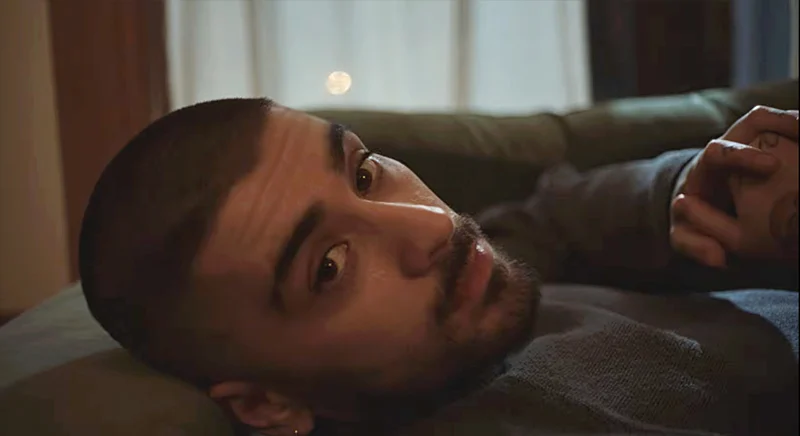
Pidgeon embodies Bessette with quiet confidence, sharp wit, simple styling and meticulously accurate gestures. Similarly, Kelly embodies Kennedy’s easy charm. His style is just as important, inspiring the men of the Lower East Side to wear backward Kangol flat caps, as seen in numerous social media posts. One aspect of both characters that the actors succeed in portraying is their emotional depth. Kelly is seen crying over his mother’s impending death, and Pidgeon has no shortage of emotional scenes. Her shining moment is in episode five when Bessette finally accepts Kennedy’s proposal, sobbing when coming to the conclusion that their love matters more than the media’s obsession with their personal lives.
However, a few things stand out against an otherwise cohesive backdrop. The time jumps between scenes or episodes are glaringly unclear. Viewers know time has passed, but without any prior knowledge, it is quite vague. Emotional turning points, such as arguments and reconciliations, sometimes feel rushed, as if the script assumes we understand the characters and their motivations more than we actually do.
To the series’ credit, it successfully paints the paparazzi as a corrosive, dark cloud that follows the couple throughout their entire relationship. Instead of enjoying moments of happiness and career triumphs, the media intrudes on Bessette and Kennedy’s lives. Still, the script doesn’t allow for more than short-lived bouts of vulnerability from any of the characters. And while that could be purposeful, showing us that even in a committed relationship, neither Bessette nor Kennedy could fully open up, it feels like superficial relationship drama rather than an intense look at celebrity culture in the 90s. The series touches on the weight of the Kennedy political dynasty and the scrutiny Bessette endured, but never fully examines either. “Love Story” didn’t have to go deeper, but doing so would have made it culturally resonant rather than just nostalgic.
Ultimately, “Love Story” succeeds as an aesthetic triumph and a showcase for two rising actors who bring emotional credibility to an already mythologized romance. Pidgeon anchors the series with a performance that feels lived-in rather than imitative, grounding the idyllic visuals in something human.
Yet, for all its beauty and sincerity, the show fails to establish itself as something more than an aesthetically pleasing rendition of America’s royal couple. It captures the fantasy of Carolyn Bessette and John F. Kennedy Jr., but rarely interrogates the forces that shaped and strained their reality. What remains is a stylish, absorbing retelling: a warm-toned time capsule of 90s Manhattan that lingers pleasantly, even if it doesn’t quite leave a lasting mark.