



















































































My roommates and I were eagerly waiting for the halftime show to start. We had been talking about this show for months, and it was finally here. And we weren’t the only ones on the edge of our seats: Over 135 million people tuned in to see Bad Bunny’s Super Bowl LX halftime show Sunday night, breaking the existing viewership record for the Super Bowl. From the choreography to the cinematography, each aspect of the show worked in harmony, crafting a performance that captivated viewers both visually and emotionally.
The performance was narrative-focused, cohesively unfolding across multiple sets that moved from the history of sugarcane fields, barbershops and boxing rings to a wedding altar, with every detail deliberately planned and each element adding deeper meaning to the storytelling.
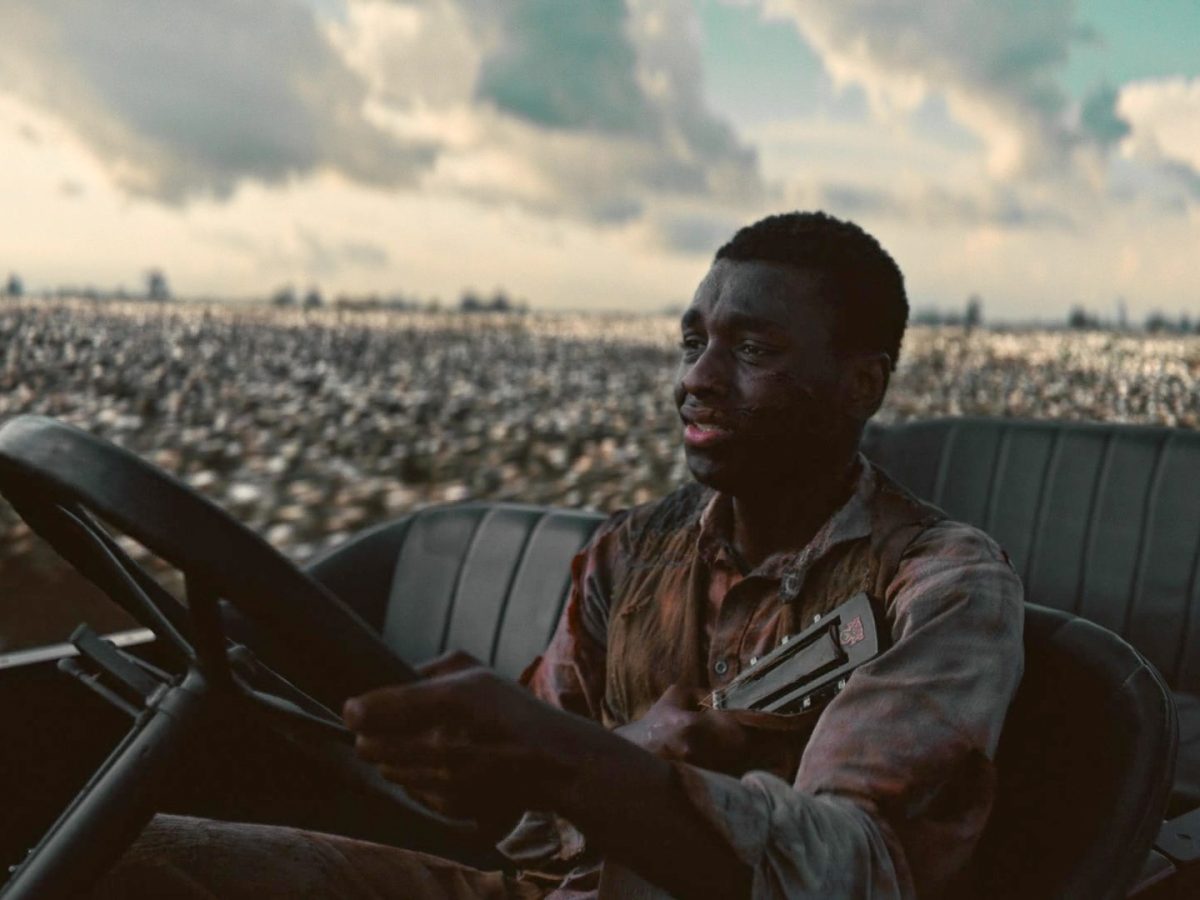
The set opened with the Puerto Rican superstar paying homage to the ancestral roots of cane cutters who once worked in the island’s sugar fields, illustrating the realities of their labor. As he moved through the crowd, the football gently cradled in his arms introduced the larger political message that ran through his performance.
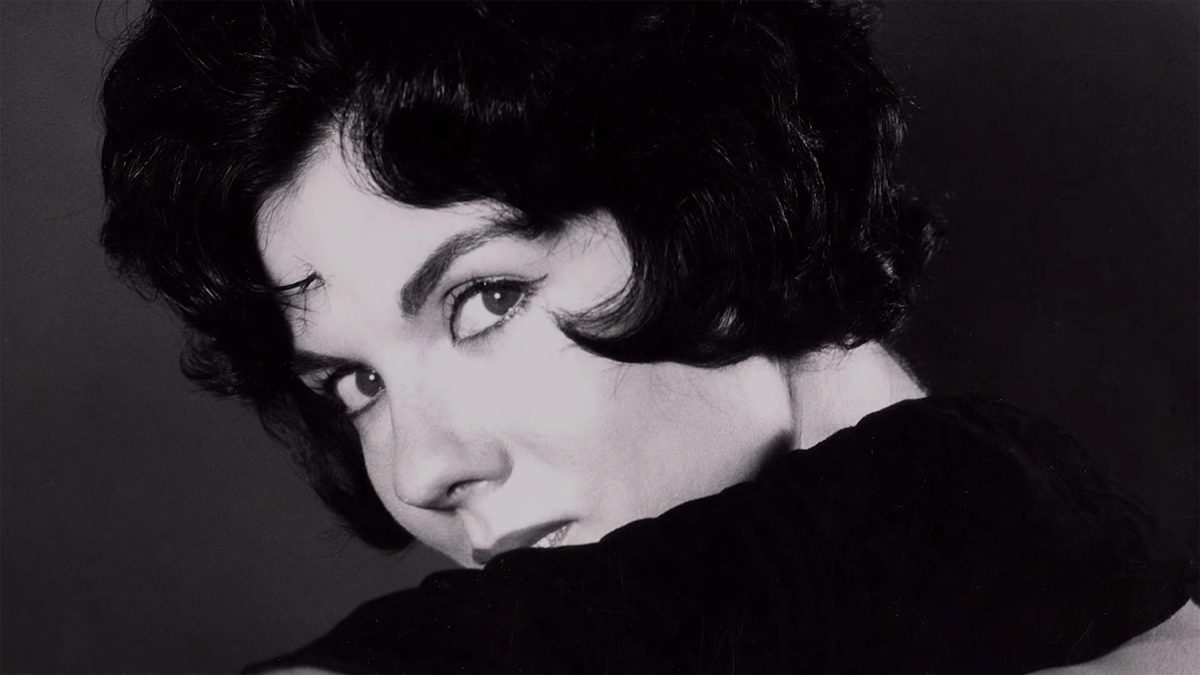
Bad Bunny even had many household Latin names dancing in La Casita. As the camera panned to each of them, my roommates started yelling from out of the apartment, screams of “Oh my God, that is Cardi B!” “Look, it’s Pedro Pascal!” and my personal favorite, “Shut up. That is THE Jessica Alba!”
There was a huge emphasis on love and celebration of being human. A real couple took the stage and exchanged their wedding vows, with Bad Bunny and all of America serving as witnesses. The moment was filled with joy and abundance. Bad Bunny didn’t stop his personal touches there; he included subtle cultural touches, though some scenes, like the little boy dozing off in a chair, felt familiar to everyone.
Saying my whole dorm was shocked when Lady Gaga emerged is an understatement: we were baffled. However, her role revealed layers of symbolism and added depth to the performance. Gaga was wearing a beautiful blue dress as a nod to Puerto Rico’s national flower, showing she’s trying to embrace culture as a white woman.
Singing a rendition of her famous song “Die With a Smile,” with a salsa beat and dancing the night away with Bad Bunny, Gaga showed that embracing and honoring one another’s cultures is possible, and it was a truly beautiful sight. She served as a kind of spokesperson for the halftime show, proving that Bunny’s all-Spanish set did not require any English to enjoy and appreciate.
While many celebrated Bad Bunny’s performance, Turning Point USA, a conservative political group, launched its own version of the halftime show, promising viewers that it would be entirely in English. Their halftime show drew in six million viewers. Where one performance celebrated love, culture and what it means to be human, the other focused on separating cultures and being against one another.
Close to the end of his set, Bad Bunny switched to English to say “God Bless America,” as he started naming countries like Chile, Argentina, Colombia, The Dominican Republic, Mexico, the United States, Canada and Puerto Rico, as dancers carried flags from nations across the Americas. I remember one of my roommates at the edge of her seat, waiting for Cuba to be called and screaming from excitement when it was; this moment perfectly captured what cultural reputation means. For her and so many others, seeing themselves represented on such a national stage wasn’t just amazing —it was affirming. It acted as a reminder that identity and heritage belong in the spotlight.
The jumbotron flashed: “The only thing more powerful than hate is love.” And the icing on top, Bad Bunny revealed the writing on the football he was carrying, which read, “Together. We Are America.”
He spiked the football and my apartment was at a loss for words, still in awe of the beauty of the homage. The camera panned to the football, which was beautiful, and, of course, everyone was hyped for the closing song, “DtMF.” If people in my dorm weren’t dancing already, this was what finally did it.
Not only did Bunny make history as the first solo Spanish-language Latino performer, but this was also a powerful delivery in the political climate. The use of music is political, but the amount of cultural pride and recognition shown in such a delicate and beautiful way was moving. While his performance choice has sparked division since its announcement, Bad Bunny didn’t appear to take any negativity to heart, instead using his platform to send a message of love and unity. He threw a party so good, so joyful and so alive that everyone was dancing by the end of his performance. He successfully reminded 135 million viewers that “America” is made up of the people and love surrounding all of us.