


































































































































































































As a One Direction fan at heart, I jumped at the opportunity to review a song from Louis Tomlinson’s new album.
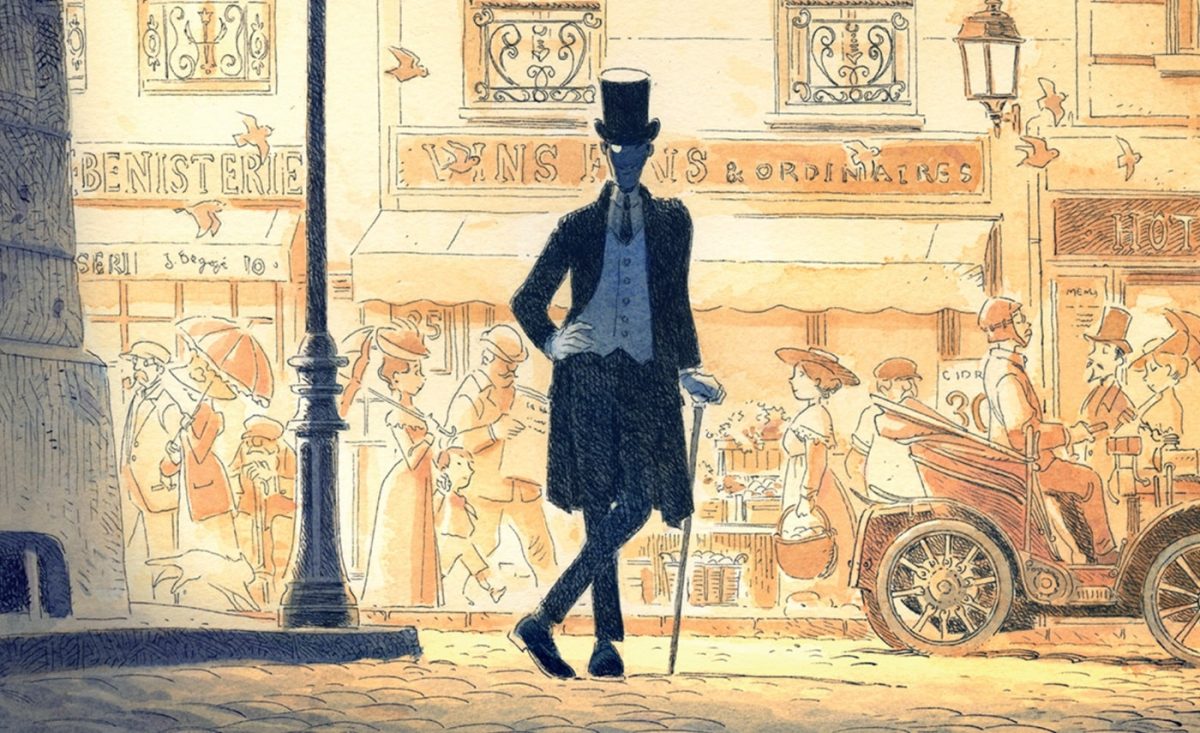
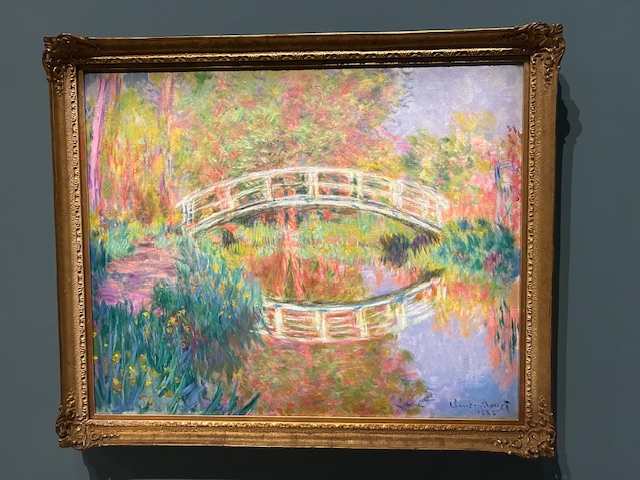
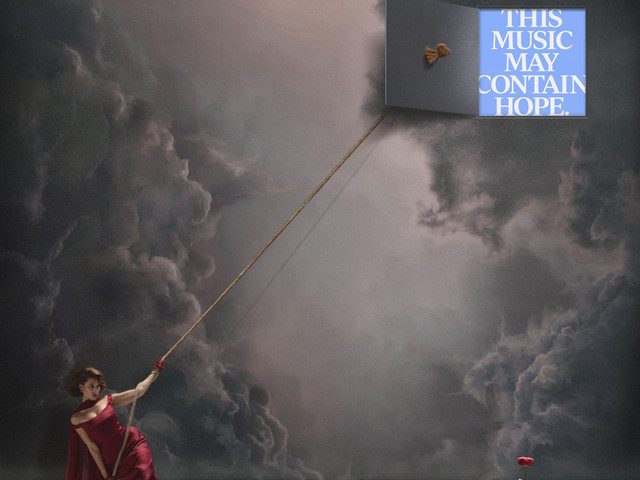
“Palaces” is a song centered on emotional restraint. Rather than leaning on huge pop production or dramatic storytelling, Louis Tomlinson embraces subtlety, honesty and vulnerability. As a result, the record has a very intimate feel to it, with the song feeling more like a measured admission than a complete confession. It’s a song about seeking connection but not understanding how to maintain it, about allowing others to get near to you while still keeping yourself safe.
Throughout “Palaces,” Tomlinson addresses loneliness, loss and self-reflection with a maturity that feels earned rather than performative. The song doesn’t seek radio success; instead, it stresses emotional coherence. Every part seems to be a piece of a larger mental dialogue in which Tomlinson is attempting to figure out who he is and what he is ready to contribute to other people. There’s a clear absence of excess — no extraneous flourishes, no overproduction — which allows the emotional weight of the words to remain front and center.
One of the most emotional lyrics in the song is “you can stay for the night in the palaces of my mind.” The essence of “Palaces” is captured in this line: closeness provided with restrictions. Although the phrase “for the night” emphasizes the transient nature of such access, inviting someone inside the “Palaces” of one’s mind conveys depth, complexity and emotional richness. Tomlinson recognizes his yearning for connection while also acknowledging his dread of permanency. It’s a vulnerable moment that seems real rather than idealized.
In terms of sound, “Palaces” leans toward alternative pop-rock, with muted instrumentation that complements its reflective mood. Instead of overpowering the lyrics, the production creates a subdued, poignant background. This choice emphasizes the album’s themes. These songs aren’t intended to be yelled; they’re meant to be sat with. When you listen to “Palaces,” you get a glimpse into someone’s private thoughts.
What makes the record especially captivating is its emotional stability. It develops gradually, reflecting the process of self-reflection itself, rather than having a single track that drastically deviates from the tone. Tomlinson doesn’t come off as resolved or healed. Rather, he permits ambiguity, which contributes to the album’s genuineness.
“Palaces” is ultimately effective because it doesn’t try to be anything other than what it is: a meditative, serene exploration of inner life. It’s an album for late evenings, long walks and times of reflection. Instead of providing answers or closure, Tomlinson offers presence, honesty and a space where listeners may see their own emotional complexity. As a result, “Palaces” becomes more about connection and less about performance.

