

























































































































































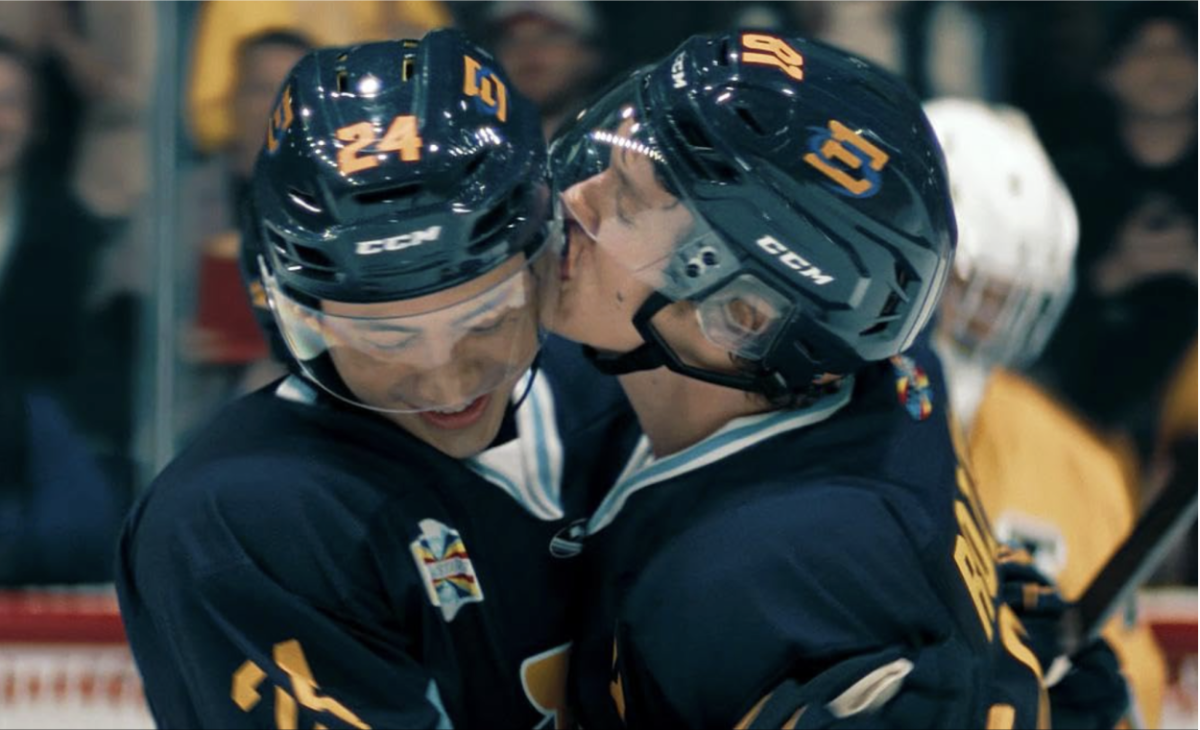
The rivalry between hockey players Shane Hollander and Ilya Rozanov has taken the world by storm. The top prospects from the draft season of 2009 were pitted against each other starting from their respective career beginnings. However, they had been keeping a secret that not many knew: For the span of their careers (the summer before rookie season), they were not only involved on the ice, but also in the bedroom.
Now, for those devoted National Hockey League (NHL) fans reading this who have been living under a rock, you may be confused right now. You may even be asking, “Emma, who are Hollander and Rozanov? I’ve never heard of these players!” You would be right — these are not members of the NHL, in fact, these aren’t even real people. Hollander and Rozanov are the stars of an LGBTQ+ hockey romance novel turned smash show (no pun intended), “Heated Rivalry.”
As an avid NHL watcher myself, I was resistant to watching this show, even as everyone around me was recommending that I do. As not only a hockey fan but also a woman, I felt that if I watched this series and, even worse, if I liked it, I would be judged for liking hockey just because of the, for lack of a better term, “hot men.”
Don’t get me wrong, there are a lot of attractive hockey players out there (I’m looking at you, Connor Bedard), but my love for hockey stems from the joy I get from watching the sport — specifically, my Washington Capitals. However, if you know me well, you’ll know that I often turn on any NHL game and often get enraptured by the event regardless of who is playing.
Despite being convinced that watching this show would diminish my credibility, I finally caved in late into the fall semester. I watched the first episode in an attempt to procrastinate studying for my finals and immediately fell in love.
“Heated Rivalry” became famous for its sex scenes. I hate to say it, but, after watching, even I would claim these scenes to be the most well-done intimacy depictions in modern television. However, everyone who came for the sex stayed for the romance; even Hollander and Rozanov.
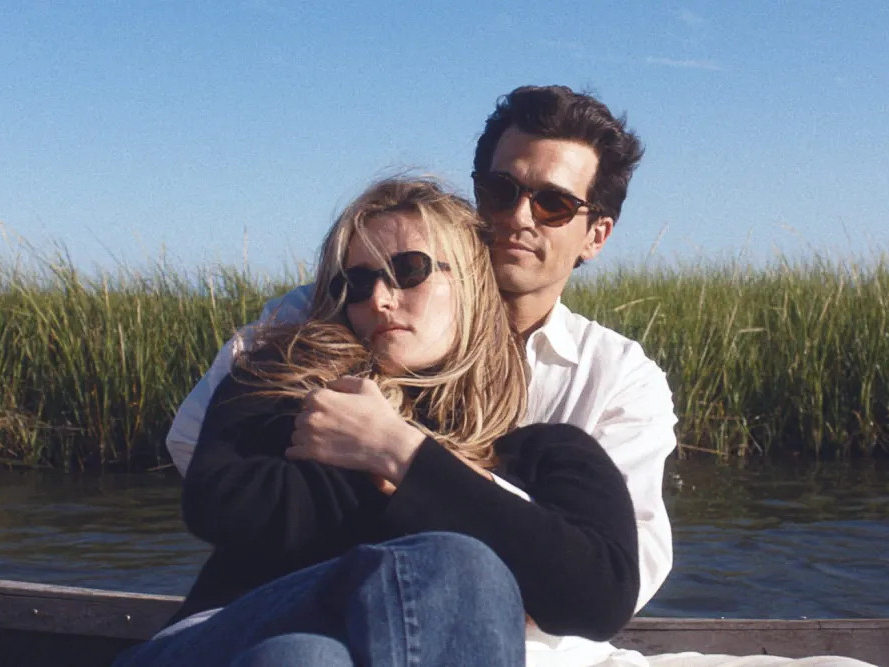
As aforementioned, the two started off at odds with each other under the spotlight on the ice, and explored their sexuality behind closed doors. The show starts with the players meeting before their rookie season. It goes on to cover the course of their careers and romantic journey together from late 2008 to mid 2017. They slowly transition from simply having sex, to a brief stint with each of them being involved with women, (Rozanov mainly just sleeping around and Hollander spending some time more seriously dating a famous actress) to finally admitting their feelings for each other and trying to see if they can make it work, even if it would need to remain a secret.
Many fans felt for Hollander and Rozanov not only for the aspects of the romantic journey we all feel at some point in our lives (trying to navigate the minefield of sex and love), but also for the queer representation and the truly lifelike forbidden romance. This heartwrenching story, occurring in the five to six hours of the first season, is truly something that is not only enrapturing to watch on the screen, but has also had inordinate effects on the historically homophobic world of professional hockey.
Jesse Kortuem, a professional hockey player who had to take a step out of the spotlight due to the clash between his hockey career and his sexuality, recently came out as gay and cited inspiration from the show in helping him do so. He isn’t the only one who is facing the seeming incompatibility of their identity and their sport. “I know many closeted and gay men in the hockey world are being hit hard by ‘Heated Rivalry’’s success. Never in my life did I think something so positive and loving could come from such a masculine sport,” Kortuem expressed in an interview with Out Magazine.
Despite all of the good that has come from this show, I do have two critiques: one for the writer and one for the audience.
I feel very strongly that this story was as powerful as it ended up being because of the fact that the sport of choice was hockey. At the time of its release, there were no openly LGBTQ+ members within the NHL. However, I think that in writing this story not as a more serious reflection on why players feel they can’t come out, but as a romanticization, Rachel Reid, the author, diminished the real turmoil that actual queer people feel every day.
This combines with my critique of the fans. Hockey is not just a sport people watch to ogle the players for being occasionally hot; it has been a cultural institution for over 100 years. Not every fan is watching the sport because of this show, and that should be respected, just as those who started watching for the show should be respected by longtime fans as well.
However, fans who have just started watching hockey due to the show are more likely to romanticize the players and act inappropriately towards them. I think the message, which has been pushed through the NHL and also the show, is to be respectful of everyone and understand that there would be no show, no romance, without the real people who play this game every single day.
This show has the opportunity to create real change and has even started down that path already. The message that has to remain is clear: stay respectful and keep supporting.