














































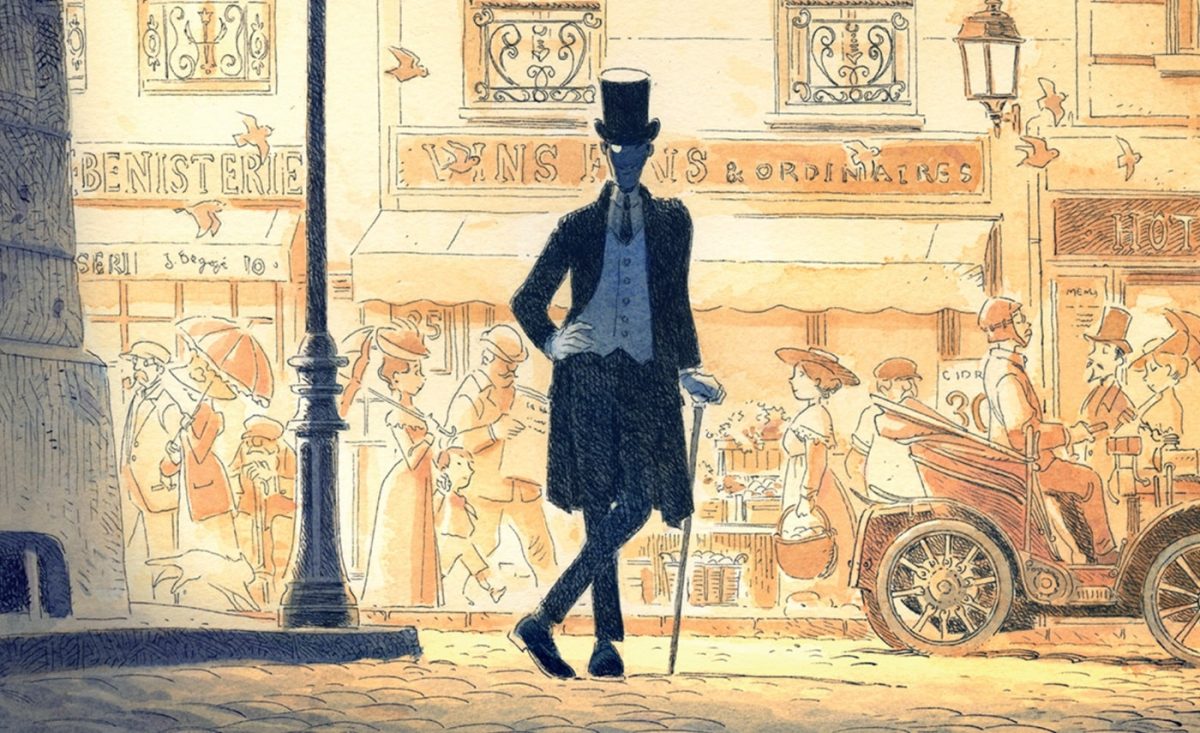













































































































In the age of Reddit intellectuals and X (formerly Twitter) rage-baiters, I couldn’t help but connect the dots of today’s anonymous educated society to the unnamed narrator of Fyodor Dostoevsky’s 1864 masterpiece novella “Notes from Underground.” In his novella, Dostoevsky paints an absurd portrait of an eternal archetype still seen online today: the asocial, educated egoist.
“Notes from Underground” is broken into two parts. Part one (labelled “Underground”) is a manifesto of sorts, written during the narrator’s time “underground” and away from society. It details the narrator’s anti-reason and pro-suffering mentality among many other things. Though occasionally tedious and always ridiculous, “Underground” serves less as a coherent philosophical practice and more as a transcription of the inner workings of a faux-intellectual’s mind.
Part two (labelled “Apropos of the Wet Snow”) acts as a chronicle of events prior to the transcribing of “Underground.” These events, which include a hilariously petty attempt to bump into a police officer on the street, a dysfunctional dinner party and a lecture to a prostitute on the true nature of love, serve to highlight how pathetic the narrator truly is. Every small infraction on his ego, whether intellectual or status-related, is equivalent to a punch in the face. One particularly funny moment is a series of blows dealt by the narrator’s elderly servant, Apollon, which mainly consist of him simply existing as a quiet worker and staring at the narrator. With every blank stare, the narrator spirals deeper into a self-conscious whirlwind of humiliation, mainly because the stare serves as an act of defiance against the narrator’s weak attempts at control.
The best moment of the novel comes in the final page when the narrator claims he does not wish to write anymore from “the Underground,” followed by an ellipsis. Below is a note from Dostoevsky to the reader explaining that the narrator couldn’t help but keep writing, but that Dostoevsky will end the book, since it “seems like a good place to stop.” By cutting off the narrator, Dostoevsky gets the last laugh, committing what may be the heaviest blow to the narrator’s ego in the whole book: Dostoevsky shuts the narrator up.
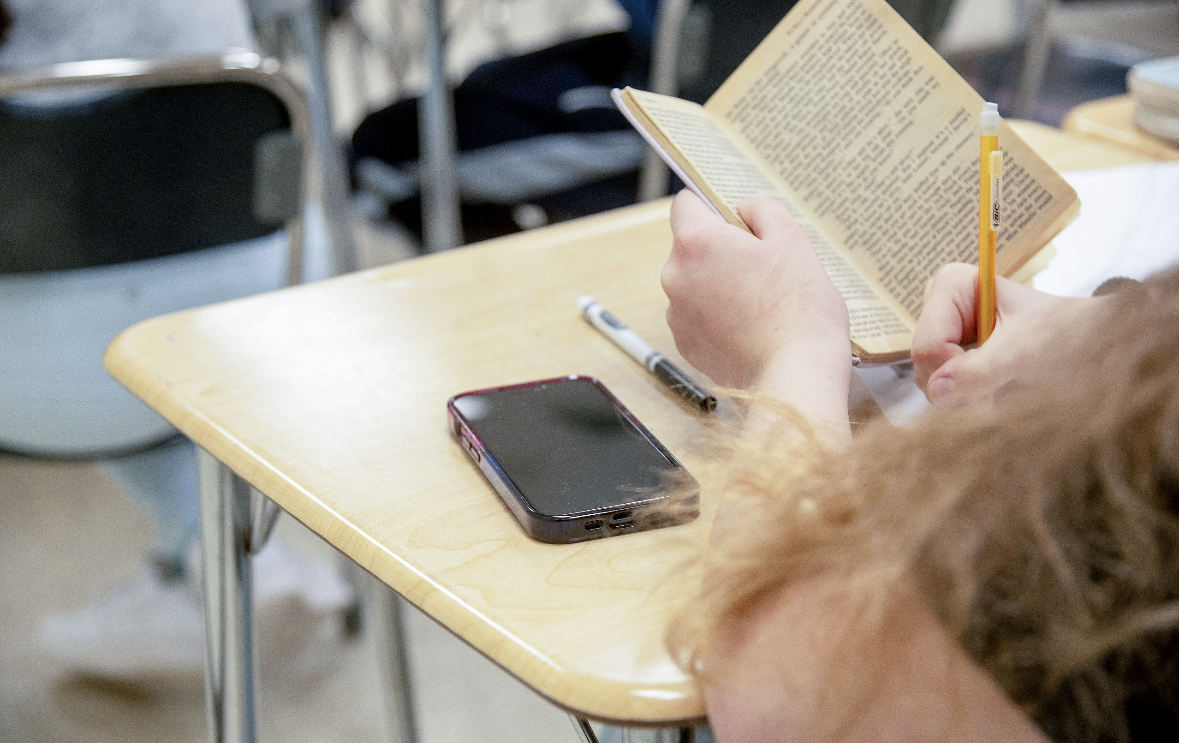
In the two sections, Dostoevsky paints a pitiful, though darkly comedic, picture of the male intellectual-narcissist. Though difficult to read at times due to how embarrassing the narrator’s attempts to appeal his intelligence to the reader are, I couldn’t put the novella down. On every page I saw something familiar; the narrator is replicated everywhere in 2026. Just open X for five minutes and you’ll see it in every comment section. In the ill-informed posts about world issues that cite studies that do not exist. In the political commentators who pull false statistics from thin air to prove their point. In college classrooms, where the students try to prove their knowledge to the professor, and where the professor demands that he be called “Doctor.”
This intellectual narcissism, which protects the pride of the one spouting off their thoughts at all costs, is as much a virus in 2026 as it seems to have been in 1864, when Dostoevsky wrote his novella. Rather than engaging in intellectual dialogue we try to flaunt our own intelligence by referencing other thinkers, much like the narrator’s frequent invocations of writers and artists like Rousseau or George Sand. Do these quotations and references mean anything to the narrator? Of course not; they serve as proof that the narrator is “educated.” And more frequently than not, they mean nothing to the ones quoting them in 2026. They serve as bulwarks for our intellectual egos.
The true brilliance of the novel is in the final page, where Dostoevsky provides the antidote to this sickness. Just like Dostoevsky himself does to the narrator, the way to solve this issue is to simply cut this intellectual ego out. Dostoevsky literally interjects the novel, calling out the narrator as “paradoxical,” and in just a few lines, puts a stop to the narrator’s nonsense. Dostoevsky forces the reader to close the book on the narrator, making the reader ignore the narrator’s prideful ramblings.
Maybe we need an outside source to hit the brakes on our egos like how Dostoevsky pushed himself into the narrative to halt the narrator’s absurdity. Or we can act as our own “Dostoevskys” and remove ourselves from our pride, allowing intellectual and personal challenge without being wounded. To do that, we can’t hole ourselves away in an anti-social haven for protection. We need to escape our keyboards and anonymous accounts. We need to confront others honestly and openly with a degree of humility. The narrator of “Notes from Underground” could easily be replaced with an unnamed Instagram account; so take a note from this masterwork, and let yourself be challenged.