













































































































































































Today, supermarket chains and the constantly rising rent have slowly muscled out nearly all of the small, independent grocers that once defined New York City neighborhoods. What remains now is a narrow middle ground: bodegas built for efficiency and survival, larger chains such as Trader Joe’s and Stop & Shop and the gourmet shops offering a carefully limited range of specialities. The concept of a neighborhood grocer, as we know it in 2026, is gone.
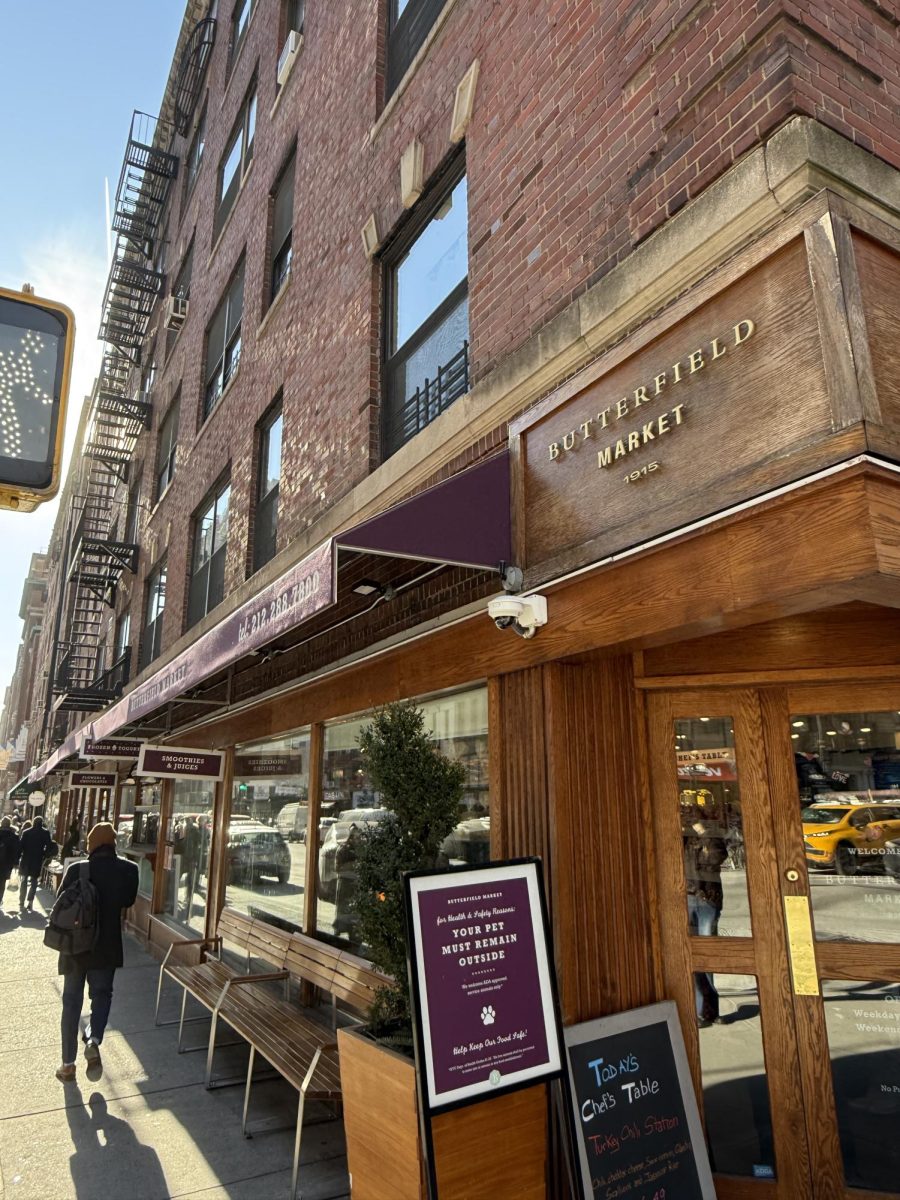
Located in two spots on the Upper East Side of Manhattan, Butterfield Market was founded in 1915 and has since built a community-centered reputation for personal service and exceptional food. Long known for delivering to New York City families of the highest degree, it has grown to become a four-generation owned and operated grocery store that holds onto the comfort of simpler days. As shoppers browse premium cheeses and prepare meals to the sound of Mozart rather than pop hits, the question becomes less about tradition and more about relevance: In a city shaped by scale, speed and price, can a luxury neighborhood grocery still justify having a place?
Unlike larger chains, Butterfield does not overwhelm shoppers with endless options. Their selection is more deliberate: to serve shoppers with the highest quality of foods that are fresh and enticing. Many products are sourced from outside New York, with Vermont, Connecticut and New Hampshire appearing frequently on labels and packaging. Brands like Vermont Creamery and Jasper Hill make monthly deliveries to the store in support of small artisanal food producers and to give customers the finest products from around the world. Pete, the monthly delivery man from Vermont Creamery, “[comes] monthly like clockwork,” and hopes he is “a familiar face for customers so they can connect the store and their food to the farms they’re coming from,” like the cheeses offered at Butterfield.
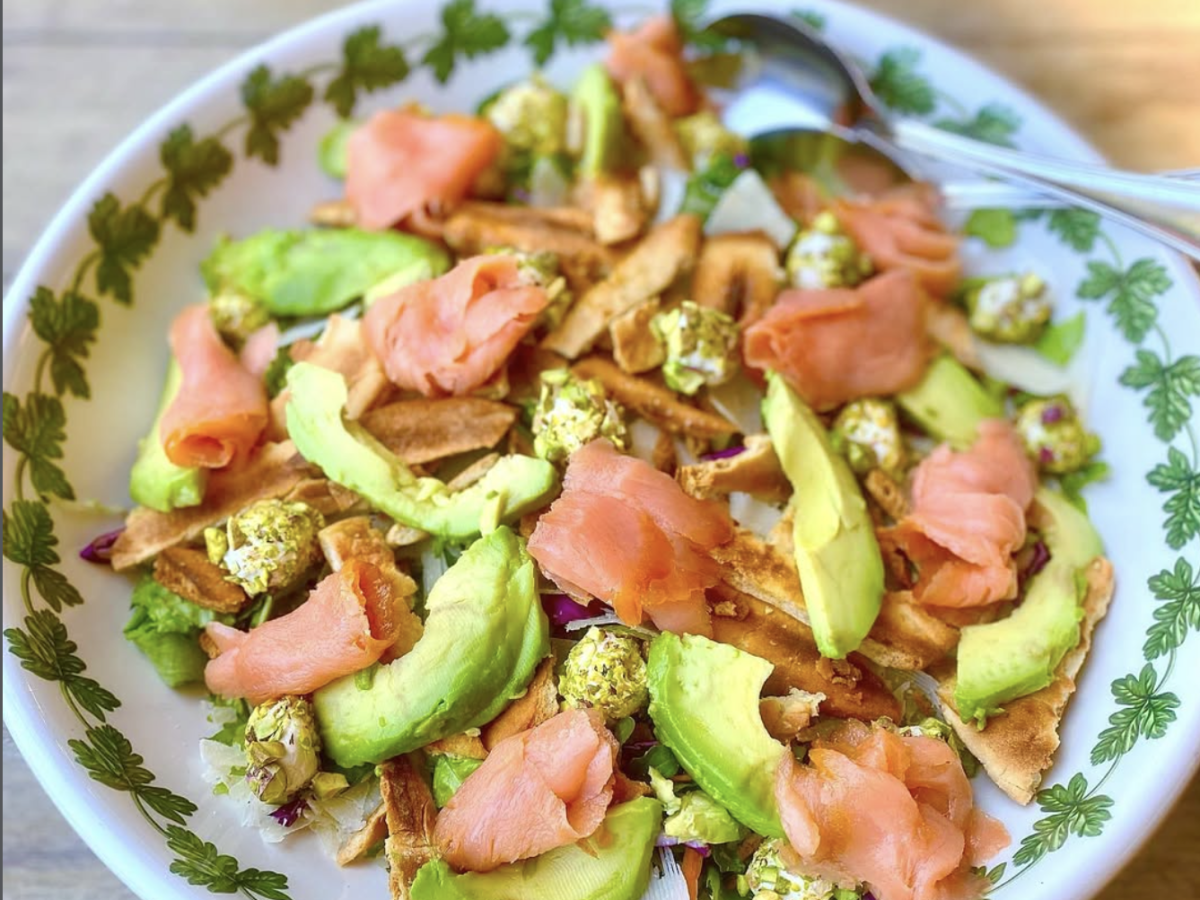
Being located in a city where making multiple home-cooked meals a day is next to impossible, Butterfield Market has focused on having a freshly prepared food section that makes a midday office lunch taste like a five-star meal. From a beloved chicken caesar salad wrap to their famous egg salad and skillet chicken to fresh sushi made daily, the selection reflects their values of both care and consistency. Behind the counter, customers can watch the sushi rolls being made in real time, reinforcing the sense of freshness and craftsmanship that sets the market apart. Everything is prepared in house, giving busy New Yorkers a dependable place to grab something satisfyingly delicious without slowing down.
However, even the most elegant of grocery stores like Butterfield end the shopping experience in the same way: the receipt. Here is where the store’s luxury identity becomes impossible to ignore. Arethusa Farm Ice Cream have pints go for a grand total of $12 when they can be purchased for half the price in their flagship store in Litchfield, Connecticut. A small package of dried mango is priced at $9, a figure that almost demands comparison to stores like Trader Joe’s where they are $4.99. Pricing introduces another issue: While some items are clearly marked, others appear with little or no visible pricing at all, creating unease for shoppers accustomed to knowing the cost before committing. For college students especially, this can make the experience feel less like grocery shopping and more like economic calculation where there is an internal debate over what is worth their money.
For college students, grocery shopping often feels new and strangely exciting — the first time choosing food without parents and deciding what snacks and meals you want to have without anyone stopping you. At the same time, it can be overwhelming, especially for those trying to maintain balanced meals while adjusting to life away from home. With its prepared foods and carefully sourced options, Butterfield Market offers students a way to eat clean that is not the dining hall or making food themselves. Still, the price limits how often students can participate in having high quality food, leading them to Trader Joe’s Soup Dumplings instead of Butterfield Market’s $34 equivalent.
In one clear way, Butterfield Market is very different from a typical grocery store. It is not built around affordability, nor does it attempt to compete with the routines of traditional supermarkets. With over 250 employees across both stores, many of whom have been there for 25 years or more, Butterfield Market fosters a rare sense of community, as staff know regulars by name. For students, office workers and longtime neighborhood residents alike, Butterfield Market offers a lot more than groceries; it allows shoppers to slow down, choose thoughtfully and connect food with people and a tradition of quality and care, making each visit an experience and not just an errand.