













































































































































































Even if you were living in exile, news of superstar songwriter Taylor Swift’s engagement to football star Travis Kelce would have found you. Swift and Kelce both took to Instagram, posting photos of a flower-filled proposal with the caption: “Your English teacher and P.E. teacher are getting married.” Naturally, the internet erupted in equal parts celebration and think-pieces. But among the noise was one recurring take: Could one of the world’s most famous billionaires honestly compare herself to one of the most notoriously underpaid professions?
That moment captures the paradox of Swift. For nearly 20 years, she has translated ordinary emotions (first crushes, heartbreak and self-doubt, for example) into songs that feel universal. At the same time, she has built an empire that places her in the highest tier of global wealth. Last fall, Forbes declared her a billionaire, cementing her not just as a cultural figure but as an economic one. She is both the songwriter who makes fans feel seen and the executive who shapes the industry around her.
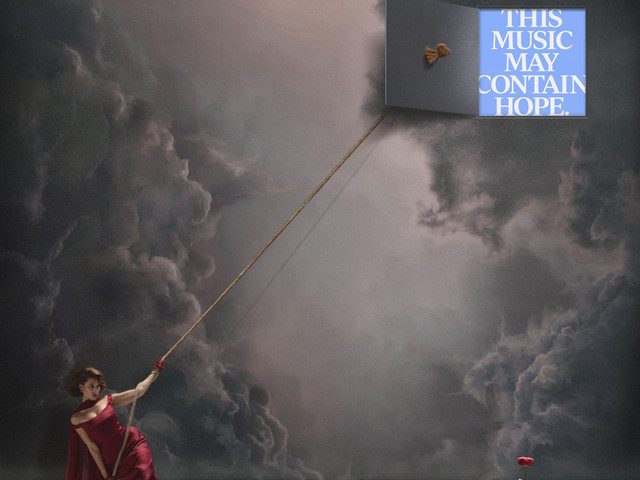
Her upcoming album, “The Life of a Showgirl,” reflects that dual role. Alongside the music, fans are met with a dizzying number of vinyl editions: retailer exclusives, color variants and collectible covers. For some, this is part of the joy of being a fan, an immersive way to engage with her world. For others, it raises sharper questions about how art and commerce now coexist. Buying an album is no longer just about the songs; it is about participating in a cultural economy where fandom and consumerism are tightly bound.
Swift’s billionaire status also complicates the way we talk about her artistry. On one hand, it is the ultimate symbol of her success: proof that a woman who wrote songs in her bedroom can rewrite the industry’s rules, and own the master recordings of her music outright. On the other hand, it places her in the same category as tech moguls and hedge fund executives, figures who often feel far removed from everyday life. That contrast can be jarring.
Fans want to see her as the narrator of their own experiences, but it is harder to square that image with the reality of someone who can sell out stadiums in minutes and whose net worth rivals small nations. This doesn’t make her work less meaningful, but it does change the cultural frame through which we interpret it.
Despite all this, people will still buy in because Swift represents something larger than the products she sells. She embodies the idea that it is possible to be both extraordinary and relatable, both a global brand and a familiar voice in your headphones. That is why an engagement caption can spark laughter and critique, and a vinyl release can feel like a personal gift and a corporate rollout.
Being a “Swiftie” in 2025 means accepting these contradictions. She is an artist, a businesswoman, a fiancée and a billionaire, all at once. To engage with her work is to recognize the cultural weight of someone who shapes the music industry and the way we think about celebrity itself. This is not just an album title. It is also a reminder of what it means to perform and to profit on the world’s biggest stage.