

































































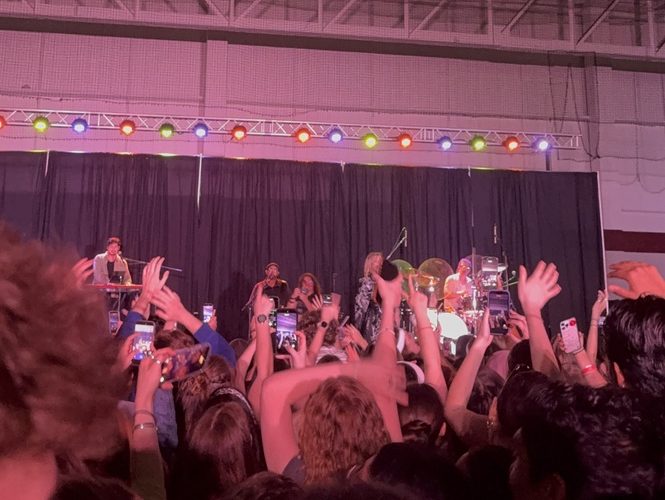



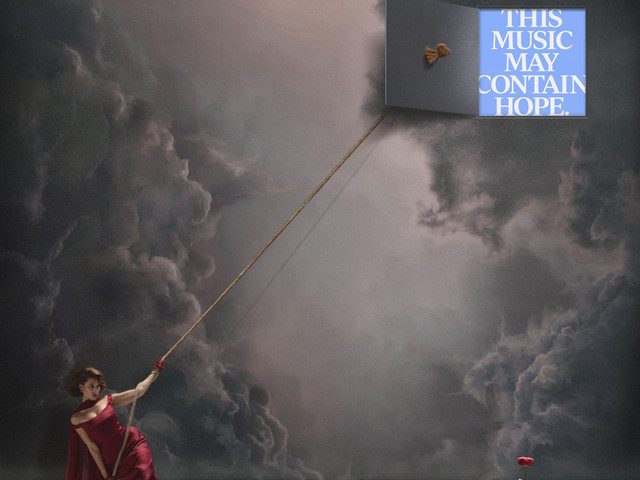















































































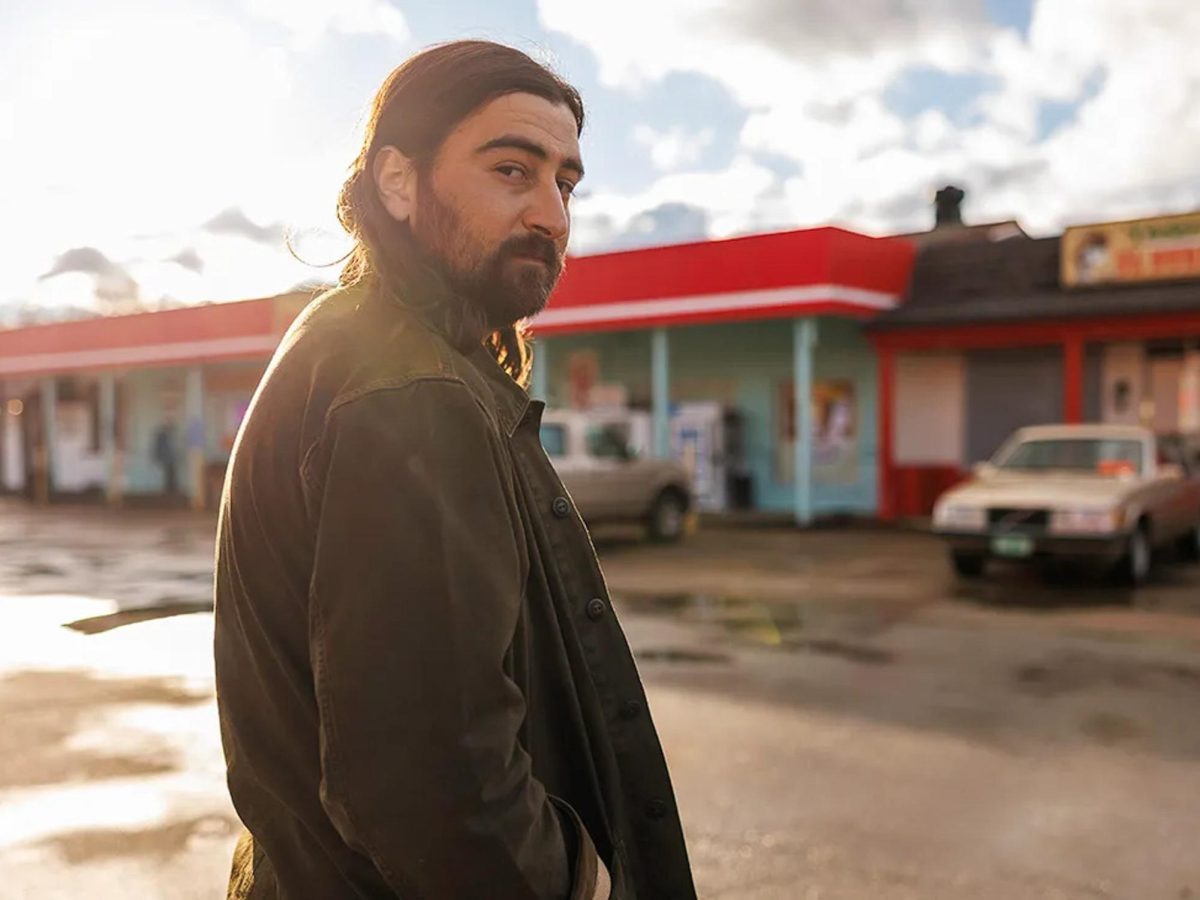
As an avid fan of Noah Kahan and his music, I had already heard the song that is now known as “The Great Divide” before its official release, which he performed live in concert. Even so, being able to finally hear the song clearly and in its finished form has only increased my appreciation for it. “The Great Divide” is one of those songs that feels emotionally familiar the moment it begins, almost as if it has been sitting quietly in your chest long before you had the language to identify it. From the opening moments, Kahan leans into what he does best: writing about distance not merely as physical space, but as a slow emotional drift between people who once knew everything about each other.
At its core, the song is about separation and self-reckoning. There is a quiet bitterness running throughout, though it never turns into anger. Instead, the tone is one of resignation and reflection. Kahan does not dramatize the divide he sings about; he observes it with a sense of weary honesty. This restraint is what gives the song its emotional power. Rather than framing distance as a sudden rupture, “The Great Divide” suggests that separation often happens gradually, built through missed opportunities, unspoken needs and emotional hesitation.
One set of lyrics that stands out most is, “I hope you threw a brick right into that stained glass, / I hope you’re with someone who isn’t scared to ask.” These lines capture the complicated mix of resentment and reluctant care that defines the song. The imagery of stained glass is especially striking. Stained glass often represents something sacred, beautiful and carefully preserved. Wanting it shattered implies a desire to break through appearances and false sanctity, even if it means destruction. The second line reveals a painful self-awareness: a hope that the other person finds someone emotionally braver, someone willing to ask the questions he could not. Rather than placing blame, Kahan turns inward, acknowledging his own limitations with honesty and regret.
Musically, “The Great Divide” mirrors its emotional themes through restraint. The production is subtle and understated, never overpowering the lyrics. This allows Kahan’s voice to remain at the center of the song, carrying its emotional weight with clarity and intimacy. His delivery feels conversational, almost confessional, as if he is thinking out loud rather than performing for listeners. The simplicity of the instrumentation reinforces the song’s reflective nature, giving listeners space to absorb both the lyrics and the emotions behind them.
The song also fits seamlessly into Kahan’s broader body of work, which frequently explores themes of home, loss, identity and emotional distance. Like many of his songs, “The Great Divide” exists in the quiet spaces between people — where relationships are neither fully broken nor fully intact. It reflects the tension of wanting connection while recognizing that timing, growth or emotional readiness may stand in the way of achieving that.
Ultimately, “The Great Divide” is not about closure. It is about acknowledging distance and learning how to live with what cannot be repaired. It captures the experience of wanting someone to receive what you were unable to give them, even if that realization comes with discomfort. Painful, honest and deeply human, the song exemplifies Kahan’s ability to transform personal reflection into something universally resonant. In sitting with unresolved feelings rather than resolving them, “The Great Divide” reminds listeners that sometimes understanding matters more than finding answers.

