











































































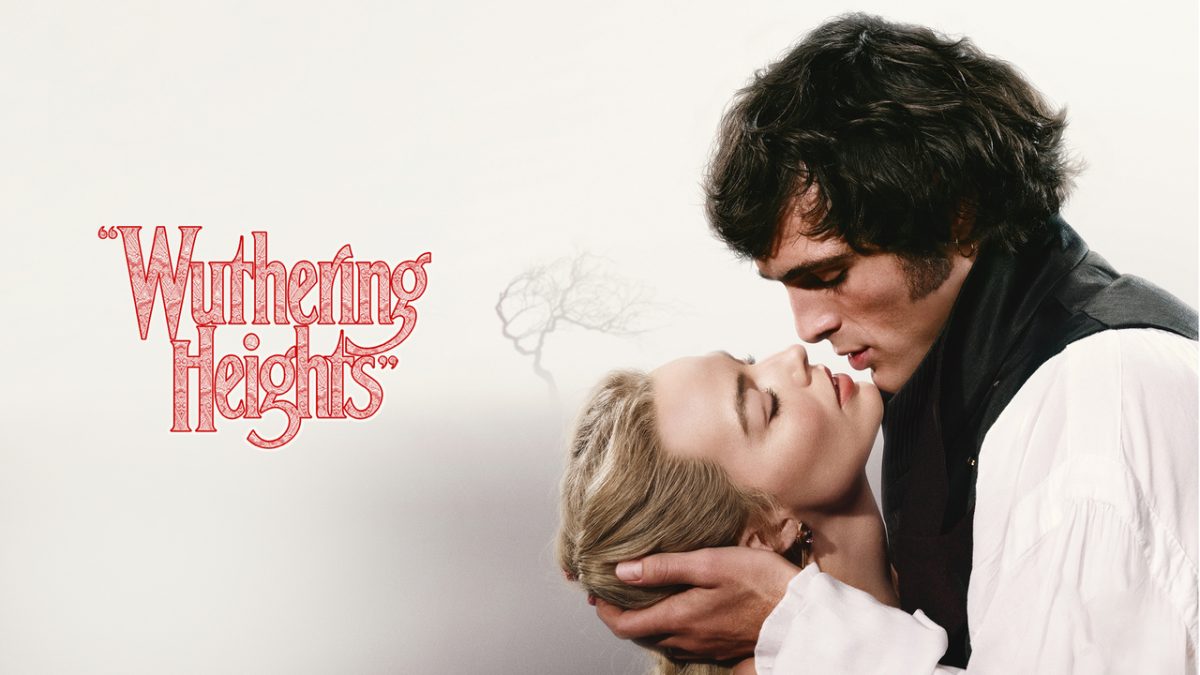
“Wuthering Heights” has always carried a notable reputation, beginning with Emily Brontë’s original novel, known for being dark, emotionally relentless and uneasily interpreted. Emerald Fennell’s 2026 film adaptation of “Wuthering Heights” is not “Wuthering Heights” in the traditional literary sense, the book constrained by side notes and fidelity standards, but rather a completely fresh film adaptation that appropriates Brontë’s language, characters and emotional structure while transforming them into something wholly original.
It was unavoidable to be skeptical going into the movie. Concerns regarding if this adaptation would deviate too much from the original were raised long before it was released due to debates regarding casting decisions, stylistic changes and tonal differences. Readers who were devoted to Brontë’s book, particularly those who were aware of its moral difficulty and psychological depth, feared not just change, but reduction. However, the film is a purposeful reworking that views “Wuthering Heights” more as a sensation to be transmitted than as a storyline to be maintained.
Instead of using the novel as a script, Fennell’s adaptation uses it as a basis. The moors, the intensity of desire and the volatile relationships are all familiar, but they are seen through a more intense emotional and visual perspective. Wind, flesh, quiet, excess — this is “Wuthering Heights” reframed as atmosphere. The movie plays on the notion that the story has always been more about extremes — of love, hate, desire and self-destruction — than it has ever been about narrative accuracy.
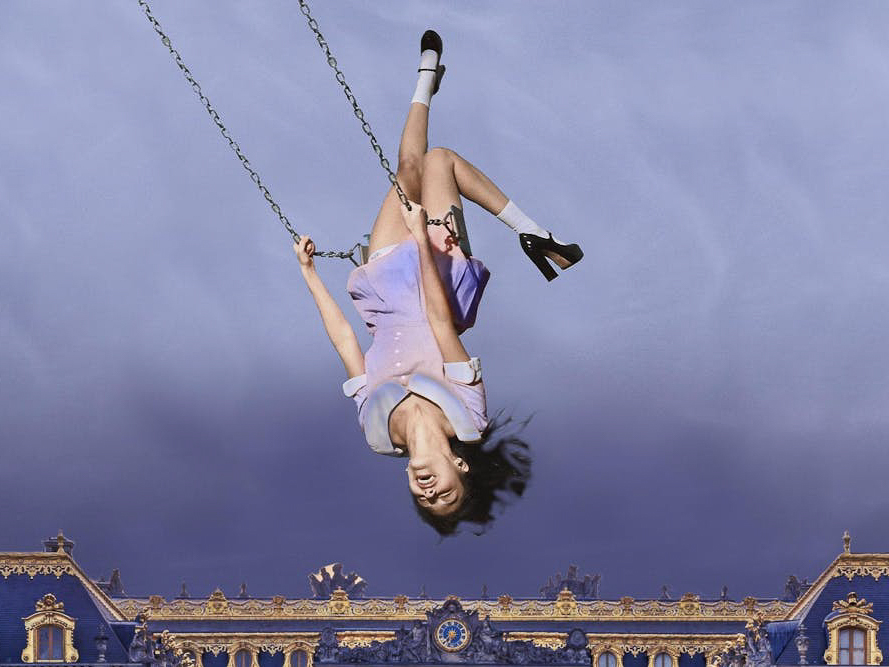
The adaptation’s knowledge of what it is changing, rather than its fidelity to the original, is what makes it so engaging. The movie welcomes contemporary sensibilities rather than acting as though it is oblivious to them. There are times when the pace, framing and costume design deviate from precise historical accuracy, giving the drama a sense of temporal suspension. Purists would find these decisions deeply unsettling, but they also give the movie a sense of purpose rather than recklessness. As a result, although hinting at a 19th century beginning, the novel seems emotionally modern.
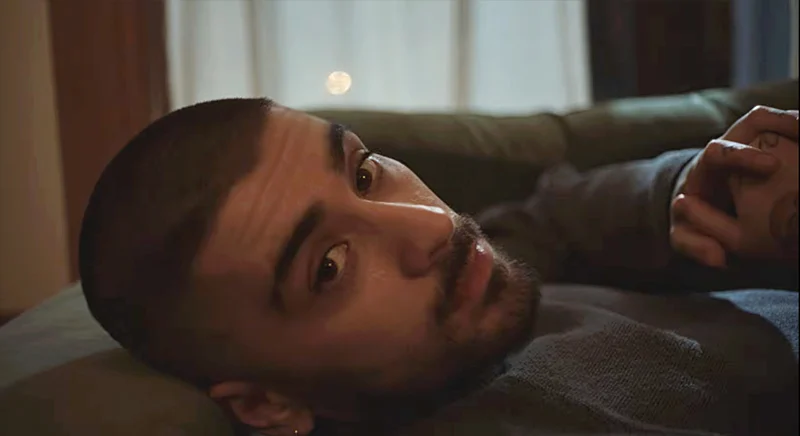
This reinterpretation is grounded in large part by performances. The main protagonists are depicted with physicality and intensity, prioritizing love above reflection. This makes the interactions feel real and intense, even when it occasionally compromises the novel’s more subdued psychological tensions. Even when the narrative makes changes, the emotional stakes remain evident, enabling viewers who are not familiar with the novel to participate without requiring textual background.
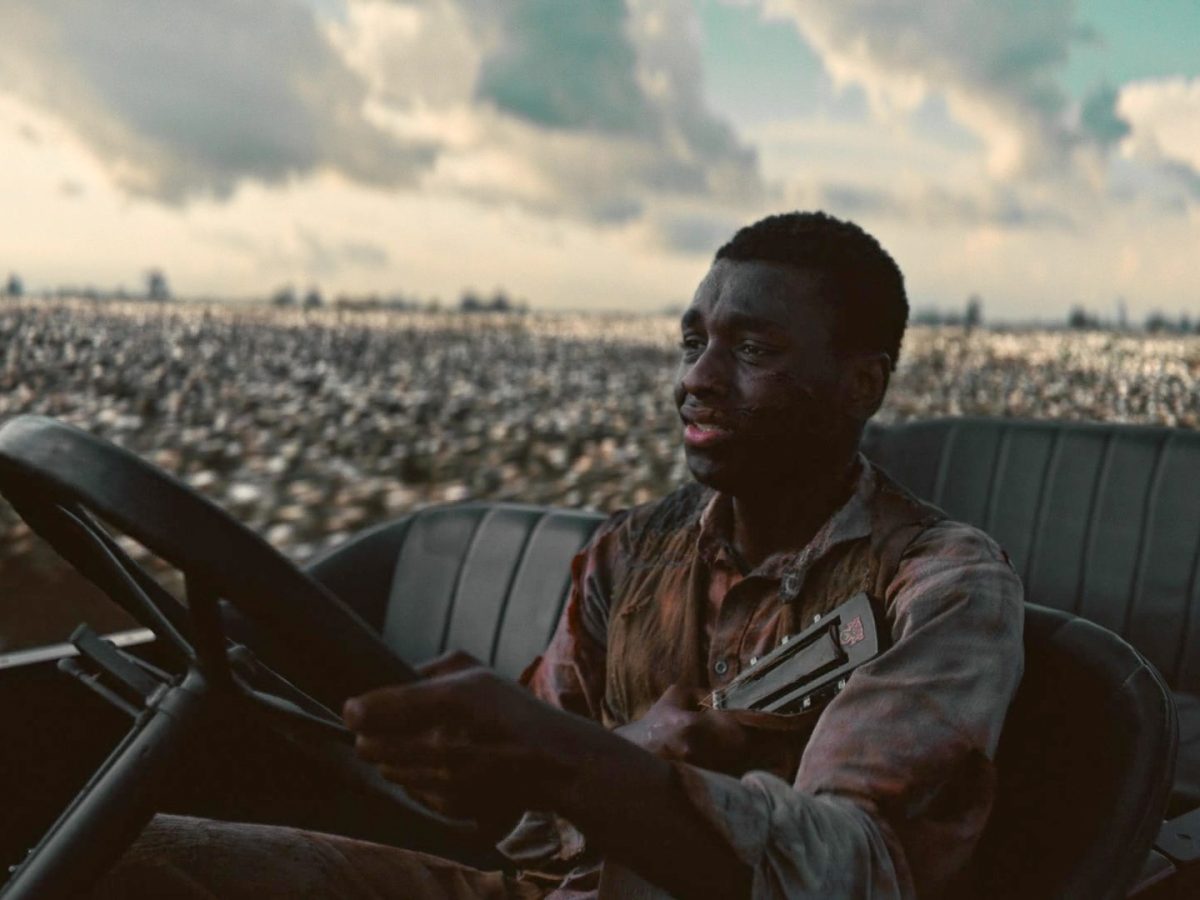
The cinematography of the film is unquestionably stunning. The untamed, lonely and emotionally-charged nature of the surroundings is further supported by the scenery, which is both brutal and lovely in equal measure. Even when the adaptation deviates from the original novel, it does so with assurance and consistency, which serves to explain the film’s deviations. The story’s devastating attraction is reflected in the beauty, which is thematic rather than decorative.
In finality, “‘Wuthering Heights’” is an adaptation that encourages discussion with the book rather than attempting to replace it. It offers an interpretation influenced by contemporary cinema, current discussions and a willingness to take chances, existing alongside Brontë’s text rather than in support of it. Although early suspicion is reasonable, if not justified, the movie demonstrates that change does not always equate to treachery or betrayal to the original text.
“Wuthering Heights” 2026 is a daring, flawed and startling version that recognizes the original’s strength while daring to change it, producing something surprisingly captivating in the process.