




















































































































National Vocations Awareness Week is Nov.2-8, the Catholic Church’s celebration of vocations to the priesthood, diaconate and consecrated life. “Vocation” is a term referring to God’s calling to a specific way of life: A person’s vocation can come in any form, from pursuing a certain career to becoming a priest. The priesthood, especially religious orders such as the Jesuits, has seen a significant decline in new members. Due to the decline in vocational interest, Catholic institutions, especially schools, have suffered. The decline has been gradual, yet steady. The disinvestment from vocational and religious life can be seen at Fordham in the Graduate School’s absorption of the Graduate School of Religion and Religious Education. Experts attribute the decline in enrollment in Parochial schools to multiple factors, including rising tuition costs.
Even within my own lifetime, the Archdiocese of New York initiated a campaign they called “Making All Things New,” a term that seemed like little more than PR speak for closing schools. Enrollment in Parochial elementary schools has declined, leading to dozens of schools in the Archdiocese of New York City to close or to merge with nearby parishes. The “Making All Things New” initiative began when I was nine-years-old, and even as a child, I could see the impact closures had on their communities. Many schools throughout the city were closed, including multiple in the Bronx. One of the schools, All Hallows High School, had a student body that consisted almost entirely of students of color from working-class families. All Hallows Director of Admissions Orlando Brenes said, “This school is a beacon of hope. To take it all away is heartbreaking.” Failure to serve communities such as the All Hallows parish is a betrayal of parochial schools’ history and values.
Catholic schools have a history of serving as a means of social mobility, especially for Irish and Italian immigrants of the late 19th and early 20th centuries. Catholic schools offered community, education and preservation of the faith that was so important to them. In the 1970s, economic hardships and an increased number of lay-person staff led to increases in tuition, a trend that has continued. Times of economic hardship force families to make difficult decisions, contributing to the decrease in enrollment. Keeping tuition reasonably affordable is a pragmatic goal to strive for: Making Catholic education accessible to more people would solve two problems at once, increasing the sense of community in Catholic schools and parishes, and a possible increased interest in vocations, but I would argue Catholic education is worth investing in regardless.
Some schools, including Holy Cross High School in Queens and Xaverian High School in Brooklyn, have responded by expanding their classes from single-sex to co-ed and investing in new facilities. President of Holy Cross High School, Mark Mongelluzzo, has said, “For Catholic schools to survive, you’ve got to innovate and you’ve got to motivate.”
The closures are a product of multiple factors, including increased secularization, but I would argue that Catholic education offers more than just an explicitly religious experience. For many students, including myself, Catholic schooling has been a central part of their lives. Despite not being the most religious person myself, I greatly appreciate the well-rounded education I have received at Catholic schools, as well as the relationships I have made with teachers and professors. Everyone in my family attended Catholic school, and it has become a significant part of my life and cultural identity.
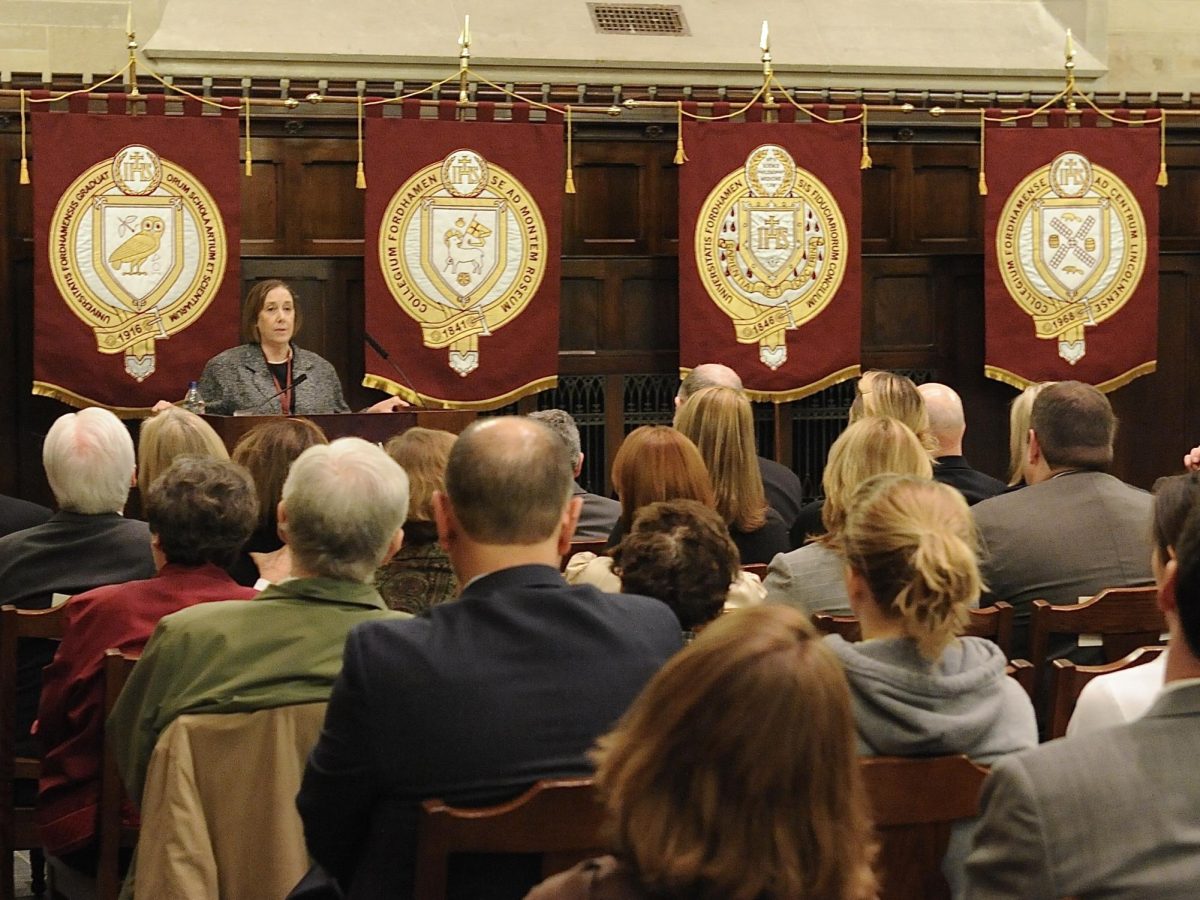
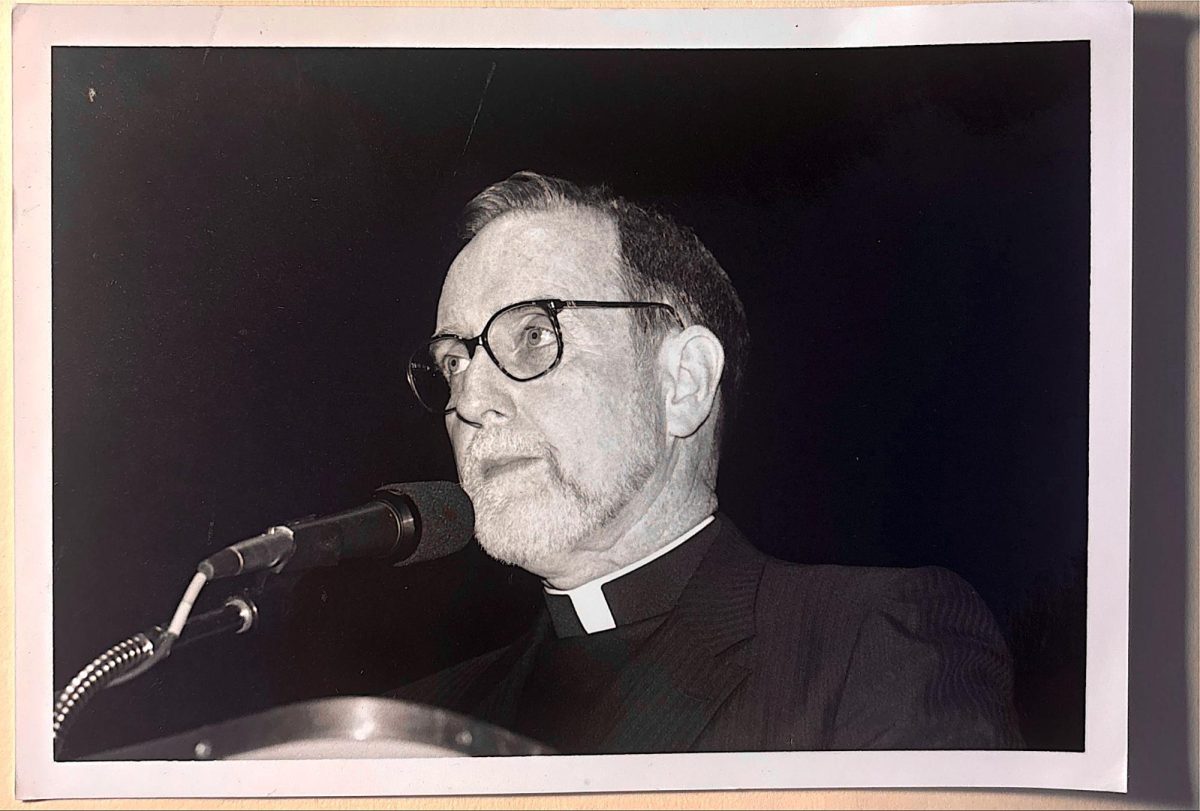
I had the pleasure of interviewing Thomas Massaro, SJ, a Fordham professor of moral theology and a Jesuit priest. Massaro had a similar experience in Catholic schools, attending Regis High School in Manhattan and joining the Jesuits in his early 20s with the support of his family. Massaro joined the Jesuits in the 1980s and witnessed the decrease in membership for decades; however, he retains a sense of hope for the future. Pope Francis, the first Jesuit pope, offered hope for new members, but did not offer the saving grace some had hoped. Massaro is guardedly optimistic, but recognizes the impact of secularization on the church’s role in society. For those who want to hear more, Massaro will host a lecture on the role of secularization in our society, as well as the church’s response to it, on Feb. 25 at the Walsh Library on the Rose Hill campus.
Massaro’s diagnosis for Jesuits is as follows: if we do a good job, we’ll attract people. Massaro also notes that numerical decline is not the only metric of vitality; influence over ministries offers an avenue of hope for Jesuits, who continue to be active in education and service. Catholic education has a lot to offer in the ways it creates community, increases social mobility and fosters strong moral values. However these benefits rely on continued investment in parochial schools and the desire to find innovative solutions to the problems facing them today.
Alana Jones, FCRH ’27, is an English major with a minor in psychology from Manhattan, New York.
