




































































































































Just like how New York City offers numerous opportunities, its dating scene attracts various people, making it challenging to find “the one” to settle down with. Given so many streets to wander, faces to see and places to go, finding “the one” may seem easily serendipitous, and falling in love may seem like a breeze. Yet it is hard to tell if we are going on dates to find the one or if it is just another date to fill one’s schedule.
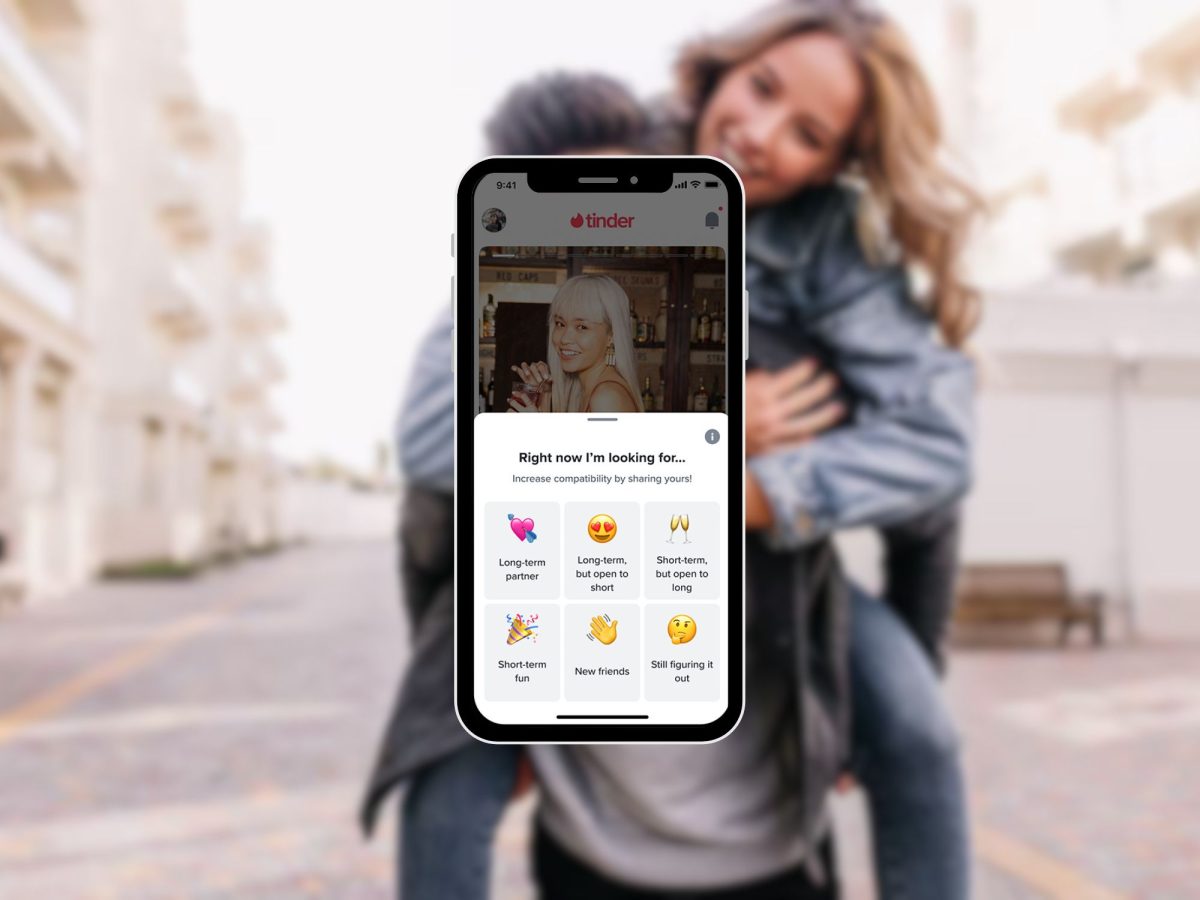
Dating apps became popular around 2012, with Tinder popularizing the swipe-left-or-right matching feature. It felt like a game for users and allowed people to meet others who were seeking a romantic relationship. It was a game-changer, revolutionizing how people normally met.
However, in 2020, dating apps soared as COVID-19 forced us to meet people in other ways, as the world was digitalizing rapidly. In 2020, while the world increasingly turned digital to accommodate the pandemic, Tinder grossed $1.3 billion, up 17% from 2019. During that time, other dating apps like Hinge and Bumble also increased in popularity, further cementing the dating app era.
Since the pandemic began, users who joined these apps during the lockdown have stayed and new users have joined, especially in populous cities like New York City. These companies went further to promote their apps, their ads seen more online and even on subway station walls.
However, despite these marketing tactics, Tinder’s revenue has been declining slowly since 2024. Possibly due to factors such as the app’s users being disproportionately male — 75% identify as male and 24% as female — and that statistics show only 12% of lasting relationships are formed on dating apps.
Circling back to my question: Who are we going on dates with, and what is the purpose of the dates we go on?
I’ve noticed a pattern: Most people are easily dissatisfied and regularly go on dates with the same person. As people mature, high school relationships fade and we tend to move on to the next person as soon as a problem arises, rather than staying with one person.
Men fall in love and showcase their love through their actions. According to a psychological study by Bonobology, the key to men falling in love with someone is their consistent effort to build emotional intimacy.
Living in such a large city, dating apps play a significant role in one’s dating life, even with the numerous opportunities to meet people daily. Hinge, Cuffed, Raya and Tinder all play significant roles in the lives of young Gen Z. But which app is the best? I am not entirely sure, as each person’s dating life is unique. Hinge, for example, appears to be a widely recognized and well-advertised app.
As of 2024, 30 million people use Hinge worldwide. The app makes connecting with prospective partners simple. You can talk to about eight people at a time, swipe left or right, have conversations, follow each other on social media and ghost the person or meet up with them; the choice is yours. On the other hand, apps like Cuffed or Raya are more exclusive, requiring you to know someone on the app in order to create an account and build a social network. For some, this is ideal, as you can only talk to one person at a time and decide whether to meet or stop speaking to them.
At the end of the day, all of these apps have a platform for reviewing the people you connect with. They tend to ask you after a week or so whether you have met this person, whether you would like to continue seeing them or whether you would like to stop. This helps address issues and improves the dating app’s ability to match users together. Like Tinder, Hinge also has a disproportionate gender makeup, with men making up 64% of users and women making up 36%. This same imbalance can be seen in user interactions on the app. Men receive, on average, one match for every 40 likes. Additionally, 52% of men have fewer than one match a day and 13% have fewer than one match a week. On average, men like one out of three profiles on their feed. Comparatively, women receive, on average, one match for every two likes — and they like one out of 16 profiles. These statistics suggest that Hinge is designed for a male audience.
I support this dating style, but despite the large male population on these apps, many women fail to find a partner who checks all her boxes through this dating method. At both the universal and psychological levels, we are aligned with stereotypes perpetuated by the media we consume. In every rom-com you watch, men, or rather filmmakers, seem to know what we as women want and desire, as movies and TV shows often portray the ideal partner. For instance, in “The Notebook,” Ryan Gosling’s character confesses, “I wrote you 365 letters. I wrote you every day for a year” to Rachel McAdams’ character. So why are we still trying to pursue these types of relationships through dating apps with the hope that you will find someone who embodies the characteristics of an ideal partner?
Young dating life can be fun, with or without commitments. We laugh, we cry, we learn from each other and with each date, we discover more of what we do or don’t want in our next relationship. Go out, meet people and spread the love!
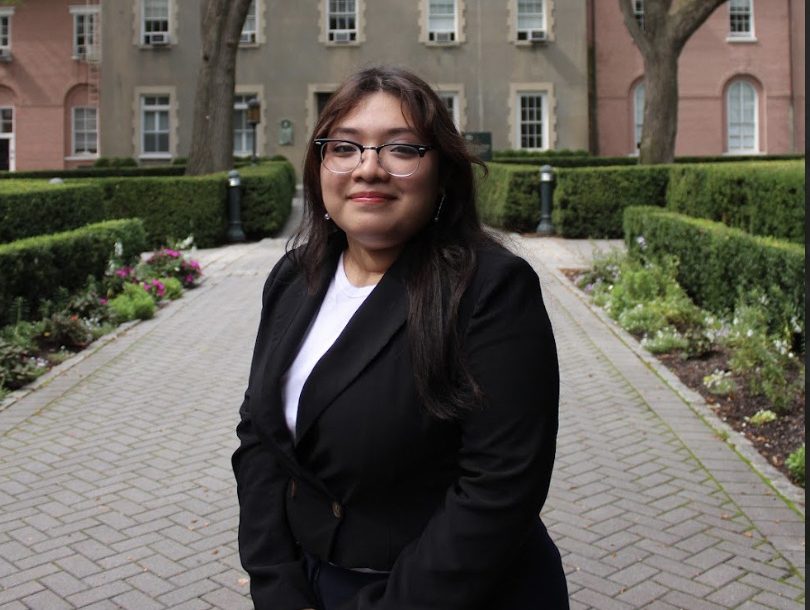
Bridgette Leahy, FCRH ’27, is a journalism major from Basking Ridge, New Jersey.
