






































































































































































































How much is too much? Lately, skincare has been all the rage among Gen Z-ers, especially Korean Skincare and healthy superfoods that help promote skin elasticity and glow. Do the prices of these skincare products speak for the quality, or are they a complete scam?
There are currently YouTube channels in our feeds that review skincare products. You might be familiar with Hyram Yarbro’s channel, which is notorious for reviewing expensive skincare products. Although some of his recommendations are beneficial, how many of them are cost-efficient and realistic for an average college student? Not many.
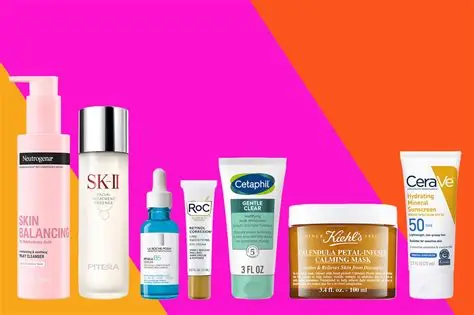
Studies have shown that Americans spend roughly $300 to $500 annually on skincare products alone. That number can climb among consumers who follow a multi-step skincare routine or purchase products from prestigious brands. Walk through T.J.Maxx or scroll online on the TikTok Shop or Amazon, and you will find various products that promote “glass skin,” “vitamin C skin” and “hyaluronic acid.” A simple 12-ounce pharmacy bottle of CeraVe Foaming Facial Cleanser costs around $18, while the Youth to the People’s Kale and Green Tea Spinach superfood cleanser costs nearly $40 for just eight ounces. But are these higher-priced skincare products actually worth it?
The simple answer is sometimes — but not always. It’s important to note when certain products are sufficient to spend more, and when it’s necessary to save and spend on cheaper over-the-counter products. We have to understand that what is “high quality” is not about price alone; high-quality skincare products are defined by evidence-based active ingredients, with few ingredients to preserve the natural effects, stability, concentration and skin compatibility. It’s also essential to know which skin texture you have: dry, sensitive, normal, combination or oily. Low-quality products rely more on cute packaging or buzzwords like “best-seller” and “number one rated” than on ingredient-sufficient formulations that have been proven to work.
To ensure a basic yet effective skin care routine, I recommend beginning with a cleanser. Cleansers are rinsed off the skin after a short period of time, and it’s not worth spending an exorbitant amount of money on something that will be rinsed off your face in 30 seconds. As long as the cleanser effectively removes excess dirt, oil or makeup without stripping the skin barrier, it’s functional.
In addition, moisturizers are a simple yet effective skincare product, especially during the cold winter season. The core function of any moisturizer is to hydrate the skin. With proper hydration, you can achieve the “glass skin” look that many influencers show online. Ingredients usually include hyaluronic acid, shea butter and ceramides. It’s crucial to find a cheap moisturizer because these products don’t contain complex ingredients.
When to spend more can apply in settings where leave-on treatment products are used. Usually, these products contain active ingredients, like vitamin C, retinoids, exfoliating acids or peptides, which require careful formulation to ensure stability. Vitamin C is difficult to formulate because it degrades when exposed to sunlight, air or heat, so higher-end brands often invest more heavily in research to preserve ingredient potency. In this case, a higher price may reflect better formulation rather than just branding.
Speaking of sunlight, sunscreen is another fundamental, thoughtful investment. The sun causes wrinkles; remember that. Always apply sunscreen before leaving your residence, and if you only apply one kind of skincare, I highly recommend sunscreen. Pricing for sunscreen doesn’t matter; what matters most is whether it offers broad-spectrum protection and whether you will actually wear it consistently. Some higher-priced sunscreens can make your skin lighter and leave less of a white cast. Regardless of the price, any sunscreen will do to keep your skin youthful and wrinkle-free!
Not only is skincare prized for its cosmetic benefits, but it is also prized for its overall health benefits. Not taking care of your skin in your early years can lead to skin cancer later in life. In addition, your skin can tell you how healthy your gut is. It’s essential to pay attention to all these little factors of your body.
Furthermore, keep an eye on poorly formulated products that may irritate your skin, disrupt the skin barrier or cause any allergic reactions. Fragrances in everyday “high-quality” skin care products do not equate to luxury. Instead, high-quality skincare means well-tested skincare products for your skin.
Social media plays a pivotal role in shaping skincare habits, which often blur the line between health and aesthetics. While influencer recommendations might be intriguing, they are not always unbiased or particularly effective. Just as with any trend, skincare products will move quickly and most of us will realize which are effective, essential and worth the price.
Ultimately, the best skincare routine is not the most alluring or expensive one — it’s the most intentional. Investing in high-quality treatment products when needed and saving on basic skincare like sunscreen, cleansers and moisturizers are all that consumers need. We are here to balance effectiveness and affordability, not luxury and debt; I think we have enough of the latter as students anyway. Informed choices matter more than price tags.
Bridgette Leahy, FCRH ’27, is a journalism major from Basking Ridge, New Jersey.
