







































































































Growing up as a dancer, before I traded ballet slippers for a swim cap, I learned early on that some art forms don’t just entertain people; they shape how you are meant to understand the discipline, beauty and expression that exist in the world. Going to winter shows like the Radio City Rockettes and “The Nutcracker” was something I looked forward to every year. From a young age, I loved listening to the shows’ music, watching the dancers move across the stage and sitting in a dark theater with a bunch of strangers all absorbing the same story. These experiences have stuck with me.
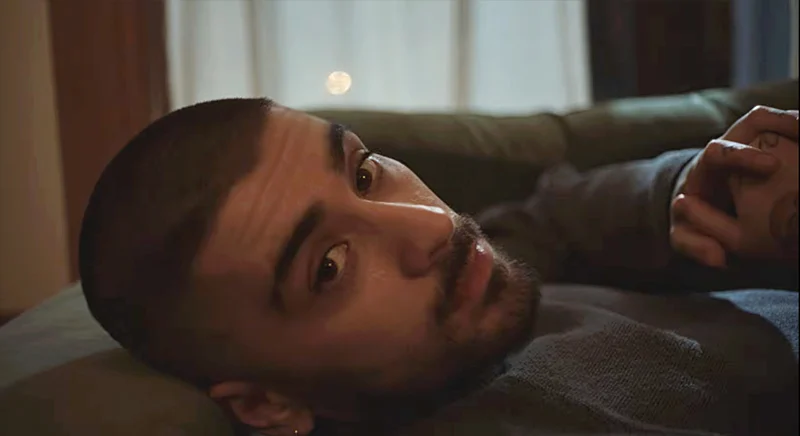
When Timothée Chalamet suggested in a Variety interview that he didn’t want to work in ballet or opera house because “no one cares about this anymore,” it felt both dismissive and an out of touch comment to make.
Chalamet made the comment while speaking with Matthew McConaughy, then joked that Variety might lose “14 cents” in viewership over his remarks. Whether it was intended as humor or not, his comment created a clear implication: ballet and opera are viewed as archaic art forms clinging to relevance in a world that appears to have moved on. Chalamet received immediate backlash from artists and public figures like Misty Copeland, Steven Spielberg, Andrea Bocelli and Whoopi Goldberg, who criticized the statement as reductive and harmful to communities that have spent decades preserving these traditions.
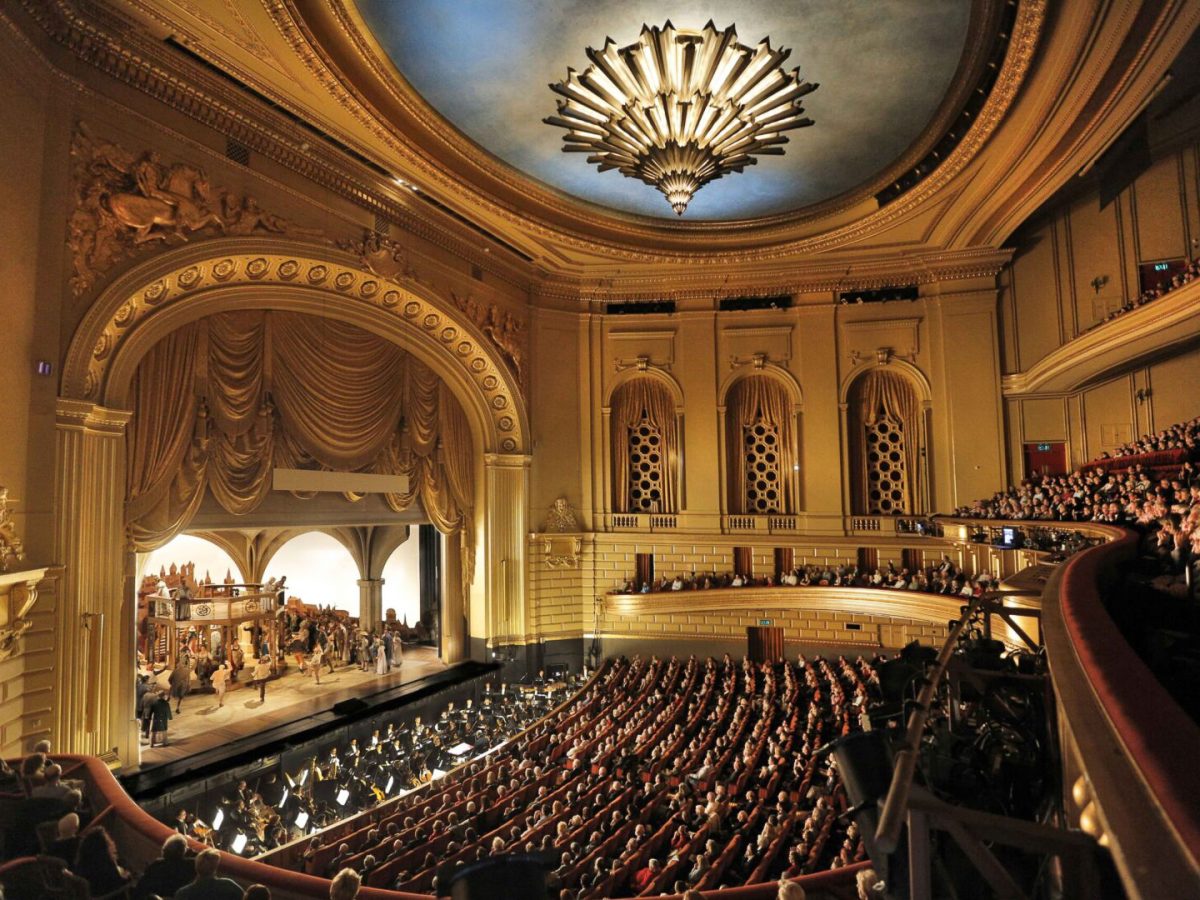
While some people may agree with Chalamet, it is not justifiable to say “no one cares” about ballet and opera, even though he may not be entirely wrong.Because ballet and opera aren’t typically trendy on social media, aren’t always easily digestible, can have high ticket prices that make them exclusive and intimidating dress codes, it’s understandable why someone might say these art forms are “dying.”
However, to say that “no one cares” ignores the reality that thousands of people still dedicate their lives to these art forms. It ignores the packed performances, the sold-out runs and the young dancers and singers training for years in pursuit of something they believe matters. It ignores the work being done to make these arts more accessible and relevant. Institutions like Lincoln Center for the Performing Arts and the Metropolitan Opera made significant efforts to reach wider audiences, offering student tickets, 30 Under 30 prices and live-streamed performances. Companies like the New York City Ballet continue to innovate while preserving tradition, proving that these “old” art forms are still evolving.
At Fordham, we have the opportunity to see firsthand how valuable these experiences can be. In a city that is always defined by constant motion, stepping into a theater can almost feel like an out of body experience. Ballet and opera force you to slow down by demanding your attention in a way that most modern entertainment doesn’t. There are no quick cuts and no scrolling, just movement and music; watching a story unfold in real time. This sort of immersion is rare nowadays, and it is something worth protecting.
More than that, these art forms provide an escape, not in the sense of avoiding reality, but in the sense that it presents a different way to process it. Ballet tells stories without words, relying on physical expression to convey emotion. Opera amplifies the human experience through music, turning even the most ordinary feelings into something unforgettable. In both cases, the audience is invited to feel deeply, to sit with discomfort, joy or sorrow without immediately moving on to the next thing.
If ballet and opera want to survive and thrive, they need to continue breaking down the barriers that have historically limited their reach. This means not only making tickets more affordable but also rethinking how these performances are marketed and who they are for. This could come from embracing diversity and changing original storytelling, but overall realizing tradition doesn’t have to be exclusive.
The responsibility for keeping these art forms alive doesn’t fall on one group alone. Performers, institutions themselves, educators and audiences all play a role. But perhaps most importantly, it requires a shift in mindset. Instead of asking whether ballet and opera are still relevant, we should be asking why we’re so quick to declare them irrelevant in the first place. I joked with my friends that I “miss when Timothée was Timothée and not Timothy” — a half serious comment about how his perspective seemed to change overnight. But underneath that joke is a real frustration with how easily influential voices can shape narratives. When someone with a platform suggests that an art form doesn’t matter, and on the other hand, when their comments inspire nearly every award winner at the Oscars to criticize them, it influences public opinion both negatively and positively.
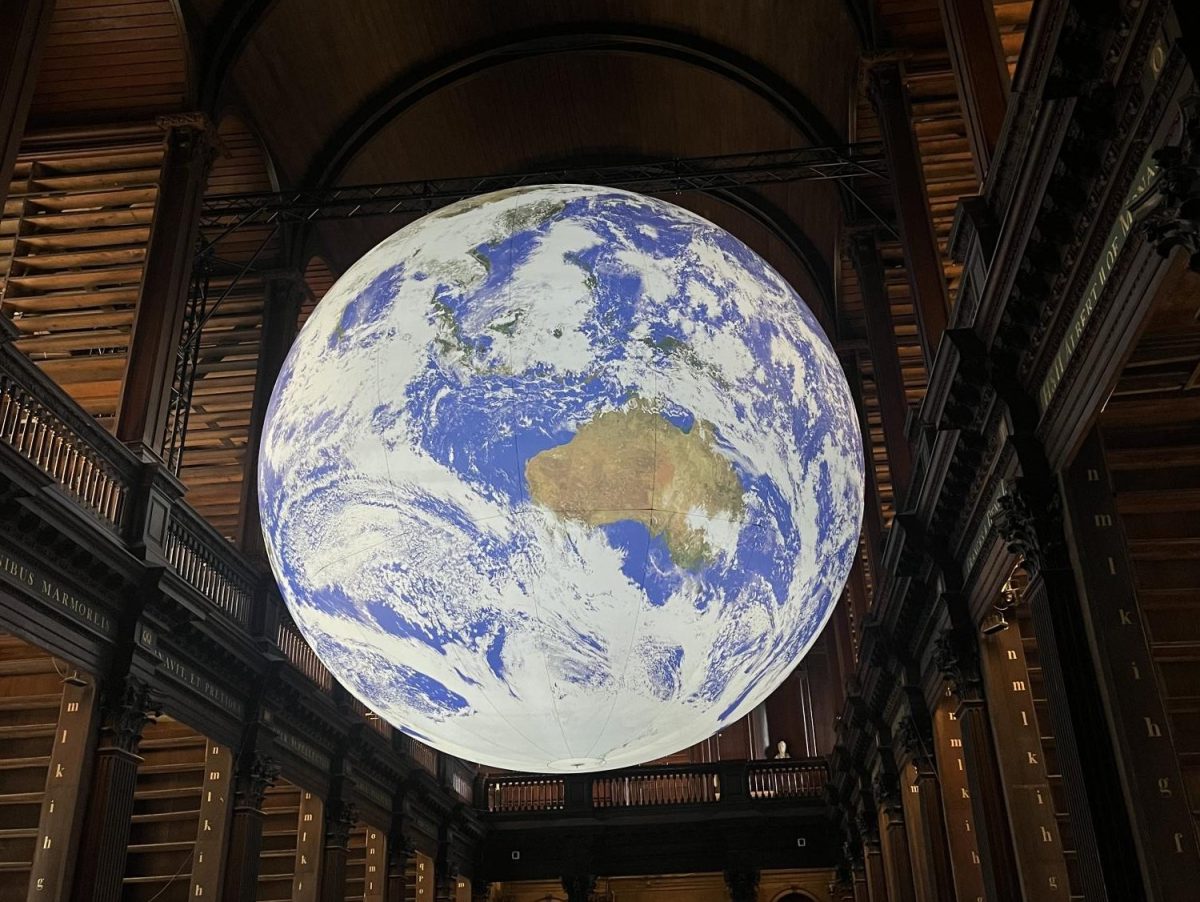
As the saying goes, Earth without art is just “eh.” A world without art, without ballet, without opera, is just “eh.” While ballet and opera may not dominate headlines or social media feeds, their value can’t just be measured in clicks or views. It’s measured in the lasting impact they have on the people who experience them. So no, ballet and opera are not dying, but they do need defending, and this may just start with refusing to accept the idea that “no one cares” — because clearly, many of us still do.
Kelly Buban, FCRH ’29, is a journalism major from Middlebury, Connecticut.