



































































































































Before I began researching colleges in my junior year of high school, I had an image of college classrooms ingrained in my mind: huge lecture halls overfilled with students, and one professor droning on and on. I saw student-to-faculty ratios displayed on each college’s Niche profile. I understood what these numbers meant in theory, but how important could they really be? Apparently, very. While Fordham University’s commitment to smaller class sizes and emphasis on personal growth encourages strong connections between professors and students, it is ultimately up to the students to forge strong connections with their professors.
Fordham places a particular emphasis on the idea of “cura personalis,” or “care for the whole person.” Professors at Fordham truly embrace this approach to teaching.
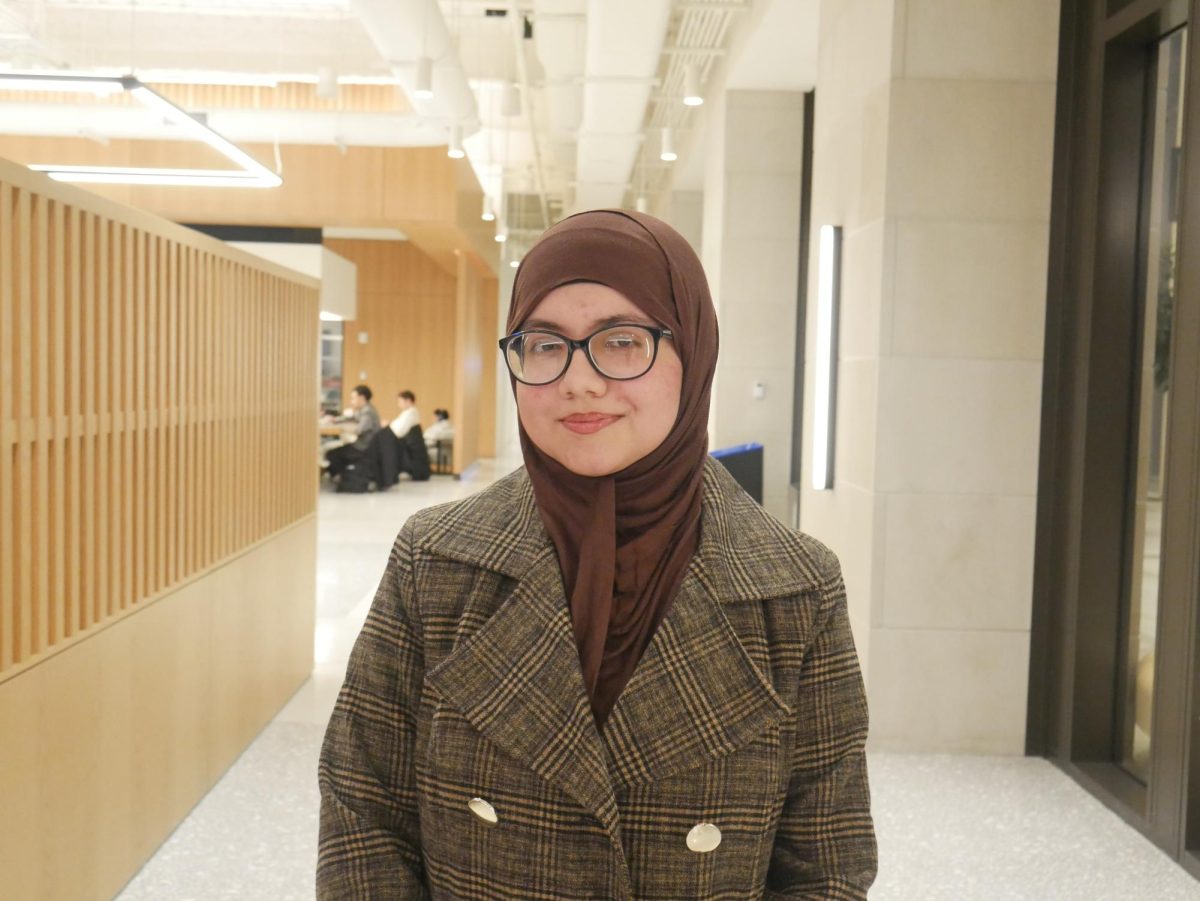
“My Spanish professor forced us to talk to our classmates at the beginning of the semester, and now we all have friends in the class,” said Addison Featherstone, FCLC ’29. “She pushed all of us to make friends in that class, which was particularly helpful at the beginning of the semester, which was my first semester here at Fordham.” I’ve had an experience similar to Featherstone’s. My English professor, Professor Audry Basch, assigns us to random groups during each class, forcing us to work with different students and meet new people.
Fordham’s class sizes further underscore this idea of caring for the whole person. Fordham’s student-to-faculty ratio is 13:1. In other words, there is one faculty member for every 13 students attending Fordham. In the United States, the average college or university has a student-to-faculty ratio of approximately 18:1. These smaller-than-average class sizes ensure that Fordham students and professors have the chance to get to know each other.
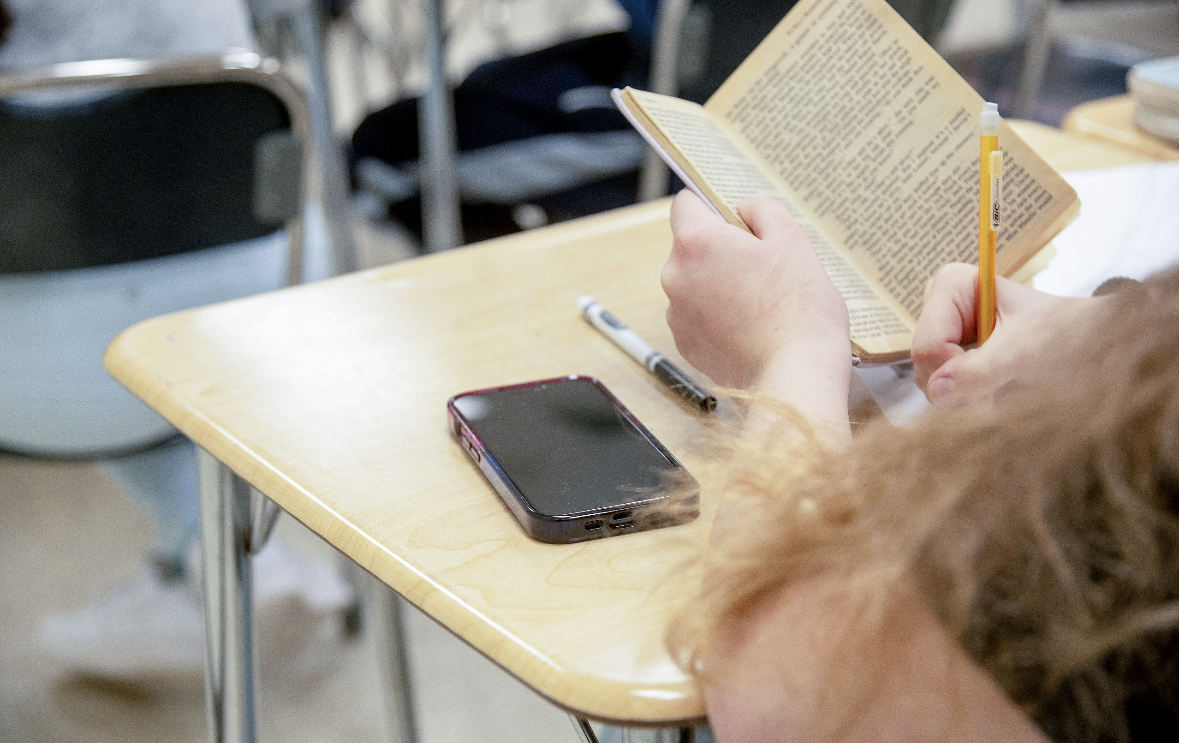
This semester, I’m enrolled in five classes. In most colleges and universities, professors teach core classes in lecture halls. At Hunter College, my friend’s Biology 101 class is taught in the school’s auditorium. Every seat is filled. On the other hand, my two largest classes have approximately 25 to 30 students, but the rest of my classes have no more than 15 students. My Russian class consists of six students, including myself. Yes, you read that right: six students. Not only does this mean the professor knows all of our names, but it also means she has the time to understand each of us and our level of Russian fluency.
Of course, I understand that my six-person Russian class is the exception, not the rule. That said, Fordham’s small class sizes help foster more intimate class instruction. For example, in my Russian class, we all sit in a semi-circle, and we rarely have to raise our hands. Instead of contributing one after the other, we all contribute together while my Russian professor, Alla Smyslova, helps keep the discussion on track. We discuss grammar and the Russian language, of course, but we also cover current events, pop culture, television and movies, music and history. I speak for the whole class when I say that I feel comfortable asking her any question, Russian-related or not.
However, to form genuine, lasting relationships with professors, students must do their part. A relationship involves two people, and professors can’t be the only ones doing the heavy lifting. It’s up to the student to establish a bond with a professor. So far, my favorite way to do this has been office hours. I’ve been to two professors’ office hours — Russian and history — and not just because I had pressing questions.
My history professor, Steven Stoll, has made a point of trying to create connections with each of his students. At the end of almost every class, he encourages us to visit his office hours. When I took him up on it, he was genuinely kind and helpful. He wasn’t distracted by his phone or emails; instead, he listened attentively to my questions and offered thoughtful answers in response. I’ve been six or seven times. We don’t just talk about American history; we’ve also discussed jazz, Substack and what it’s like to be a student at Fordham University.
In fact, all of my professors hold office hours; I just haven’t been to all of them. Clearly, professors are open to forging bonds with students; it’s just up to the students to take them up on their offers.
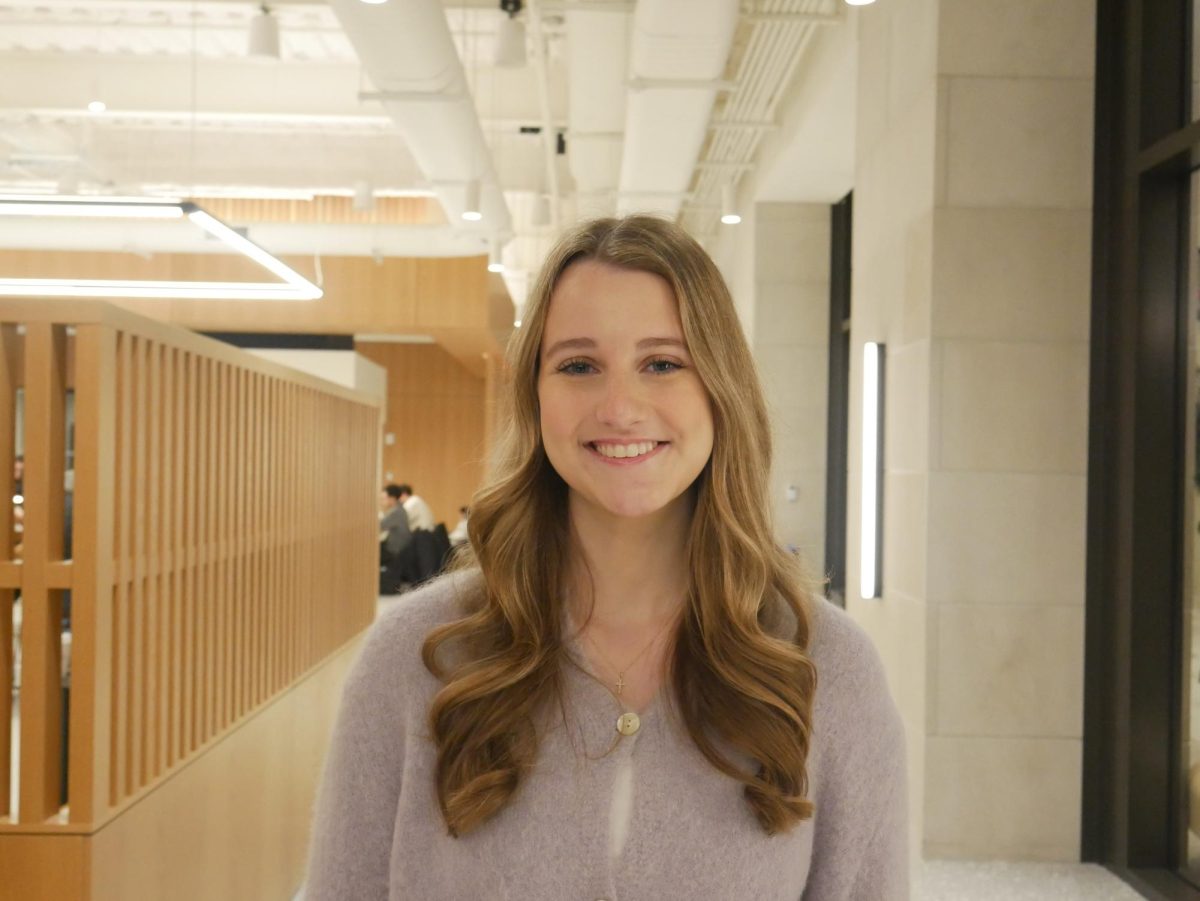
Of course, I recognize that I’m taking only humanities classes this semester. In other fields, professors may be less open or may focus exclusively on particular topics, such as internship opportunities. However, Olivia Grant, GSB ’29, said, “My Ground Floor professor is always more than happy to talk to us whenever and about anything. She’s very open to any questions at any time, and all of my professors are like that.” She said, “My professors actually care about their students. A lot of times, the professors want to make sure you’re doing well, and you’re understanding the content, especially because a lot of the business classes piggyback off of the previous ones.”
My experiences at Fordham have profoundly reshaped my perspective on the college environment, and I just got here! As a student, I don’t feel like an anonymous face — I feel like an individual. The relationships I’ve developed with my professors have enriched my academic journey. Most, if not all, the professors at Fordham want to connect with their students. They are passionate about what they teach, they embrace the idea of cura personalis and they are open to any questions, concerns or comments their students may have. The opportunity is there; it is up to the students to take the opportunities that professors offer.
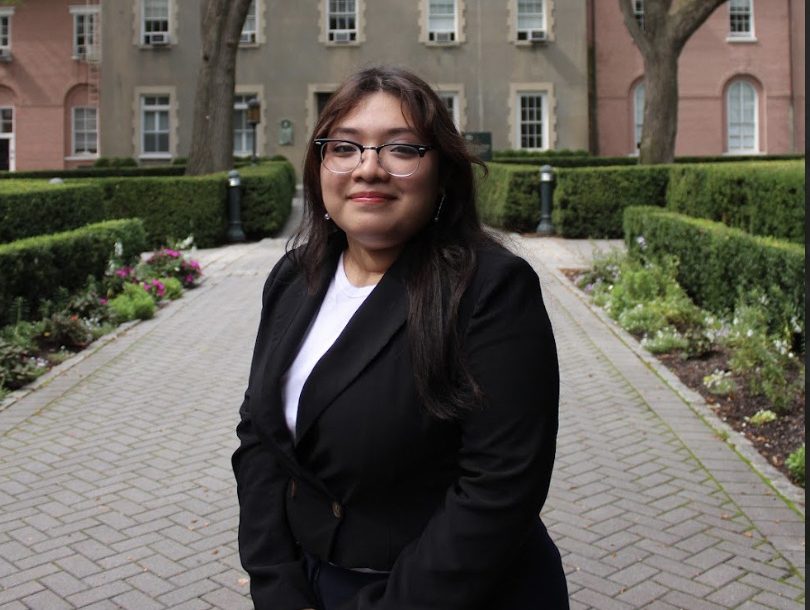
Emma Kelner, FCLC ’29, is an undeclared major from Staten Island, New York.