












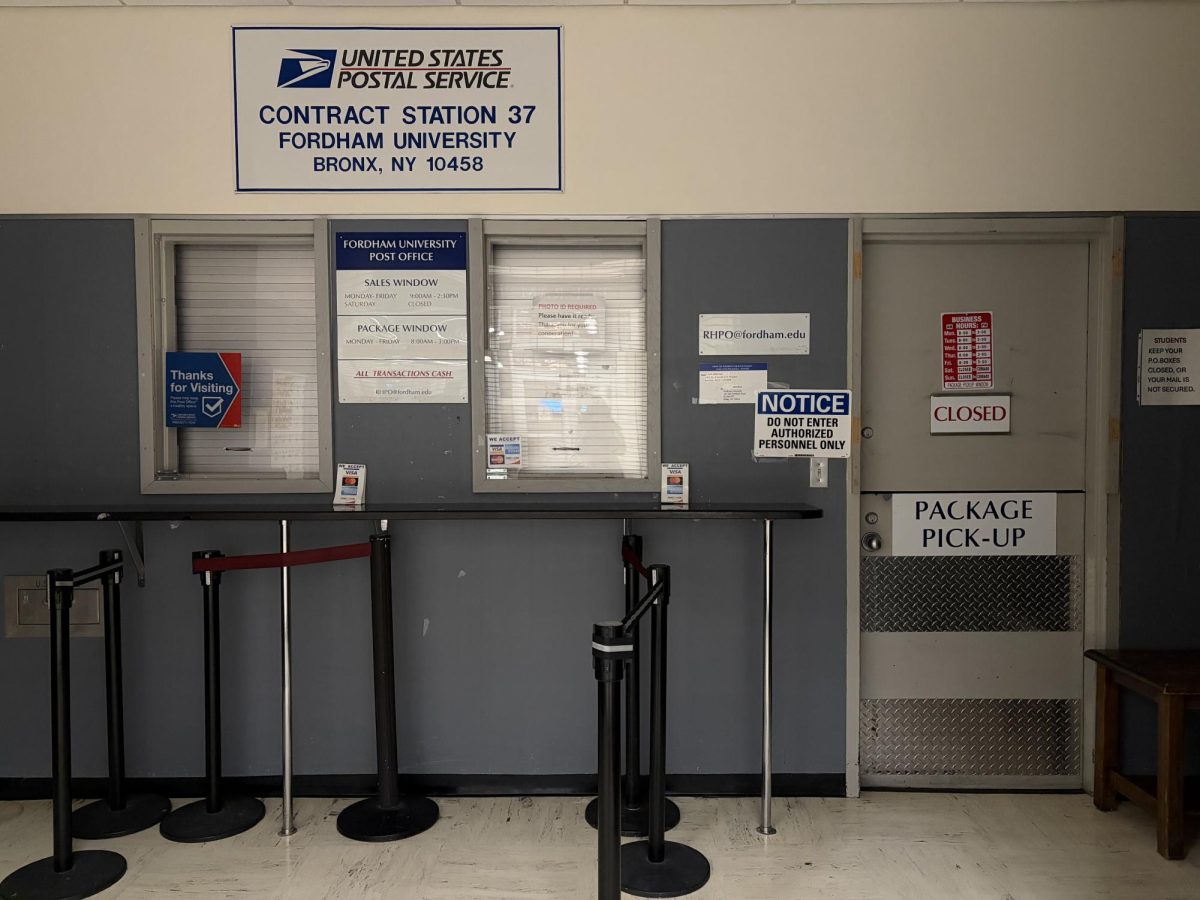










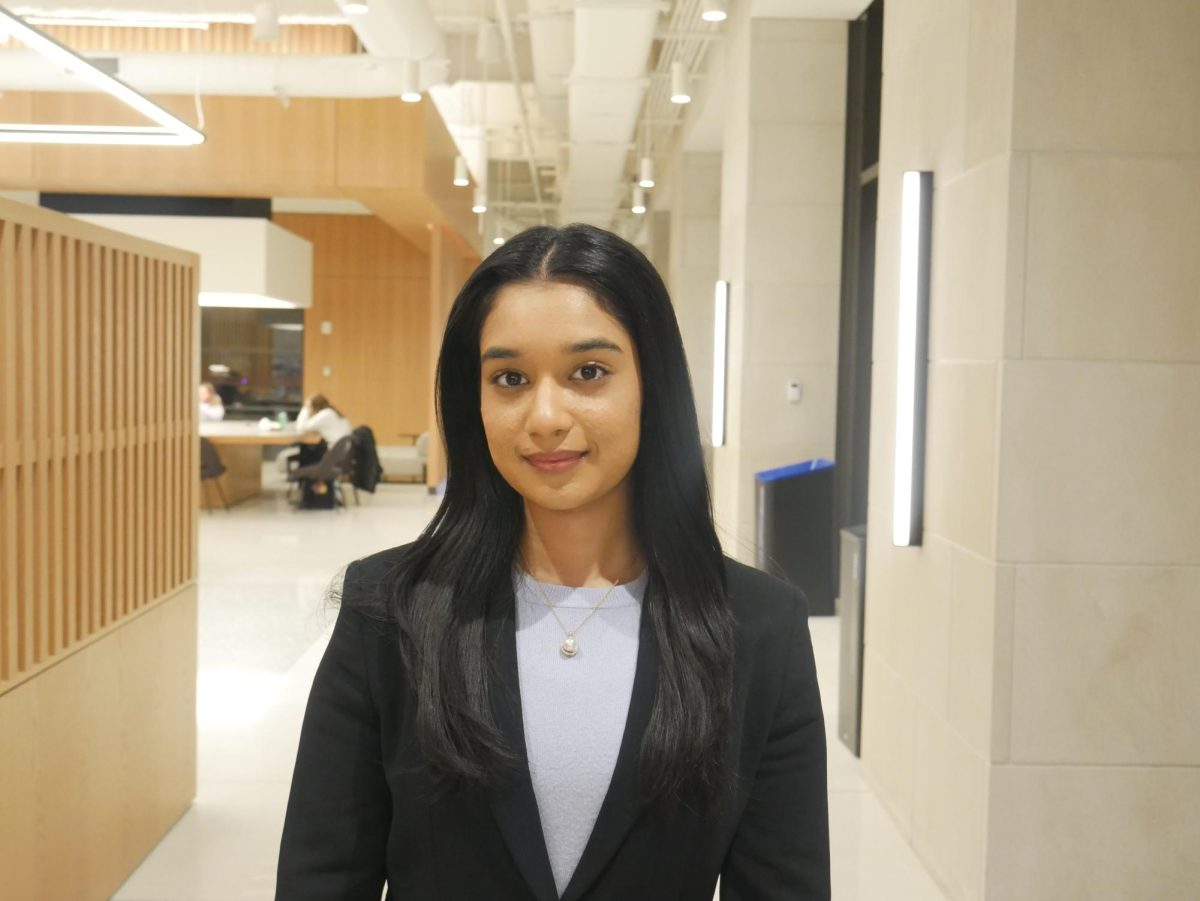
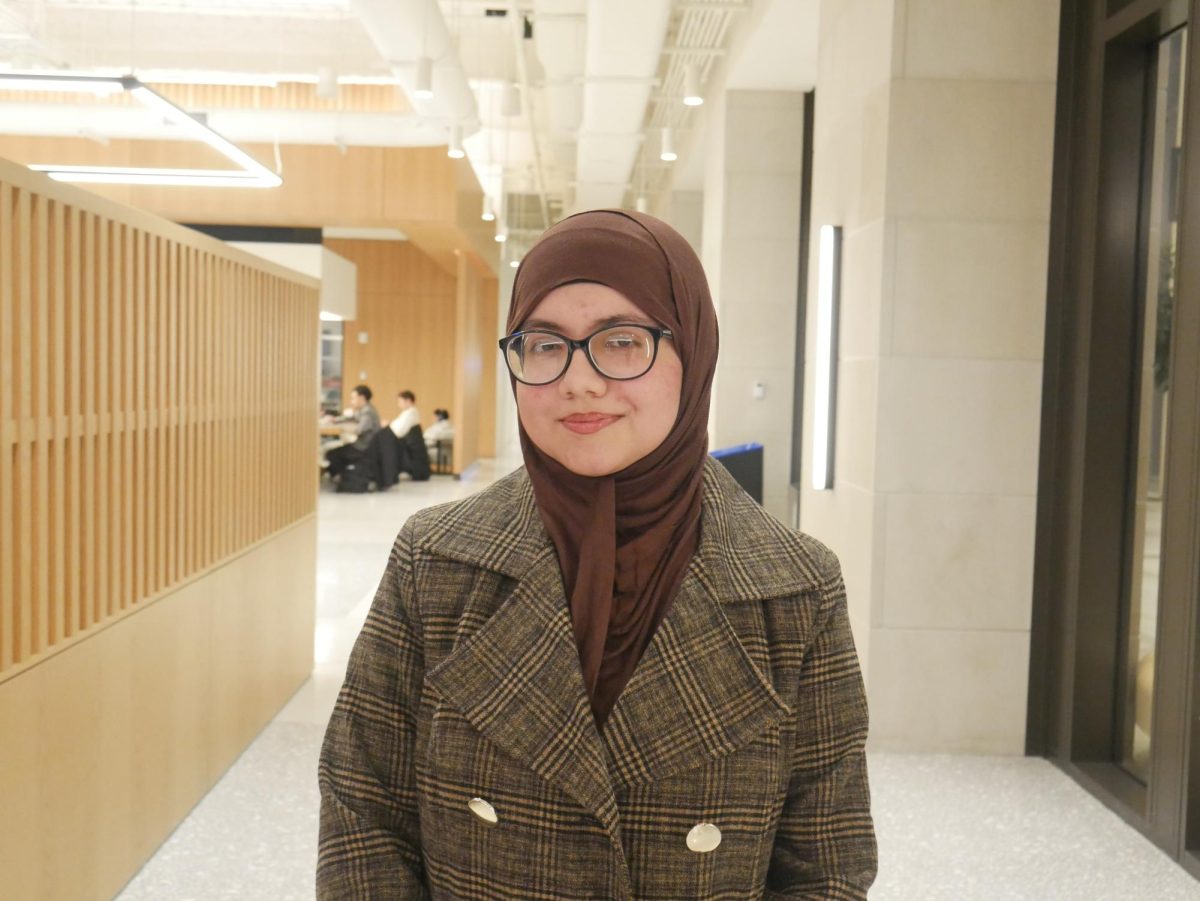
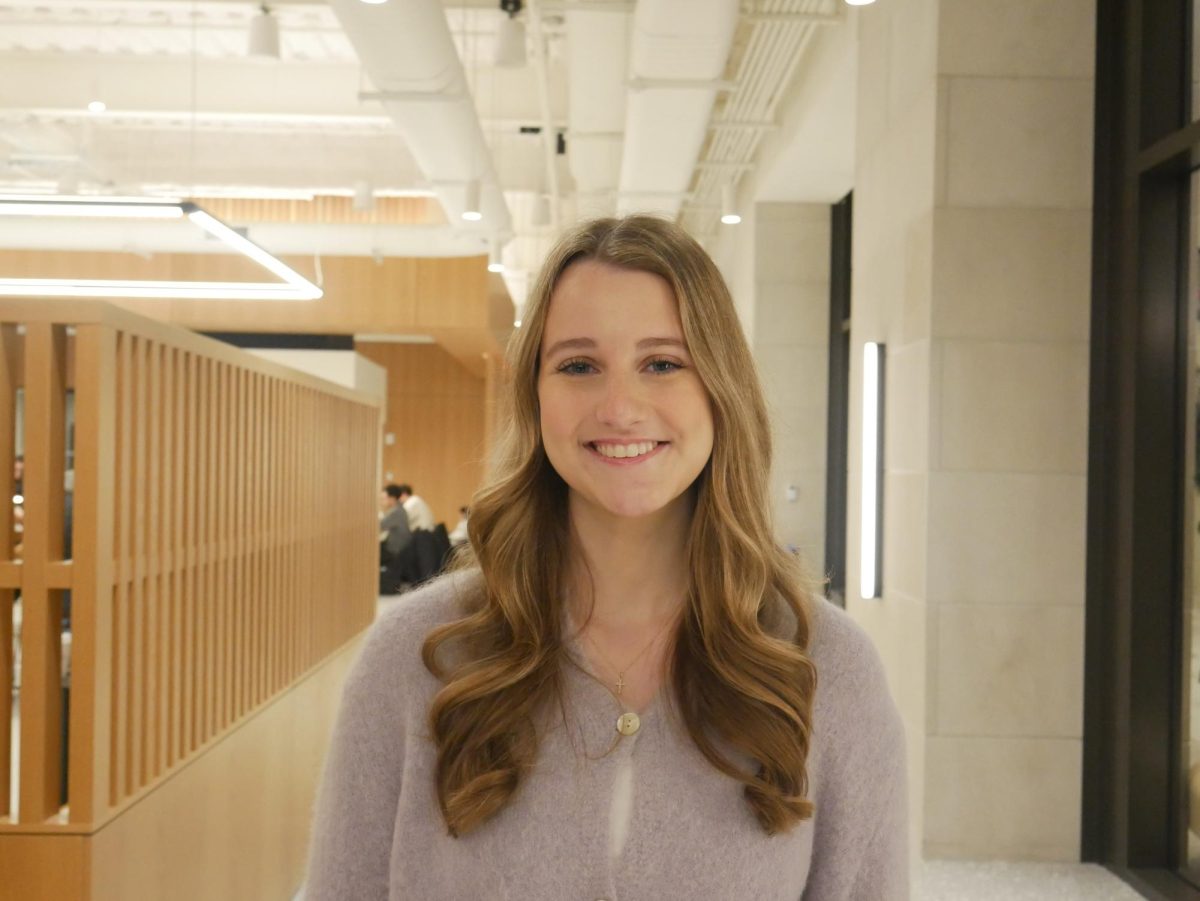


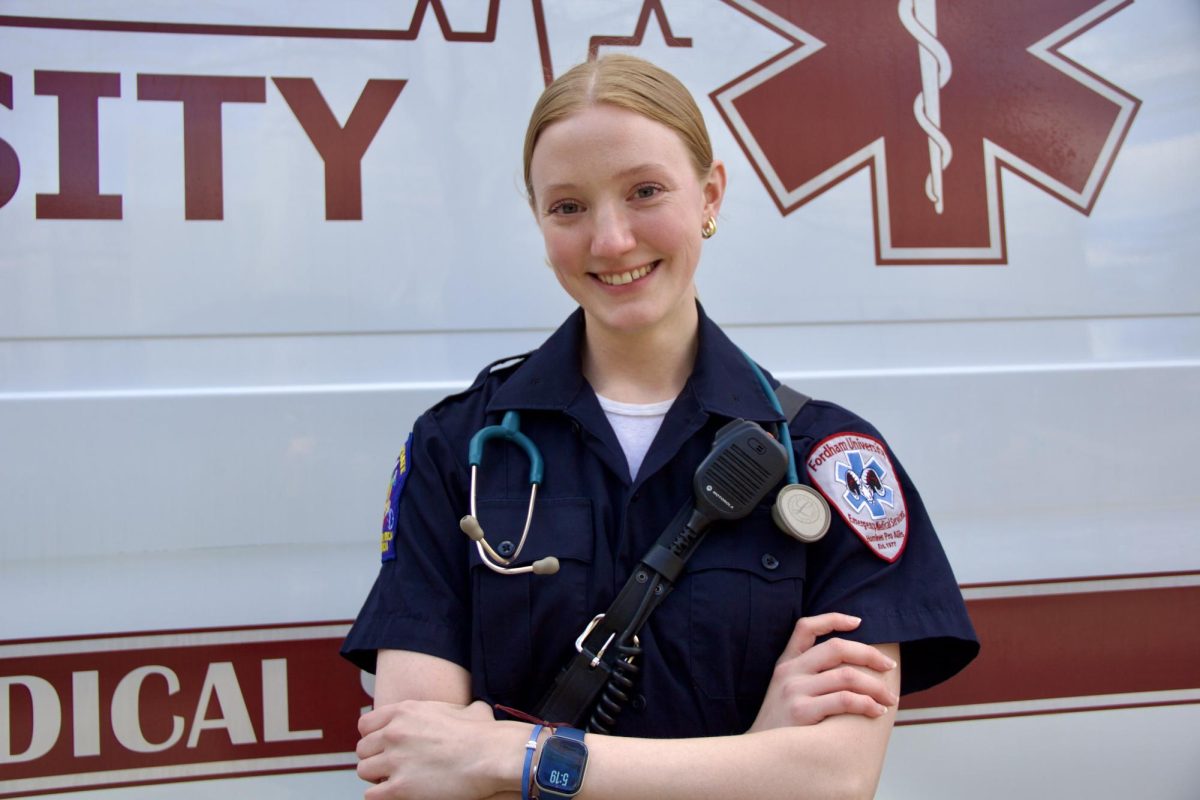
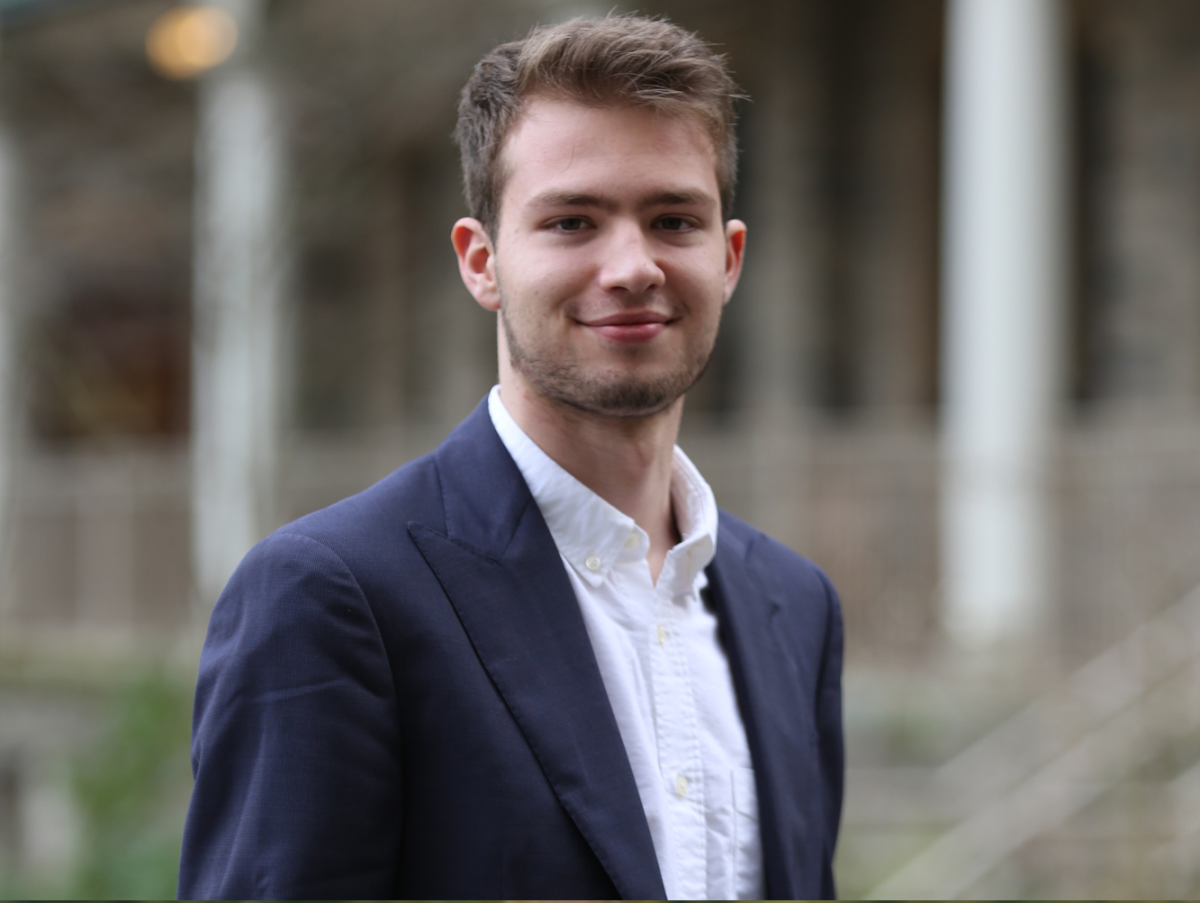










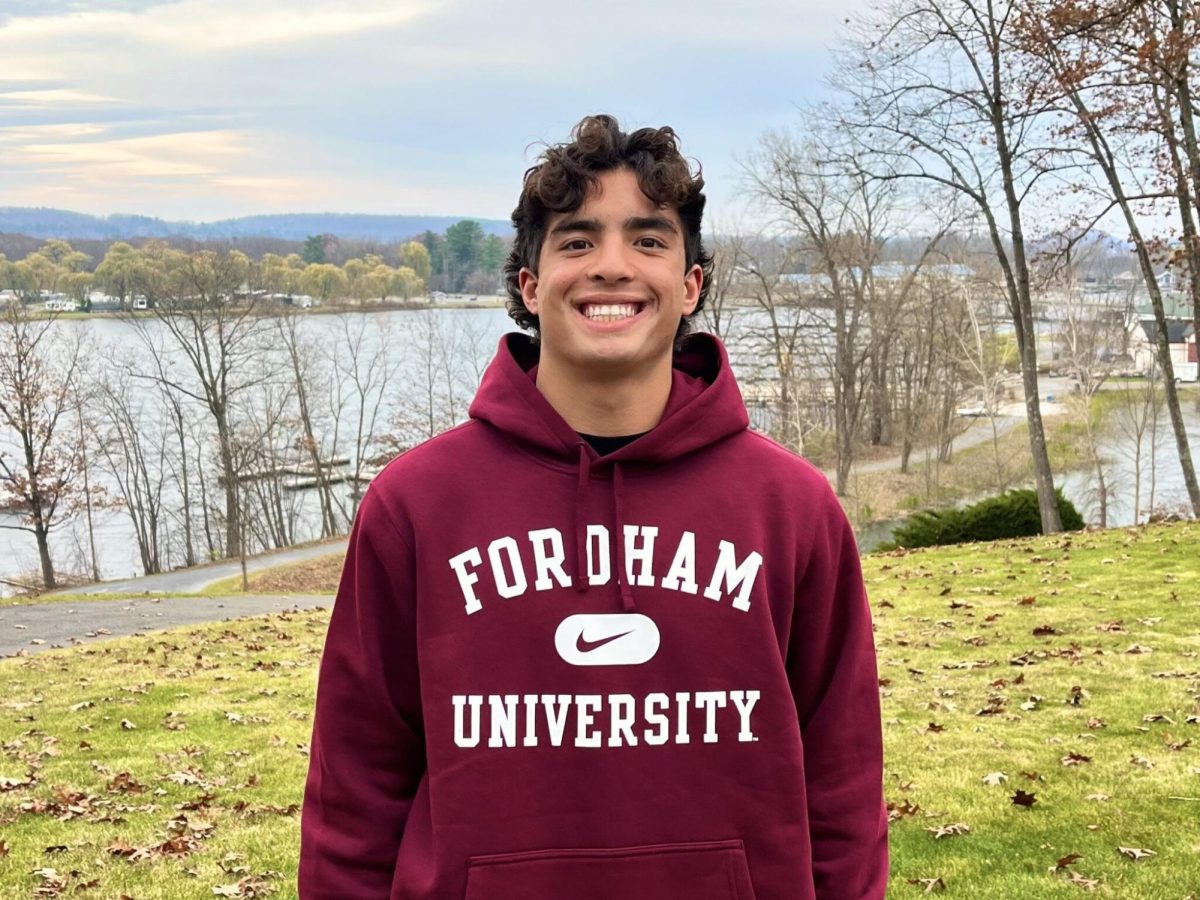


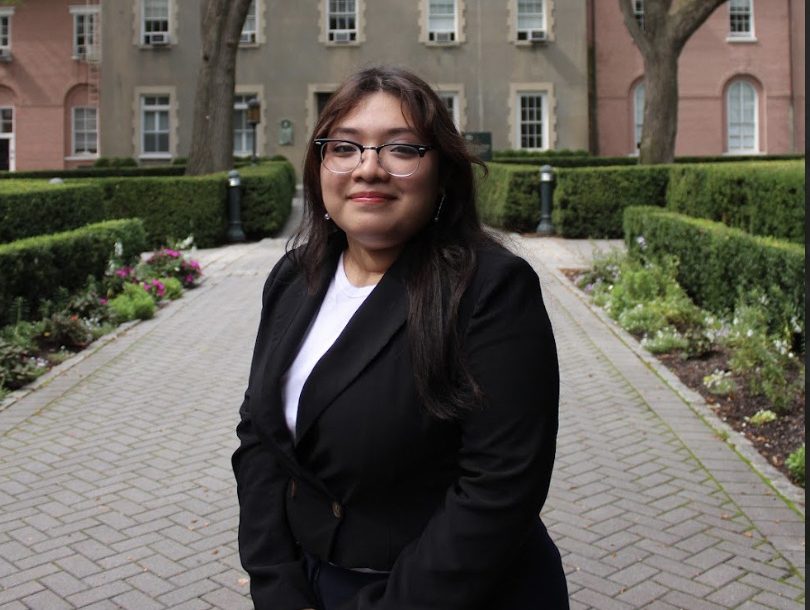

























































































Anna Brown, FCRH ‘27: Four days before the 2024 presidential election, I decided to fly home to Clarksville, Tennessee, to vote because my mail-in ballot had not arrived in my P.O. box at the campus post office.
In Tennessee, to vote via mail, you have to print, fill out and mail a mail-in ballot application. I had sent mine in about a month before the election. The Tennessee State Department website says an application must be received no later than 10 days out from the election, so I assumed I had ample time. But as my mother says, “assuming only makes an ass out of you and me.” So when my ballot hadn’t arrived after waiting for three and a half weeks, I decided just to go home and vote.
I ended up missing class the day after the election, even though I had a 6 a.m. flight leaving Nashville. I was home for barely more than 24 hours to go vote, and still missed class.
Andrew McDonald, FCRH ‘26: Compared to Anna’s experience in Tennessee, the fact that I happened to be born in the state of California made voting absentee almost effortless. I voted in the 2024 presidential election last year in California by mail, and my ballot arrived with plenty of time. The tracking system worked and existed, and the entire process took minutes, not weeks. That’s because California law only requires mail ballots to be postmarked by Election Day and received within seven days. Tennessee law, meanwhile, requires ballots to be physically received before polls close, meaning even a small United States Postal Service delay can invalidate a vote.
I have since re-registered to vote in New York City this May so I could vote in our local elections this year, but many Fordham students from more electorally restrictive states don’t have that option. Several Fordham University California student voters that I’ve met echoed a similar sentiment: Voting from home is easy for us in a way that it simply isn’t for students like Anna. Civic access shouldn’t depend on the zipcode you were born into. Fordham’s policy should reflect the reality our classmates face, whether voting in the U.S. or abroad.
AB: Fordham University already acknowledges the importance of voting and this issue by canceling classes on presidential election days every four years. For students who face similar issues, or simply want to go vote in elections that the university does not give us the day off for, they risk getting hindered academically when attempting to exercise their civic duties. Two weeks ago, a proposal I wrote about making voting an excused absence a university-wide policy was passed unanimously in the undergraduate United Student Government.
AM: Currently, many students still face the exact same barriers and issues that justified giving presidential election days if they choose to vote in midterms, primaries, on propositions and in off-year local elections with contests that often more directly affect their families and the hometowns many Fordham students plan to move back to when they graduate. These elections matter just as much to the people who wish to vote, and Fordham policy should reflect that.
Under the current system, students must choose between their civic responsibility and clear academic risks. Nicole Castaneda, GSB ’27, noted that even living “an hour and a half away in New Jersey,” made her miss elections because she couldn’t afford to skip class. Sara Depperman, FCRH ’28, flew home for only 36 hours only to return and receive an unexcused absence. While some students may be lucky to get an excused absence at their professor’s discretion, these aren’t edge cases; they’re typical at a national university. With stricter mail-in deadlines nationwide and absentee voting under threat, relying on voting by mail is becoming increasingly unreliable.
AB: Since the 2020 presidential election, 10 states have passed legislation making it more difficult to obtain mail-in ballots. Those states include New Mexico, Oklahoma, Iowa, Arkansas, Georgia, Alabama, Kentucky, Tennessee, Ohio and New York. According to Fordham’s website, students from 49 out of the 50 states attend the university. These pieces of legislation could affect Fordham students and their voting process.
For students from any state trying to vote by mail, the unpredictable nature of mail-in ballots can be very stressful for those who want to make sure their vote is counted. Even if a student does everything right, things beyond their control can happen and prevent their vote from being counted on time. This is exceptionally stressful for students from states whose ballots have to arrive by election day, not just be postmarked before election day.
If Fordham implements this proposal, we hope that there will be an increase in civic engagement among students at the local, state and federal levels. In the 2024 presidential election, less than half of citizens (47%) between the ages of 18 through 24 voted. Furthermore, according to the Kids Count Data Center, only 23% of citizens between the ages of 18-24 participated in the 2022 midterm elections. If the policy proposed is enacted, students will be granted more opportunities to go vote without fear of academic repercussions.
Cura Personalis part of the Jesuit values that Fordham University models its academics and student life around. Meaning “care for the whole person,” Fordham University wants to foster an environment where students can become well-rounded individuals and citizens. This should include promoting and assisting students in being civically engaged. By allowing students to go vote without fear of missing class and hindering them academically, it allows students to take an active role in their community and legislative action in their home state, which would, in turn, make students more well-rounded citizens.
AM: Senator Anna Brown’s proposal is very straightforward: add “Going to Vote” as an option in the existing excused-absence dropdown. That’s it. This policy would require no new office, no new staffing, no new cost and no additional bureaucracy. It will use the same documentation standards already in place for medical, religious or family emergencies, meaning the safeguards against misuse of this policy already exist, and all potential excused absences would still be at the discretion of the dean. This would also come with a large opportunity for us as a university; if implemented, to our knowledge, there is no other university in the country that has a policy like this being implemented, and Fordham would be the first university in the country to implement excused absences for voting as a formal, university-wide policy.
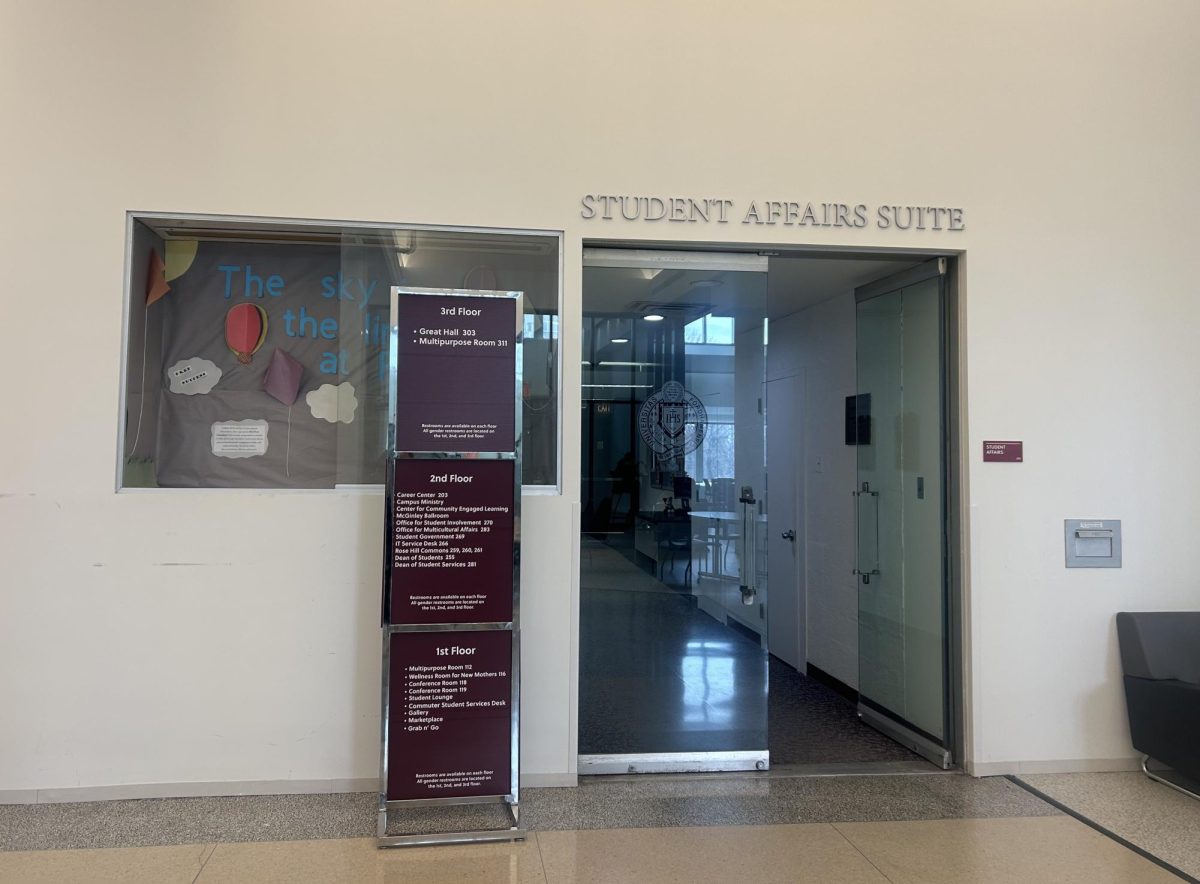
AB: In 2022, the Student Senate, Graduate Student Senate and Faculty Senate of Ohio University passed a similar proposal regarding this topic, but the university never followed through. Fordham University should be a leading institution when it comes to promoting civic participation among students. As said by St. Ignatius of Loyola, “Go forth and set the world on fire.” This quote is engraved on the walls of the McShane Campus Center, and Fordham should take those words and apply them to the ideas in this proposal.
AM: This policy would also mirror what New York City already guarantees its municipal employees by way of paid time off to vote, and we hope that Senator Brown’s proposal will help move Fordham in a direction to uphold the similar civic standards the city itself considers essential to democratic participation.
The bottom line is that no student should have to sacrifice their academic standing to participate in their democracy, whether that be in New York City, anywhere else within the U.S. or any place a member of the Fordham Student Body calls home.
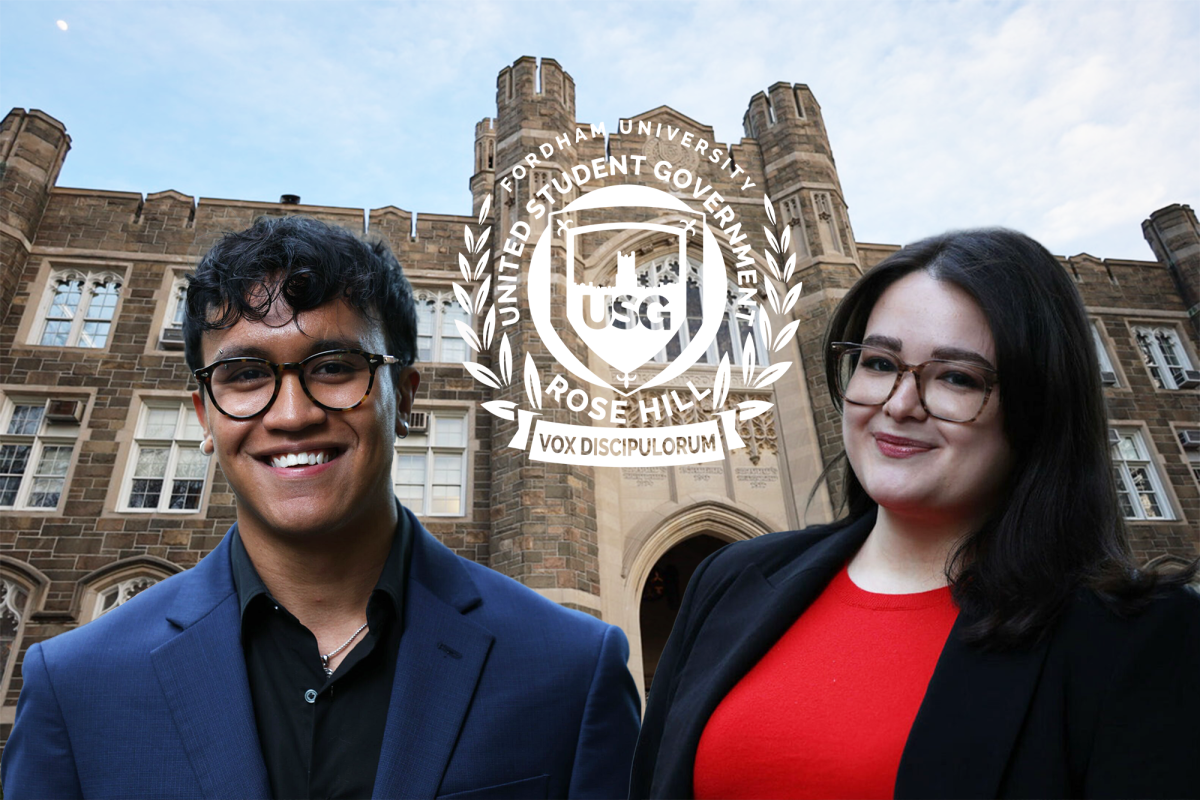
Anna Brown, FCRH ’27, is a political science major from Clarksville, Tennessee.
Andrew McDonald, FCRH ’26, is a history and political science major from Sacramento, California.
