











































































































































































The way many people view feminism today is perpetuating the normalization of misogyny in society. Generally, it is easy to call someone dramatic when you are in a position of privilege — that is, when you are not the one facing scrutiny, oppression and discrimination for circumstances outside of your control. Particularly, it is easy to call a woman dramatic when she discusses the unfair treatment she experiences solely because of her sex when you are not a woman yourself.
Lately, there has been a shift in the way not only men react to feminism, but also in how women approach it. For years, there has been statistically proven hostility towards feminism from men and now we are seeing this hostility being internalized as women hesitate to call themselves feminists.
Ignorance and lack of knowledge worsens misunderstanding, so here is a quick lesson. Sexism, misogyny and feminism all have different meanings and are used for specificity. Sexism is prejudice, stereotyping or discrimination on the basis of sex, and misogyny refers to a hatred of or contempt for women. Sexism, as it pertains to women, is a way of assuming women are inferior in certain ways and this is where a lot of gender inequality stems from. Misogyny presents itself through behavior or actions, either from an individual attitude or systemic practices, designed to keep women in a subordinate status.
Instances of misogyny are harder to identify because misogynistic behavior can be disguised as a joke or is often excused because it purposefully undermines and dismisses women and their opinions. Belittlement, constant disrespect and dismissive attitude, stereotyping, objectification and double standards are just a few instances of misogyny women face every single day.
A study conducted in the U.K. by academics at a college in London in collaboration with Ipsos found a clear disparity in how different genders perceived feminism and its impact. In 2024, when the study was conducted, nearly half of the respondents agreed that it was harder to be a woman than a man today. When asked what would be harder in 20 years, one in six of the men surveyed said it will be harder to be a man. In another survey of people from 30 countries, Ipsos found that one in three men believe feminism does more harm than good and 57% of men and 36% of women believe we have gone too far in promoting women’s equality.
Misogyny and this hostility towards feminism relate because it seems that some men think feminists hate men, hence their response to the ideology. To some, feminism can be seen as a way of discriminating against men. For those who believe women have already achieved equality, feminism is a way of asserting superiority and working towards female dominance. However, misogynists are presumably the ones with this notion and it’s this disdain for women that gets projected onto feminism. When an ideology is causing so much negative discourse, then it’s reasonable for both sexes to start being convinced that feminism might be doing more harm than good.
Misogynists view feminists as angry, aggressive and annoying because they can’t stand women, let alone women advocating for their rights. Unfortunately, women internalize misogyny as well. Due to centuries of sexist and misogynistic beliefs and systems, women subconsciously believe and impose sexist attitudes on themselves and other women.
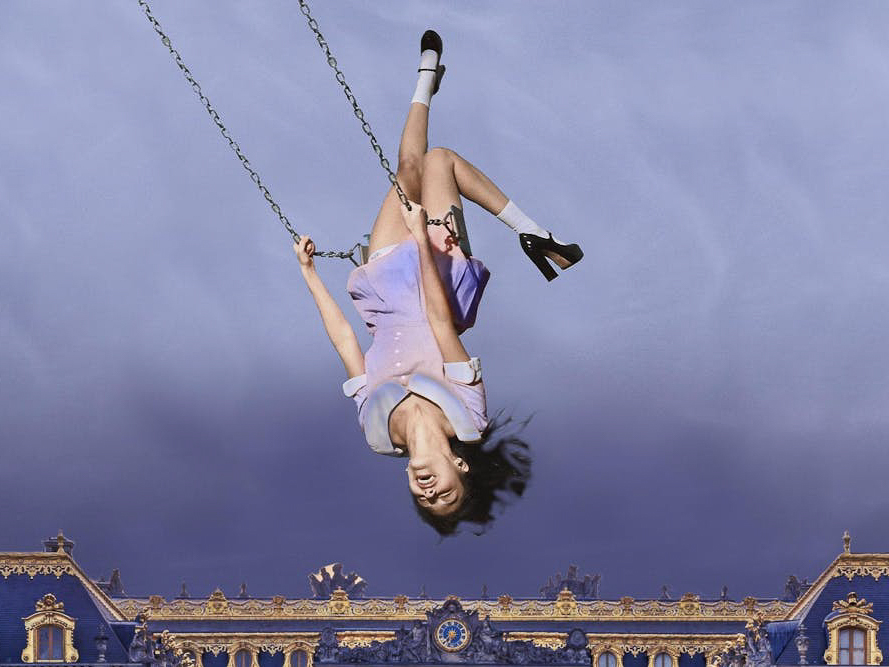
A very recent example of this is the social media trend that uses the song “Just a Girl” by No Doubt. This trend essentially enables a female stereotype (such as women being bad drivers or clumsy) by saying “I’m just a girl” and having the song attached to the post. Gwen Stefani wrote this song and has made it clear that this song is an expression of her frustration with the inequality women face. The song is a feminist rock anthem and a symbol of empowerment and defiance which has been completely lost upon this generation as exemplified by the trend.
When the internalization of misogyny goes unnoticed, it’s concerning. The struggle for people to support feminism (the pursuit of basic equal rights for women) is yet another demonstration of the scrutiny women are burdened with. Advocating for equal rights shouldn’t incite so much opposition. The ideology isn’t complicated enough to be being picked apart and misconstrued to the point of convincing people that it’s problematic.
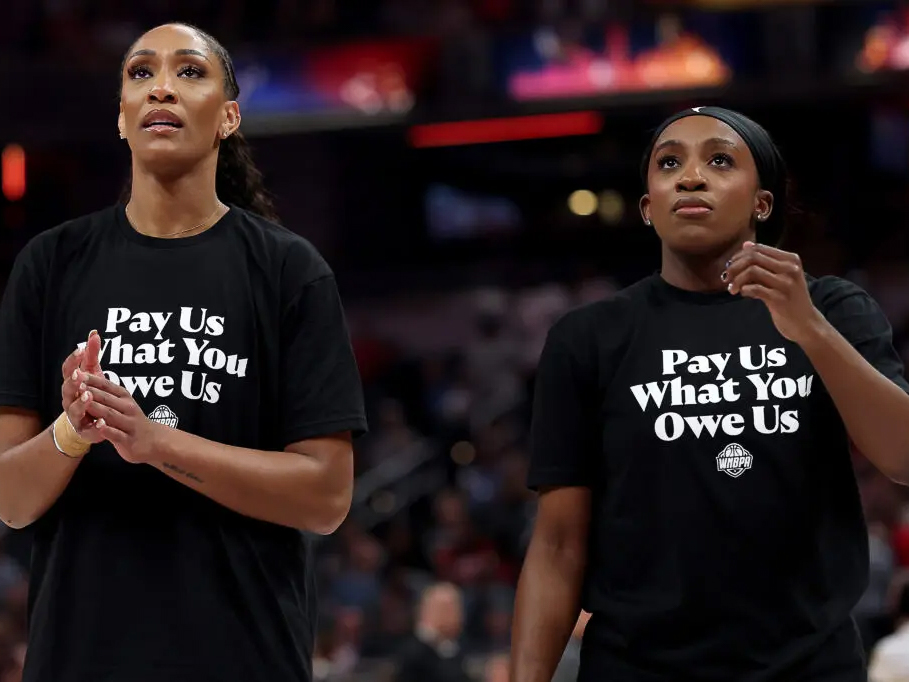
As long as Congress is still asking “what is a woman?” and not also contemplating “what is a man?” women are not equal. As long as female reproductive rights are changing every other year and men face no such regulation, women are not equal. As long as there is a gender pay gap, as long as women’s sports are underfunded and as long as female presidential candidates get their femininity thrown in their face as a flaw and reason for why they can’t take office, women are not equal. Yes, there have been great achievements in the last century, but there is still work to be done. It may be that feminists are loud and annoying, but American historian, Laurel Thatcher Ulrich, said it best: “well-behaved women seldom make history.”
Loresa Zeqiraj, FCRH ’28, is an international studies and English major from Yorktown Heights, New York.