













































































































































On Saturday, Nov. 1, a 60-year-old program that dates back to the Great Depression, on which approximately 12% of the United States’ population relies on to make ends meet, was disrupted. The Supplemental Nutrition Assistance Program (SNAP) was unable to deliver its benefits to its customers due to a lack of federal funding. Colloquially known as food stamps, this program provides millions of Americans with cash cards called Electronic Benefits Transfer (EBT), which help families purchase basic household items and necessities for a limited period of time. This disruption has left many Americans in an incredibly difficult situation, as many rely on this program to survive.
This disruption occurred amidst the longest government shutdown in United States history, one that began due to a bipartisan disagreement over the Affordable Care Act (ACA), which, in essence, makes it easier for Americans to purchase and retain healthcare. In an attempt to lessen the blow of this delay caused by the shutdown, two federal judges ordered the Trump administration to utilize some of the retained emergency funds held by the government. Unfortunately, this attempt to at least partially fund SNAP benefits until the government reopened proved to be a fight in itself after the Supreme Court reversed the lower court’s decision.
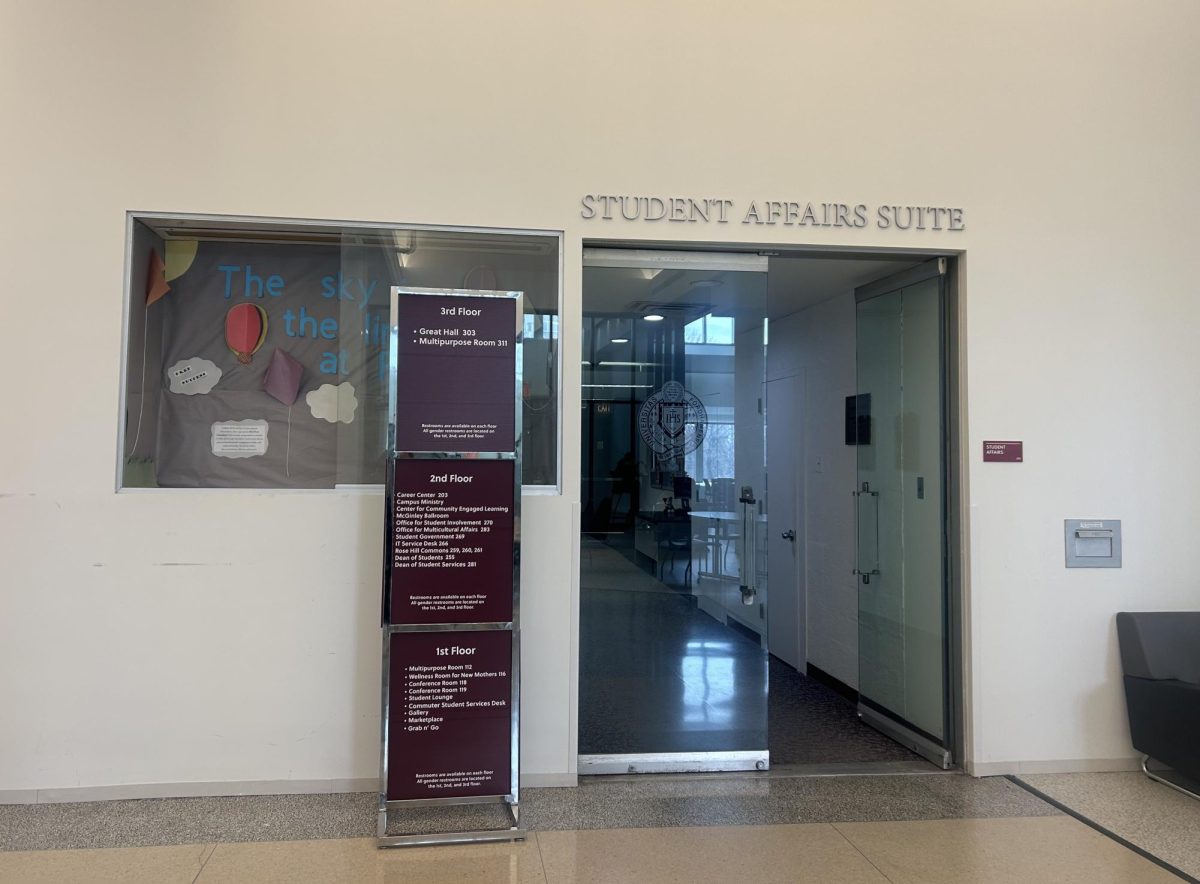
Prompted by this nationwide struggle, Fordham University has responded. I must say, I am quite proud of the efforts taken by our community. On Oct. 31, President Tania Tetlow sent an email regarding the pressing situation to the student body. According to the email, “many organizations,” including Catholic Charities, have reached out to Fordham in search of volunteers, as it is likely food banks are to be overwhelmed. The email also went on to mention other ways students could, if unable to volunteer, help their community. For example, food pantries were set up at both Lincoln Center and Rose Hill campuses, providing students with opportunities to drop off non-perishable, essential food items at the designated locations.
These food pantries, organized by Campus Ministry and the Center for Community Engaged Learning, have received an overwhelming amount of support from student and faculty members alike, and are said to have gathered over 200 volunteers to help keep them operating smoothly. These pantries are open Monday through Friday from 11 a.m. to 4 p.m., and have been operating largely through donations received from both the university and students. Other ways to help out include donating extra meal swipes, purchasing items off of the campus’s Amazon wishlists or making a monetary donation towards the Fordham Student Emergency Fund; all of which are options that have been utilized by the student body.
It is worth noting that these efforts have not only been led by the Fordham staff, but also by students as well. One student-led organization called Fordham Food Walks has also aided the effort in keeping our community fed. On their social media page, they post regularly regarding both how to donate and with information on what is happening with the SNAP benefits and why. Moreover, on their profile, they provide a link to a GroupMe, where students can directly receive information on how to get involved. In addition to this, they also post about their work with an organization based in the Bronx called Part of the Solution (POTS), which works to fight poverty and hunger within the Bronx community. In fact, just this past week, Fordham Food Walks donated 409 meals to the organization, working even harder in light of the recent struggles with SNAP.
As the Jesuit University of New York, Fordham is an institution not only dedicated to providing a rigorous, yet rewarding, education, but also to fostering the values espoused by the tradition of Catholicism. A vital component of these values includes supporting one’s entire community, regardless of race, religion, social background or political beliefs. For me, the email sent out by Tetlow and the subsequent actions of the Fordham administration and students do an incredible job of demonstrating our values. It proves that we are not only willing to say we care, but also to show it.
Even so, while I feel the efficiency of these organizations and efforts made by our community has been proven, and is continuing to be so, we are not out of the woods just yet. This continues to be the case despite the fact the United States government has officially reopened this past Wednesday night, after President Donald Trump signed an agreement that extends funding for most government agencies until Jan. 30. In fact, it may take awhile until SNAP benefits are awarded in full to Americans, and if they are, the process will likely be even further delayed as government agencies work to find their footing again.
Despite this, I firmly believe that Fordham University has done an admirable job of responding to the situation, and I am incredibly grateful to be able to be given the opportunity to be part of the effort in keeping our community members safe. Go Rams!
McKenna Coveny, FCRH ’27 is a comparative literature major from Houston, Texas.
