


















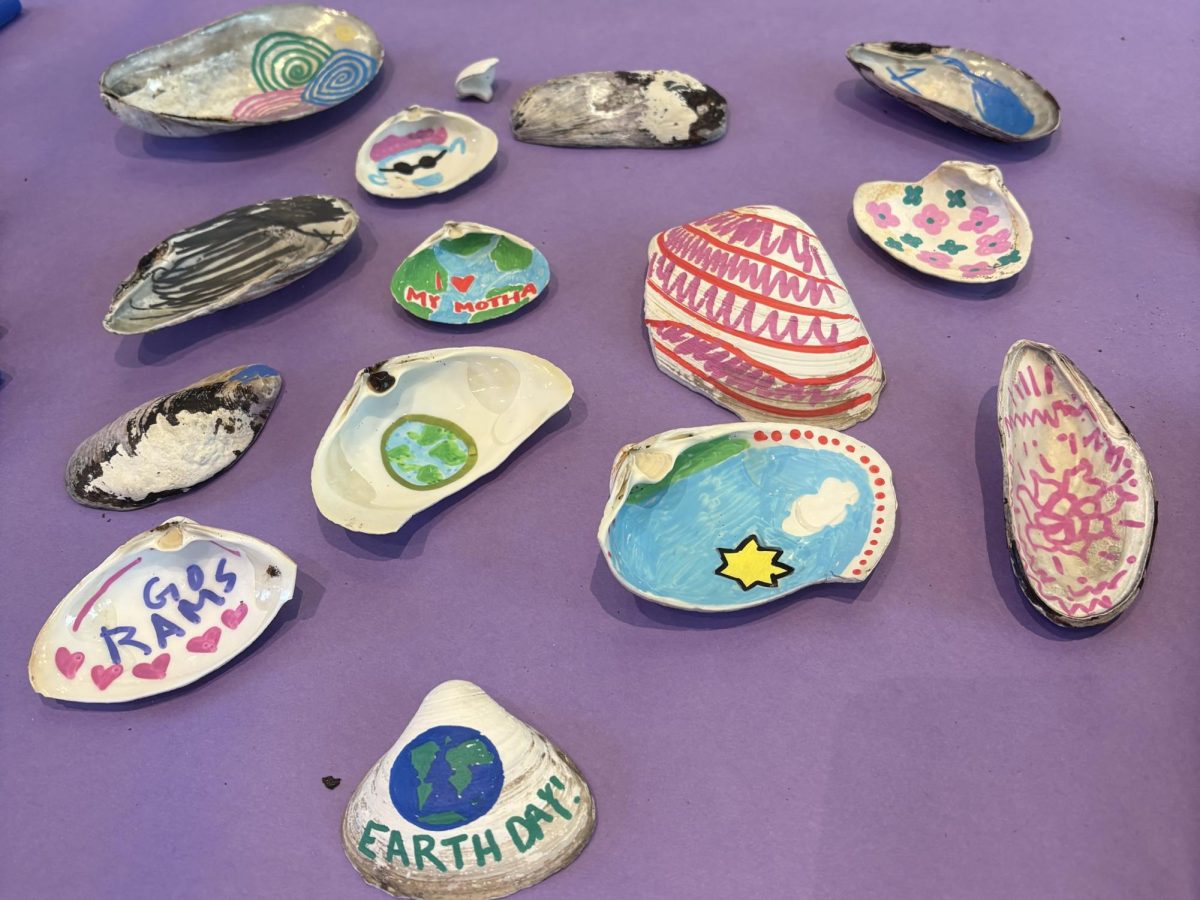





























































































































































I sometimes think back to when my eighth-grade science teacher, who undoubtedly resembled Ms. Frizzle, asked my class on Earth Day if anyone thrifted their clothes. Of course, none of my classmates at my private Episcopalian middle school located in the wealthier part of Washington, D.C., wore thrifted clothes — everyone wore Vineyard Vines, Brandy Melville, Lily Pulitzer, Urban Outfitters and other new, brand-name pieces. I remember being so scared to say that I thrifted. It felt so taboo to embrace my passion for thrifting, especially alongside my science teacher who was one of our more awkward teachers. At the time, thrifting was definitely considered something associated with low socioeconomic status at my school.
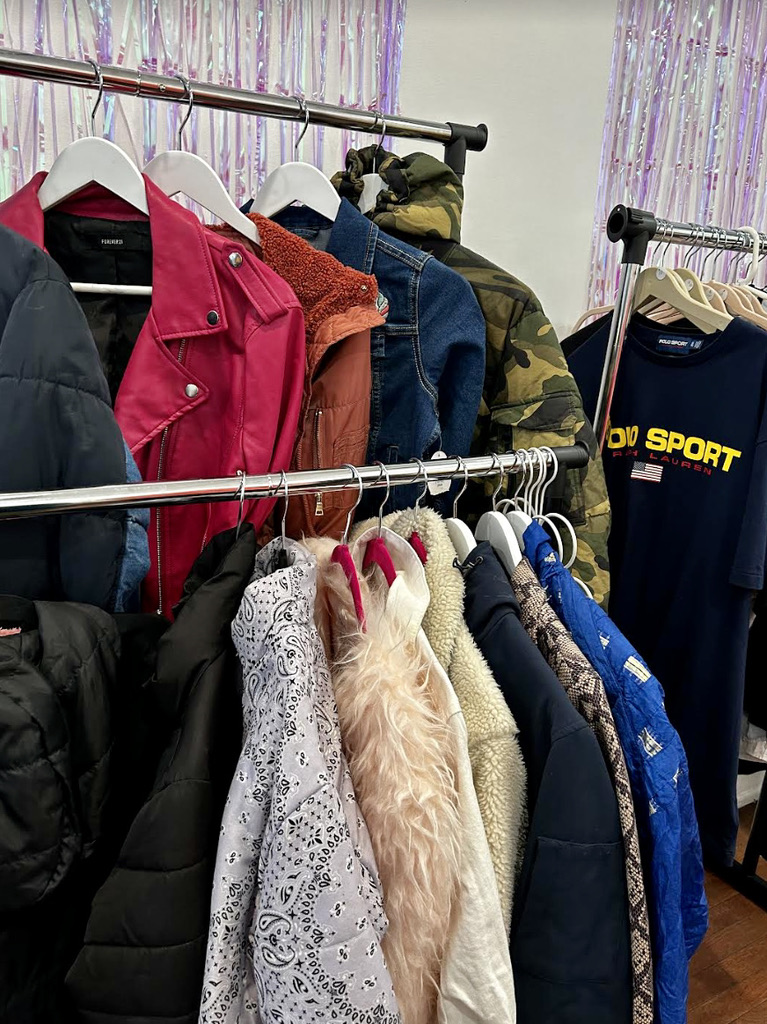
Now, it’s safe to say that the narrative around thrifting has changed, especially for younger generations. The thrill of finding an exceptionally unique piece of clothing or an accessory is a truly exhilarating feeling that you can only get from thrifting. When you’re rummaging through endless racks or piles you never know what you might come across.
From a personal standpoint, given all of the unique pieces I’ve come across and decided to buy, thrifting has inspired me to develop my personal style. It’s given me the confidence to wear outfits that might not be particularly “in style”, helping me feel more comfortable expressing myself. I also remember reading a YouTube comment under a video about thrifting where the person mentioned how they’d bought a 100% cashmere sweater that was slightly ratty. Instead of throwing it away when it wasn’t presentable to wear in public, they used it as a base layer in the colder months and eventually cut it up to make it into leg warmers. Thrifted items can be repurposed, highlighting how people can choose to extend the lifespan of thrifted products by using creativity. This pushes back against overconsumption and fast fashion.
Secondhand shopping also comes with its benefits. According to a blog published by Goodwill, “you are voting with your dollar as a consumer to not support the industries that cause pollution and tons of waste” when you choose to shop secondhand. This reveals the power of consumers’ choices when they purchase goods. When people are collectively aware of the ecological costs associated with mass consumption, they put their money towards local shops and smaller businesses, rejecting large corporations’ insatiable drive to make themselves wealthier at the expense of the environment and innocent civilians.
According to an article published by the Center for Biological Diversity, consumers reduce waste by shopping secondhand because they are “extending the lifespan of products” while protecting the environment. Thrifting allows consumers to shop consciously, meaning that they are able to purchase quality products while also not contributing to environmental destruction and human health hazards of fast fashion.
However, the growing popularity of thrifting has caused controversy. Most prominently, this cultural shift can exclude lower-income individuals and families from being able to afford clothes. Taylor Love, a reporter for The Echo explains “high demand mixed with a low supply gives way to inflation.” Since more people are buying from thrift stores, demand increases while stores’ supplies remain limited, resulting in an increase in store prices overall. Importantly, Love said there are “people who can afford to shop at other stores and continuously thrift for their own financial gain.”
Reselling on online platforms, most notoriously on Depop, has become extremely popular, as resale platforms allow shoppers to thrift from the comfort of their home. What’s more, there are many sellers, especially on Depop, who go thrifting in order to find clothes to sell online. Of course, these sellers hike up the price of products by two or three times more than what they had been priced at the thrift store, earning the ire of many. In this sense, I do agree with Love that thrifting for financial gain and highly inflating the price of products is corrupt and egotistic. Love said, “Thrifting as a trend, rather than a means to survive, is inherently classist and should not exist.” Even while shopping secondhand, people still ought to shop consciously. While it might be tempting to buy a haul’s worth of clothes, it is still important to be thoughtful of whether or not you really need something and will rewear it.
Finally, I’d be remiss to not mention how fast fashion and overproduction have plagued thrift stores and the online shopping scene. Secondhand shopping can be a way for people to find clothes made of natural fabrics and quality craftsmanship. But more often, shoppers will come across low-quality fast fashion items. It makes my shopping experiences less enjoyable, precisely because I find fewer quality items on racks. While I don’t think it’s doable for most people to completely refrain from shopping retail, people should consider doing most of their shopping secondhand.
So what to do? In keeping with the general culture of thrifting, I advise that you shop consciously, both when you shop retail and when you’re shopping secondhand. Keep in mind that when you make a transaction at any store, that money is either going to a big corporation that exploits workers and the environment for financial gain, or towards charity or small businesses.
Now, when I think back to my Earth Day class in middle school, I wish I had had the confidence to admit that I, too, thrifted many of my clothes and found joy in it. Especially for lower-income people who depend on thrifting for clothes, no one should be ashamed of thrifting, but instead mindfully embrace it as a means to protect the planet, reallocate money to more humanitarian causes and experiment with your style.
Catherine Duckenfield, FCRH ’27, is an environmental studies major from Washington, D.C.
