





















































































































































































When the United States Immigration and Customs Enforcement (ICE) comes to mind, I’d argue that people these days think about more than two or three things.
When the topic of ICE is brought up to a Republican, they likely think of terms and topics like law and order, protecting borders and ensuring sovereignty and national security. Ask a Democrat what they think of ICE and you’ll hear different ones, including: unjust, overstepping, immoral and aggressive.
Regardless of whether or not you align with one of these major political parties, everyone can agree on one statement: things are a mess.
While it certainly does not help that each new headline seems to outdo the ones from the day before, the wrong move right now is to let partisan politics bleed into everyday life.
Without straying away from the topic of ICE, ask yourself if you can think of 10 different issues in the last six years that have been blown out of proportion because one political party decided to become outraged and the other decided to respond with critiques.
The Israel-Palestine Conflict, Russian invasion of Ukraine, Social Security, Medicare, Medicaid, legal arguments in the Supreme Court, federal funding for social programs, trade wars, government efficiency, affordability and the cost of living and even mayoral races are all examples of how divides have caused us to part further and further from one another. Some days it seems like we’re even nearing a point of no return.
The bottom line is that we’re letting the issue of ICE become a focal point that is continuing to divide us. We simply cannot let this happen.
Everyone has a take on everything. Takes and opinions from your average American range from firm stances on whether or not ketchup should be on hot dogs, to whether or not our elected leaders have our best interests in mind.
While we should encourage people to be informed and make informed decisions, we cannot continue on this path that has deprived us of our decency, humanity and neighborliness towards one another.
What we need now is less distance. At the end of the day, it doesn’t matter if the guy next to you on the subway voted red or blue. It also doesn’t matter what he thinks about the issues that very well have little-to-no-effect on how you or him go about your day.
What does matter is whether or not he’s about to spill a drink on you, if he’s playing loud music and is bothering you because of how you’re agitated after a long day and if he’s coughing and wheezing in your direction without covering his mouth.
Whether we like to realize it or not, we’ve all had far too much time lost due to politicized issues. COVID-19 is one of the many, but the most severe example of how politics bleeds into everyday life and widens the gap between us for various reasons.
This is what I’m getting at: we can’t let issues take over our lives every day. There’s some people who do let issues eat them up; and oftentimes they can be draining to others.They let uncontrollable things eat them alive because they can’t fathom why others don’t see things the way they do.
The problem is a lack of civility and understanding, as well as an attempt to see what things are like in another person’s shoes.
More often than not, I find myself wondering if the posts I see on social media, particularly those from people who are upset about political issues, are the best use of our time, efforts, thought and care.
In a survey on Gen Z activism by United Way NCA, the group found that only 32% of Gen Z regularly engaged in activism or social work. While Gen Z has a 8% higher level of engagement when compared to millennials, it’s still a staggeringly low number.
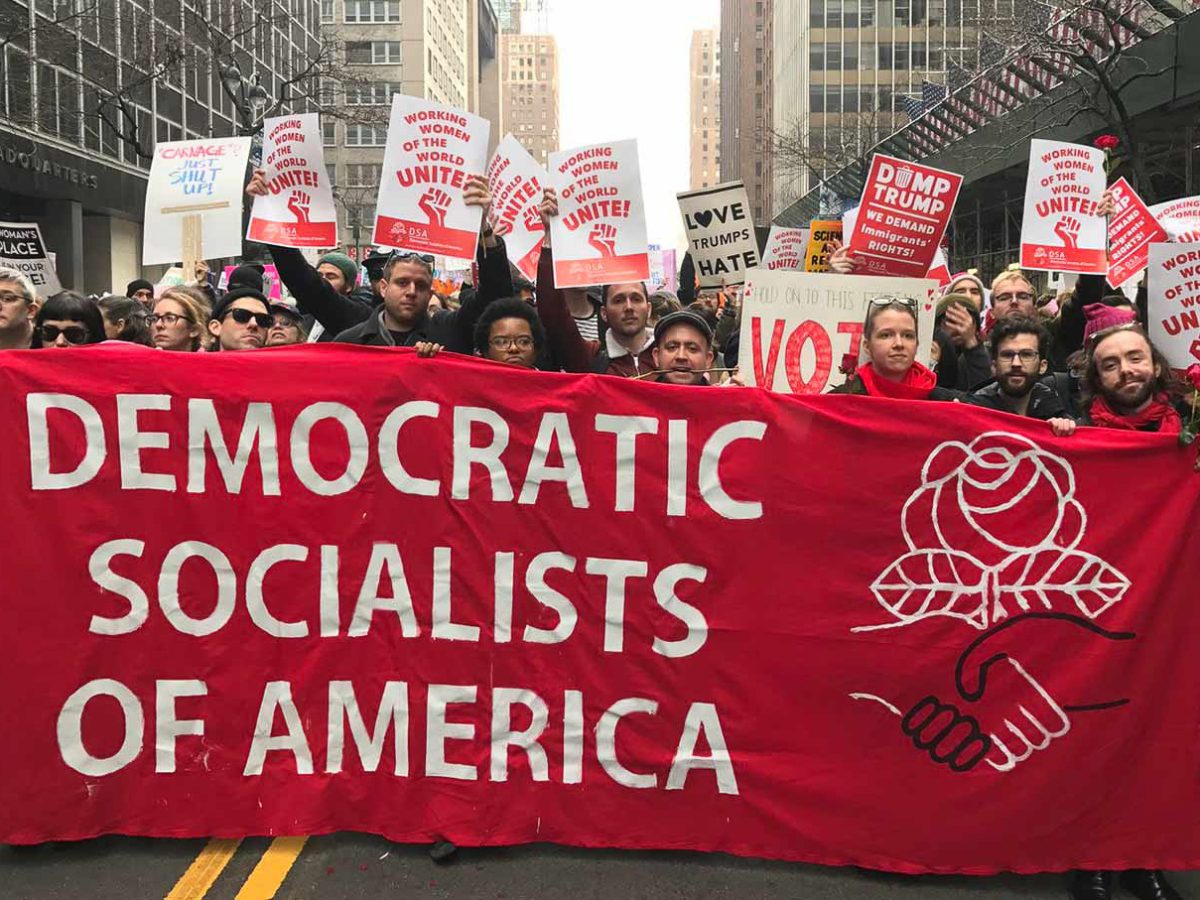
That number is low because, for whatever reason, our generation seems to think that virtue signaling or posting paragraphs on an Instagram story is something that makes an impact in comparison to the other options we have at our disposal.
While there certainly is an argument that exists for that, it’s fairly safe to say that those things don’t hold a flame to other actions that our generation seems to forget exist.
Whether that means calling or writing to your senators, getting a meeting on the calendar with your member of the U.S. House to discuss your concerns or taking up matters at the local level in your city or town, it seems like we’re not taking advantage of those other devices that can actually make an impact.
Ultimately, when it comes to the recent issue of ICE, we shouldn’t argue whether or not you’re right and someone else is wrong, but rather realize that there are better options to resolving issues than simply fighting.
No one should have to lose a friend because of a disagreement that could be talked out.
This is exactly what we need to do: cool the temperature down, look at what’s in front of us, look at what other people are saying and find common ground. Right now, this applies to the conversation about ICE. In the future, it will apply to other conversations that we will all care about and want to see fixed or addressed.
Michael Duke, GSB ’26, is a business administration major from Scottsdale, Arizona.
