



















































































































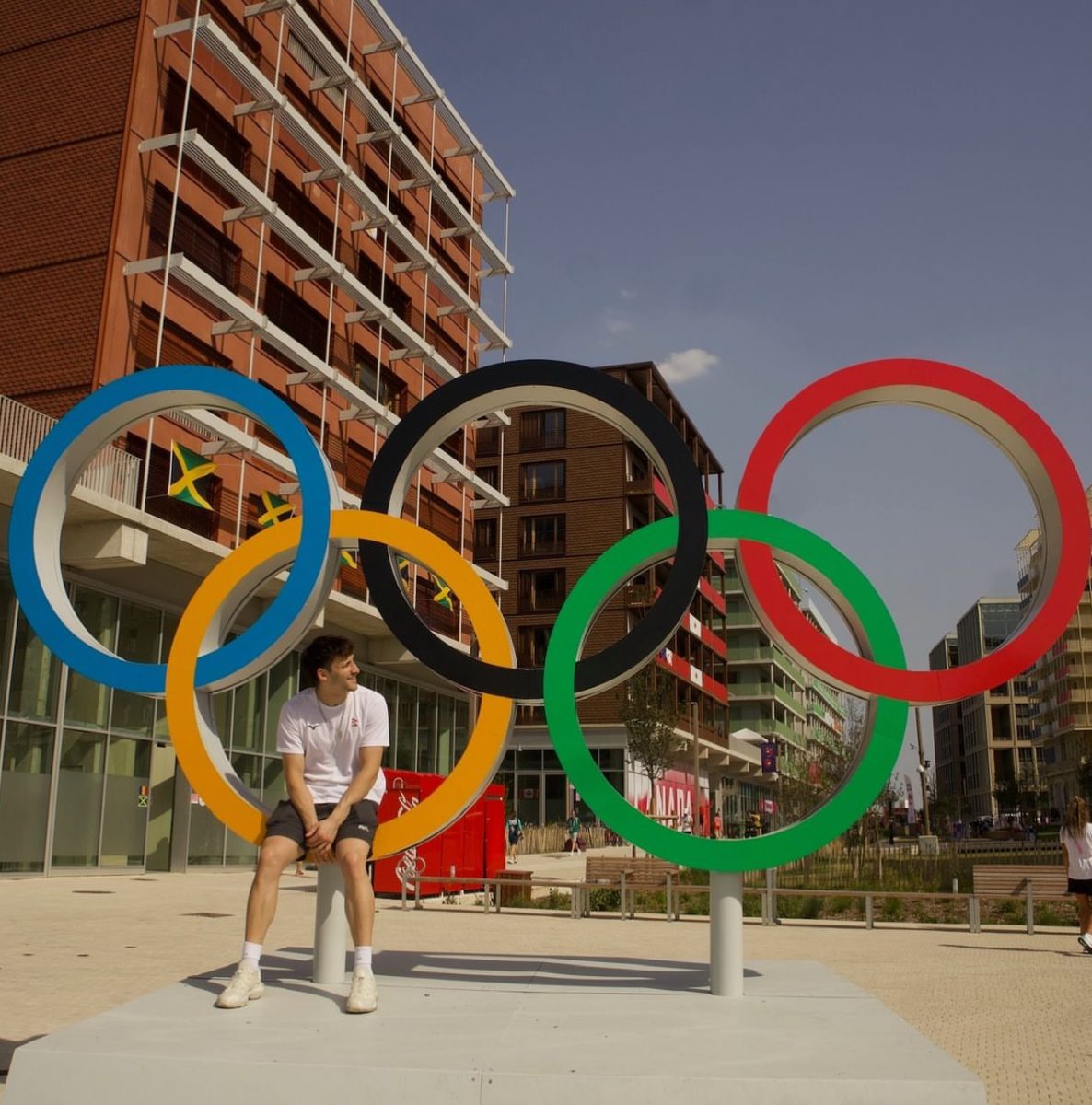
























































The Olympic Games have always stood as a crossroads of sport and global politics. From their modern inception in 1896, the Games have promoted ideals of unity, peace and shared human achievement. But the history of Olympic participation also shows that the International Olympic Committee (IOC) has repeatedly grappled with when, and whether, to exclude nations whose actions on the world stage violate international law or those of the Olympic Charter. The IOC’s tradition of barring countries from the Games is necessary in principle but inconsistently applied in practice. The 2026 Winter Olympics in Milan Cortina made this dilemma impossible to ignore with the barring of Russia and Belarus from competing due to their involvement in the ongoing war in Ukraine while Israel remained in the games, even though they have faced widespread international criticism and allegations of violating international law in their conduct in Gaza and the West Bank. While the IOC has a responsibility to uphold humanitarian values and the Olympic Charter, this year’s participant decisions revealed how difficult and politically fraught that responsibility has become.
Historically, the IOC has not hesitated to exclude nations whose policies directly contradict the values of international sport. Most notably, South Africa was banned from 1964 up until 1992 because of its apartheid regime, which enforced racial segregation and systematically discriminated against the majority of its population. Similarly, Germany and Japan were barred from the 1948 Games following World War II. These decisions demonstrated that the Olympic movement is dedicated to upholding a certain set of standards for those allowed to compete.
However, how does the IOC determine when a nation’s actions cross the threshold of expected standards warranting exclusion? The Olympic Charter emphasizes non-discrimination and respect for human dignity, yet it does not provide a clear enforcement mechanism. As a result, decisions often depend on a combination of legal considerations and pressure from member states. This lack of explicitly articulated, consistently applied criteria is what fuels ongoing debate about fairness, consistency and the true meaning of Olympic neutrality.
Currently, Russia and Belarus are permitted to send only a limited number of athletes per event to compete as neutral individuals rather than under their national flags. These athletes must meet strict eligibility requirements and cannot display national symbols, colors or anthems. However, because many international sports federations operate independently, individual events retain the authority to impose additional restrictions. In some cases, certain sports have chosen not to allow Russian or Belarusian athletes to participate at all, effectively barring them from competition in that discipline. The athletes who are approved to compete still face intense scrutiny within the IOC. In addition to heightened anti-doping protocols stemming from Russia’s state-sponsored doping scandal revealed around the 2016 Olympics, athletes are now subject to further vetting regarding public statements, affiliations and any demonstrated support for the war in Ukraine.
On the other hand, Israel’s athletes competed in Milan Cortina under their national flag, without any additional restrictions or coerced neutral affiliations. Unlike Russian and Belarusian competitors, Israeli athletes were not required to renounce national symbols, compete without an anthem or undergo additional political vetting tied to their government’s military actions. This contrast intensified criticism from viewers who perceived an inconsistency in how the IOC applies its standards. If the justification for restricting Russia and Belarus rests on violations of international law and the broader humanitarian consequences of war, similar allegations facing Israel should at least have prompted a comparable review process. Instead, the IOC maintained full participation rights for Israel, highlighting how not all geopolitical conflicts are treated equally under the Olympic framework that supposedly honors “fairness.”
The difference in treatment has led many to question whether decisions are guided more by geopolitical realities and diplomatic pressures than by a universal standard. As a result, the 2026 Winter Olympics did not merely showcase athletic excellence — they also highlighted the growing tension between the Olympic ideal of neutrality and the political realities that shape who is allowed to compete under a national flag.
Now that the Games have concluded, the broader questions raised at the outset deserve a clear answer. I believe the tradition of barring countries from participating in the Olympics is justified in principle. The Games are not just a sporting spectacle; they are a global institution that claims to represent peace and unity. If a nation’s actions fundamentally contradict those values, then the IOC cannot ignore that reality without undermining its own Charter. However, the 2026 decisions revealed how unevenly that principle can be applied. Restricting Russia and Belarus through neutral status signaled condemnation of the war in Ukraine, yet allowing Israel to compete without comparable review despite international criticism regarding Gaza and the West Bank highlights their inconsistency. Whether the IOC considers these situations legally distinct matters less to many viewers than the appearance of selective enforcement. If humanitarian standards are the benchmark, they must be applied consistently.
Caydence Jones, FCRH ’29, is a journalism major from Easton, Pennsylvania.
