






















































































































































































Safe staff-to-patient ratios, increased security amid rising violent incidents, guaranteed health benefits and accountability — these demands from the New York State Nurses Association (NYSNA) are more than reasonable. Nurses are heroes, deserving of every extra penny they are fighting for in the New York City nurses’ strike. They are the backbone of our healthcare system: holding the hands of the elderly as they pass on, welcoming new life into the world and walking beside us through the best and worst moments of our lives. Like many essential workers, nurses’ pay does not reflect the importance of their work. While they deserve higher wages, the purpose of the NYC nurses’ strike goes far beyond that matter.
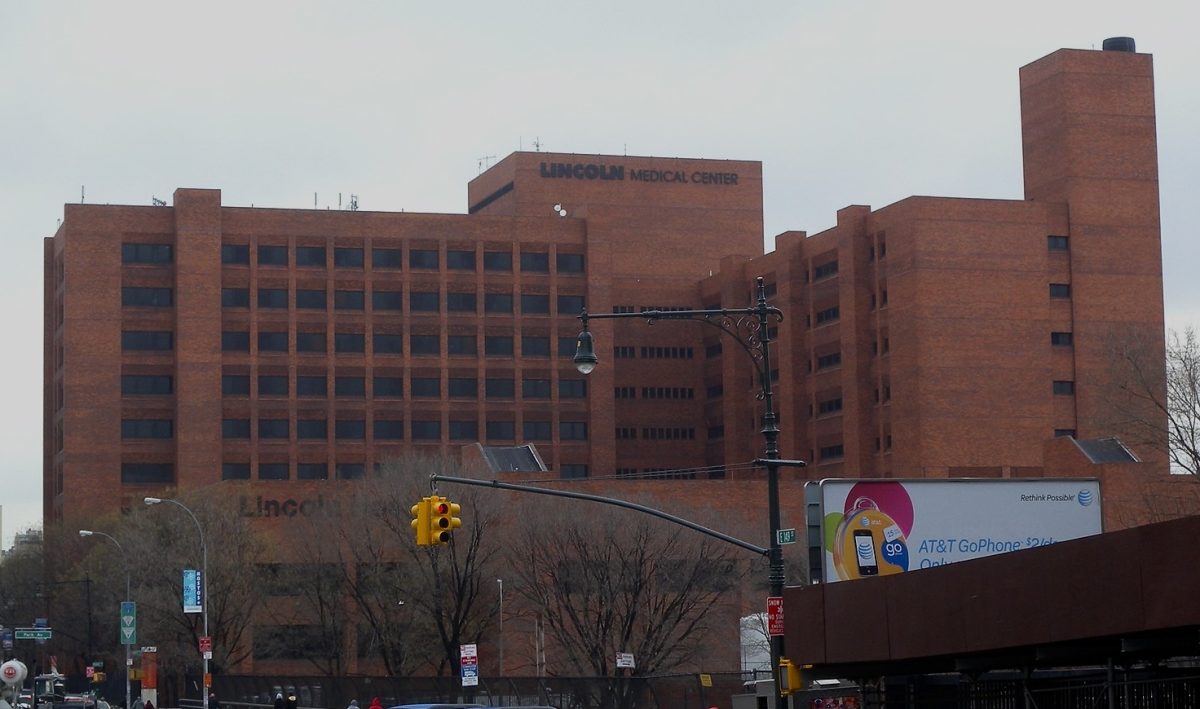
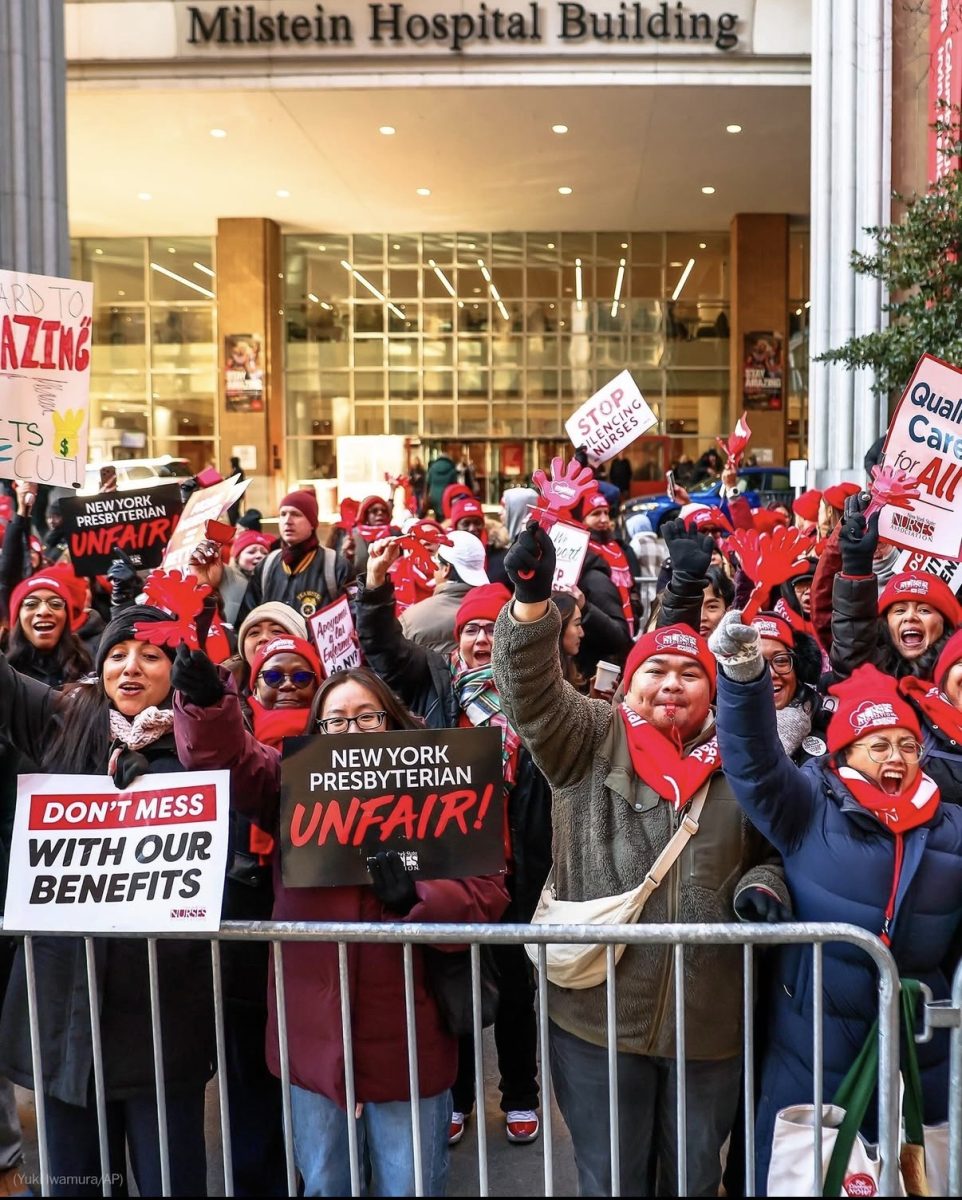
Currently, approximately 15,000 nurses throughout NYC are on strike. The work stoppage is impacting staff throughout three major hospital systems in the city, including NewYork-Presbyterian, Montefiore Medical Center and the Mount Sinai Health System. Mount Sinai West is located next to Fordham’s Lincoln Center campus, where students may receive care. These privately run hospital systems are some of the largest providers in the city, serving millions of patients each year. This strike, the largest nurses’ strike in NYC history, began on Jan. 12, as nurses walked off their jobs and onto the picket lines. After months of slow progress in negotiations with hospital system management on issues core to NYSNA, the strike did not come as a major surprise.
Even amid freezing weather and historic winter storms, these nurses are tirelessly fighting for better healthcare systems for all New Yorkers. The nurses are not ignorant of the short-term disruption their strike is causing and the impact it has on patients’ lives. However, these efforts are not in vain, but have long-term goals of improving NYC’s healthcare systems in mind. When hospital systems do not prioritize an adequate nurse-to-patient ratio, they push patients’ needs aside. Nurses are overworked, forced to take on workloads beyond what they can handle and, as a result, patients are unable to receive the quality and necessary medical care they deserve both quickly and carefully. While nurses are heroes, they are still human, and they can’t provide the high-quality care patients deserve when they lack the physical and emotional capacity to do so.
Speaking from the picket line, high-profile Senator and long-term union advocate Bernie Sanders perfectly put the necessity of the strike into words. “The people of this country are sick and tired of the greed in the healthcare industry. They’re tired of the drug companies ripping us off, the insurance companies ripping us off and hospital executives getting huge salaries,” he argued. “Don’t tell me you can’t provide a good nurse-staff ratio when you’re paying your CEO at NewYork-Presbyterian $26 million a year, the CEO of Montefiore $16 million a year, Mount Sinai $5 million a year.”
With each of these three major hospital systems’ CEOs making millions of dollars each year while refusing to increase the pay of their essential employees, it is clear where their priorities lie. They had the power and money to stop these strikes before they began, but they chose to protect their own wealth and greed over the well-being of their workers and patients. Running hospital systems should be about helping as many people as possible to receive the care they need to live long, healthy lives. Instead, these CEOs run their hospital systems like businesses, trying to make as much money as possible while paying their staff as little as possible and failing to provide a safe work environment.
According to the U.S. Bureau of Labor Statistics, healthcare workers experience an unusually high amount of workplace violence, accounting for 73% of all nonfatal violent workplace injuries recorded in 2018, the last year for which granular data is available. In 2023, the National Nurses United surveyed nearly 1,000 nurses and found that eight in 10 experienced some workplace violence within the past year. Instead of being met with compassion and action, hospitals often meet these nurses with disdain and dismissal.
“A lot of my coworkers get hurt, and they don’t bother reporting because nothing gets done,” Irinia Viruet, a 53-year-old immigrant from Bulgaria who works as a registered nurse at Mount Sinai’s Morningside campus, claimed. “I felt that it’s almost normal to feel you’re in danger, to wonder if you’re going to get hurt today and be out of work. That should be an issue. I shouldn’t have to come into work and feel afraid.” She experienced an attack herself, where the hospital did not take her claims seriously and told her to go home and rest for a few days instead of increasing security measures to protect her and her colleagues.
NYSNA announced on Sunday, Jan. 26, that they reached an agreement with Mount Sinai Hospital, Mount Sinai Morningside and West and New York-Presbyterian to maintain the current high-quality NYSNA Plan A health coverage without cuts. Still, the fight is far from over. As long as hospital executives continue to dismiss nurses’ demands as unreasonable, it is our responsibility as students in New York City to stand with them and demand better treatment for nurses and patients alike.
When it is 3 a.m. in the emergency room, and we are sick, scared and far from home, it is these nurses who will be there to care for us. We deserve a healthcare system in which those nurses feel safe, supported and able to provide care without fear, exhaustion or exploitation. Anything less puts both nurses and patients at risk and that is a cost New York City should refuse to accept.
Hailey Baker, FCRH ’27, is a political science major from Gaithersburg, Md.
