

























































































































































































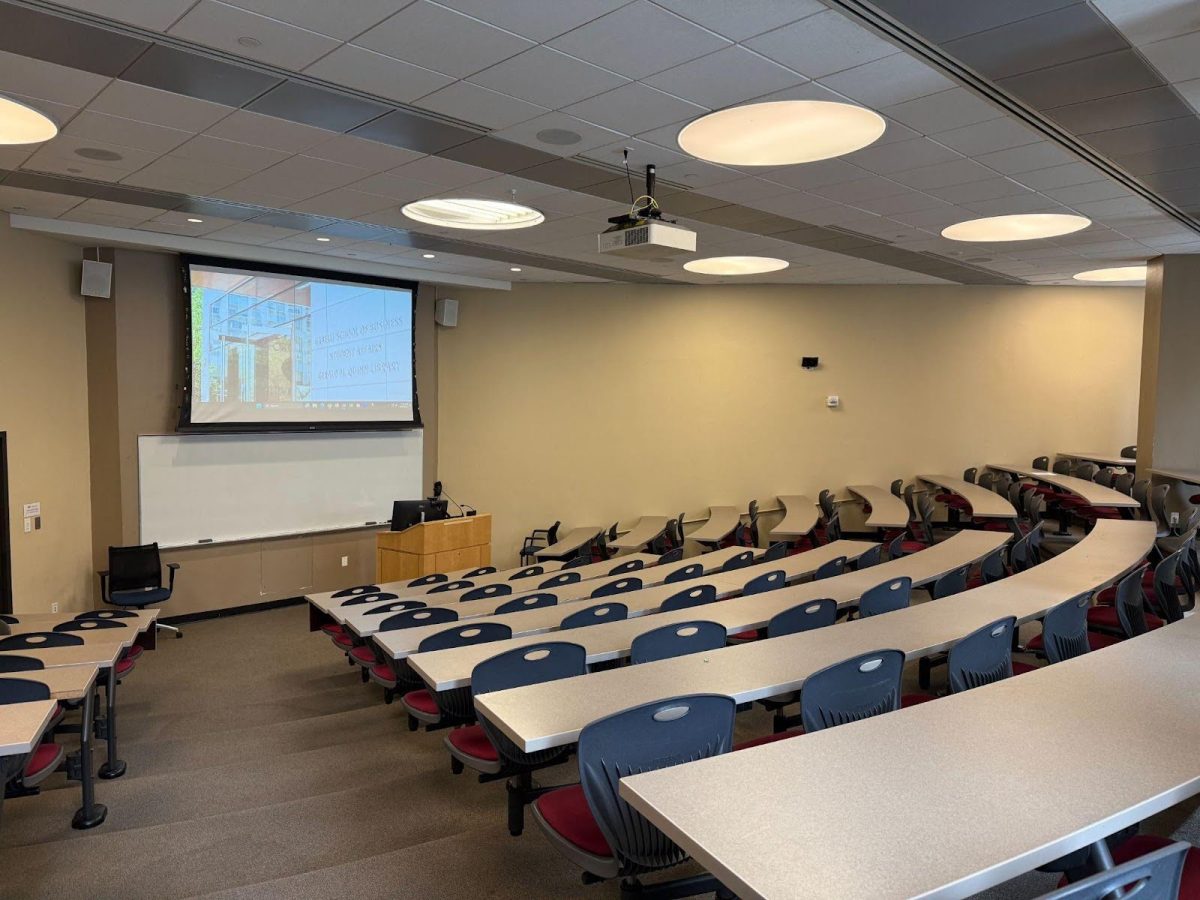
The first day of classes can be stressful for anyone, and unspoken rules can make it harder. Before we go through introductions and the syllabus is handed out, we must make a choice that will structure our entire semester: where to sit. It’s a small decision, but it carries more emotional weight than we might admit. By the second or third class, an unofficial seating chart has already formed. It’s usually not officially created, but it’s respected nonetheless.
I’ve always chosen my seat based on the fact that I wear glasses; I need to be close to the board, or else I’ll spend the class squinting. I give myself two or three class meetings to test out the room and find the best view, and once I’ve found my spot, I stick with it. I know I’m not alone — most students do this, even if they claim not to care. We like to think of ourselves as flexible, but the moment someone sits in “our” seat halfway through the semester, something inside us bristles.
This phenomenon of “unassigned-assigned seating” is one of the most universal, yet unspoken social contracts in college life. No one writes them down, but everyone knows the rules. In the first week, all seats are fair game: the add/drop period is still open, and everyone is figuring out their routines. But once we’ve hit the third or fourth week, the seating chart has solidified. So, if someone takes our seat, we feel irritated and displaced. But do we confront that person? Do we have the right to?
Part of the answer lies in psychology. The National Library of Medicine describes ownership as rooted in self-ownership — the idea that our brain extends our sense of self into the objects and spaces we regularly use. A desk and a corner of a classroom become an extension of us simply because we’ve occupied it repeatedly. It’s not rational, but it’s deeply human; we claim things by habit.
Classrooms complicate this instinct because they are communal spaces. No one has a legitimate claim to a particular seat, but the emotional claim feels real. That tension between personal attachment and collective ownership is what makes the dynamic interesting. We know we don’t own the seat, yet we still feel that way.
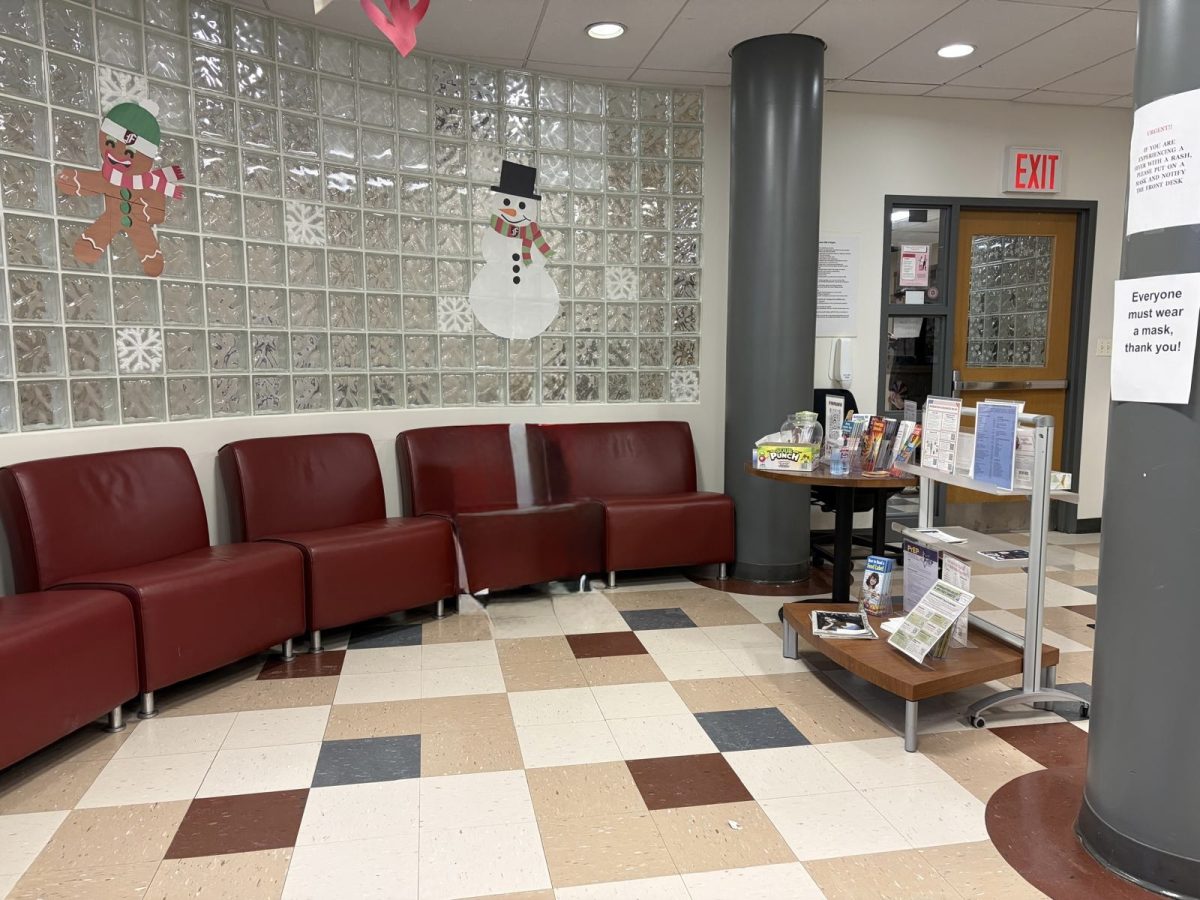
Seating also shapes how we learn. For example, Yale’s Poorvu Center claims that classroom layouts influence a variety of factors such as motivation, participation, attention and relationships. At Fordham, many classrooms are small and therefore rigidly structured; seats are packed closely together. In some, there are rolling chairs, but those spark mixed feelings. I love the flexibility they provide for the setup, but others hate the wobbling and spinning. Even so, a room that allows movement makes group work together easier by providing a more conversational environment, and having fewer fixed rows feels less hierarchical.
Still, even the most thoughtfully designed classroom can’t prevent the territorial instincts that emerge once students settle into their routine. This raises the question of how much claim we actually have on a classroom seat.
On one hand, the argument for respecting unassigned seating is simple: it maintains social harmony. When everyone sits in the same place every time, people are more comfortable. They know where their friends are and where the board is. Disrupting this pattern can feel like disrupting the class itself.
On the other hand, insisting that a seat is “yours” can slip into entitlement, as these are shared spaces. No one pays tuition for a specific seat. And sometimes, the person who takes your seat is new or simply unaware of the unwritten rules. Most importantly, they have as much right to the space as you do.
This doesn’t quell the sting, however, so the truth lies somewhere in between. We don’t have the right to a seat, but we do have the right to the sense of belonging that the seat represents. When someone takes our spot, it disrupts a small, stabilizing ritual. Especially in a chaotic environment like college, where everything else is constantly changing, our classroom seats become anchors.
The better question isn’t whether we own our seats, but why we feel the need to. What does it say about us that we cling to these small territories? It could be a reminder that belonging isn’t just emotional or social but also spatial. We locate ourselves in the world by choosing a place to sit and returning to it each time. And that may be okay. The unofficial seating chart is less about territoriality and more about comfort, routine and the quiet ways we carve out space for ourselves on our campus.
Still, if you’re thinking about stealing someone’s seat as we come back from spring break, please don’t. Or at least be prepared for the silent, simmering resentment of the person whose sense of belonging you may have taken.
Catherine Payleitner, FCRH ’28, is a political science and journalism major from Chicago, Illinois.
