






















































































































































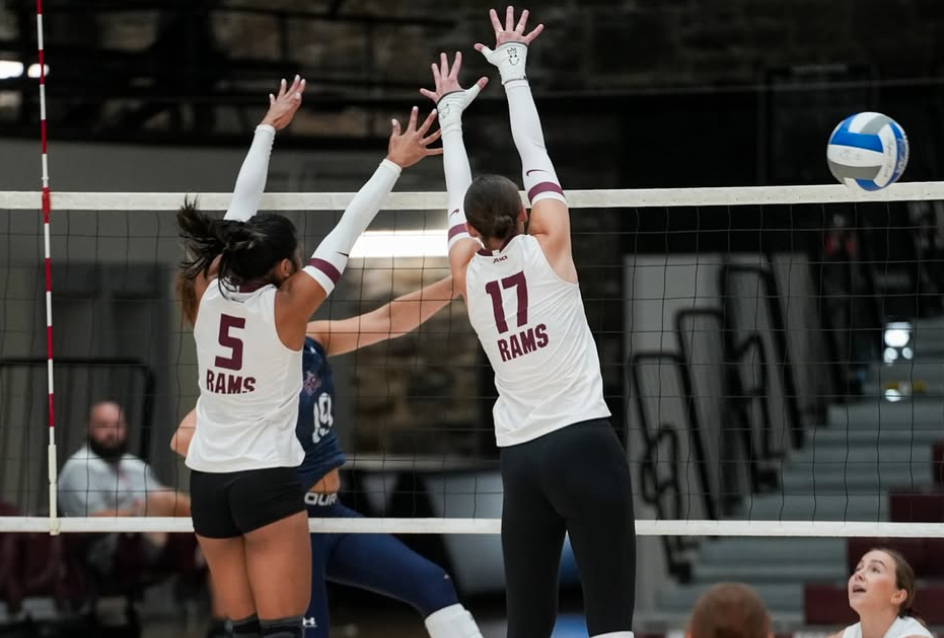






























After a long morning of heavy lifting in the Ram Fit Center — by which I mean three sets of bicep curls with eight-pound dumbbells — I can hear my muscles screaming out for fuel.
“Feed us! Feed us! We yearn for sustenance!” they scream as I peruse the breakfast options in my mini-fridge. Protein yogurt? Protein granola? Protein brownies? Protein smoothies? Protein oatmeal? I can even walk over to Dunkin’ Donuts and grab a protein-filled coffee! Or is that a step too far?
Many claim that there are just too many protein-enhanced foods out there. We seem to always ask, “Can we add protein?” but rarely, “Should we?”
But I think we should! Protein-filled beverages can actually help people maintain healthy diets. After all, if you get your protein from Starbucks, you don’t need to eat as much meat to hit your protein goal. That said, before we can discuss today’s prevalence of protein-rich diets, we need to understand where this obsession comes from.
It began in the mid-19th century, when scientists identified carbohydrates, fats and proteins as the three pillars of energy. In the 1860s, Justus von Liebig, a German scientist, concluded that muscular exertion required more protein than carbs and fats. He began mass producing a protein-enriched meat extract — one of the first artificially protein-enriched products out there — as a cheaper alternative to costly animal meat. By the end of the century, the benefits of protein were widely known, as was Liebig’s faux meat.
The nutritional qualities of protein were so renowned that in the 1890s, the U.S. Department of Agriculture even recommended protein for the working man. How much protein did they recommend? Just about 110 grams per day. No wonder Liebig’s meat extract was flying off the shelves!
But this recommendation was limited to working men; protein was not recommended to women and children. In fact, protein wasn’t linked to weight loss until the early 2000s, at which point consumption surged. That surge continues today. In the 2025-2030 U.S. Dietary Guidelines, the federal government recommends 1.2 to 1.6 grams of protein per kilogram of body weight per day.
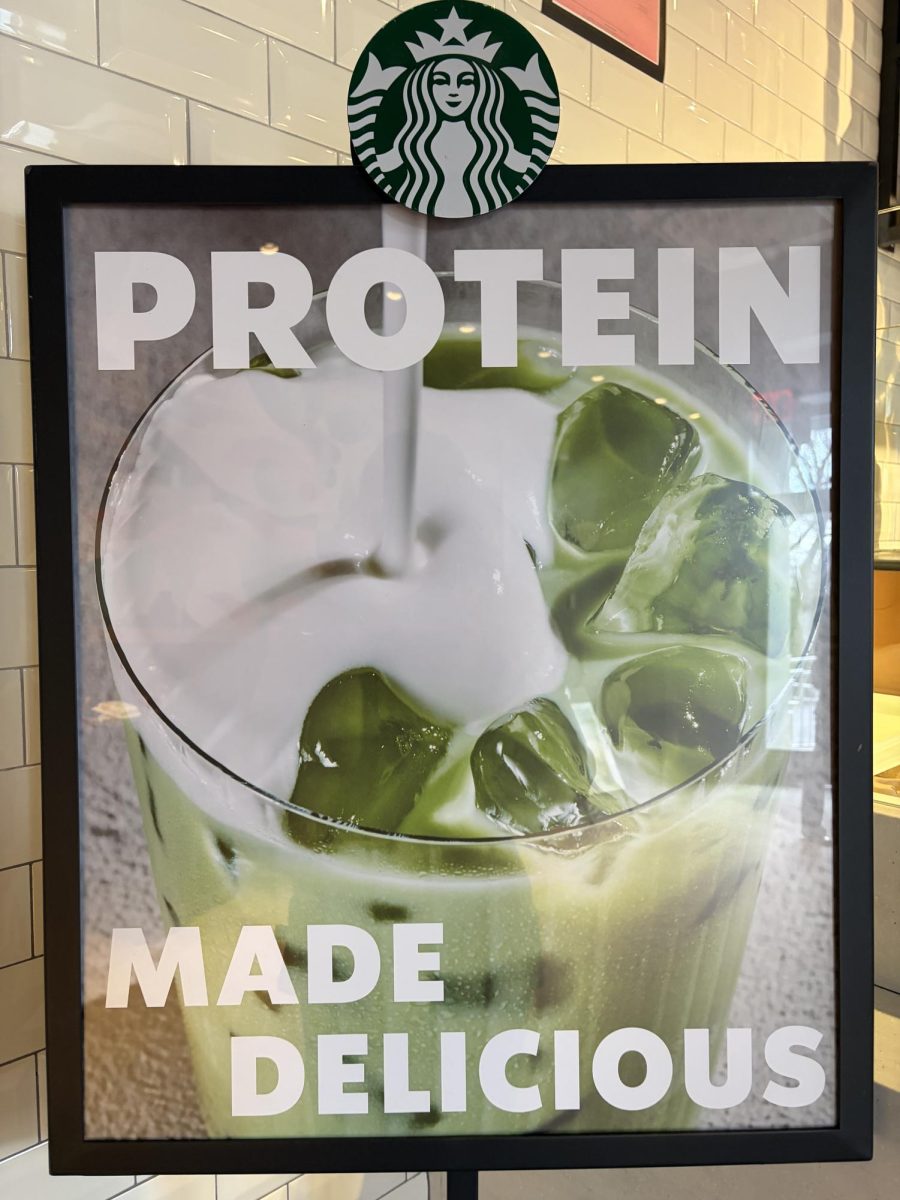
Now, many coffee chains are releasing new lines of protein-packed beverages. Starbucks added Protein Lattes and Protein Cold Foam to its menu. A beverage with Protein Cold Foam can have up to 26 grams of protein, and a Protein Latte with Protein-Boosted Milk can contain up to 36 grams. That’s a lot of protein!
And Dunkin’, not one to be outdone, now offers “Protein Milk,” which “giv[es] guests a simple way to add protein to the drinks they already love — no new routine required.” How thoughtful! These drinks can contain up to 20 grams of protein. And, of course, just releasing protein-packed drinks wasn’t enough. Dunkin’ also announced a new campaign, entitled “Dunk N’ Pump,” featuring Megan Thee Stallion, who leads a jazzercise-inspired workout that is fueled by Dunkin’ Protein Refreshers.
Honestly, I don’t mind all this protein. If people want to drink it, let them! As Marie Antoinette once (allegedly) said, “Let them eat (the protein-filled) cake!” But while it’s tempting to focus on hitting protein goals, my concern is that people are ignoring other, equally important nutritional goals.
Many high-protein diets rely on red and processed meats — foods that are notoriously full of low-density lipoprotein (“bad”) cholesterol. Higher levels of LDL cholesterol can cause plaque buildup in arteries. And when enough plaque builds up, it’s bound to break off and form a blood clot, which can cause a stroke. Cholesterol aside, studies show that people who eat red meat consistently have three times more Trimethylamine N-oxide (TMAO) in their blood. TMAO is formed during digestion, and it has been found to both enhance cholesterol deposits in arteries and interact with platelets — blood cells that form clots to stop bleeding — to increase the risk of clot-related incidents like heart attacks and strokes.
A nationwide increase in cholesterol and TMAO levels in blood as people try to hit their protein goals plays a role in the rise in heart disease in America. Today, heart disease kills more people in America than anything else. In fact, heart disease and strokes together kill more people than the number two and three leading causes of death (all cancers and accidental deaths, respectively).
Eating more red and processed meat not only leads to heart problems, but also to cancer. Colorectal cancer rates in Americans aged 20-39 have risen since the mid-1990s due to sedentary lifestyles and increased red meat consumption. High-fat, low-fiber diets — or diets filled with protein but lacking in fiber — increase colorectal cancer risk.
Honestly, maybe protein-packed beverages are a step in the right direction — a step away from foods high in cholesterol. Starbucks and Dunkin’ may not realize it, but they might be saving lives (emphasis on might). So if you want a protein-filled coffee, go for it! And maybe the real question isn’t “should we add more protein?” but “what else can we add?”
Emma Kelner, FCLC ’29, is an economics major from Staten Island, New York.