



































































































































































Language is a highly volatile aspect of human life, perhaps even the most. It is the direct representation of our minds and cultures, reflected by differences in accents, dialects and diction. Above all, language performs as the vital gateway to forming human connection. Without the complexities of language, communication would be reduced to solely presence and action. Varying from person to person, language is situational, expressive and captivating. That is exactly why I find it so important to master the art of dictating your own language.
Situationally, language is an inescapable way of conveying your image to listeners. There is a very large difference in the way that I speak to my professors (mindful of refined politeness and respect) versus the way that I speak to my friends (carefree and absentmindedly). While both of these ways that I dictate my language are true to myself and representative of what I am thinking, the differences are a product of what I have learned will be accepted in each scenario due to societal standards.
This is an example of situational language. As stated by Craig Thane for Cambridge University, “One friend might say to another ‘Can I have a chat with you later?’ However, if the person making the request wants to talk to their boss who they have a distant relationship with, the request might be something like ‘Would it be all right to have a meeting with you this afternoon?’” I, like many others, have learned how to approach those around me in the most appropriate way depending on what their relationship is to me. By keeping situational language in mind when I speak to others, I am dictating both what to say and how to say it while exchanging said dialogue.
Language is equally as important to dictate when it comes to self-expression. Speech is an easy way to express yourself, whether done intentionally or not. Some ways that language can be expressive of the self include written work (i.e. poetry) or spoken accents. Beginning with written work, using my example of poetry, the language chosen for the piece is solely chosen by the writer to express what they are thinking and feeling towards the subject. As expressed by Briesa Koch through Richmond Public Library, “Poetry is an intimate and creative form of self-expression that allows us to give voice to our most complex emotions and experiences.” Written language can be just as powerful as when it is spoken, allowing us to dictate our language in a different way.
In a more subconscious sense, accents are another significant way of dictating our language. Although accents are second nature to our beings, they are representative of our life experiences and cultures. If everybody had the same spoken cadence, there would be no way to tell where others are from or simply appreciate the beauty of somebody speaking in a different way than you do. As stated by Charlotte Guest for Pearson Education, “Accents matter because they are a core part of our identity and how we relate to the world. For language learners, accents can be a source of pride or frustration… Accents add diversity and richness to language and should be embraced.” Accents allow vast differences in the way that we dedicate our own languages, as they are unique and represent parts of our lives and cultures often without having to share them explicitly.
Ultimately, dictating our own language goes beyond simply speaking; it is shaping how we speak, how we represent the strength behind our words and what makes the way we talk unique from person to person. Whether it is done through the act of situational language, expressing ourselves through creative or informational writing or the subtle influence we give through our accents, we are constantly choosing how we present our thoughts to the world.
Language is not a stationary way of life, for it is constantly growing and evolving as time passes to reflect the ways that we develop as a human race. By learning how to dictate your own language to the best of your ability, you will gain the power to communicate who you are with clear intention, clarity and purpose.
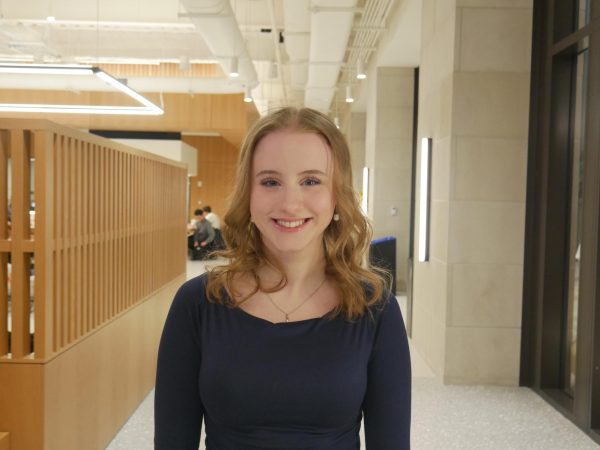
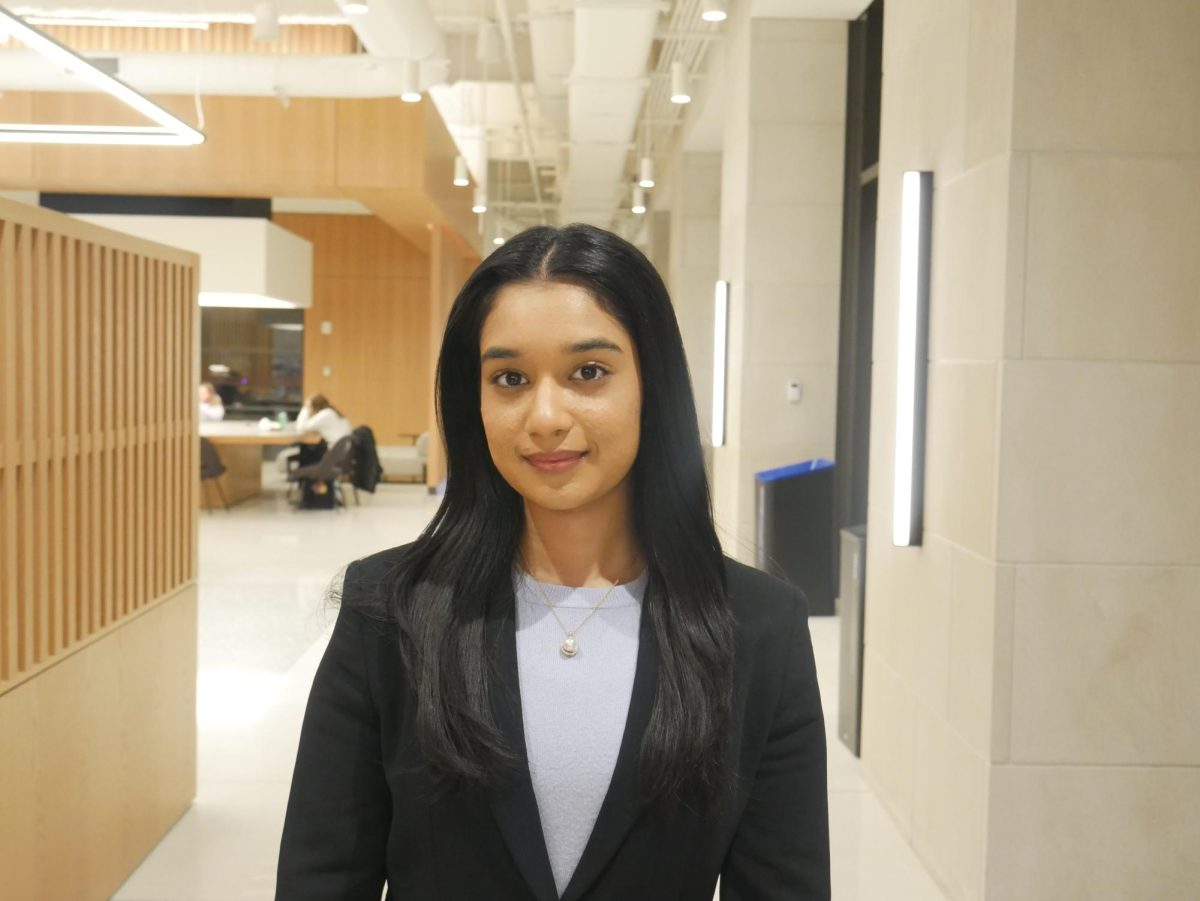
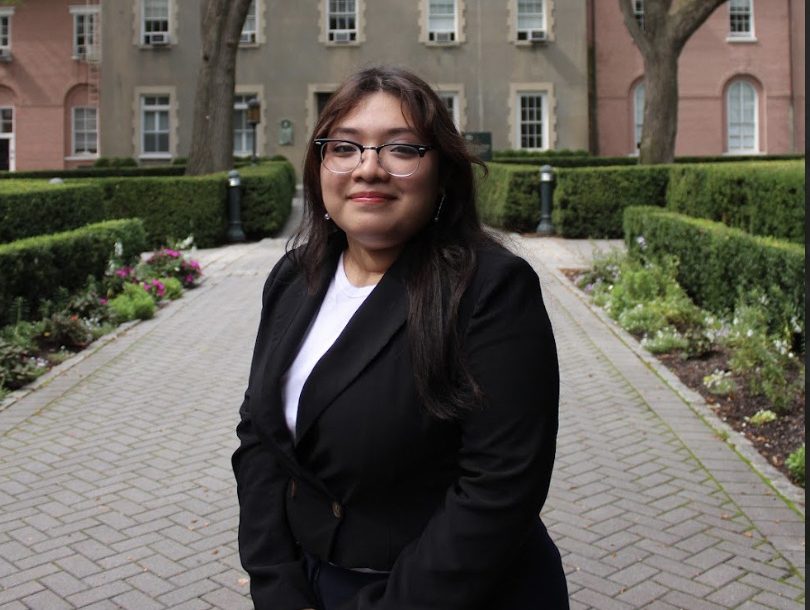
Emily Mitton, FCRH ’29, is a journalism major from Lisbon, New Hampshire.