






























































































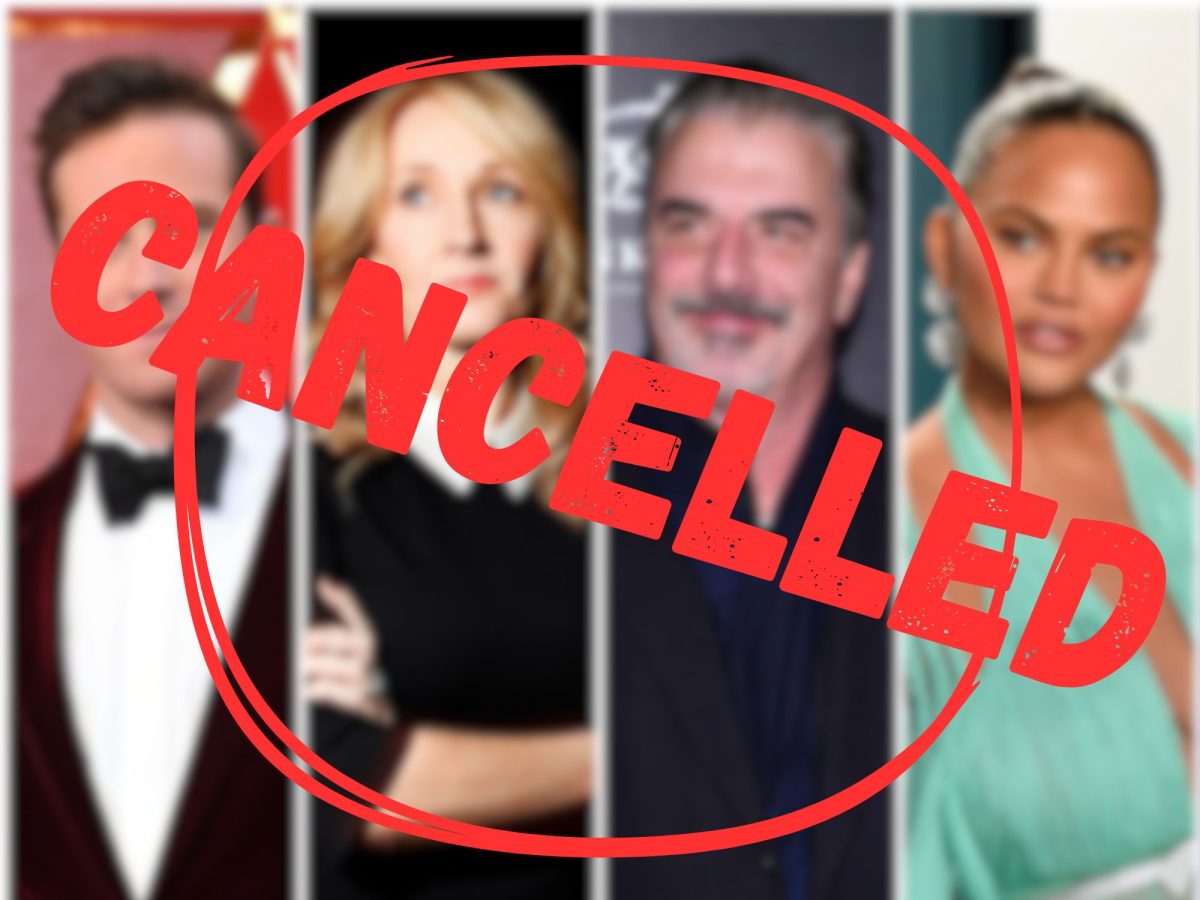
In an age where every celebrity misstep becomes a trending headline within minutes, it’s harder than ever to consume art without also consuming the artist behind it. Social media, paparazzi culture and the sheer speed of the spread of information online makes it so that fans and critics alike often know more about an artist’s personal life than the artist would ever choose to share. Honestly, we should know less about celebrities because it leads to increased scrutiny that non-celebrities don’t have to face. Whether conscious or not, we carry that knowledge when listening to a song, watching a movie or admiring a painting. So when an artist is “cancelled,” what happens to their art? It is possible to separate art from the artist, but the real question is whether doing so is ethically responsible.
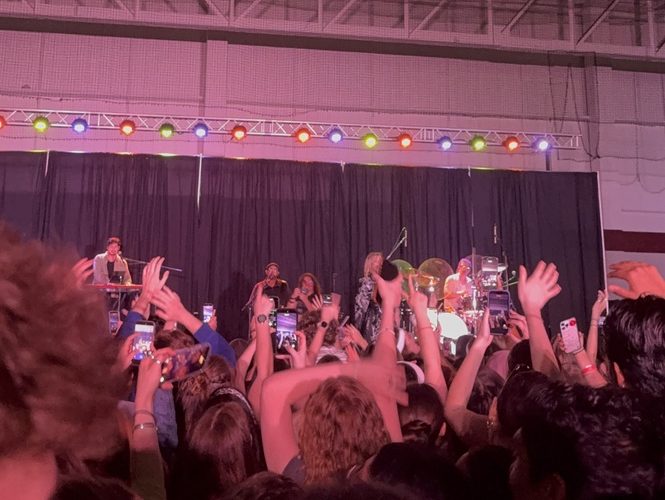
Many people separate the two constantly. Sometimes it’s intentional; sometimes it’s simply convenient. When Chris Brown pleaded guilty to assaulting Rihanna in the early 2000s, many listeners stopped supporting him entirely. But others continued to enjoy his music. His 2024 “Breezy Bowl XX” tour sold out arenas, with fans saying they chose to put his past aside. A similar dynamic appears in less extreme cases. Taylor Swift has faced criticism for her carbon footprint, including reports that she allegedly produced 138 tons of carbon dioxide in just three months while commuting to and from Kansas City, Missouri. Swift’s publicist told BBC News that she purchases carbon offsets to compensate for private jet travel. For some fans, this information changed how they viewed her and her music. For others, it didn’t matter at all. They compartmentalized: The art is one thing, the artist another.
This kind of separation is possible because once art is released into the world, it takes on a life of its own. A song becomes reminiscent of a meaningful movie, a movie becomes part of a family tradition, a painting becomes a symbol of something deeply personal. People often feel that their relationship with the art is independent of the person who created it.
But the counterargument is equally compelling, as sometimes the art is the artist. Frida Kahlo’s paintings are inseparable from her physical pain, political beliefs and personal relationships. Understanding her life transforms the meaning of her work. And Pablo Picasso’s treatment of women is deeply intertwined with his artistic evolution. Some viewers find it impossible to appreciate his work without accounting for the harm he caused. In these cases, separating the art from the artist can feel dishonest, as if it ignores the very experiences that shaped the work.
This tension becomes an ethical dilemma. Just because we can separate art from the artist doesn’t mean we always should. When an artist has caused harm — especially if it is ongoing, unaddressed or tied to their power — consuming their work can feel like complicity. Our streams, ticket purchases and museum visits aren’t neutral; they contribute directly to an artist’s financial success, cultural influence and continued social platform. Even if we disapprove of their actions, our consumption can still support them. It’s worth asking whether our money aligns with our values.
But at the same time, not all “harm” is equal. There’s a difference between disagreeing with an artist’s political views and supporting someone who has committed violence or abuse. The ethical stakes vary depending on the severity of the wrongdoing, the artist’s response to it and the impact of our support.
Some people try to find a middle ground by consuming art in ways that don’t financially benefit the artist, like pirating music or movies. But this raises its own ethical problems. Piracy doesn’t just affect the artist, but also many people involved in producing the work. It also sidesteps the deeper question: If you feel the need to avoid supporting the artist, why engage with the art at all?
A more honest approach might be to acknowledge the artist’s wrongdoing openly while still engaging with the art critically — especially if the artist has tried to make amends. This doesn’t mean excusing harmful behavior, rather it is recognizing that our relationship with art is complicated, and that being human is, too. We can hold multiple truths at once: Art can be meaningful, and artists can be flawed. In fact, their flaws might be what enables them to make art well enough for people to enjoy.
Ultimately, the question becomes personal. Once you learn something about an artist, it’s nearly impossible to “un-learn” it. And that knowledge shapes your interpretation of their work. The decision then becomes: Can you enjoy the art without feeling complicit? Does supporting it conflict with your values? Does the art still feel meaningful in light of what you know?
Instead of pretending the separation is clean or universal, we should approach each case with awareness. Our choices as consumers have moral weight, even when the art is beautiful. The goal isn’t to create rigid rules about what we can or cannot enjoy. It’s to recognize that our engagement with art is shaped by the world we live in.
Catherine A. Payleitner, FCRH ’28, is a journalism and political science double major from Chicago, Illinois.
