





















































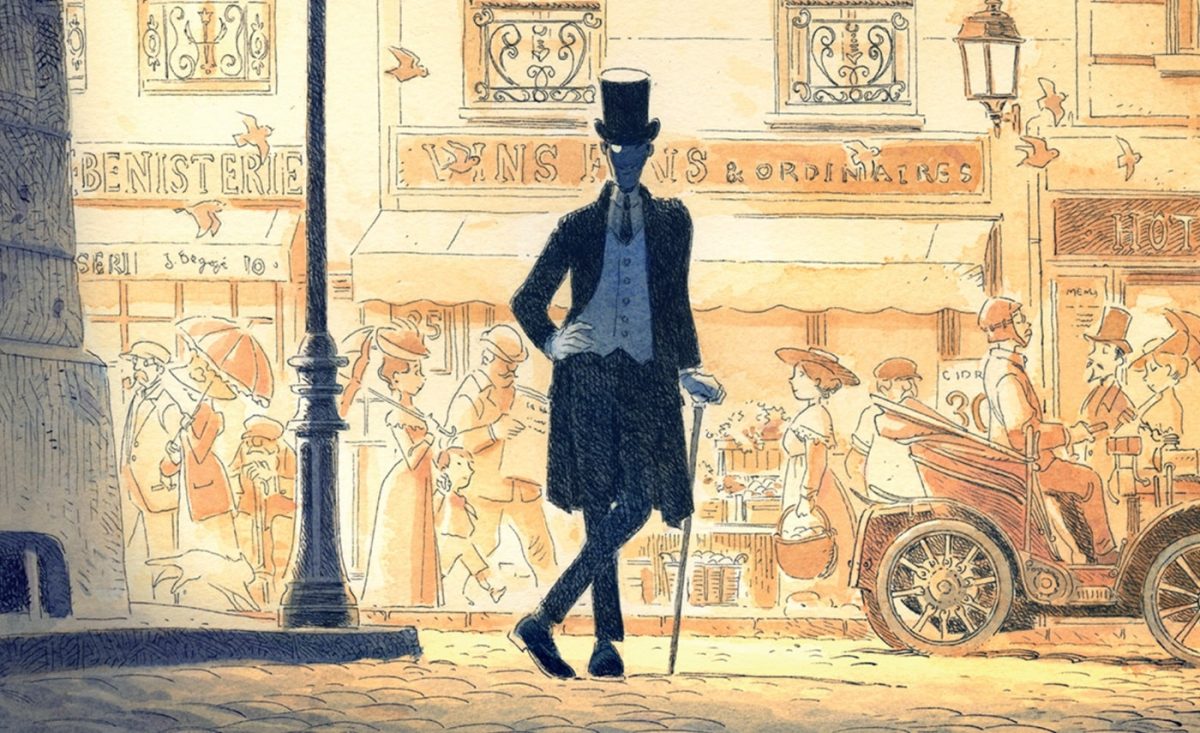


















































































































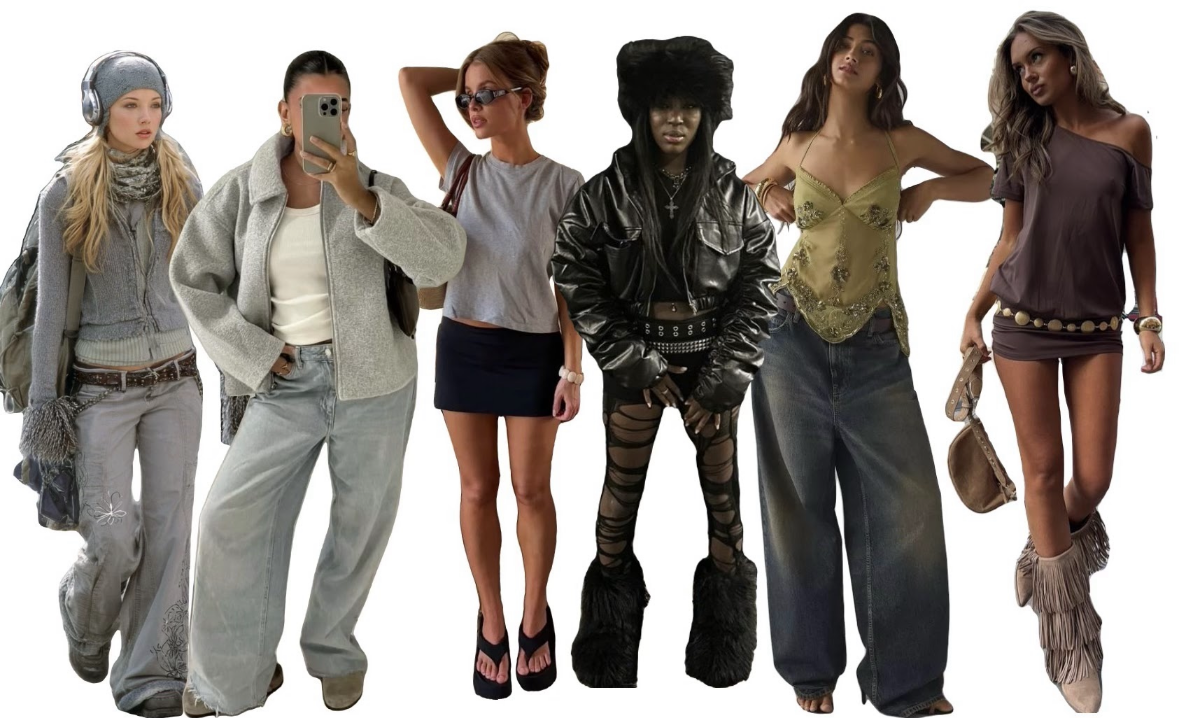
At some point in early adulthood, I find many people asking themselves a familiar question: “What is my aesthetic?” It’s quite similar to the question of what I want to do when I graduate. People are still figuring themselves out. Whether it’s scrolling through TikTok, Instagram or Pinterest boards, it can feel as if everyone is trying to figure out their style. Words like “preppy,” “clean-girl,” “minimalist,” “baddie,” “old-money,” “classy” and “Y2K” are often used to describe fashion identities. Other labels such as “boho-chic,” “punk,” “goth” and “Stockholm style” have gained popularity online.
These aesthetic labels stand for more than fashion; they shape entire lifestyles. But adopting only one may miss the point: A person’s individual style should be liberating, not restrictive. Fashion is most powerful when it empowers people to explore different aspects of themselves, not when it forces them into a single category. Fluidity in style choices supports authentic self-expression.
Society often places great importance on how people present themselves. Clothing, aesthetics and style influence how others perceive us, which is part of why many people feel pressure to define their aesthetic clearly. But the most authentic expression of style may come from embracing change rather than resisting it.
In the end, aesthetics are fun tools for creativity, but they should never feel like boundaries. Instead of confining personal style to a single label or trend, recognize that it can change and differ between individuals, expressed through their choices, hobbies and personality traits. For instance, someone with a “clean-girl” aesthetic might like neutral tones, wellness routines and classical music, while someone drawn to a punk aesthetic might gravitate toward darker colors, bold accessories and alternative music.
Aesthetics are a form of self-expression. Fashion lets people explore their identity and express their personality. Curating personal style in adulthood means making executive decisions about what feels authentic. Experimenting with styles can help clarify who you are.
However, the idea of having a definite aesthetic can also create subtle pressures. Social media has definitely intensified the discussion of aesthetics. As soon as I open the app, TikTok search suggestions are categorized with Y2K, “girly-girl,” clean-girl aesthetics and so much more. These aesthetic groups present themselves visually, making it seem as though everyone has to belong to a specific category.
There is pressure to align with a particular aesthetic, which can feel limiting for self-expression. What if your aesthetic is actually a combination of multiple? Personally, I think I fit into a certain type, but again, there is more to me than just the way I dress, so I can’t say my aesthetic is 100% one way or another. I’m Asian and white, so growing up, I never felt that I identified with one cultural race that aligns well with my everyday aesthetic.
When someone feels they must commit to a single vibe or lifestyle, they might avoid experimenting with styles that do not fit neatly within that particular identity. For example, someone who strongly identifies with a minimalist aesthetic might hesitate to wear bold colors, even if they genuinely like them.
Another challenge is the pressure of comparison. Social media exposes people to countless images of people who embody these certain aesthetics “perfectly.” The need to feel perfect can often be intimidating when expressing one’s aesthetic well. This can make individuals feel as though their own style is incomplete or not good enough. In reality, many of these images are carefully staged and edited, representing an idealized version of personal style rather than everyday reality and the real face.
The reality is that personal style is rarely fixed. What someone wore in high school might look completely different from how they dress in college or later in their career. Style often shifts alongside changes in personality, interests and confidence.
Because of this, changing aesthetics should be embraced as normal. Switching between styles shows growth, not inauthenticity. Personal style is most authentic when it evolves with the individual.
Despite these challenges, aesthetics can still play a valuable role in self-expression if approached flexibly. Rather than treating an aesthetic as a rigid identity, it may be more helpful to view it as a source of inspiration. A person can borrow elements from different styles, mix and match and influence others every day through their individualized and unique aesthetic.
Bridgette Leahy, FCRH ’27, is a journalism major from Basking Ridge, New Jersey.
