




























































































































































































Printing is a mundane task that quickly becomes a real barrier when it’s expensive and unreliable. What should be a simple part of academic life often turns into a small but persistent source of stress. To many students on this campus, printing seems like an errand or a gamble of whether the machine will have paper or be out of order.
At Fordham, printing is managed by Ram Print, a service that allows faculty, staff and students to print, copy or scan materials at any designated device around campus. In theory, it’s a flexible, campus-wide service with printers in classroom buildings, residence halls and the library, all connected through an online queue. In practice, however, the convenience comes with a cost. Printing costs 25 cents per color page and 5 cents per black-and-white page, and non-athlete students are permitted about $10 per semester. Fordham athletes print for free.
For students who print frequently — either by choice or because they’re required to — these fees add up quickly. Should students have to pay for printing at all? Why do athletes have the privilege of free printing while the rest of the student body doesn’t? And is it more cost-effective to purchase a personal printer or to pay per page? These questions get at a deeper issue: printing isn’t an optional convenience. It’s a part of academic participation, and when the service is costly or unreliable, it becomes a barrier to learning.
For many students, printing isn’t optional, as some professors require hard-copy readings or assignments. If you’re printing 40 pages a week for class, that $10 semester allowance disappears before midterms. After that, you’re forced to pay out of your own pocket. At that point, printing stops feeling like a service provided and starts feeling like another bill. Students shouldn’t have to choose between completing their coursework and saving money.
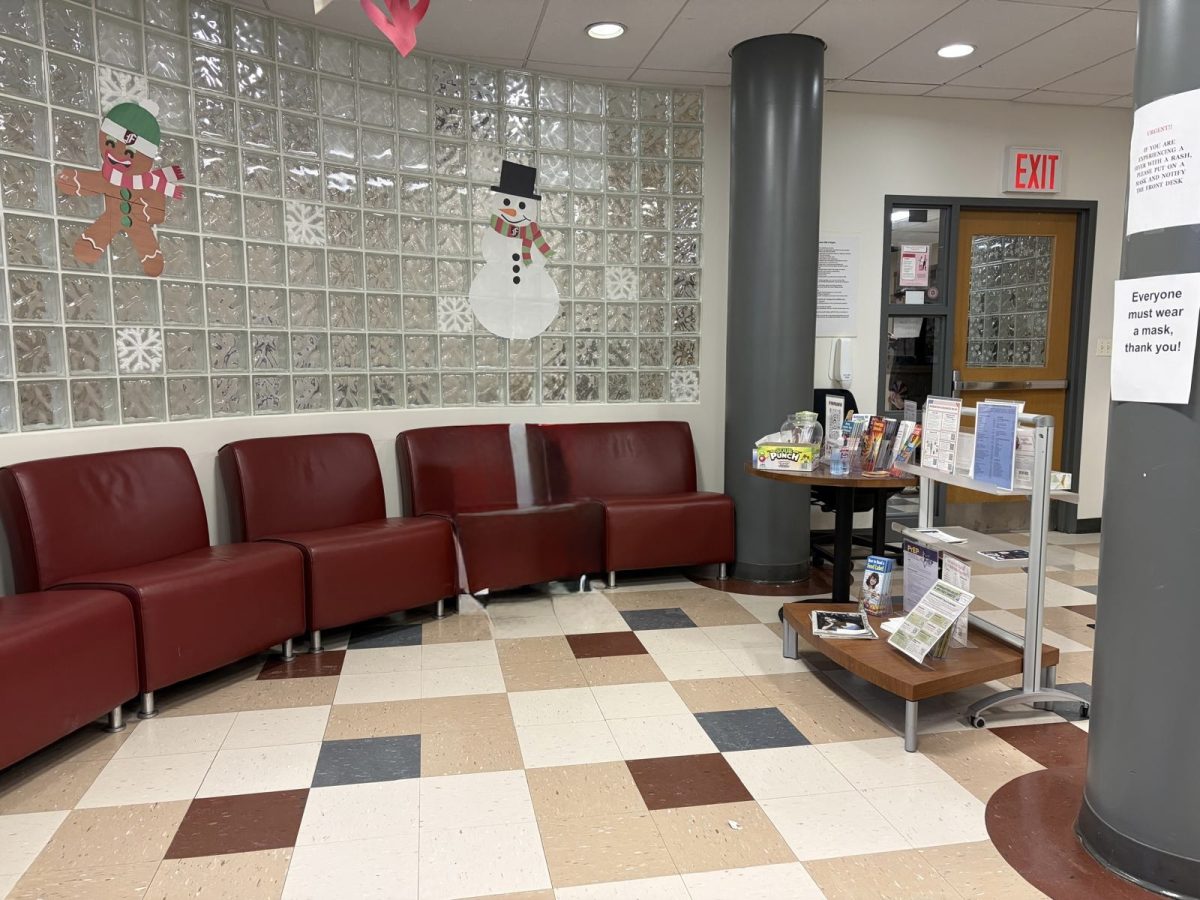
Fordham isn’t alone in charging for printing; our neighbors at NYU, for instance, charge 10 cents per black-and-white page. But if Fordham is charging for these services, we should expect better access, maintenance and reliability. Instead, it’s often the opposite. In my residence hall, there is a printer, but it is often out of paper, and it’s unclear who to contact to get a refill. I often have to walk to the McShane Campus Center or Walsh Library to find a printer, where there are lines. It’s not uncommon to find a machine out of paper or toner, or entirely out of order. The burden of maintenance shouldn’t fall on students who already have packed schedules. A system that charges students but doesn’t guarantee basic reliability treats printing as a revenue stream rather than an academic necessity.
Access issues go beyond maintenance, as the fact that athletes print for free adds another layer of inequity. It’s not that athletes don’t deserve support — they juggle even more demanding schedules and represent the university — but it raises a fair question of why free printing is tied to athletic statues rather than academic need. A student who prints multiple times a week for classwork arguably needs printing access just as urgently as someone printing pages for an away game. When one group receives unlimited printing and the rest of the student body is capped, it sends a message about whose needs the university prioritizes. If Fordham can afford to subsidize printing for its athletes, it can afford to subsidize printing for all its students.
This issue is so prevalent that many students (including me and my roommates) have wondered whether it would be cheaper and less stressful to buy a personal printer. Even then, this isn’t a perfect solution, as ink and maintenance are expensive, dorm rooms are small and not every student can afford the upfront investment.
Fordham doesn’t need to reinvent the whole system, but a more equitable printing service could include a larger semester allotment built into tuition, free black-and-white printing for academic materials, regular maintenance checks and guaranteed paper restocking in residence halls. These are reasonable changes that acknowledge printing is a part of academic life, not a luxury.
Printing shouldn’t be a barrier to learning. If Fordham expects students to print, then the university should ensure that printing is accessible, affordable and reliable. Until then, the burden continues to fall unfairly on students who are simply trying to meet their class expectations.
Catherine Payleitner, FCRH ’28, is a political science and journalism major from Chicago, Illinois.
