










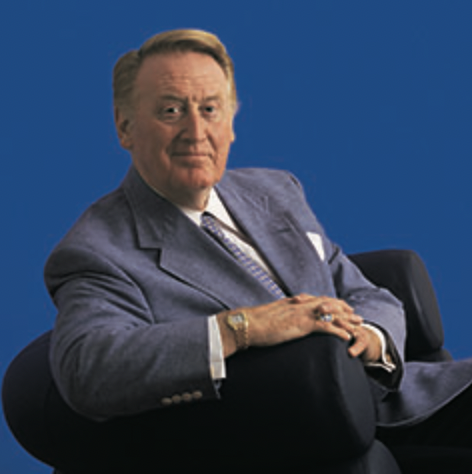































































































































Andrew Cuomo’s reemergence into New York City politics as an independent after losing the Democratic nomination has drawn both skepticism and support. However, in an election defined by populist energy, anti-establishment sentiment and political propaganda, Cuomo represents something rare in modern politics: experience, pragmatism and a genuine understanding of how New York operates.
Cuomo’s opponents want to cast him as a relic of the past. In truth, he is the only candidate with experience running the state. His years as a public servant were not without controversy, but they were also marked by unparalleled achievements in infrastructure, education and public safety. Cuomo knows how to manage the machinery of government unlike his opponent, Assemblyman Zohran Mamdani.
Cuomo’s greatest strength is his experience on the job. As a lawyer, as former United States Secretary of Housing and Urban Development and as Governor of New York (2011-21), Cuomo yielded tangible results by expanding access to affordable education, investing in significant infrastructure and backing efforts to keep New York safe. As mayor, Cuomo promises to address safety and affordability by adding more officers to subway stations, expanding transportation discounts for low-income New Yorkers and building affordable housing, among other initiatives.
Cuomo’s broader social-policy record also includes creating the New York State of Health, which expanded affordable coverage to nearly 7 million New Yorkers, lowered premiums through federal tax credits and strengthened protections for those with pre-existing conditions. Simply put, Cuomo knows how to manage the machinery of government. On the other hand, his leading opponent, Assemblyman Zohran Mamdani, has little practical experience in governance.
While critics often point to the sexual-harassment allegations that led to his resignation in 2021, many voters do not see these allegations as disqualifying, given that the criminal investigation never resulted in a conviction after the judge dropped the charge in 2022. Cuomo took responsibility and stepped down, demonstrating accountability in a political climate dominated by whataboutism, conspiracy and finger-pointing.
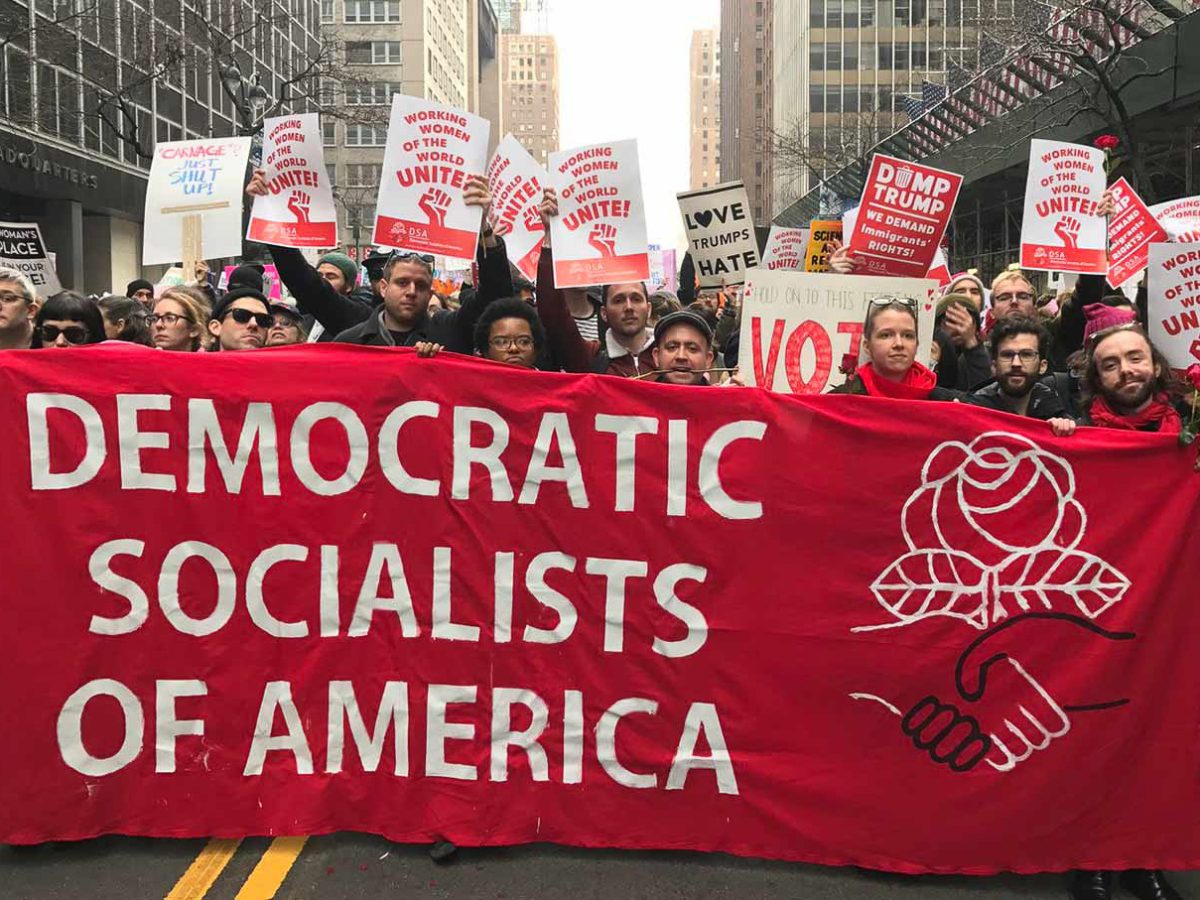
What distinguishes Cuomo from Mamdani is not just policy but perspective. Mamdani’s self-proclaimed “democratic socialism” calls for defunding the police, abolishing private property and replacing capitalism altogether; ideas that may sound appealing to activists but are disastrous for working-class New Yorkers.
The contradictions extend to Mamdani’s political proposals. Mamdani’s campaign promise to raise taxes on corporations and the richest New Yorkers was questioned even by Governor Kathy Hochul, who voiced concern about the top 1.5% of earners leaving the city due to tax increases. “I cannot make up for that with middle class tax increases. I cannot do that to the middle class and the struggling New Yorkers,” she said on the “Raging Moderates” podcast.
A recent poll by J.L Partners for the Daily Mail, found that over 25% of New Yorkers would consider leaving the city if Mamdani were elected mayor, citing concerns about higher taxes, crime and collapsing infrastructure.
Yet he and his family have enjoyed every privilege of the capitalist system he despises. The New York Post reported that his parents own a luxury estate in Uganda — rented on Airbnb with lake views and exotic wildlife — while he denounces luxury property owners in New York. Mamdani also holds dual Ugandan-American citizenship which I believe raises questions about whether he can claim to accurately represent American constituents.
This detachment from the realities of governance extends to his economic agenda. Mamdani has proposed making buses free city-wide and opening government-run grocery stores, ignoring the obvious question: Who pays for this? As the Cato Institute noted, “Mamdani’s budget plan is just detailed enough to show that the math here doesn’t work, even if he did manage to get the state’s blessing for his proposals.” Furthermore, Mamdani lives in a rent-stabilized apartment despite earning a six-figure salary, which some argue contributes to gentrification.
His legislative record is equally troubling. He co-sponsored a bill to decriminalize sex work in New York. Cuomo argues this policy position shows that, as mayor, Mamdani “would bring New York City back to the bad old days of rampant crime, decreased public safety and deteriorating quality of life.” To call Mamdani’s policies “progressive” is to ignore a generation of victims of sex trafficking.
While Cuomo was accused of Islamophobia for appearing to agree that Mamdani would “cheer on” another attack like 9/11, Mamdani has supported radical groups and positions that some see as antisemetic. In a 2017 song titled “Salaam,” Mamdani openly made homage to the Holy Land Five, a group convicted of funding Hamas. He has also criticized the United States’ support of the Israeli military and accused Israel of “genocide.” Regardless of accusations levied at Cuomo, pointing out Mamdani’s radical positions is not bigotry; it is moral clarity that contrasts Cuomo from his opponent. More than 1,000 rabbis signed a letter calling for voters to stand up against Mamdani, after a video by Rabbi Elliot Cosgrove calling him “a danger to the security of the New York Jewish community” received attention. A recent report by antisemitism watchdog, The Institute for the Study of Global Antisemitism and Policy, highlighted these concerns about Mamdani, raising serious questions about his capacity to safeguard New York’s diverse communities.
While Mamdani publicly criticized Cuomo for not visiting a mosque during his campaign until after he had lost the Democratic primary. But, at the time Mamdani made those comments, Cuomo had, in fact, already visited the Futa Islamic Center in the Bronx. Even so, faith is personal. The idea that a candidate must visit every house of worship to prove tolerance can come across as performative rather than genuine. As the Catholic League noted, Mamdani’s accusations reveal “inauthenticity,” a tendency to weaponize religion and identity for political gain rather than focusing on solutions.
Cuomo’s handling of the COVID-19 pandemic, particularly early missteps around nursing homes, damaged his credibility. However, nearly every world leader made mistakes during that unprecedented crisis. What matters is what he learned from it: transparency, preparation and decisive management.
Unlike Mamdani, who has never held a private-sector job and whose record remains mostly symbolic, Cuomo’s experience extends beyond rhetoric. He knows how to negotiate budgets, direct emergency responses and balance competing priorities. He is not guessing how the system works; he built much of it. Additionally, as an independent candidate, Cuomo endeavors to stand apart from partisan extremism.
Cuomo’s campaign message is clear: rebuilding New York for the people who live here, not reshaping it for political experiments. His focus on affordability, safety and education centers core issues that determine quality of life. His new affordable-housing plan aims to build 500,000 new homes over the next decade — two-thirds for working families — by cutting red tape, partnering with faith-based groups and investing $5 billion to make homes truly affordable.
New York needs leadership grounded in experience, not activism. Cuomo’s record proves that he knows how to govern, how to fix what remains broken and how to deliver for everyday New Yorkers. Voters do not need another hyper-polarized politician with a microphone looking to divide the electorate. New York needs a leader who can balance budgets, build infrastructure and keep our streets safe. Cuomo has done it before. He can do it again.
Sophia Aros, FCLC ’26, is a political science major from Marshall, Virginia.