





























































































































I used to think that all humans do is evolve. Do better, look better, become more efficient workers. That evolution feels like the steady march of the world — a world moving toward improvement and contribution, toward something like perfection. I still believe in growth, but I no longer believe that evolution always means progress. What even is perfection, anyway? And somewhere along the way, in our pursuit of it, we seem to have lost something small but meaningful. I found this, however, in a lost art: a snow day.
On Sunday, New York was buried under more than 16 inches of snow. Streets were quieter than usual. Cars moved slowly, if at all. The city was paused, and yet, nothing actually stopped. Emails still came through. Classes were set to meet on Monday, and the deadlines still loomed. As children, snow days meant something. They weren’t just a day off; a snow day was collective permission to rest. You’d wake up early, turn on the TV and wait for your school’s name to scroll across the screen. When it did, there was no guilt attached. No “making up” the time. No expectation to check-in remotely. Everyone was off together. Time slowed, and for once, that was okay.
The magic, I believe, of a snow day was never really about the snow. It was about interruption. It was about acknowledging that sometimes, life demanded a pause. The world didn’t collapse when productivity took a rest day. Rest wasn’t something you had to earn; it was something you were allowed. Somewhere along the way, we eliminated that pause. Remote learning, Zoom meetings, Blackboard assignments and Slack messages are now carried with us everywhere we go. The justification is convenience and flexibility, and on paper, that sounds like progress. But in practice, it’s quietly exhausting. We didn’t become more resilient; we became more reachable, and I don’t think that’s a good thing. Now, even a snowstorm can’t excuse us from being unavailable. If we can log on, we should. If we can submit, we must. There’s an unspoken pressure to prove that nothing, not weather, not exhaustion nor circumstance, can slow us down. Rest has become laziness. Stillness has become inefficiency.
For students especially, this constant forward motion is sold as preparation for the “real world.” Hustle now so you can succeed later. Stay busy so you stay relevant. But what happens when there is no later? When every moment is already filled? When there’s no space left to process, reflect and exist?
Though snow days no longer offer a shared exhale, they can still remind us that productivity isn’t the same as purpose — that time spent doing nothing could still be meaningful. Losing these days may seem trivial in the grand scheme of things, but it speaks to a larger cultural shift: our refusal to stop. Even on campus, that refusal is visible. We rush from class to class, from meeting to meeting, from internship to obligation, wearing our busyness like a badge of honor. We’re constantly connected, constantly informed, constantly overwhelmed. And yet, we’re rarely present.
Journalism teaches us the value of observation, of noticing what others overlook. Sunday’s storm made something clear: when nothing ever stops, nothing ever gets processed. If we don’t allow ourselves moments of interruption, we lose the ability to reflect on what we’re actually working toward. During Sunday’s storm, I accomplished one thing: I made my bed, and I’m okay with that.
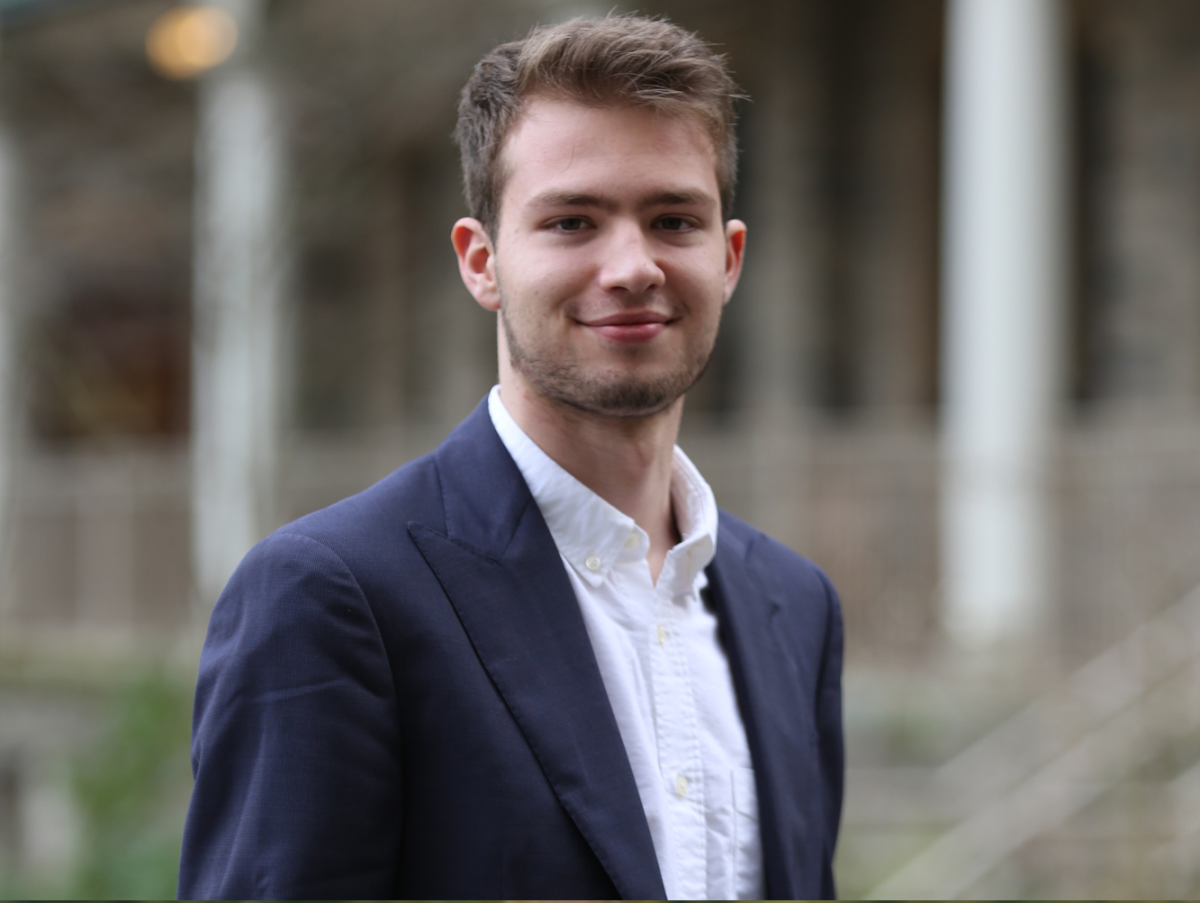
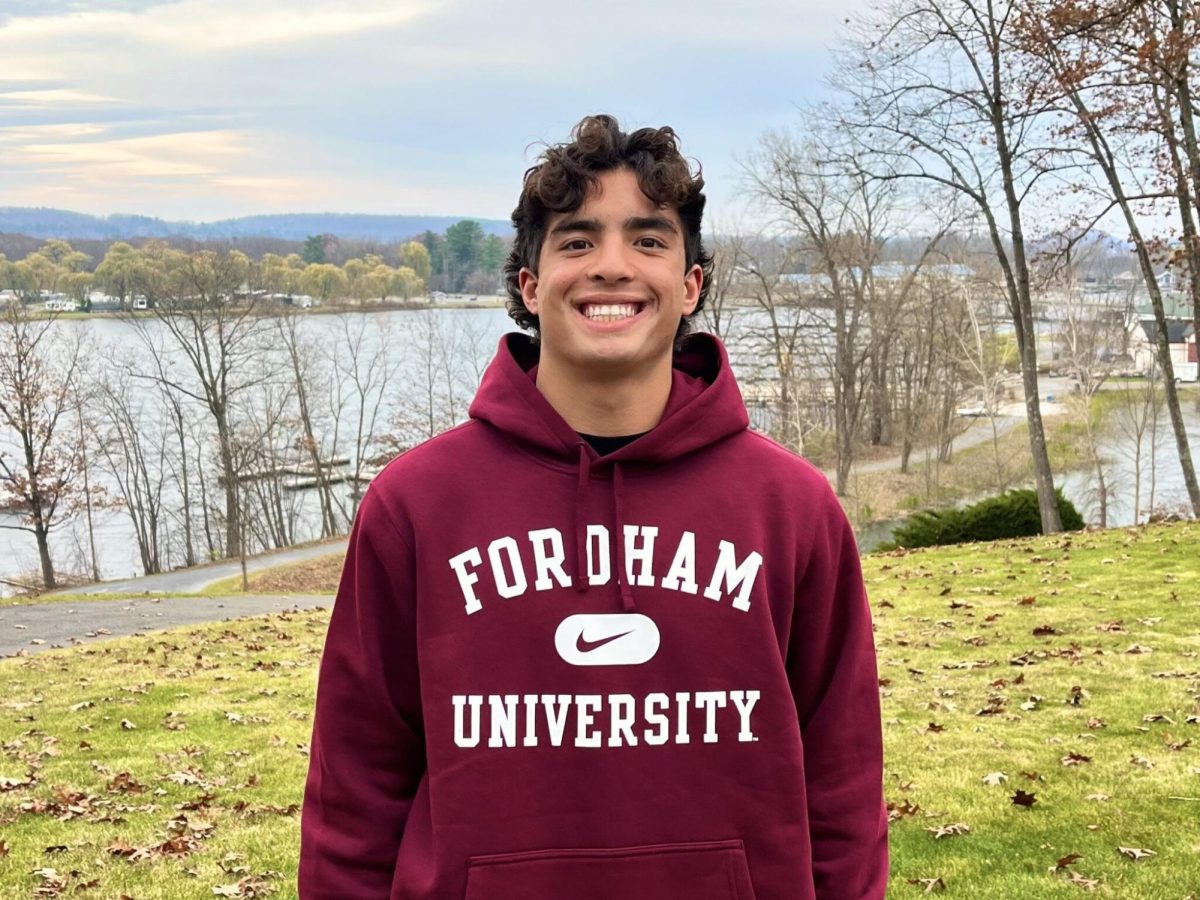
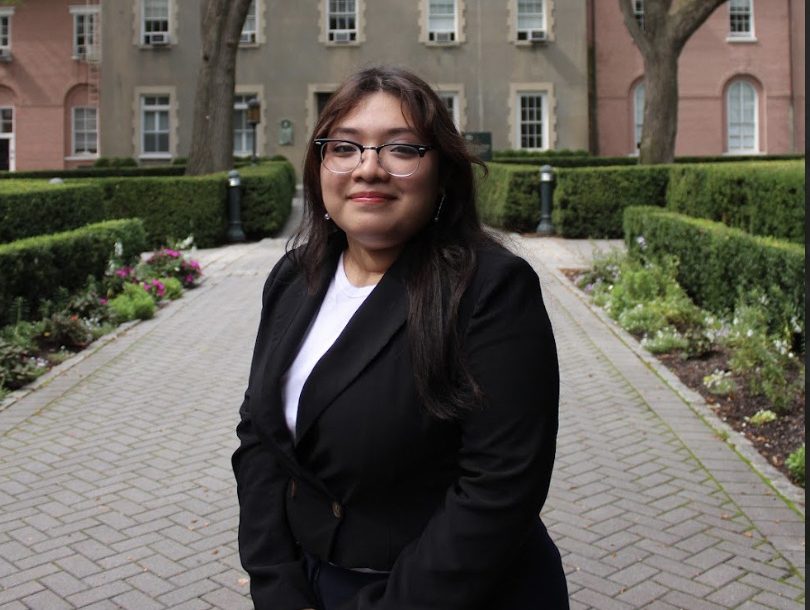
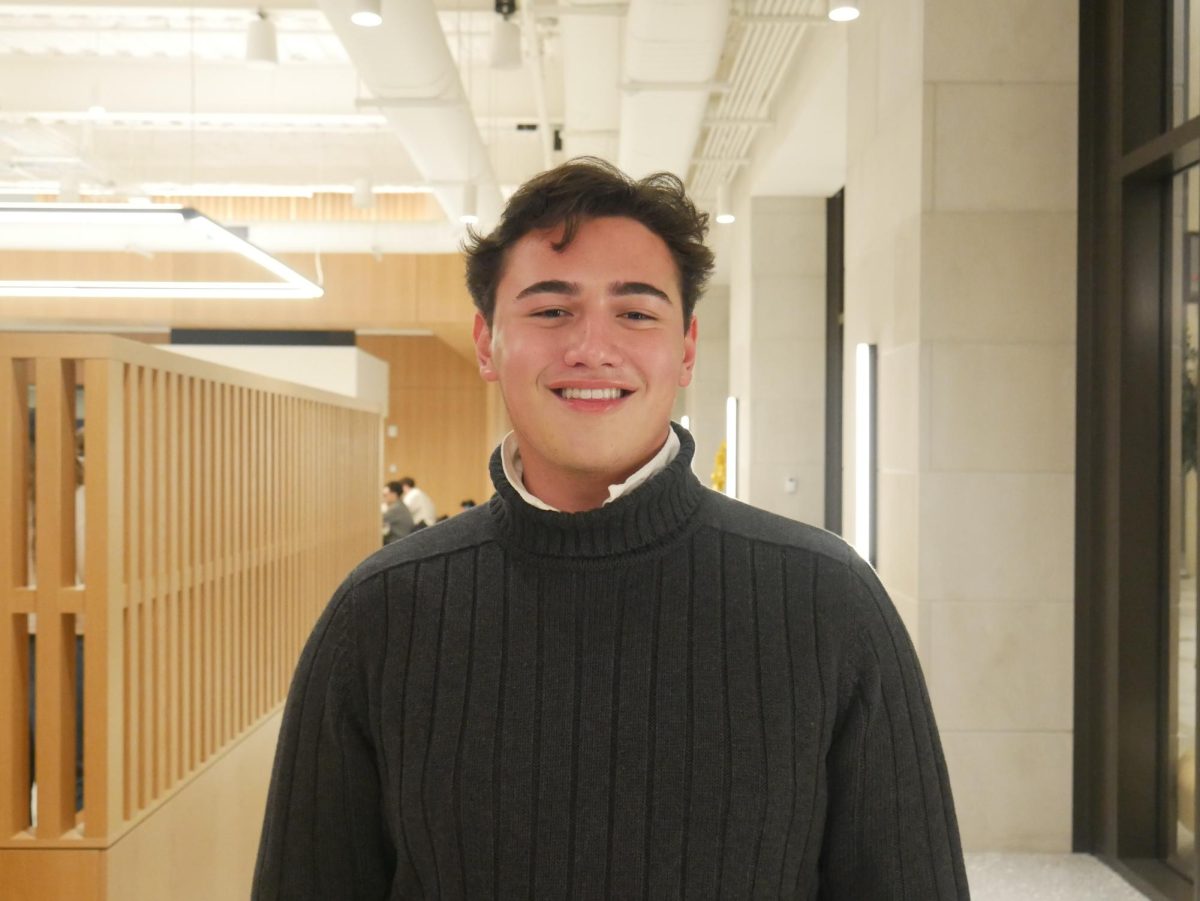
Paolo Liaci, FCRH ’27, is an English major from Montclair, New Jersey.
mariaelena colon • Jan 29, 2026 at 10:13 am
Great piece of writing ❤️
Carol LODEN • Jan 28, 2026 at 9:55 am
Great food for thought Paolo!! Another great piece of writing….