

























































































































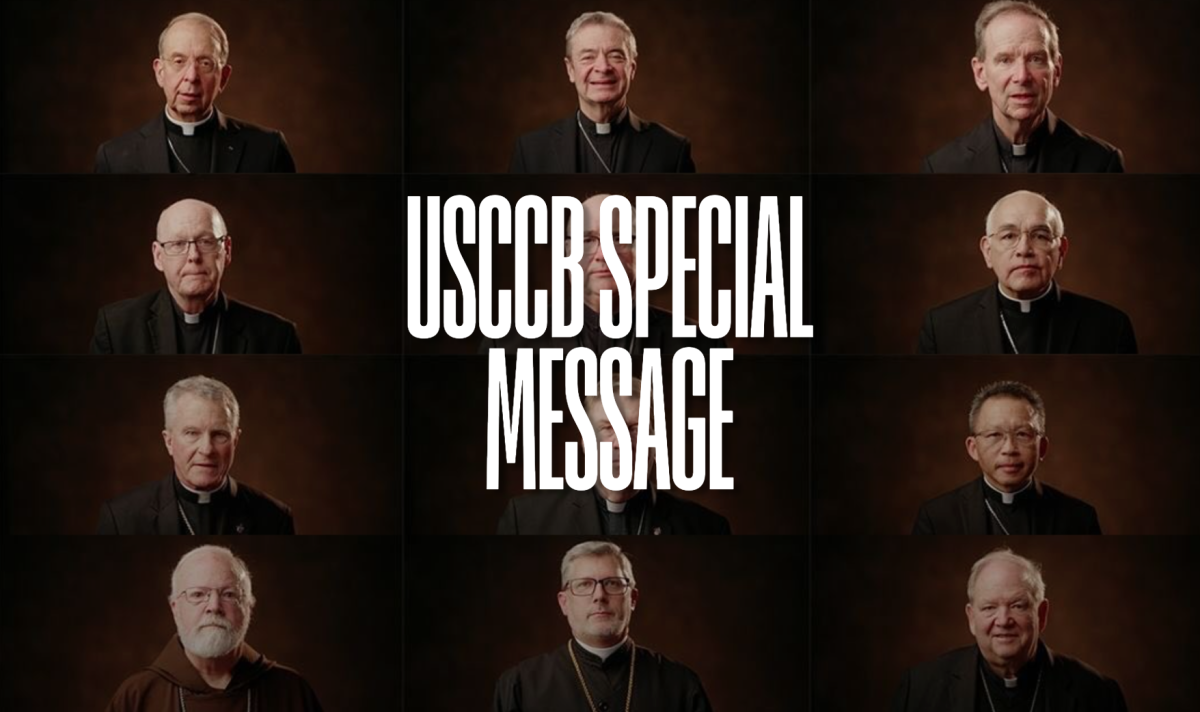
On Wednesday, Nov. 12, the United States Conference of Catholic Bishops (USCCB) released their first “Special Message” to the public in 12 years. The message was concerned primarily with the vilification of immigrants and the state of contemporary debate, highlighting the dire situations that many immigrants and their families have been placed in, particularly in regards to the lack of access to legal help, pastoral care and basic human rights. The group of bishops placed their message within a largely moral framework, calling attention to the dignity of the human person — no matter their background or race — and how every human being has been made within the image and likeness of God, and thus deserves to be treated as such. In my opinion, the message, through presenting a unified front addressing the inhumane treatment of immigrants within our country, and doing so without directly pointing fingers and causing further political turmoil, has done an admirable job in calling attention to an incredibly urgent moral issue within the U.S.
These pastoral messages can only be released during the United States Bishops’ annual Fall Plenary Assembly in Baltimore, where the group gathers to pray, discuss and vote on various issues related to the conference. The last message released was in 2013, and was launched in response to former President Barack Obama’s Affordable Care Act (ACA), being particularly aimed at its contraceptive coverage mandate. Until now, no other “Special Message” has been released. The vote to make a statement on the issue was largely unanimous, with 216 anonymous votes in favor, five who voted against, and three abstentions.
The video, in my opinion at least, does not come as a large surprise. Roman Catholic Bishops across the U.S. have been raising objections and expressing their discontent with our country’s treatment of illegal immigrants for a while now. This has become especially true since the beginning of Pope Leo XIV’s papacy, as he has made the issue of immigration central to his mission. In fact, he has been pretty direct about encouraging other pastoral officials to continue protesting the current administration’s policies on immigration, whether this be through attending court hearings in order to deter U.S. Immigration and Customs Enforcement (ICE) agents, or by continuing to both raise awareness and prioritize the issue in the eyes of the public.
In early October, Pope Leo XIV continued his efforts to hear immigration stories when he met with a large group of Catholics, including the bishop of El Paso, Texas, who had come to Vatican City to discuss the crisis. During the meeting, one pertinent issue highlighted, according to Bishop Mark J. Seitz, was how best to advocate for the group’s beliefs — and to subsequently take action — without having to deal with the looming fear of being persecuted and detained. From the group, Pope Leo XIV also received a stack of over 100 letters from immigrants living in the area, pleading with him to hear their struggles. Bishop Seitz noted the tears in Pope Leo XIV’s eyes. Further moved by the pleas of the community, Pope Leo XIV later made sure to emphasize the central importance of this issue to the conference in Baltimore in November.
True to Pope Leo XIV’s entreaty, the USCCB did in fact make the issue the forefront of the conference, grabbing the attention of Catholics around the country. I agree with the message released by the bishops, as President Donald Trump’s deportation agenda is in clear violation of Catholicism’s values, particularly in regards to the dignity of the human person and the intrinsic rights that people must be afforded. The Catholic religion, which I am very familiar with having attended Catholic high school and later becoming confirmed within the Catholic Church, does not condone the poor and inhumane treatment of any group of people, regardless of their race, ethnicity, nationality, background or beliefs. Even more so, it harshly condemns both the stifling of basic human rights and the creation of fear for families who are simply trying to work honestly, support their families and send their children to school. Anyone who believes otherwise, including those within the current administration, needs to repeat, if they ever actually went, a few weekends in a children’s Sunday Bible school.
As the USCCB’s message says, “Human dignity and national security are not in conflict. Both are possible if people of good will work together.”
McKenna Coveny, FCRH ’27 is a comparative literature major from Houston, Texas.
