


































































































The general consensus among college students is that we’re tired. Not in a “I stayed up all night watching Netflix,” kind of way, but in a “constant exhaustion from juggling classes, jobs, looking for internships, participating in clubs, athletics and having a social life” kind of way. So on the list of important things to think about, politics typically ends up at the bottom. It’s not that we don’t know what is happening in the world or that we want to be blissfully ignorant — it’s that we feel like we can’t handle one more big thing. This tendency is understandable, but at what point is political avoidance too normalized —going beyond “self-care” and weakening some of the most influential voices in American democracy?
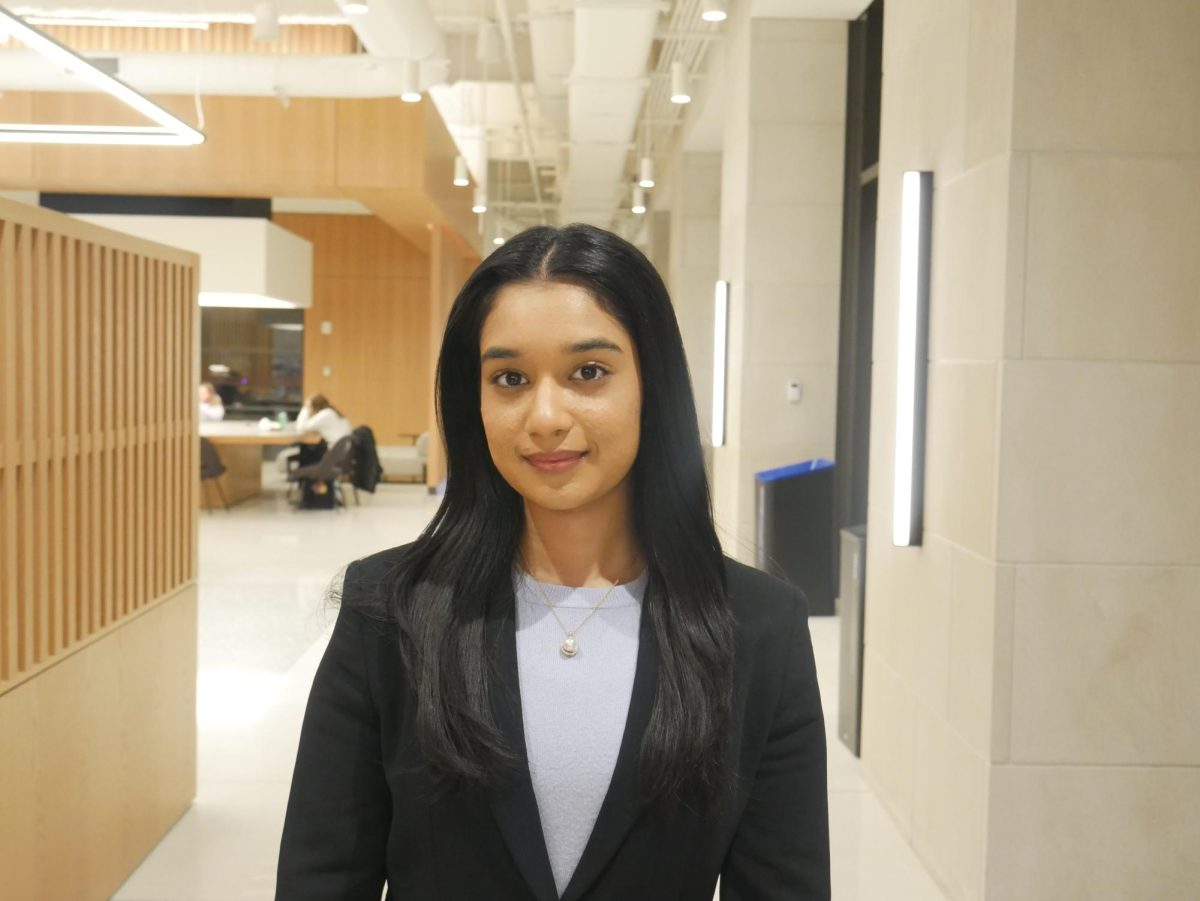
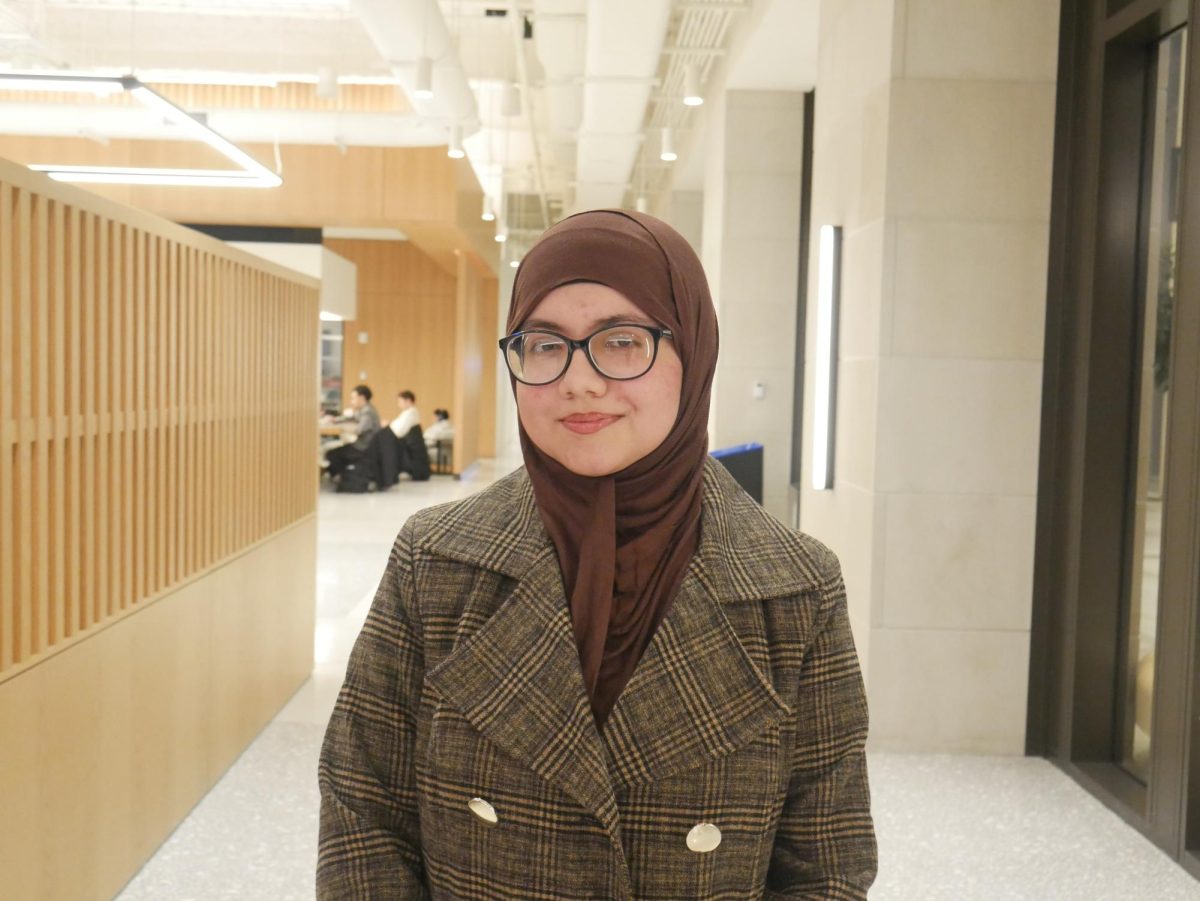
On college campuses across the U.S., political disengagement among young people is becoming increasingly evident. Students openly admit they don’t follow the news, as it can be too much to consume at once, and that they don’t vote because they believe their participation won’t change anything. Aeyla Sainsbury-Carter, FCRH ’29, said, “I know how bad it sounds, but politics just stress me out. I’m already anxious, so watching and reading the news about everything just piling up in our country makes it worse.” Emily Braun, FCRH ’29, added that she “[hadn’t] voted in any previous elections, not for president, and definitely not for my local town elections. [Her] one singular vote wouldn’t make a change, so why bother?”
I have found that these sentiments aren’t rare. A recent Inside Higher Education survey found that more than half of college students believe that their vote doesn’t make a difference. This sense of political apathy and belief that individual action is meaningless is something that is well-documented amongst young adults. It is easy to criticize college students for being politically disengaged, but in reality, there are a lot of factors that play into it and make it a complex issue.
Mental health plays a big role in creating this political apathy. In a world where the media and talk of politics are “omnipresent,” many college students find it important to “practice media dietary restriction.” For those who are simply trying to make it through the semester, ignoring politics and the news can feel like an act of self-preservation. With this in mind, tuning out makes sense. When the news cycle constantly feels like an endless loop of crises — climate change, gun violence, global conflict, federal invasion and violence within our own country — it is understandable that some students may choose to focus on what they can control in their own lives. Still, there is a clear difference between setting boundaries and completely checking out.
Political apathy doesn’t just affect individual students and their own decisions: it has begun to affect the country as a whole. When young people disengage, their concerns are less likely to be reflected in policy decisions. A survey completed by the United Way in 2024 highlights issues that Gen Z is most passionate about. The results included topics such as inflation and cost of living, affordable healthcare, affordable housing and LGBTQ+ rights. These issues directly impact college students, but with the lack of voting and political care, decisions are left in the hands of the older voters who are more likely to show up at the polls. Choosing not to participate doesn’t make the political system more fair or less stressful; it gives up power to those who likely already have it.
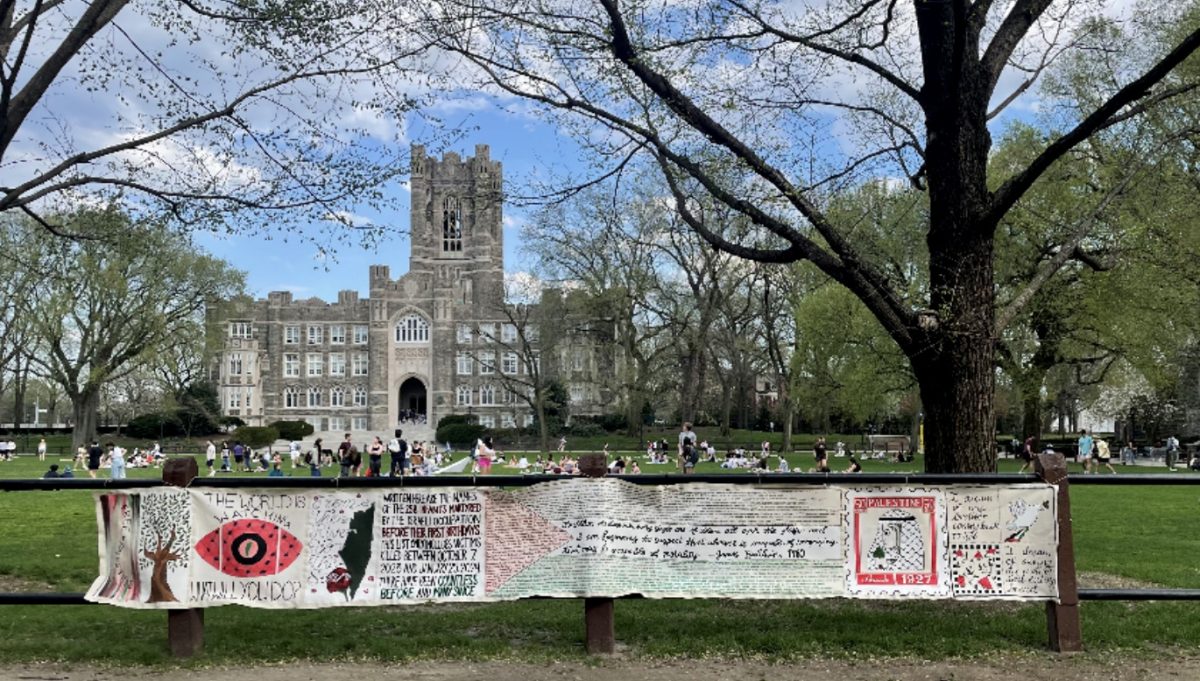
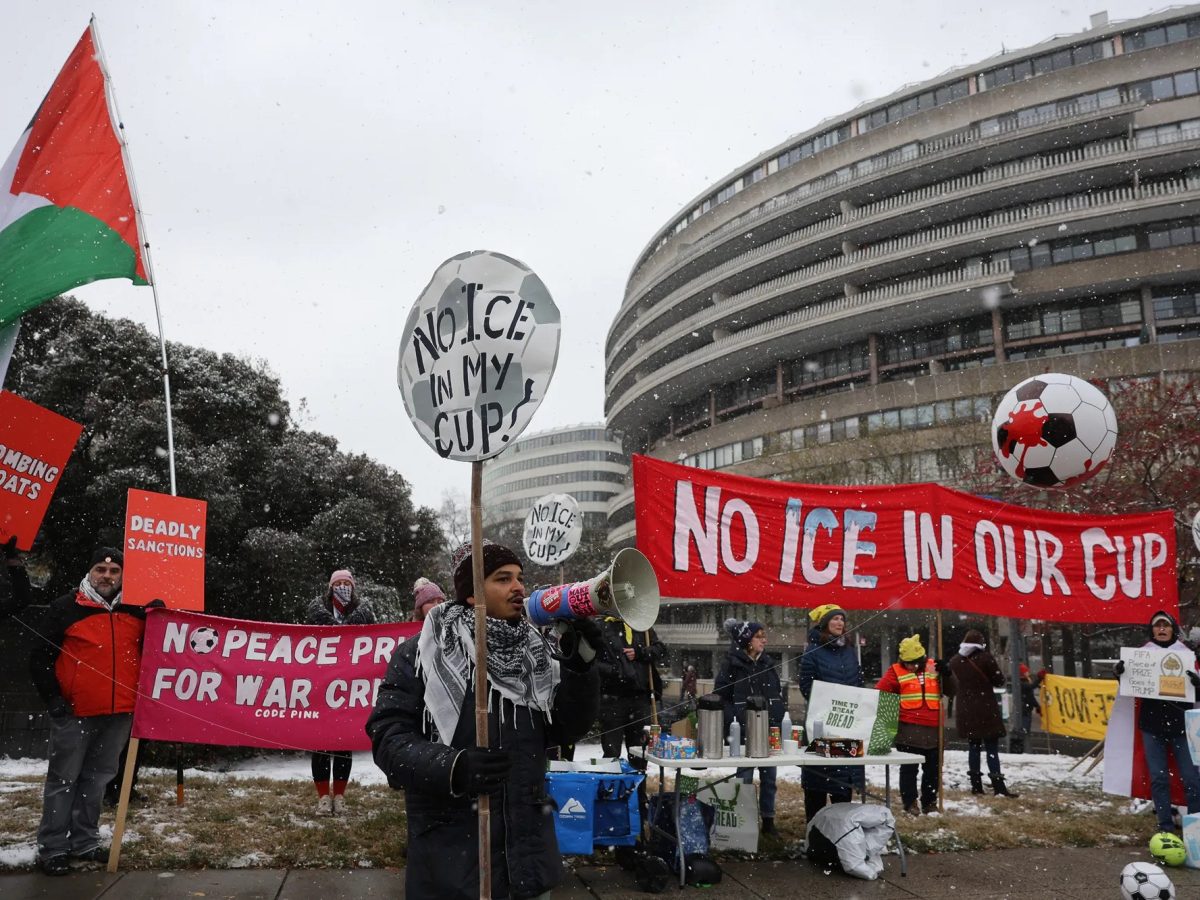
What makes the situation college students find themselves in right now particularly frustrating is that historically, they have been anything but apathetic. The U.S. has a long history of student-led activism, from the Civil Rights Movement to protests against the Vietnam War and, more recently, movements for gun reform. College campuses have long since been a place where political change begins and not because students felt calm or optimistic, but because they felt a sense of urgency. So what changed?
Social media has made politics louder, but not necessarily more meaningful. Instead of having productive discussions, students feel outrage, hit the repost button and feel a pressure to have the “right” opinion at all times. On top of all of that, surveys show that students are afraid of expressing their political views on campus due to the fear of being judged or misunderstood, making silence safer than speaking up. However, silence has its own consequences.
Accepting the idea that individual voices don’t matter is one of the most harmful beliefs students can adopt. It discourages participation before it even begins, and it reshapes political culture by normalizing disengagement. This doesn’t mean students constantly need to be arguing about politics online or be glued to daily headlines. Protecting mental health during a busy college lifestyle is important, but disengagement should not be the default.
Civic participation needs to start somewhere: voting, attending a local meeting — on campus or in your hometown community — supporting a particular cause you care about or simply staying informed in intentional ways. Politics will continue to affect students, whether they engage or not. The question is whether college students choose to have a say in political outcomes or are willing to simply let others decide on their behalf. If college students stop believing their voices matter, the country won’t just lose voters — it will lose powerful sources of change.
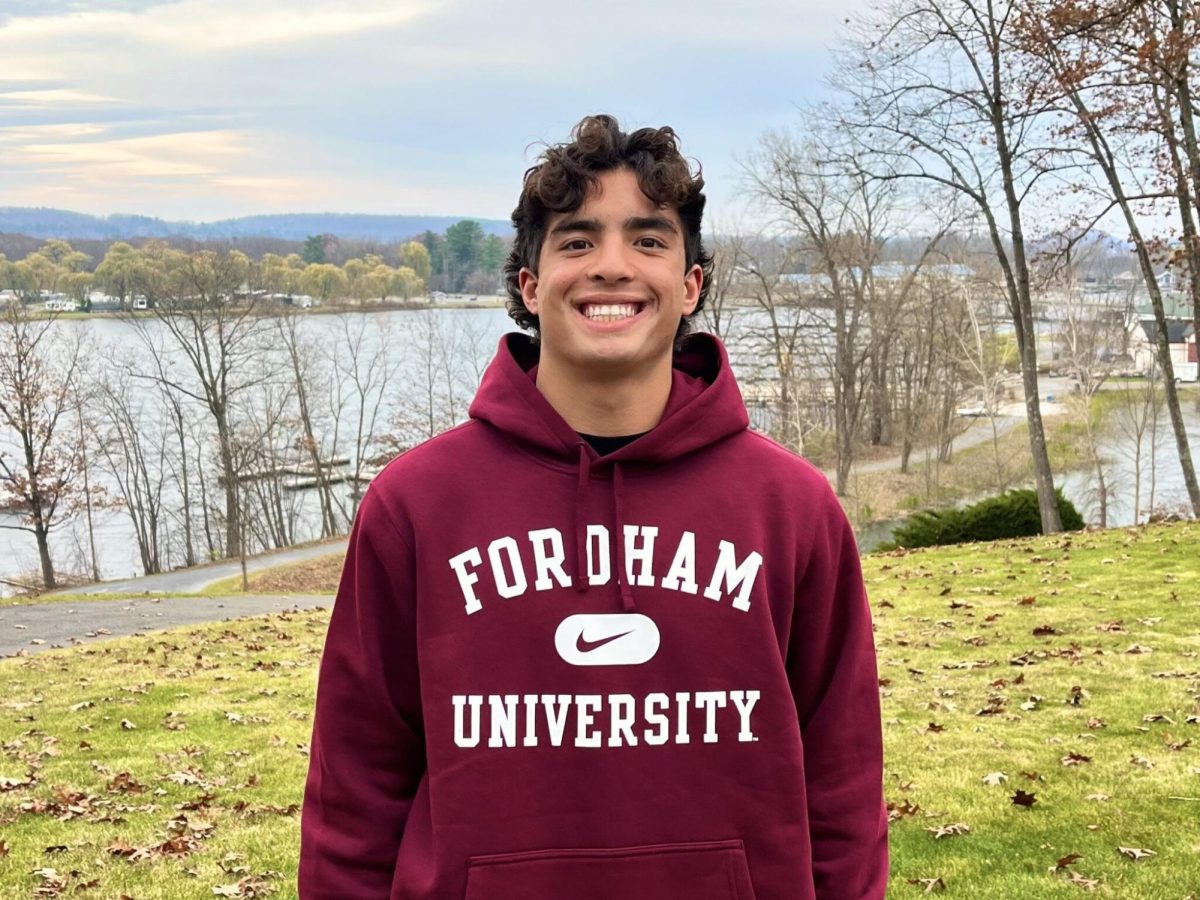
Kelly Buban, FCRH ‘29, is a journalism major from Middlebury, Connecticut.