


























































































































































If you’ve tried to watch a game lately, you’ve probably experienced this moment: you sit down, snacks ready, only to realize the game isn’t on the channel you expected. So you switch apps … then another … and suddenly you’re Googling where to watch your own team. By the time you figure it out, you’ve already missed the first quarter and sat through five ads.
Welcome to modern sports.
Across leagues like the NFL, NBA and MLB, fans are getting hit from all directions: higher ticket prices, nonstop advertisements and a confusing mix of cable and streaming services. It’s frustrating, but it’s also not random. There are several reasons why sports feel harder and more expensive to enjoy than ever before.
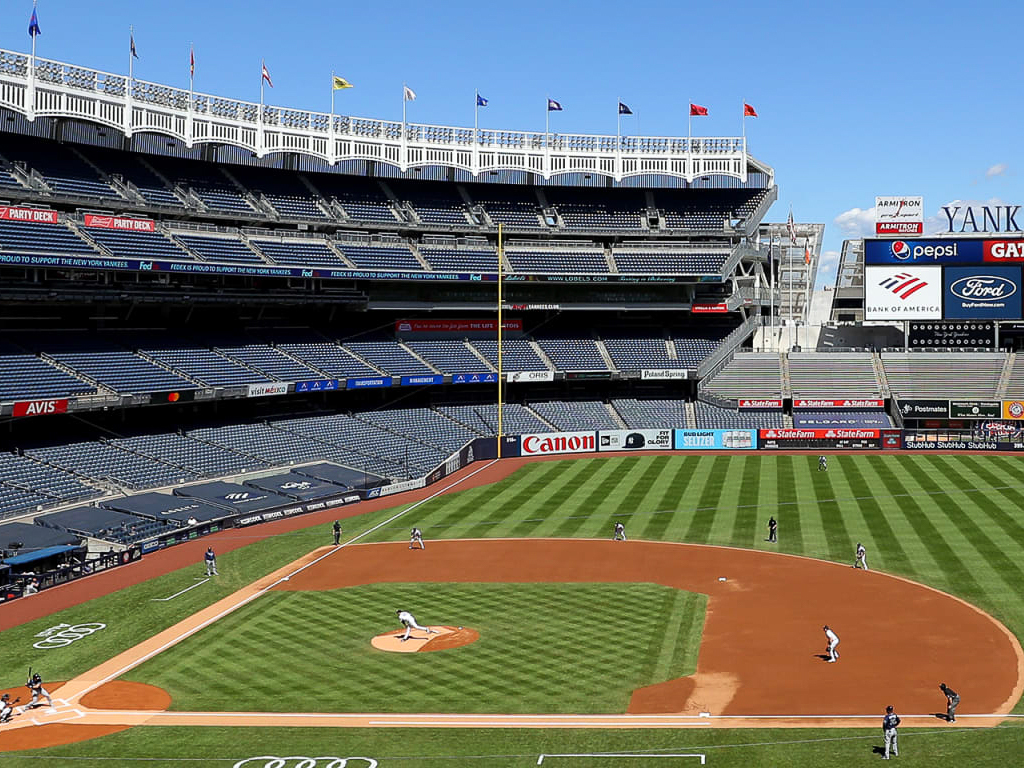
Let’s start with the ads, because honestly, they’re the hardest to ignore. Commercial breaks feel longer, jerseys have sponsor patches, stadiums are covered in brand logos and even replay reviews are sometimes “presented by” a company. The reason is simple: Live sports are one of the last things people still watch in real time. Unlike movies or shows, fans don’t skip games; they watch live, which means advertisers are willing to pay a premium. Leagues and networks know this, so they lean into it. More ads equals more money, and right now, no one involved is willing to give that up.
Then there’s the issue of ticket prices. Going to a game used to feel like a fun outing. Now it can feel like a financial decision. Between the ticket itself, parking, food and merch, a single game can cost hundreds of dollars. Why? Demand is still high, and teams know fans are willing to pay for the experience. On top of that, teams are investing heavily in new stadiums, luxury suites and high-end fan experiences. Those upgrades aren’t cheap, and the cost often gets passed on to the fans sitting in the regular seats.
But the biggest headache for many fans is how complicated it’s become just to watch games at home. In the past, you could rely on a few major channels. Now, leagues sell their rights to multiple companies to maximize profits. That’s why one game might be on ESPN, another on Amazon Prime and another on Apple TV. From a business perspective, it’s smart: competition between networks drives up the price of these deals. But from a fan’s perspective, it’s exhausting. You’re not just following your team anymore; you’re managing subscriptions.
So where is all of this heading?
The short answer is sports are probably going to become even more commercialized, but also more personalized. Don’t expect a sudden drop in advertisements. If anything, ads are likely to become more integrated and targeted. Instead of watching a random commercial, you might see ads tailored to you based on your browsing data. It sounds convenient, but it also means ads aren’t going anywhere — they’re just evolving.
At the same time, the streaming chaos might eventually settle down. Leagues are starting to realize that making games too hard to find can actually hurt their audience. We could see more bundled packages or league-specific platforms that bring games back into one place, just in a modern, streaming-friendly way. Think of it like cable 2.0 but more flexible.
There’s also a chance that fan pushback will force some changes. If enough people stop attending games or cancel subscriptions, leagues may need to rethink pricing and accessibility. But as long as demand stays strong, and it usually does, major shifts will be slow.
Ultimately, every decision, from ad placement to streaming deals, is about maximizing revenue. That doesn’t mean the experience has to get worse, but it does mean fans will have to navigate a more complicated system.
If it feels like watching sports has turned into a part-time job, you’re not wrong. The challenge for leagues moving forward is figuring out how to keep making money without pushing fans too far. At some point, even the most loyal fans might decide it’s just not worth the hassle.
