






































































































































































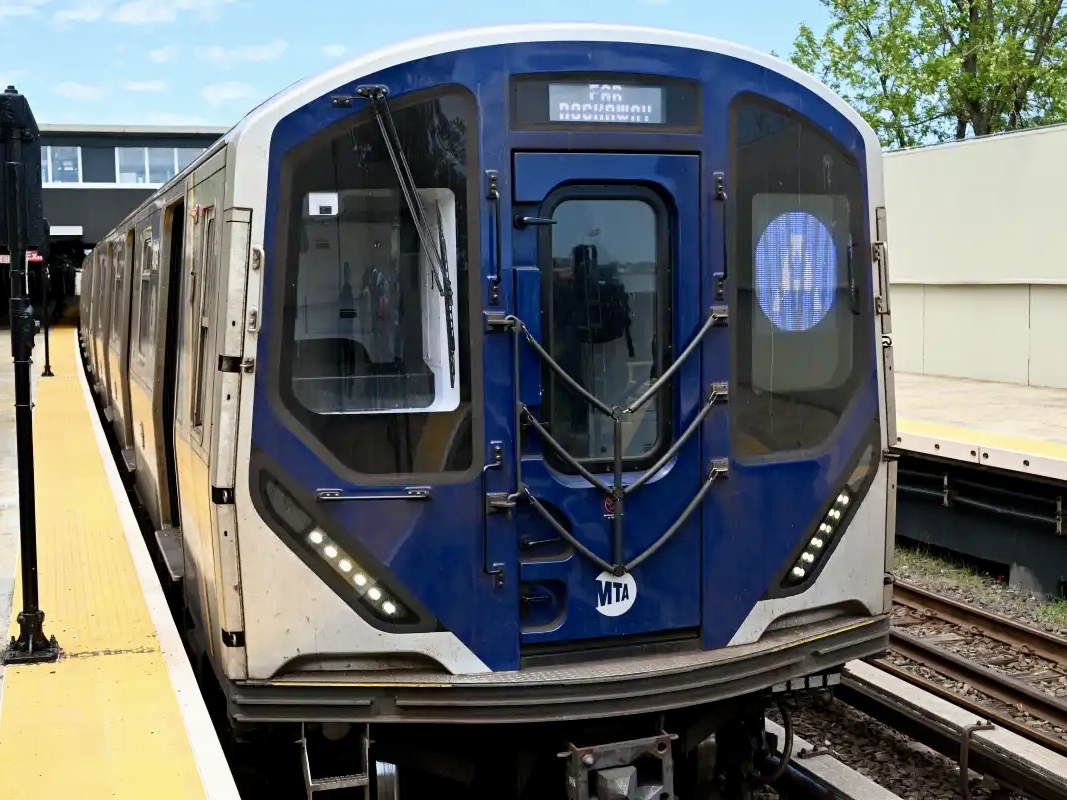
Earlier this January, the New York City Metropolitan Transit Authority (MTA) had enacted several new policy changes, including an increase in various transportation fares. For the Fordham University commuter student population, who represent roughly 40% of the university’s Rose Hill campus undergraduate student body, these new policies have presented a set of challenges related to affordability, safety and consistency of services.
These policy changes have been defined by a multitude of factors, such as a $0.10 increase in both subway and bus fares, a 4.5% increase in monthly and weekly Metro-North as well as Long Island Rail Road fares and also the replacement of the plastic, classic taxi-yellow MetroCard with the tap-and-go OMNY system. The MTA’s website states that these policies were implemented to keep up with rising inflation rates, simplify ticketing options and improve the overall MTA transportation experience.
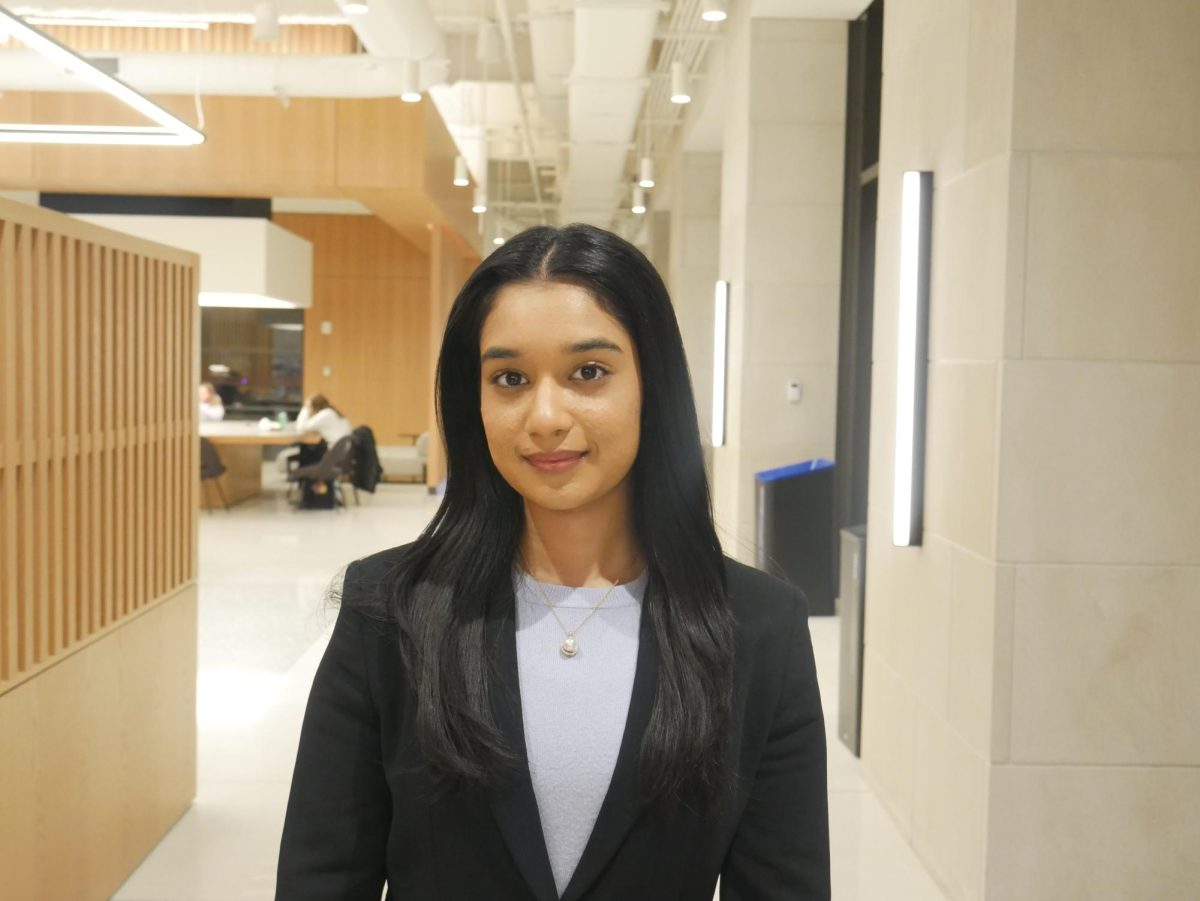
With these policies being in place for nearly three weeks now, Fordham commuters from all five New York City boroughs have felt “significant” impacts from the new fare increases as well as the system changes, according to some commuter students. Vice President of Fordham’s Commuter Student Association (CSA) Jasmine James, FCRH ’26, fears these new changes could discourage commuter students who make the trip to campus.
“Given the conditions of the MTA systems and the higher costs, I worry that many commuters may not feel excited or comfortable enough to make the long daily commute to school,” James said in an email to The Ram. “This impacts how many students attend classes regularly, participate in the Fordham community after classes and remain as Fordham students long-term.”
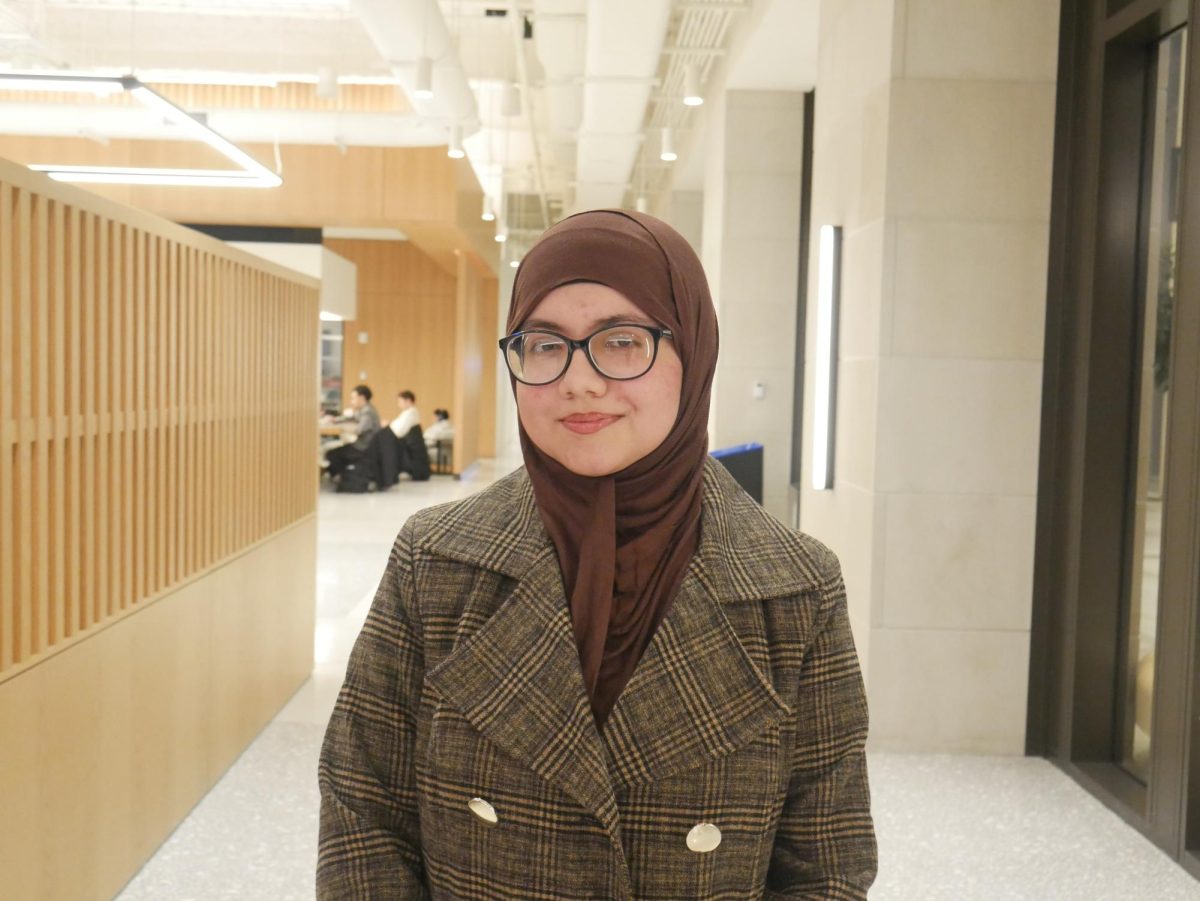
For Arleth Gavilanez, FCRH ’27, who commutes to Rose Hill five days a week using both the subway and local buses, the added cost of the extra fares have intensified pre-existing financial strains.
“The fare increase has significantly impacted me financially, although it was already expensive it is still a significant enough change that it significantly adds up,” Gavilanez said in an email to The Ram. “What is most frustrating sometimes is paying the fare just for the train to end up delayed or stopped and having to walk to another station and pay the fare again just to make it to class on time.”
While the most outstanding effects of these changes are the increase in fares, Gavilanez says they have also provoked a range of additional effects.
“[I’ve] noticed certain stations being policed considerably more as more people have been opting to skip the turnstiles rather than pay, understandably so with the cost,” Gavilanez said.
According to James, there have been numerous commuters who have begun taking substitute approaches to get to campus, such as driving.
“I have several friends who began driving instead of taking buses and trains, since the state of these systems, such as overcrowding and cleanliness, does not justify the heightened cost that many of us are paying for these services,” James said.
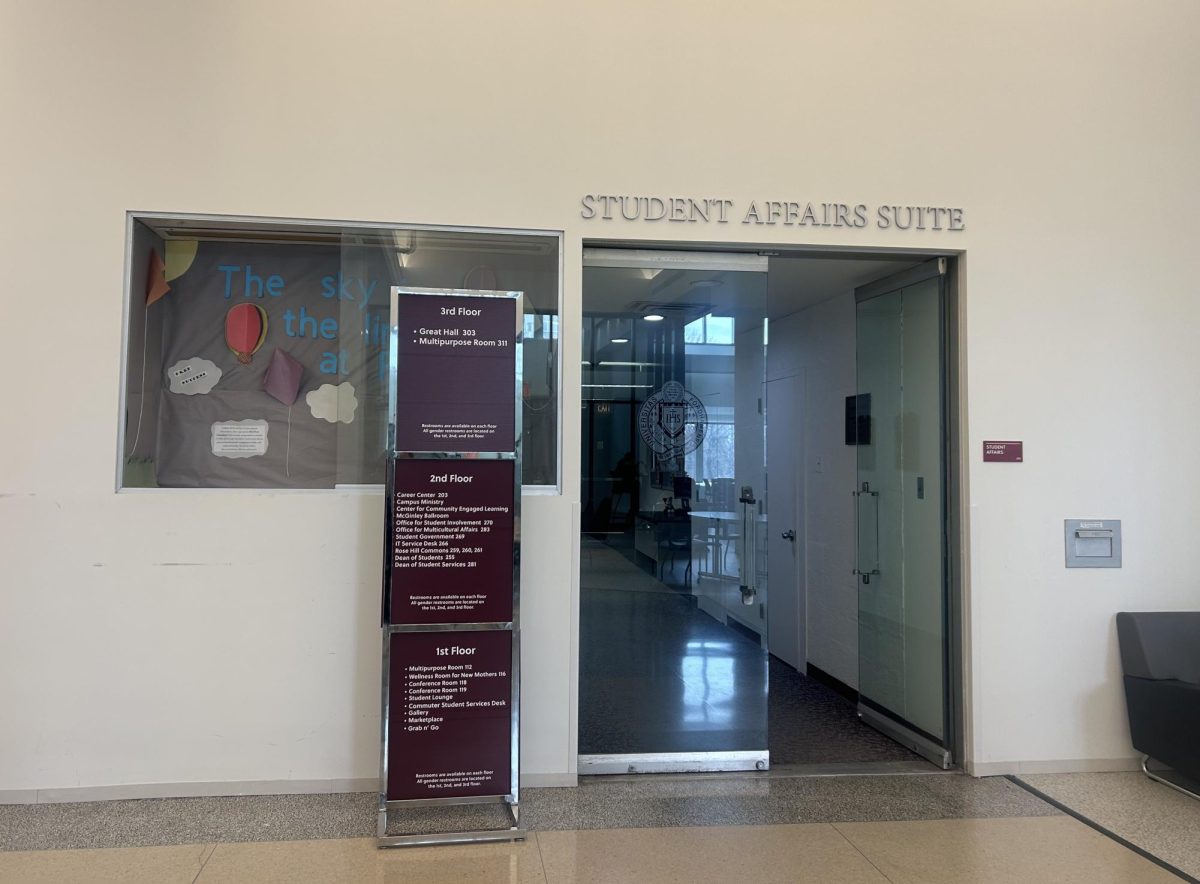
James also said the CSA has not had any formal discussions about the new MTA policies but that they “are open to collaborating with administrators in the future to hold information sessions.” She said there are ways that Fordham could better support the commuter student body while they also navigating these various system changes with the MTA.
James had said, “Fordham could hold information sessions with MTA partners for students, highlighting the new policies.”
James continued, “Many students right now may need more clarity on the “why” behind these policies, since MTA has done little outreach with us.”
Galvinez had also noted that she believes Fordham could provide her and others with more financial assistance for their commuters, such as something similar to the City University of New York’s (CUNY) Commuter Benefits Program, which extends free transportation services to the commuter students.
Galvinaz said, “I personally would love to be able to apply for the commuter scholarship as I wasn’t offered one when I was accepted, I wish that I could explain how much of a hardship it causes having to spend up to 12 dollars a day just to be able to get the education I’m paying for.”
She continued, “I understand scholarships can’t be offered to everyone, but maybe enacting a program similar to that of CUNYS which allows for students to receive OMNY cards could also be of great assistance.”