





























































































































































By Aislinn Keely
A new kind of venture capital fund for university entrepreneurs has launched at Fordham. Contrary Capital, a decentralized, university-focused venture capital fund, hopes to invest in the brightest university entrepreneurs at 55 schools across the United States.
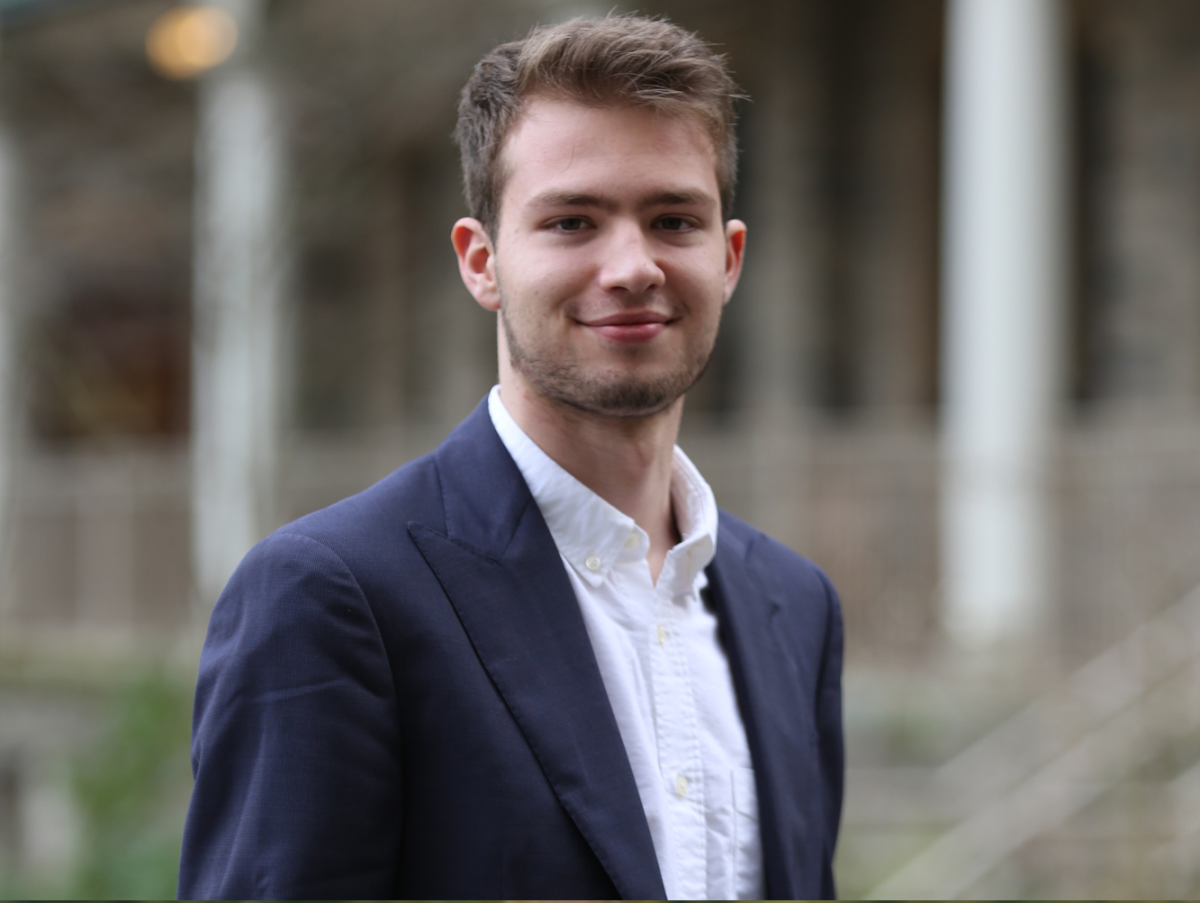
Contrary Capital is a different form of venture capital fund, according to founder Eric Tarczynski. The 25-year-old Northeastern University alumnus, an entrepreneur in his own right, saw ways to improve the entrepreneurial experience on the university level during his collegiate years. He believes that the university ecosystem is a breeding ground for small funding but often lacks the resources to provide startups with big money.
Contrary Capital counts Fordham among the universities it launched at due to its promising entrepreneurial ecosystem, according to Tarczynski. Though he feels the entrepreneurial atmosphere at Fordham is young, he wants Contrary Capital to get in on the ground floor while the interest in venture capital grows. The universities linked to the company range from “Stanfords” to those just beginning, according to Tarzynski.
“I think we’re pretty excited about the potential that they have. Fordham is obviously in New York and I know has not only been trying to build up its entrepreneurship program but also build up the technical side of its offerings,” he said.
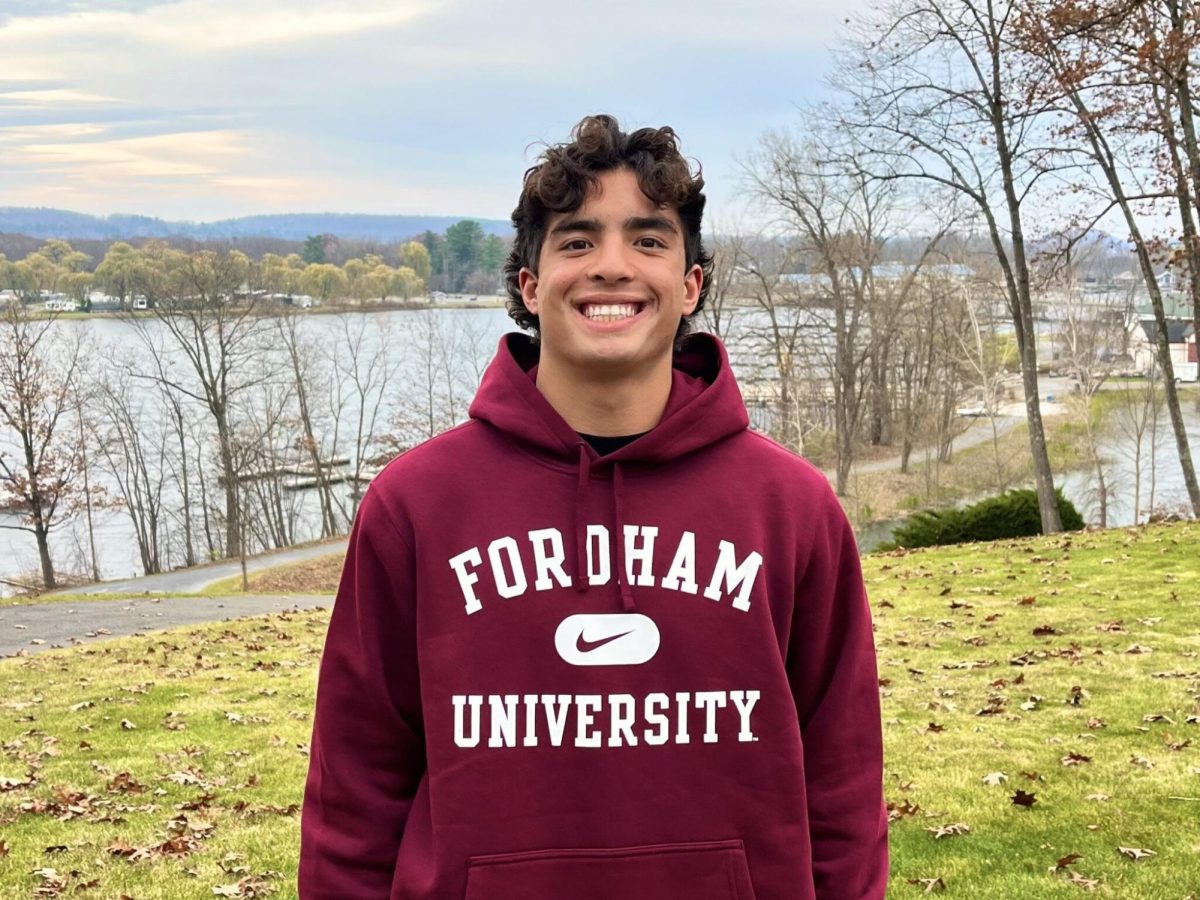
Anthony Parente, GSB ’19, co-president of the Entrepreneurship Society, acts as the link between Contrary Capital and the Fordham community. He is what the company calls an “investor.”
“Anthony is the core individual we’re working with at Fordham right now,” said Tarczynski. Parente’s role on campus will be to help college entrepreneurs through the process of making an idea with potential into a full-fledged business. He will connect startups with resources ranging from guidance to monetary investments.
Contrary Capital is a company by students, for students, according to Parente. He hopes it will grow to be “the nexus of the college entrepreneurship ecosystem.”
“I will just continue keeping a pulse on Fordham’s entrepreneurship ecosystem and figuring out if there are any companies that are interesting and have a high level of potential,” said Parente on his role now that the company has launched.
Parente received training from Contrary Capital at week-long sessions over the past two summers. There, the company trained investors on how to evaluate opportunities and answer questions, and ensured they had a baseline understanding of venture capitalism.
Over the academic year, Contrary Capital plans to hold informational sessions to gauge community interest, but the majority of interaction will be one on one. Parente will be looking for startups within the Fordham community, but he hopes those looking for the types of resources that Contrary Capital provides will reach out to him.“Most things will be independent from Fordham-related events. We’re going to try to keep the entities separate,” he said.
Fordham already has a growing entrepreneurial spirit found in programs like Social Impact 360, the Entrepreneurial Society and the Fordham Foundry. Some student entrepreneurs have utilized these resources to build their own startups.
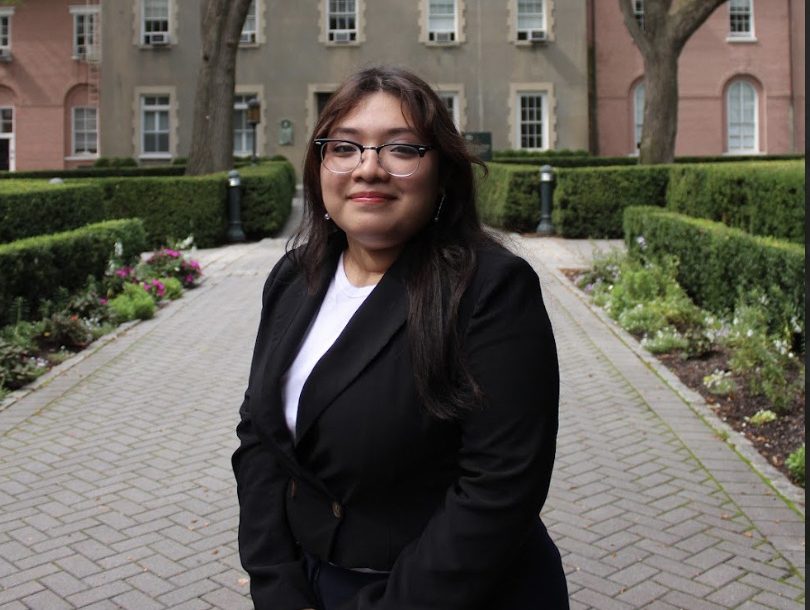
Mariella Sypa, FCRH ’18, co-founded the mental health-focused tech startup KindMind. She credited the Foundry with a major role in building her business. “The Foundry has played the most crucial role in helping me and my teammates really figure out where we’re going with our idea, and helped us solidify our business plan, and really work through all the little bumps we might see in the future,” she said.
The Foundry is an incubator that offers free workspace as well as mentorship. However, Sypa’s comments noted the difficulty in getting higher-level funding, an issue Tarczynski considered when founding Contrary Capital. “It would be nice if they [the Fordham Foundry] could fund companies at a higher level. I think there are a lot of genius ideas at Fordham,” said Sypa.
Norberto Lorenzo Obeso, GSB ’18, co-president of the Entrepreneurial Society, is launching his Kenneth Cole-backed startup Ventir, which produces modular backpacks. He noted that the growth of Social Impact 360, the Entrepreneurship Society and the Fordham Foundry has made Fordham’s entrepreneurial resources more centralized.
However, Obeso noted that there is room for more resources. “What’s really cool is that you don’t really know that there is still space until something new pops up, and then it’s like, wait, no one has been serving that the past few years,” he said.
Tarczynski hopes to validate his decentralized, student-run model of venture capitalism over the coming year. “I don’t think that everyone out there still believes that there are great companies being started at schools other than Stanford and MIT, and I think for us we really need to prove that this upcoming year,” he said.
“We’re hoping that in the future it’ll be a lot easier to start a company. You’ll know exactly where to get your resources from, you’ll go straight to Contrary,” said Parente.
“I experienced this issue firsthand where universities were doing a good job at encouraging entrepreneurship at the absolute most basic level,” he said.
He noticed that student-driven startups with more potential struggled to gain greater investments as they grew. “If you really cared about building a meaningful business, there was this huge gap that had developed from the 10, 15k bucket to… half a million to a million dollars. That was effectively the genesis of Contrary.”
Since its conception, Contrary Capital has grown to gain backers from companies like Tesla, SoFi and Twitch, among others. Now, it will be investing in growing businesses with promise and connecting startups with their own backers.
The student-driven model is a way of directly connecting young entrepreneurs with both guidance and financial resources for projects with promise. Anyone “touching the university” is welcome to bring a business venture to Contrary Capital, according to Tarczynski. This includes students, faculty, administrators and even recent graduates.
The decentralized model provides students with access to resources spanning across the country. “I think we’re bringing a little bit of Silicon Valley to the top schools in the US,” said Tarczynski. “You’re now going to have an opportunity to basically go to Contrary, and we have relationships with basically every single major venture fund in the US.”