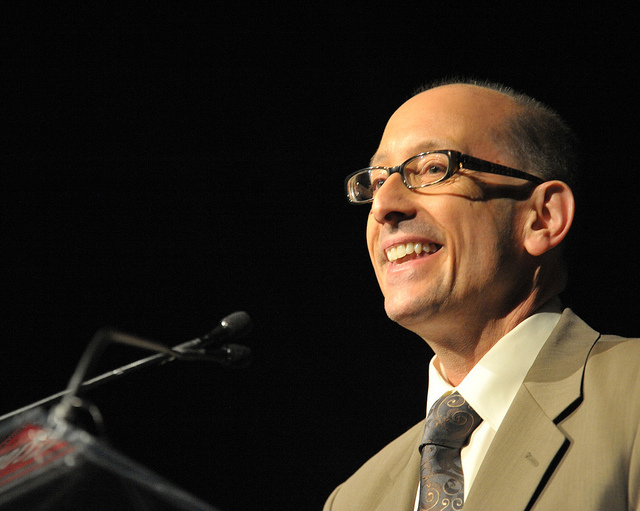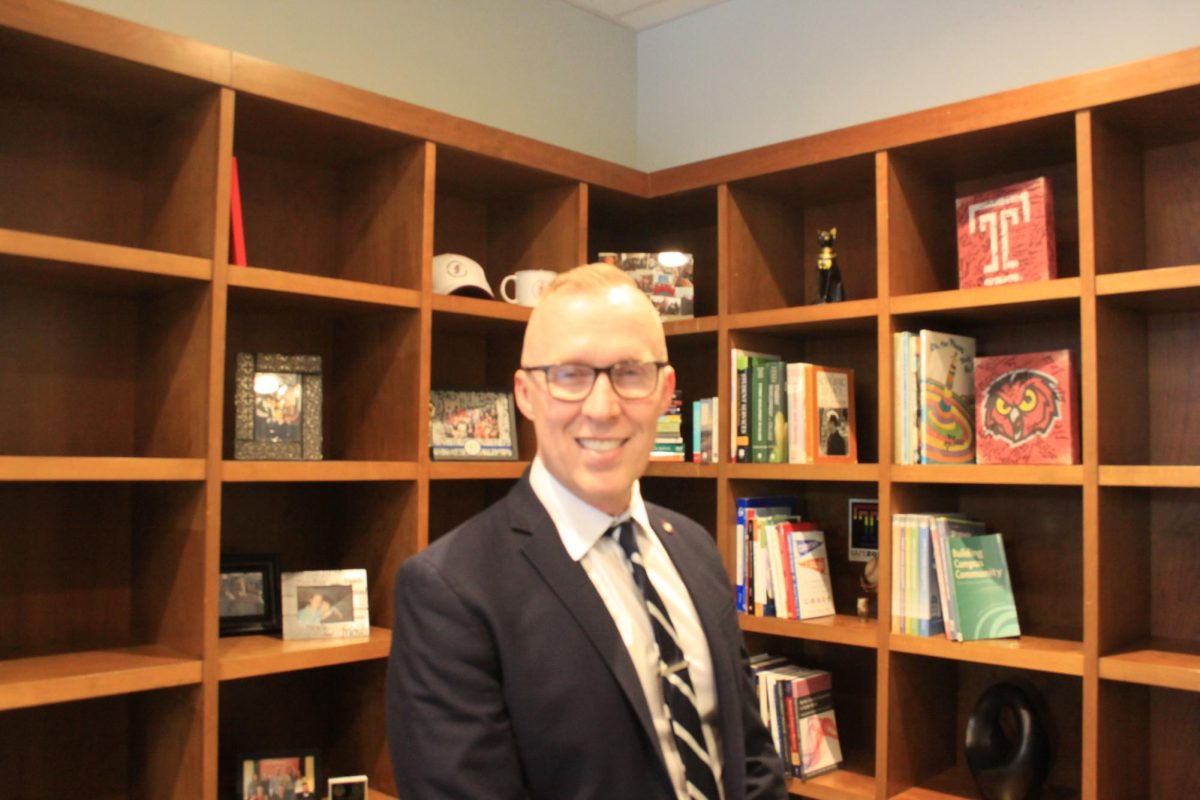


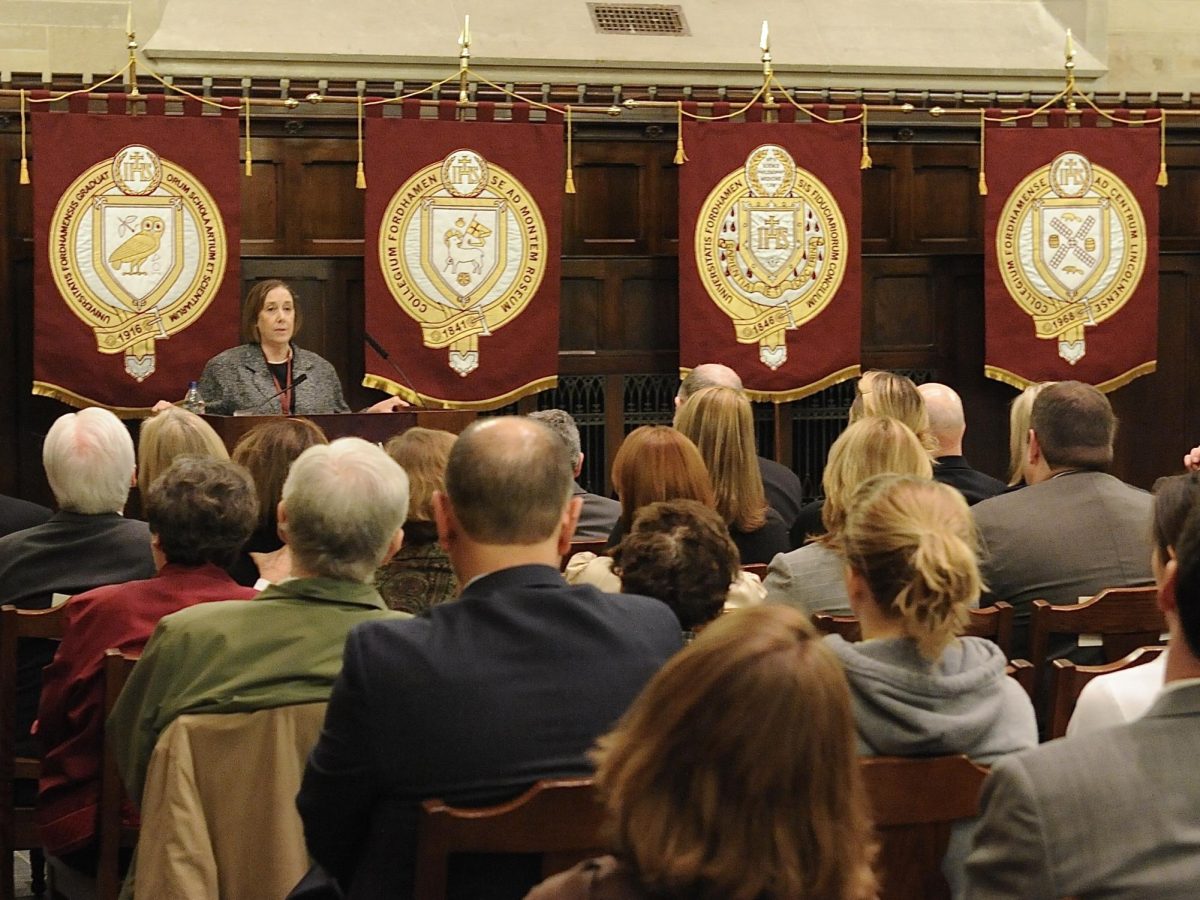




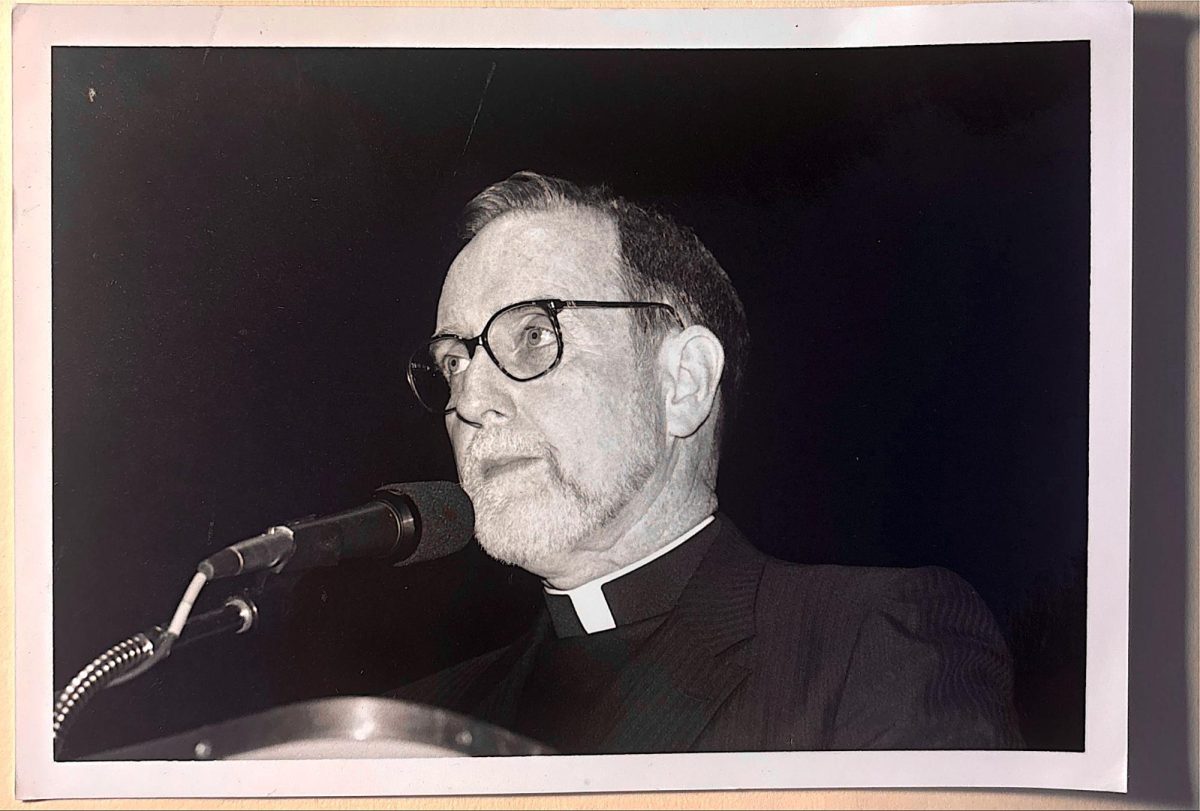

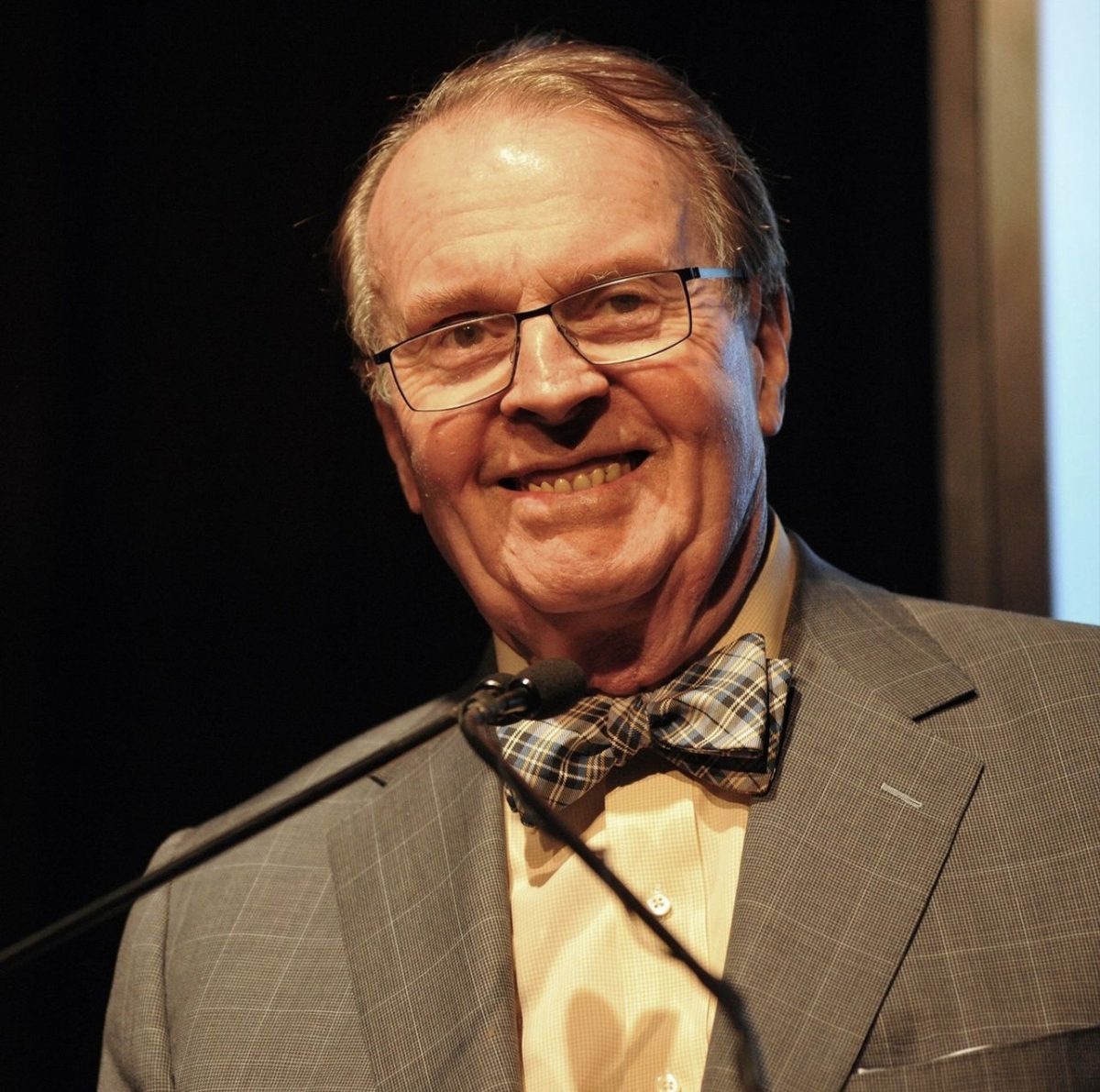




















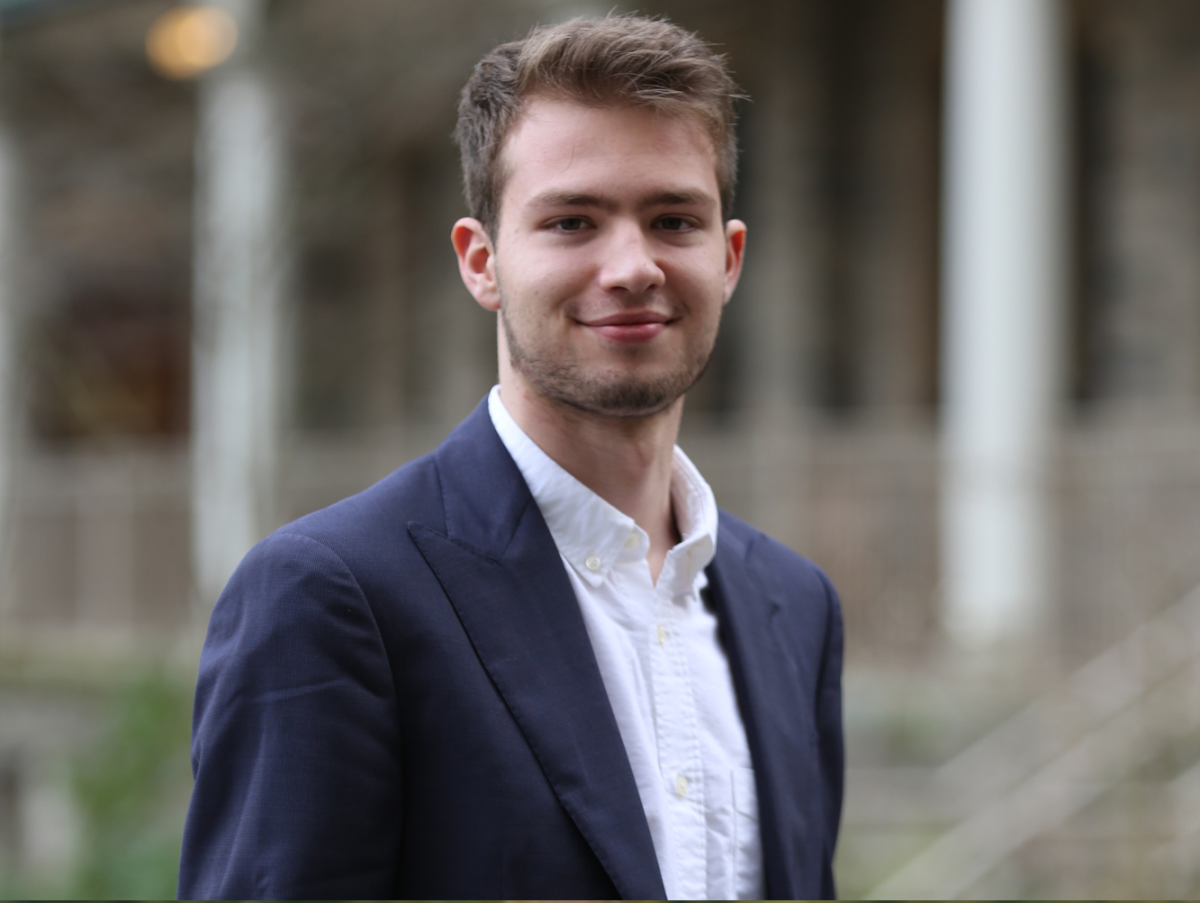













































































































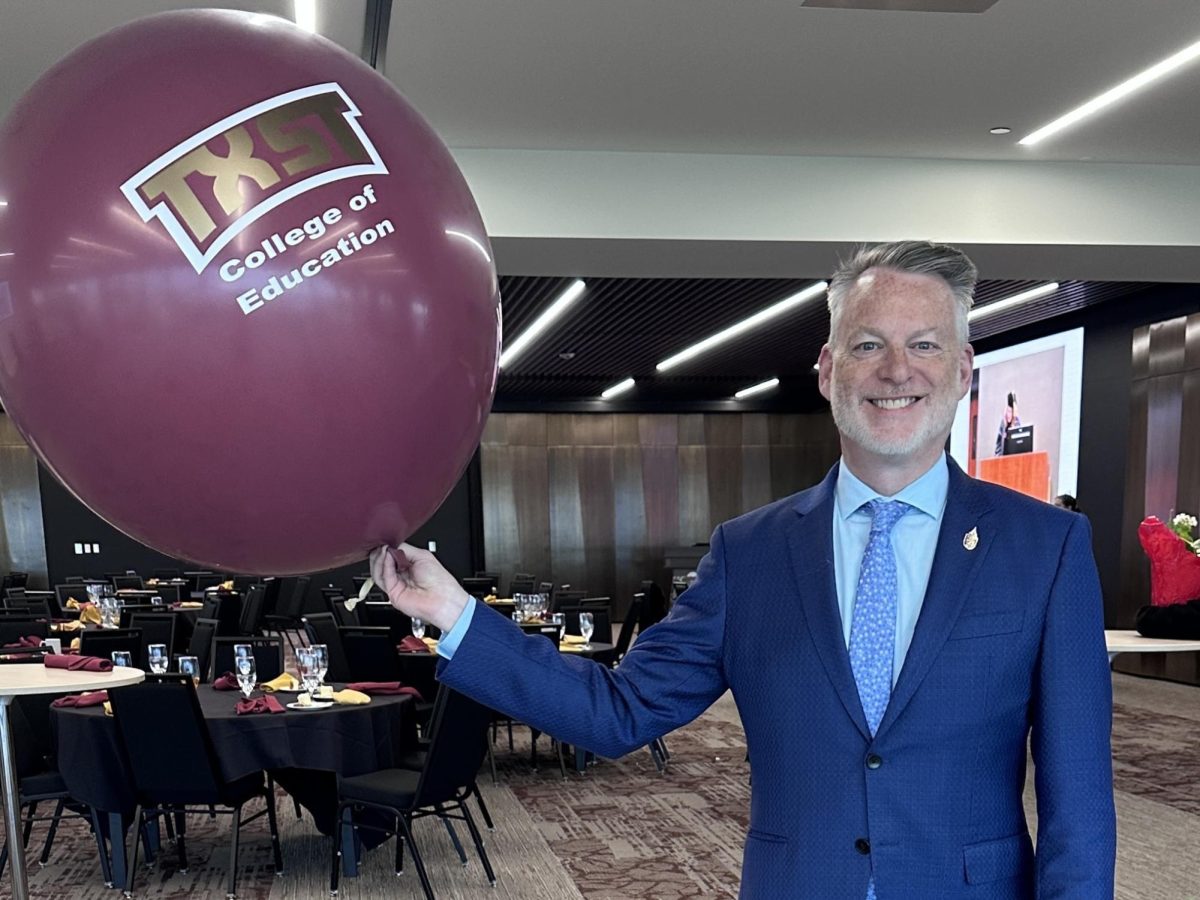
Michael P. O’Malley, Ed.D., current dean of the Texas State University (TXST) College of Education, has been announced to be the next dean of the Fordham Graduate School of Education starting July 2026. His appointment follows the recent integration of the Graduate School of Religion and Religious Education (GRE) into the Graduate School of Education (GSE).
O’Malley has over 20 years of experience working in public universities, beginning his journey at the University of Central Florida as an assistant professor of curriculum studies before becoming the dean of the College of Education at TXST, where he has been for the past 18 years.
The application process to find a new dean for the GSE was extensive, with a search committee being put together in the spring of 2025, according to Elizabeth Stosich, vice chair of the Division of Educational Leadership Administration and Policy. Applications went out in the fall of 2025 and O’Malley sent in a cover letter, resume and other materials. He was then offered an interview over Zoom around Thanksgiving, after which he and the other “finalists” went to Fordham’s campus for “intensive two day interviews in December,” Stosich said.
O’Malley said one of his main attractions to Fordham was that it is a Jesuit institution.
“It’s not about doing any good,” O’Malley said. “But what’s the opportunity for the greatest good that we can do often for our communities, for humanity, for our world.”
Another draw, O’Malley said, is the fact that Fordham’s location in New York City gives him the opportunity to work with the largest public and
Catholic school systems in the United States. He said he looks forward to working with faculty and graduate students in continuing to support these school systems.
“The opportunities for continuous improvement, for growth, for evolving are something we’ll all develop together,” O’Malley said.
O
’Malley spoke about his research, which has two main focuses: public pedagogies, which O’Malley described as, “what learning for social justice for equity and inclusion look like outside of schools and outside of universities,” and also “educational leadership specifically for social justice.”
He also discussed some of the impacts and changes he made while at the TXST College of Education. The college works on enrollment, student success and preparing students for continued studies. O’Malley noted that the school engages with various mental health programs and health agencies.
One of his projects at TXST was the creation of Bobcat Rise, which is a four-year college residential program for youth with intellectual disabilities.
These disabilities include, but are not limited to, traumatic brain injury, autism, cerebral palsy and down syndrome, according to Tamara Shetron, Ph.D., program director of Bobcat Rise.
“They live in the dorms with the other students in apartment style living,” Shetron said. “The big difference is that they actually won’t get a degree. At the end of four years, they’ll get a certificate.”
Bobcat Rise is in its third year of establishment, with less than 25 students currently enrolled. O’Malley said they are purposefully building it slowly. He also said that he often runs into the Bobcat Rise students at places like the library or sporting events.
“They’re just so involved and it’s really exciting,” O’Malley said.
The funding for the program came from a $400,000 four-year grant from the Texas Council for Developmental Disabilities, in addition to a $300,000 grant from the Smith Charitable Trust. The program also received funding from the students enrolled in the program, as they pay regular tuition, in addition to the $8,500 program fee, according to Shetron.
When O’Malley interviewed for Fordham, Bobcat Rise was discussed, albeit not in depth, he said. Regarding the possibility of bringing Bobcat Rise to Fordham, O’Malley said he would be very open to it.
“I don’t have an exact plan to do that, but if the university and faculty are interested, that would be exciting,” he said.
Elizabeth Stosich, vice chair of the Division of Educational Leadership Administration and Policy said she wasn’t sure if the Bobcat Rise program would translate well to Fordham.
“At Fordham,” Stosich said, “we’re a graduate school of education, so we do have a five-year degree for undergrads who want to become teachers, but we don’t really serve undergraduate students.”
One professor of theology at the GSE, Thomas Beaudoin, commented on O’Malley’s new appointment, saying that he was an outstanding choice.
Specifically, he said O’Malley’s portfolio of expertise in LGBTQ+, gender, sexuality, race, class and education is powerful.
“I think this is a very powerful, and how do I want to say, timely and even urgent kind of portfolio of expertise, research … that he brings in terms of matters that are facing education today,” Beaudoin said. “How to bring people together across difference, how to respect diverse worldviews, how to try to understand diverse religious perspectives, these are all crucial skills for the marketplace in 2026.”
O’Malley said he is looking to lift up and support people in opportunity gaps, particularly those gaps of race, gender and immigration status.
“Some of that sometimes might be around gaps we see around race and ethnicity or gender or language or income,” O’Malley said. “But also Bobcat Rise is a great example of equity work.”
O’Malley said one of the more immediate challenges facing graduate students is that of financial aid and loans. He said he wants to help the students, faculty and university understand the changes in the financial aid structure for graduate students.
After five years in his new position at Fordham, O’Malley said that when he looks back on the work that he has done at the GSE, he does not have a strict vision of what he wants the GSE to look like for students, but wants changes to encompass collaborative work between faculty and staff.
“Those people are ready to go out into the world and into their careers to help individuals and communities thrive, reach their own learning goals, their own healing and health goals, their own spiritual goals, and that we can look back in confidence and say, ‘wow, our graduates are out there transforming people’s lives and the world,’” O’Malley said.
He said he is excited to take this next step in life.