




















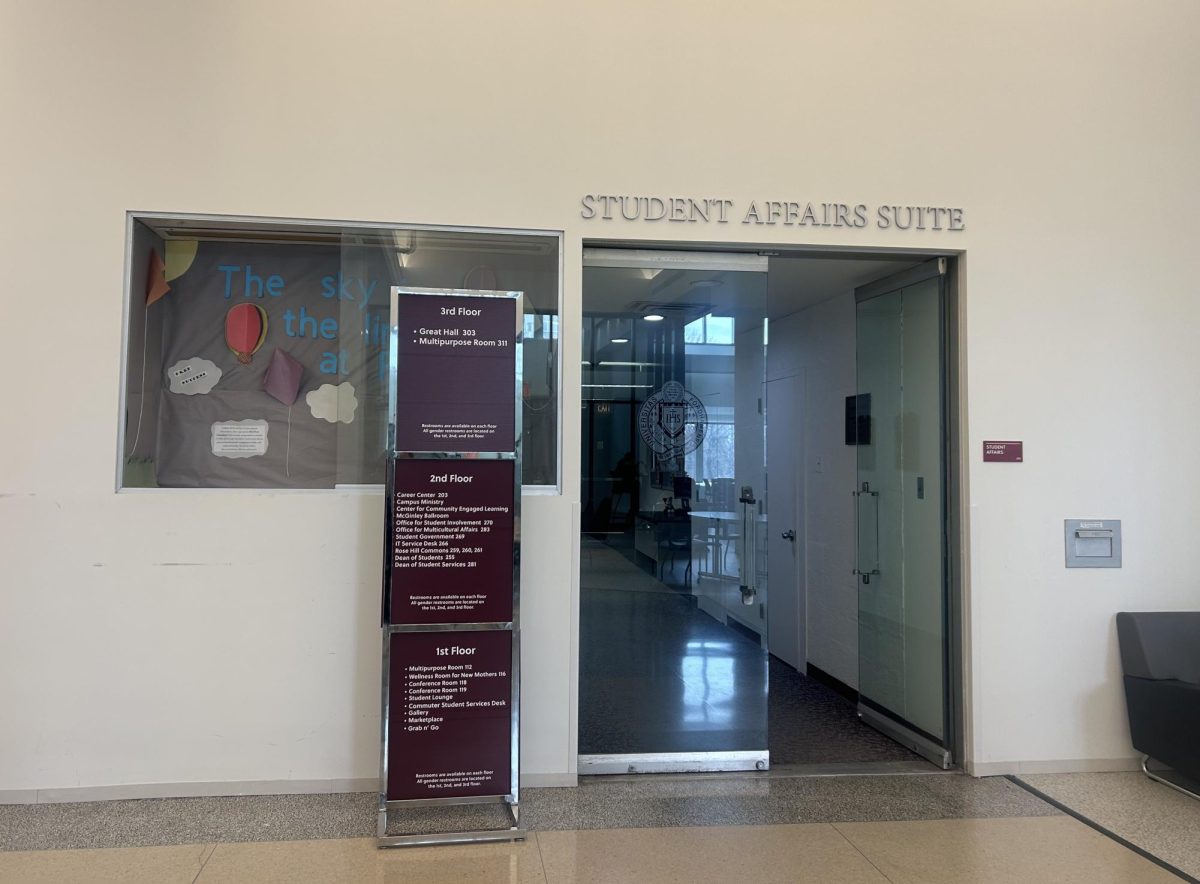





















































































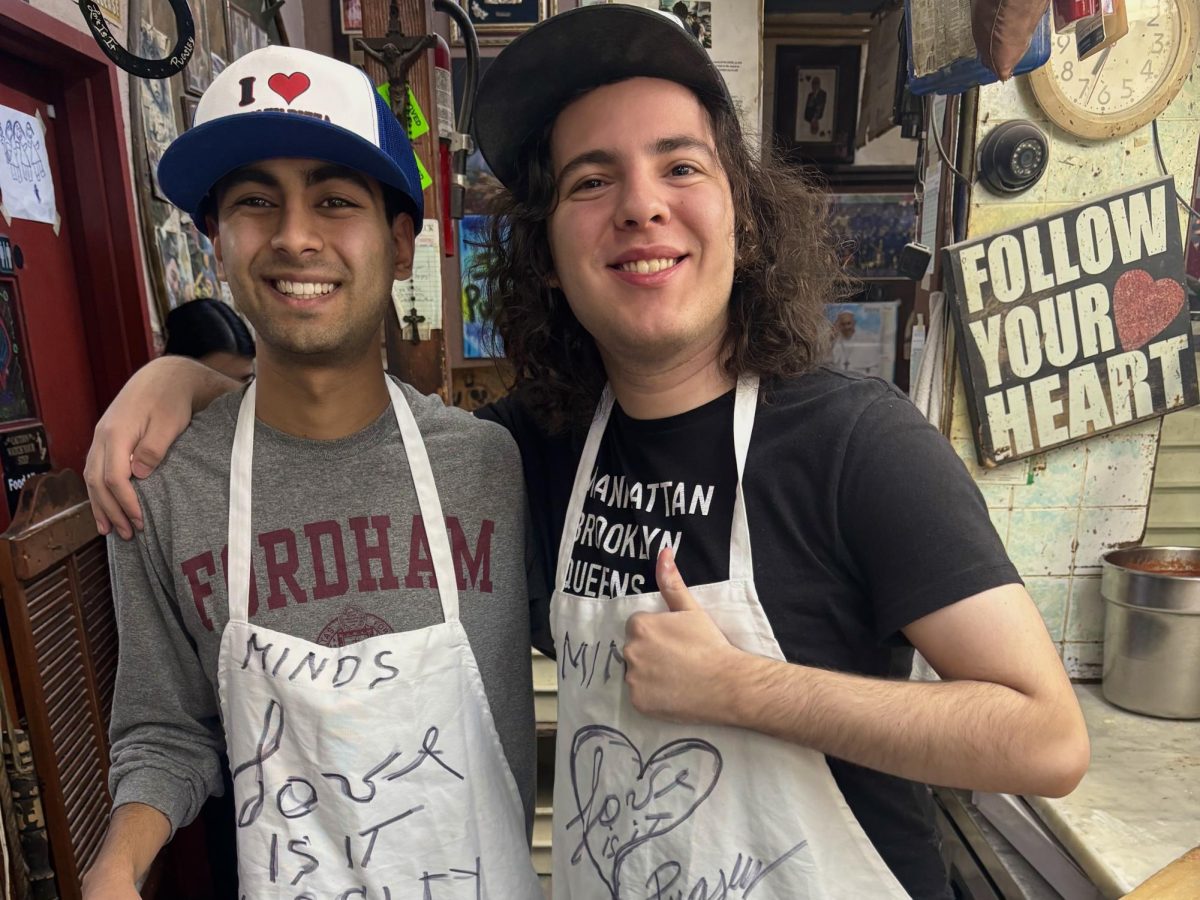
The Mentoring and Inspiring NeuroDivergent Students at Fordham (MINDS) program, a new student support program run by Fordham University’s Office of Disabilities Services (ODS), is now in its second semester of implementation. The program aims to provide academic and social support to students with Autism Spectrum Disorder (ASD) through weekly group and one-on-one meetings, as well as periodic social outings.
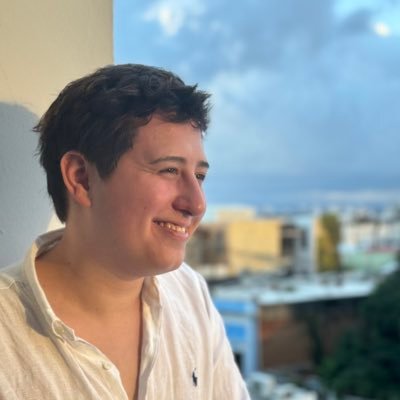
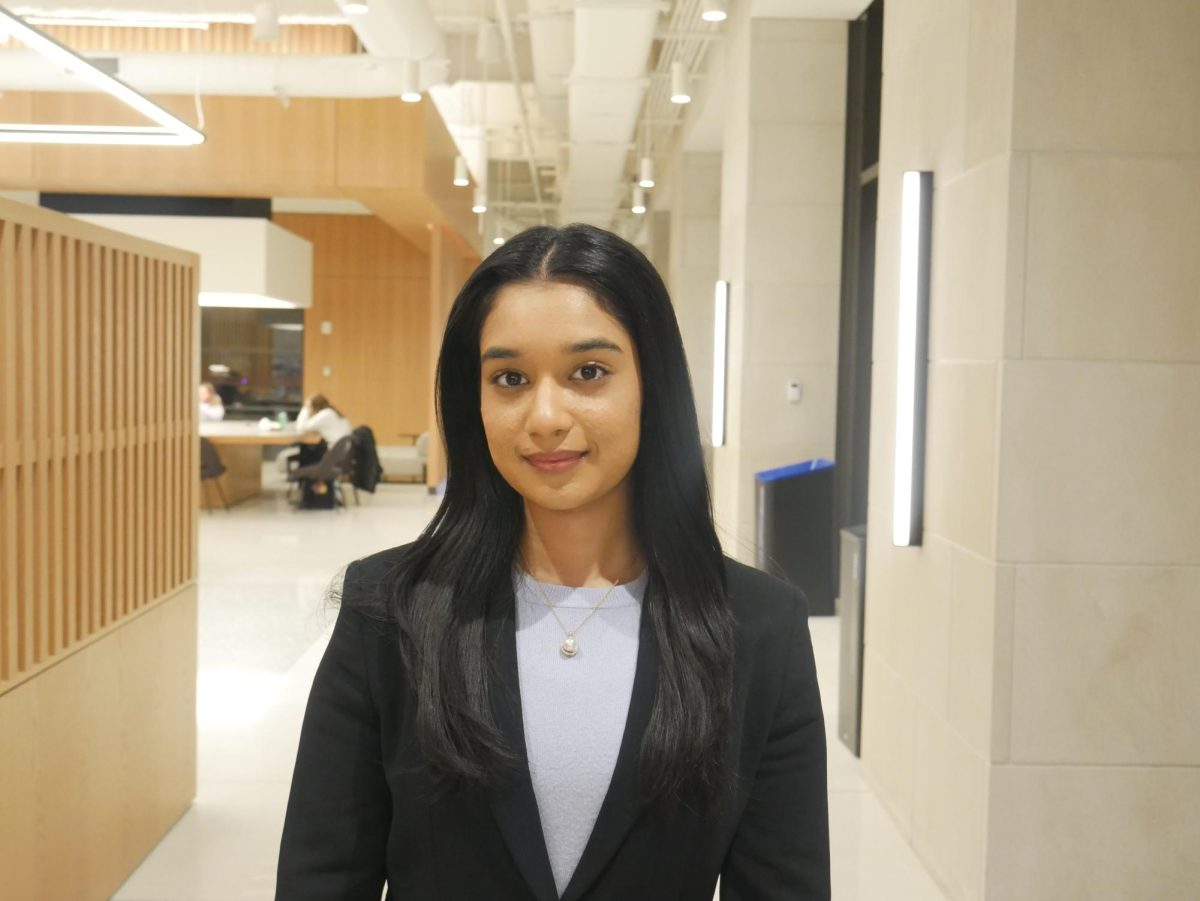
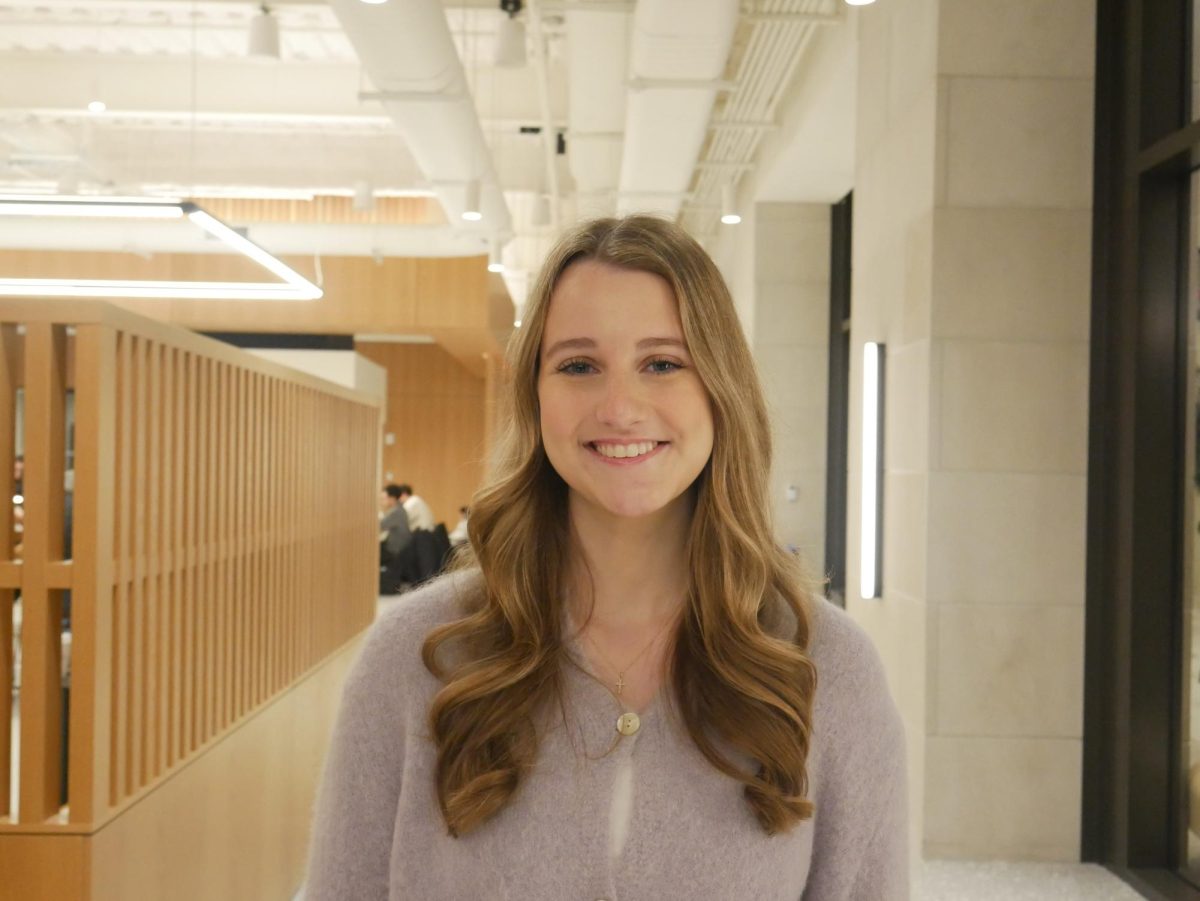
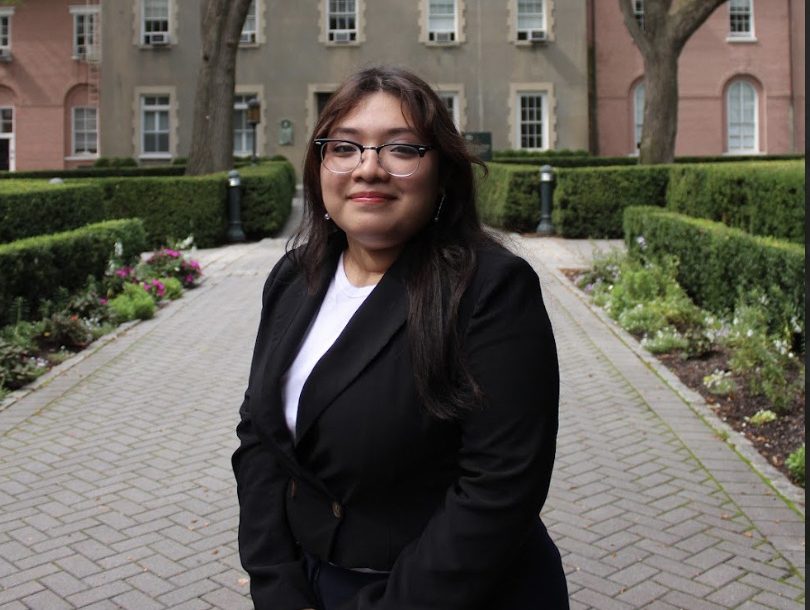
“A lot of students on the autism spectrum have trouble meeting friends and have trouble putting themselves in social situations, and college is so different than high school,” Brand told the Ram. “I think we’re giving students an opportunity for a social life.”
ODS had been floating the idea of creating a program like MINDS for years in response to Fordham’s growing population of students with ASD, according to Mary Byrnes, director of ODS. During the 2023-2024 school year, Byrnes said she finally had the time to begin developing the idea.
She began during the summer of 2024 by contacting and speaking to schools that had programs for neurodivergent students, such as Mitchell College’s Skills Training, Advancement and Individual Readiness (STAIRS) program. Byrnes said that after speaking to these schools, she was able to get a sense of the sort of characteristics of an ideal program, which included having group meetings, lunches, group chats and providing academic and social support.
By the summer of 2025, they had an outline for the program, and were able to begin conducting interviews to hire a program manager. Byrnes said she knew Brand was the perfect fit right away.
“We wanted to get someone really qualified who knew what they were doing,” Byrnes said. “We so hit the jackpot. We really lucked out. The kids lucked out.”
Brand has a Masters degree in Autism and Intellectual Disabilities from the Teachers College at Columbia University and has spent the past 10 years working in child welfare and program development. She said that her desire to return to working with youth with disabilities and work at a university motivated her in her pursuit of the job position. Once she was hired, Brand took the reins in leading the program.
The program currently has one cohort of seven students who meet weekly. During these meetings, Brand creates a lesson plan and leads the students in activities on topics including academics, social life and life skills. The meeting also serves as a space for the students to have open dialogue with one another. In addition to the weekly group meetings, Brand also meets with most students one-on-one each week to provide them with more individualized support.
“I help a lot of the students stay on track academically and help a lot socially, but every student needs something different,” Brand said. “[I] really … pride myself on giving everybody the attention they need and I really want to be able to help each person.”
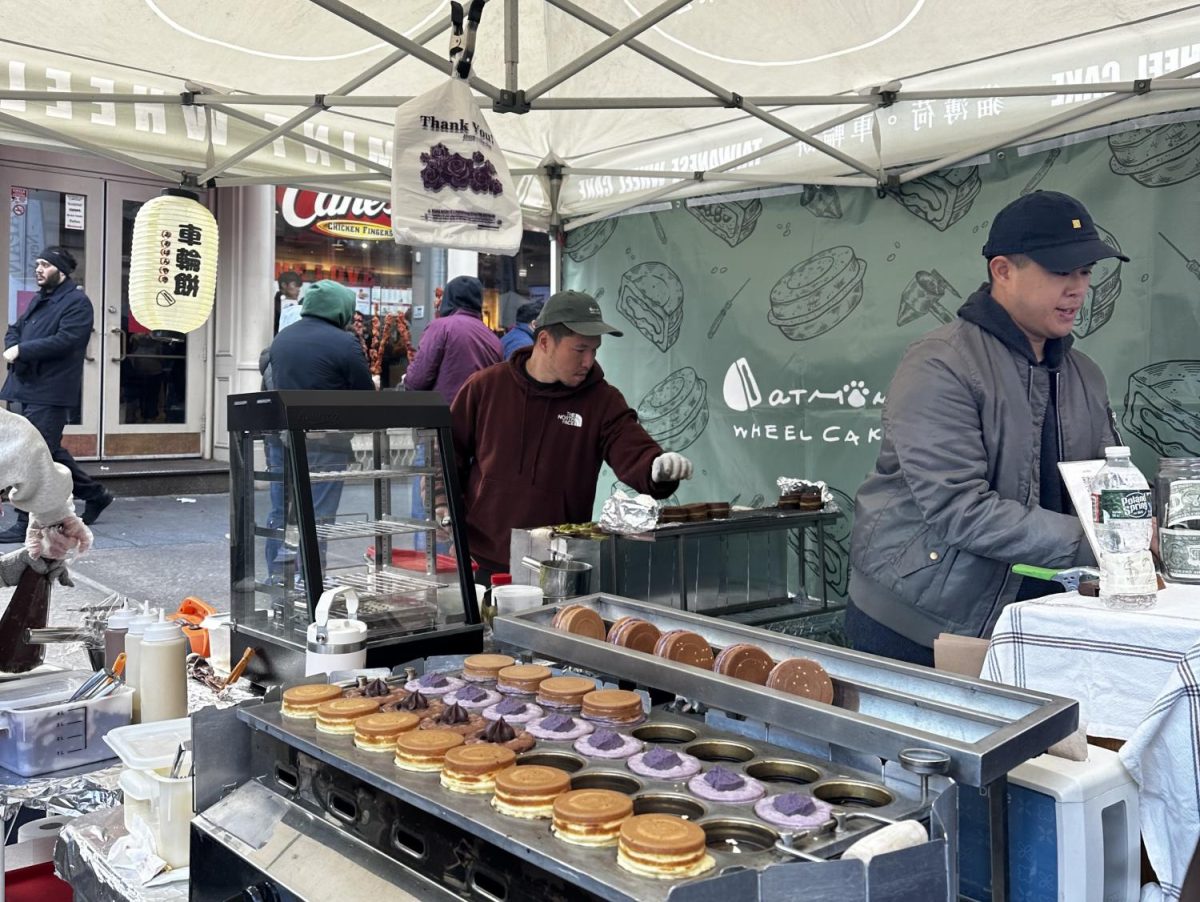
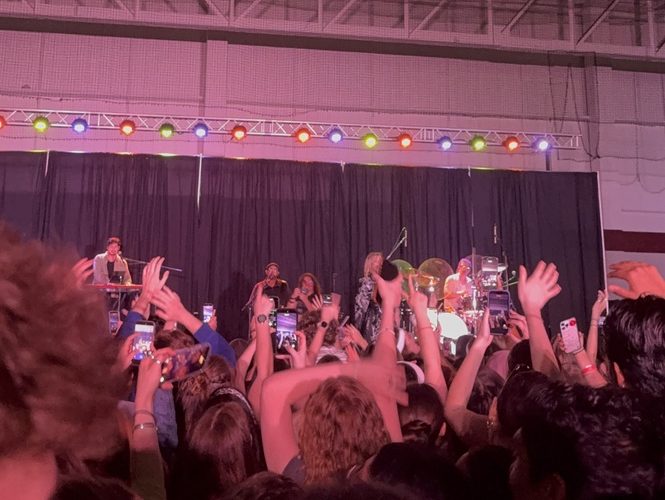
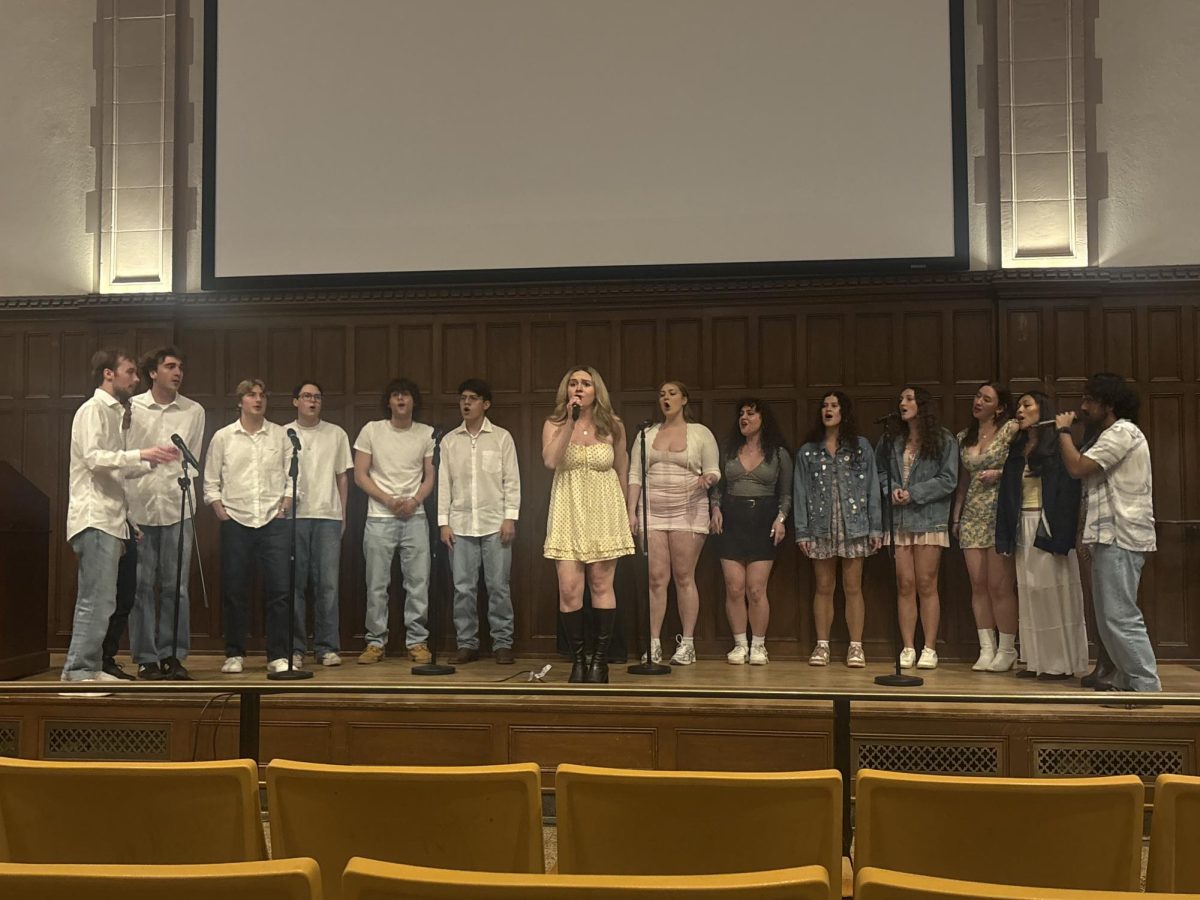
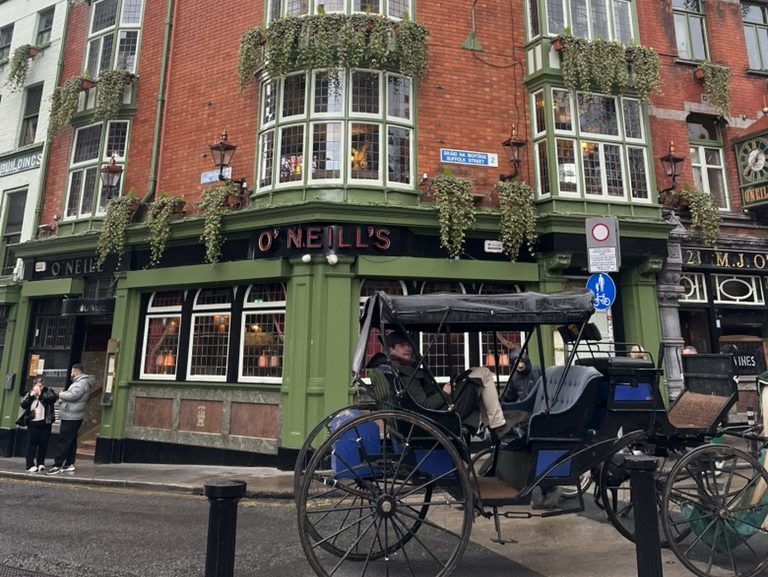
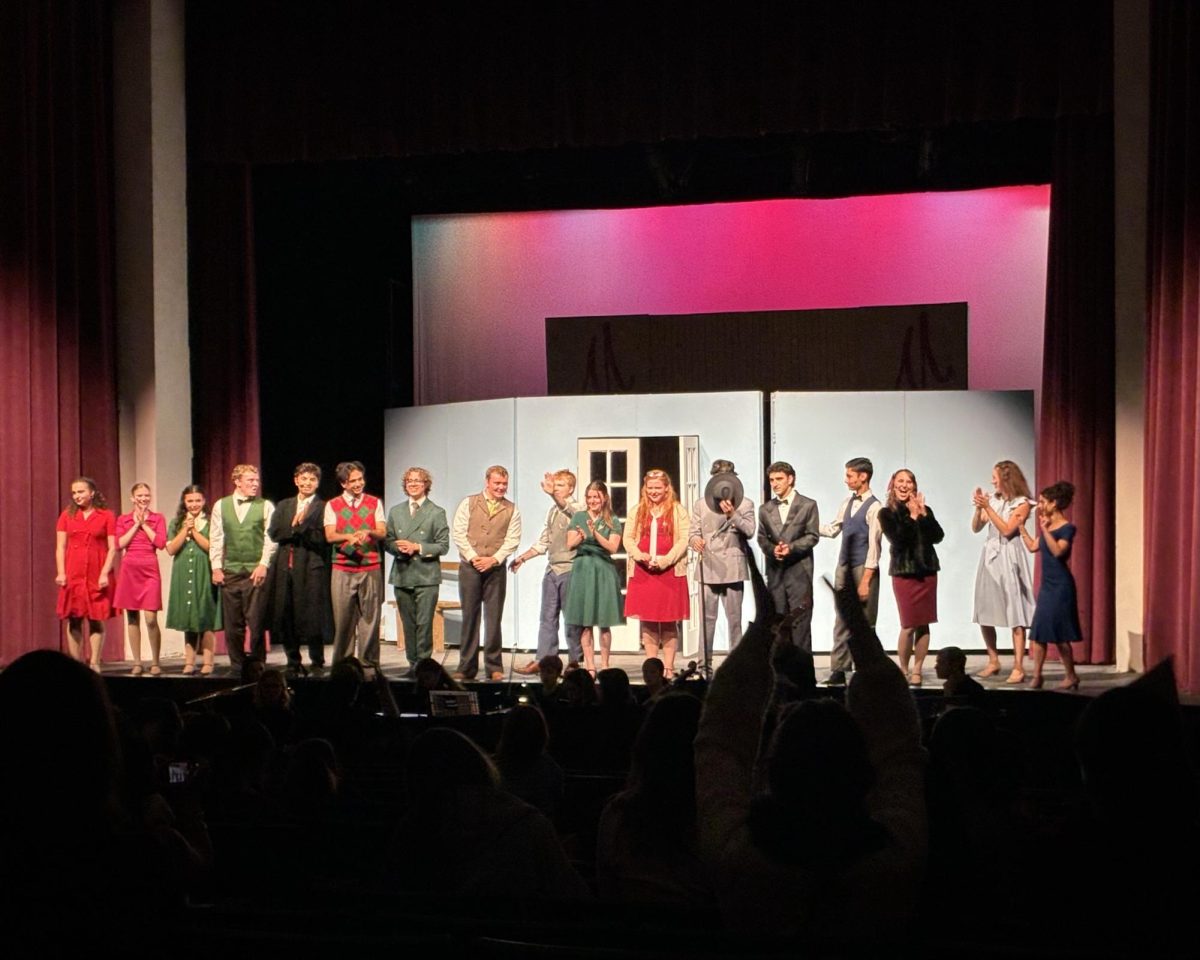
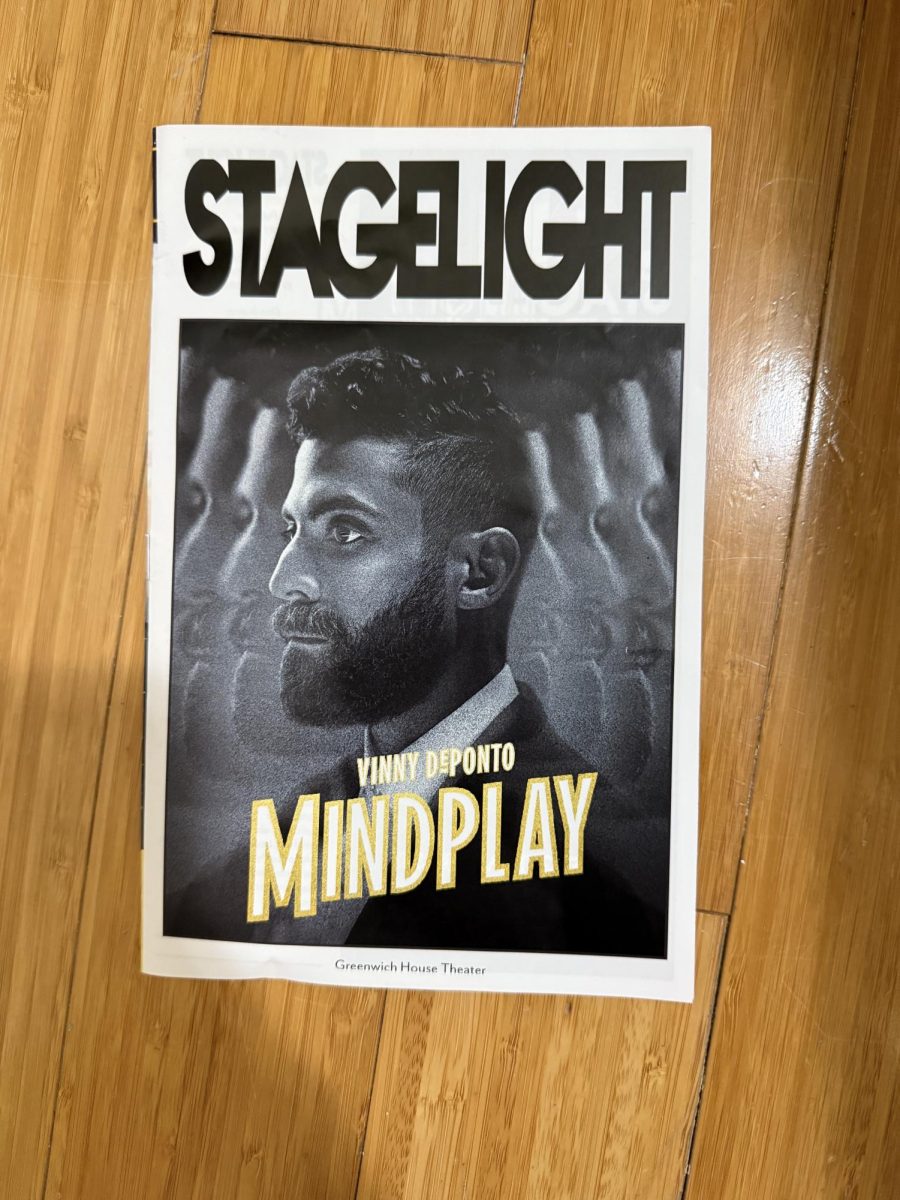
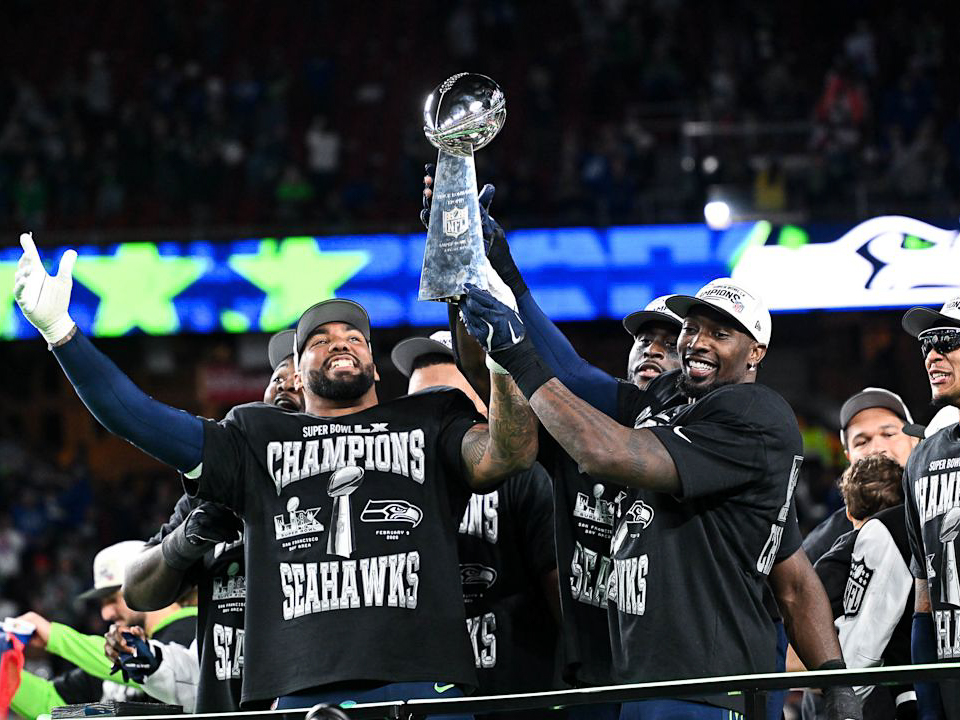
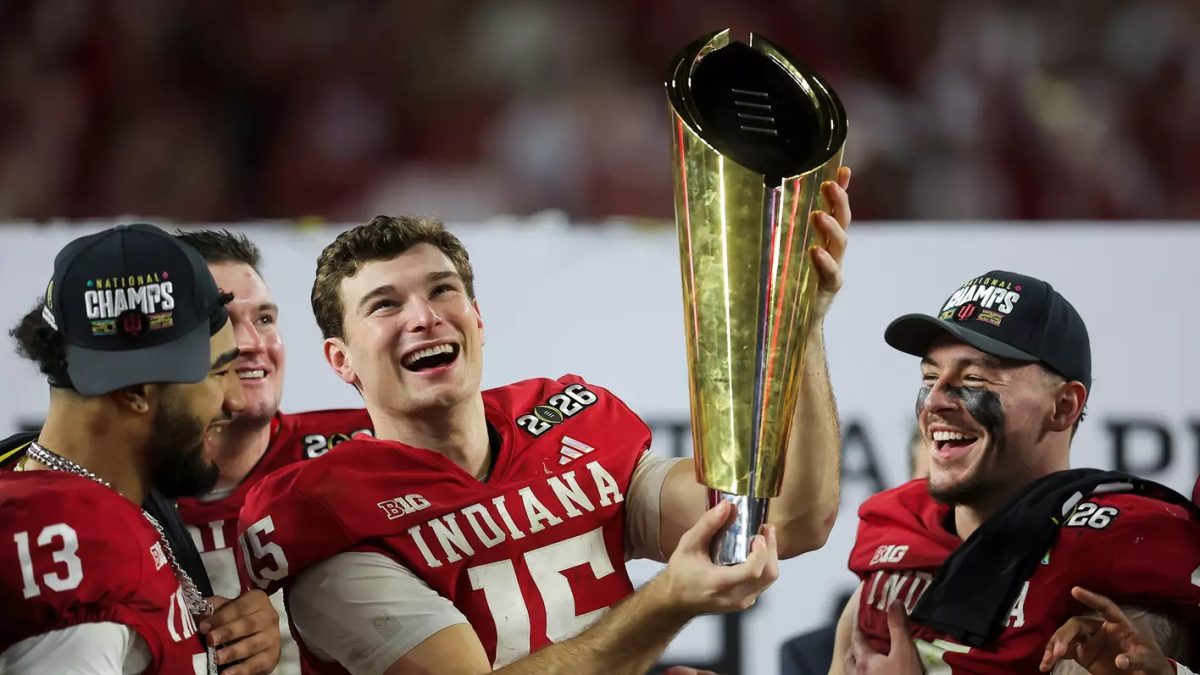
Outside of weekly meetings, the group has monthly lunches. Brand also plans periodic social outings for the group, which have included attending a football game, a school play and participating in a pizzamaking class at Pugsley’s. She has already planned their next outing, which will be seeing a Broadway show.
Brand said she has already seen students benefiting greatly from the program and has heard the same sentiments from other people on campus, including professors and other ODS employees. Byrnes also noted that the program has benefited the students and pointed to a specific student who experienced these benefits.
“There’s one student who’s a senior, and the difference is amazing,” Byrnes said. “We’ve just noticed so many different things, just noticed social skills are better, understanding cues and stuff from us is better … It’s good to see their confidence. It’s good to see their friendship with one another. It’s good to just hear nonstop talking.”
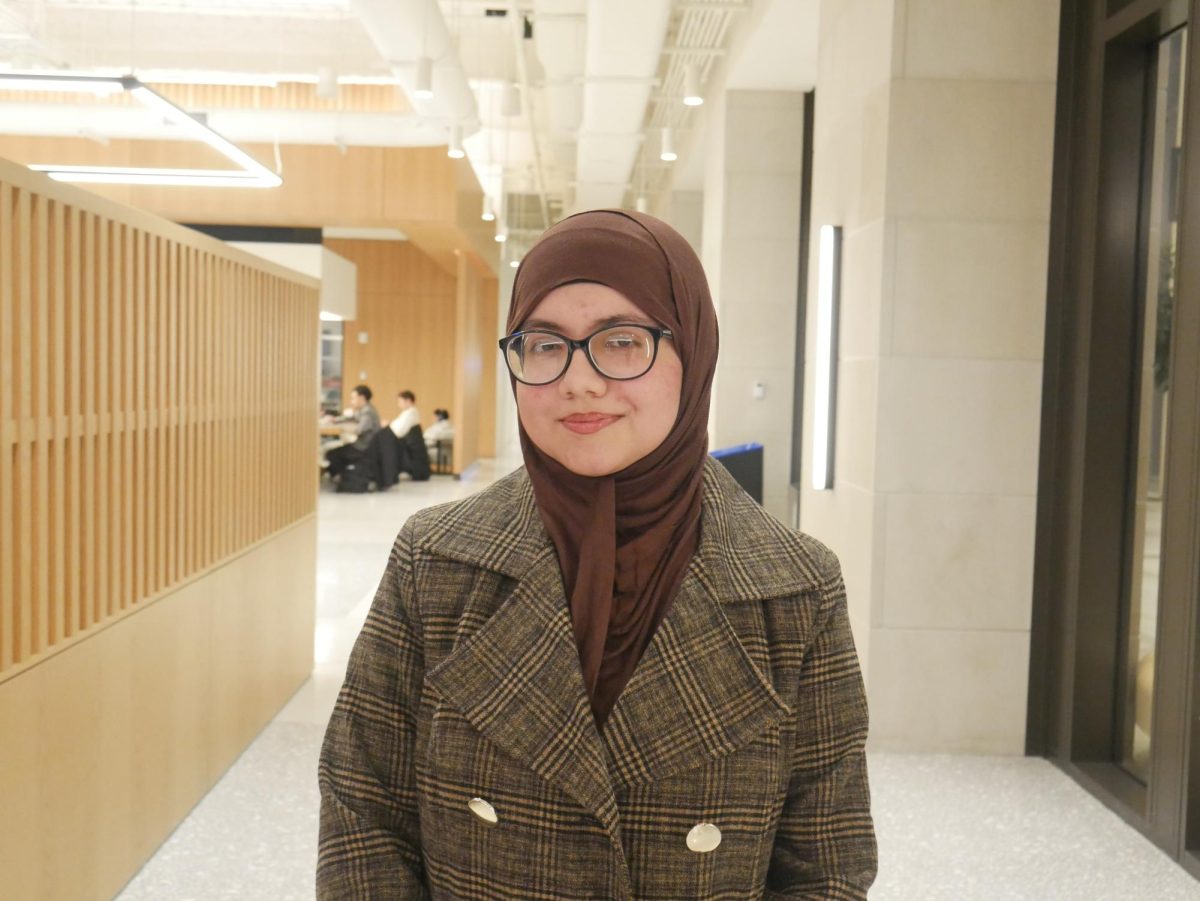
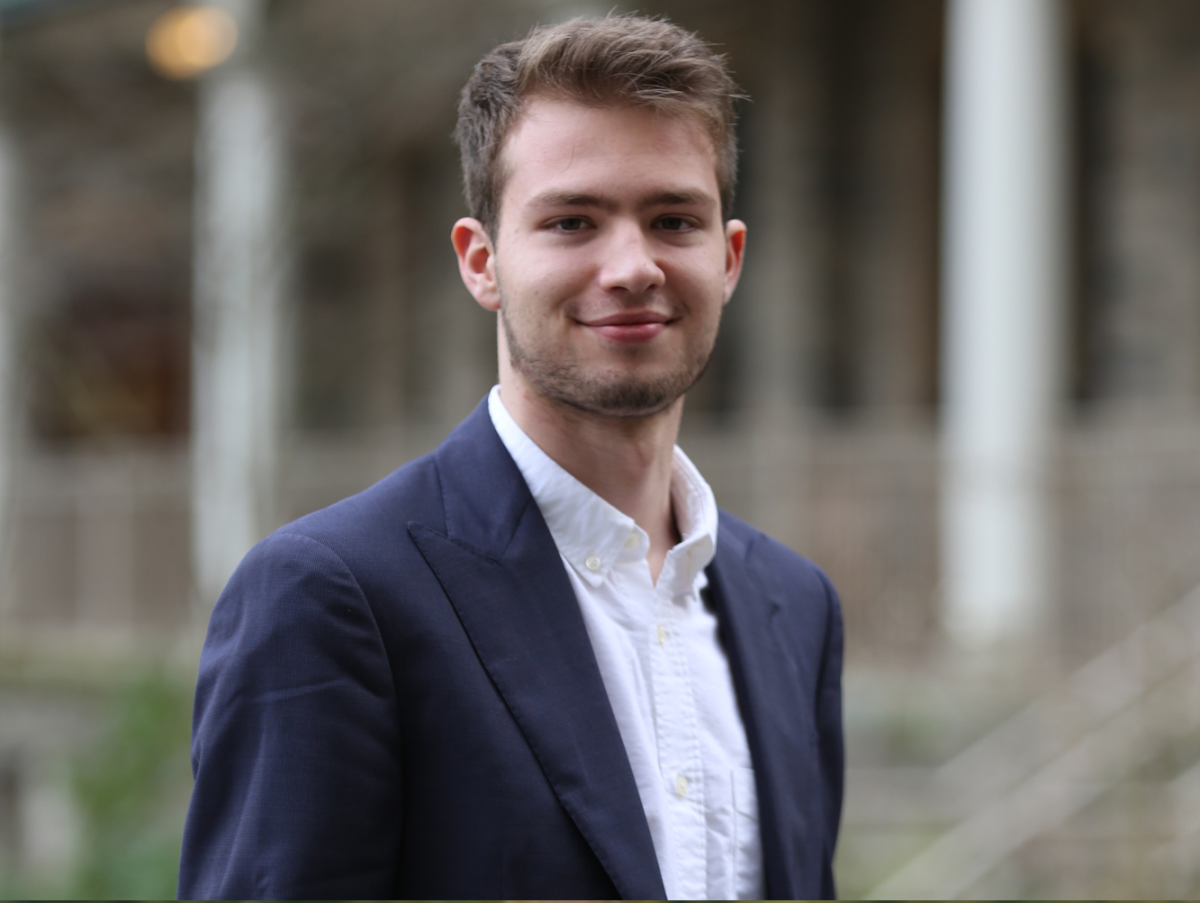
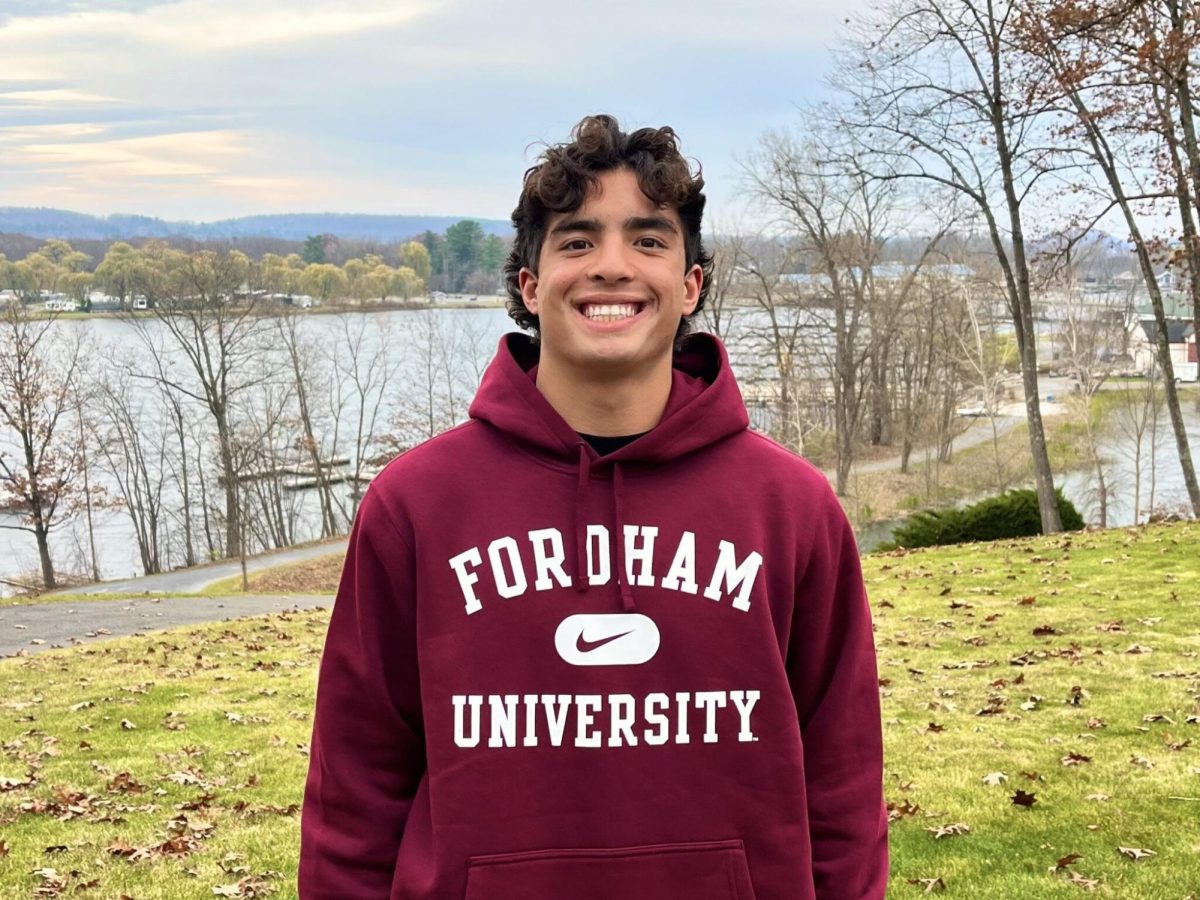
Faris Amin, GSB ’29, a student in the program, said MINDS has helped him a lot since coming to Fordham last fall. Amin has been in similar programs since he was a kid, all of which were aimed at helping kids with autism to form social connections. He said that MINDS is similar to these programs, but is more tailored to the needs of college students, which has made all the difference for him.
“It really helped my college journey a lot,” Amin said. “I’m better off than I probably would have been had I not been a part of this … My life wouldn’t be a straightforward path as it is right now.”
Aside from helping him navigate college life, Amin said MINDS also gave him a place where he felt like he belonged and didn’t have to worry about feeling different.
“Sometimes I feel like I’m the odd one out. Like when I’m in a large group, I feel like the one who acts a little different from everyone else,” Amin said. “When I got to MINDS … I knew … who I was, that I was a normal person; I wasn’t gonna make a bad impression on anybody.”
The program costs students $3,900 per semester, which covers all services, including meals and social outings. Byrnes said that the program is funded almost entirely through tuition, although they do also receive some grant money from the state of New York.
While the program currently only has seven students, Byrnes and Brand both emphasized that they are always open to more students joining. Brand explained that the small group size is important, but that if enough students joined, they may make additional cohorts. Overall, they emphasized that they want the program to be available to any students who need it.
“MINDS is definitely the first of its kind […].” Brand said. “It’s a great program.”