













































































































































This past August, Fordham University launched ReusePass, a reusable take-out container program, at its all-you-can-eat dining locations. For the equivalent of one meal swipe, students get a reusable container to fill up with food and take out of the dining hall.
The initiative aims to reduce the use of single-use containers at select dining locations, with plans to expand to other dining locations such as Urban Kitchen.
To use ReusePass, students must sign up using the website app.reusepass.com. Then, they can go to the Marketplace at the Rose Hill campus and scan their ID card and their unique QR code from their ReusePass account, after which they will receive a green plastic container to fill up with food. The container must be returned within three days or the student will be fined.
To return the box, students scan it back in at the entrance desk and place it on the conveyor belt with the dirty dishes. Currently, containers can only be returned to the Marketplace, but there are plans to expand drop-off locations.
An email was sent to students on Nov. 3 with information regarding ReusePass.
“Reusepass will continue to be free as long as you return your container within 3 days, and we will be introducing an environmental fee of $2.50 for single-use containers requested in retail locations,” the email said.
The exact date that the environmental fee will be implemented was not stated. Orla Fitzsimons, director of Dining Business Operations and Contract Management, explained how Fordham is paying for the containers.
“Ram Hospitality is covering the start-up costs associated with purchasing the ReusePass containers,” Fitzsimons said in an email.
Some students believe if they had to pay the extra cost, it would drive students away from eating at certain locations.
“If it was more than [fifty cents],” said Sloane Duys, FCRH ’28, “I feel like I’d honestly just end up going to the [Marketplace] more so that I wouldn’t have to even deal with that.”
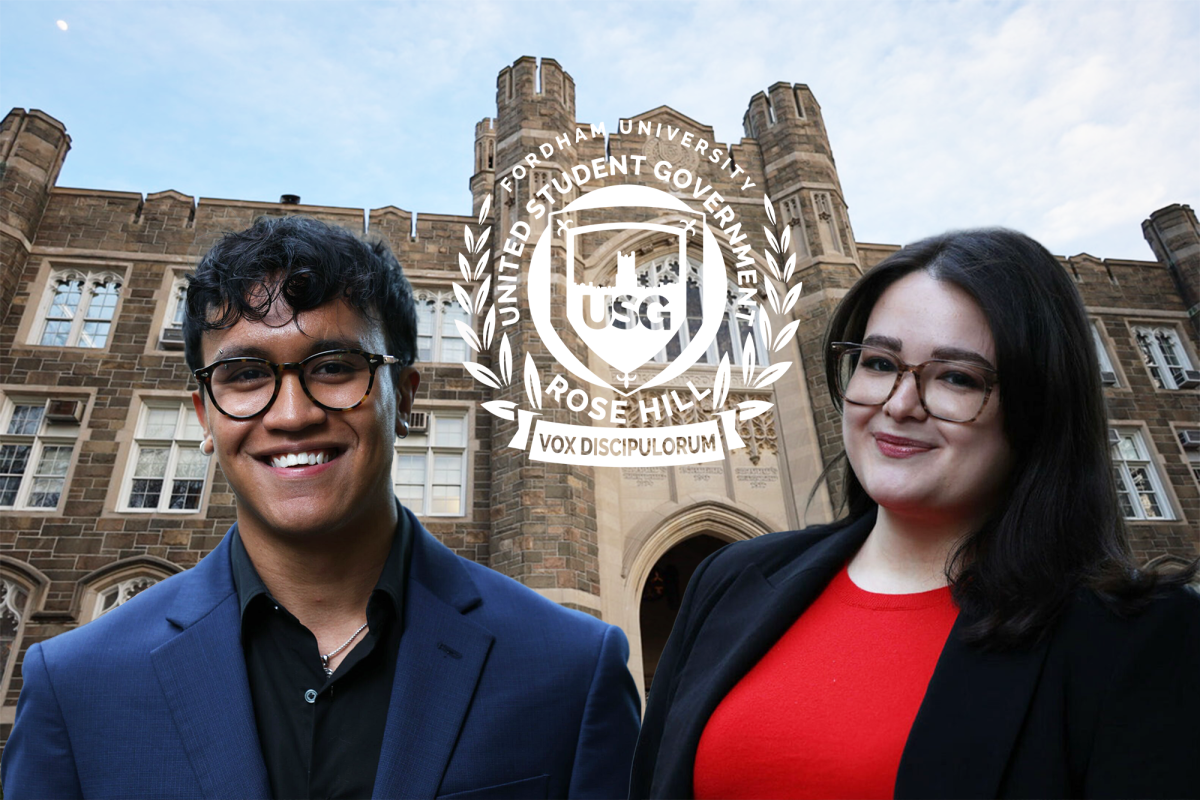
United Student Government Vice President of Facilities and Dining Madeleine Ando, FCRH ’27, explained the sustainability motive behind the program.
“Reuse Pass is an initiative by Fordham to reduce the amount of single-use container waste that we currently produce,” Ando said.
Previously, students were not allowed to take food outside of the Marketplace, as it is an all-you-can-eat buffet. While ReusePass changes this by allowing students to take food to go, students are still not allowed to bring their own containers into the Marketplace.
Fitzsimons said they have only received positive feedback from the program so far.
“Many students have said that they have found it easier to use than the previous Green To-Go program and they are pleased that there is no cost,” Fitzsimons said.
Eva Verstegen, FCRH ’28, talked about the inability to use her own container at dining locations across campus in general.
“If they’re worried about sustainability,” she said, “just make it an option to use tupperware.”
Verstegen said that many students probably already have their own reusable containers at home. She found out about ReusePass when she tried to use her own container at the Marketplace.
“They said no, but you can do ReusePass,” she said. Verstegen explained that she used ReusePass twice and then never again.
Some students are unaware of the take-away containers. When Natalie Sheehan, GSB ’28 learned about the program, she said she felt like students should be able to take a meal away from the dining hall without using an extra meal swipe.
“I think if you’re already paying for a meal plan an additional charge, even if it’s from your dining dollars, is silly,” she said.
Ando emphasized that the ReusePass initiative is focused on sustainability by reducing single-use containers, not affordability.
“At Urban Kitchen,” Ando said, “there are so many of the single-use containers that they go through, and they want to reduce the amount of waste of those single-use containers.”
According to Fitzsimons, since fall 2025, as a result of the program, “more than 600 single-use containers have been diverted from the landfill.”
However, there are mixed feelings about the environmental impacts of the program. Some students believe the initiative doesn’t actually help reduce waste because of its use of plastic.
“If we’re talking about sustainability,” said Verstegen, “buying a hundred, two hundred reusable plastic containers … you can’t justify that.”