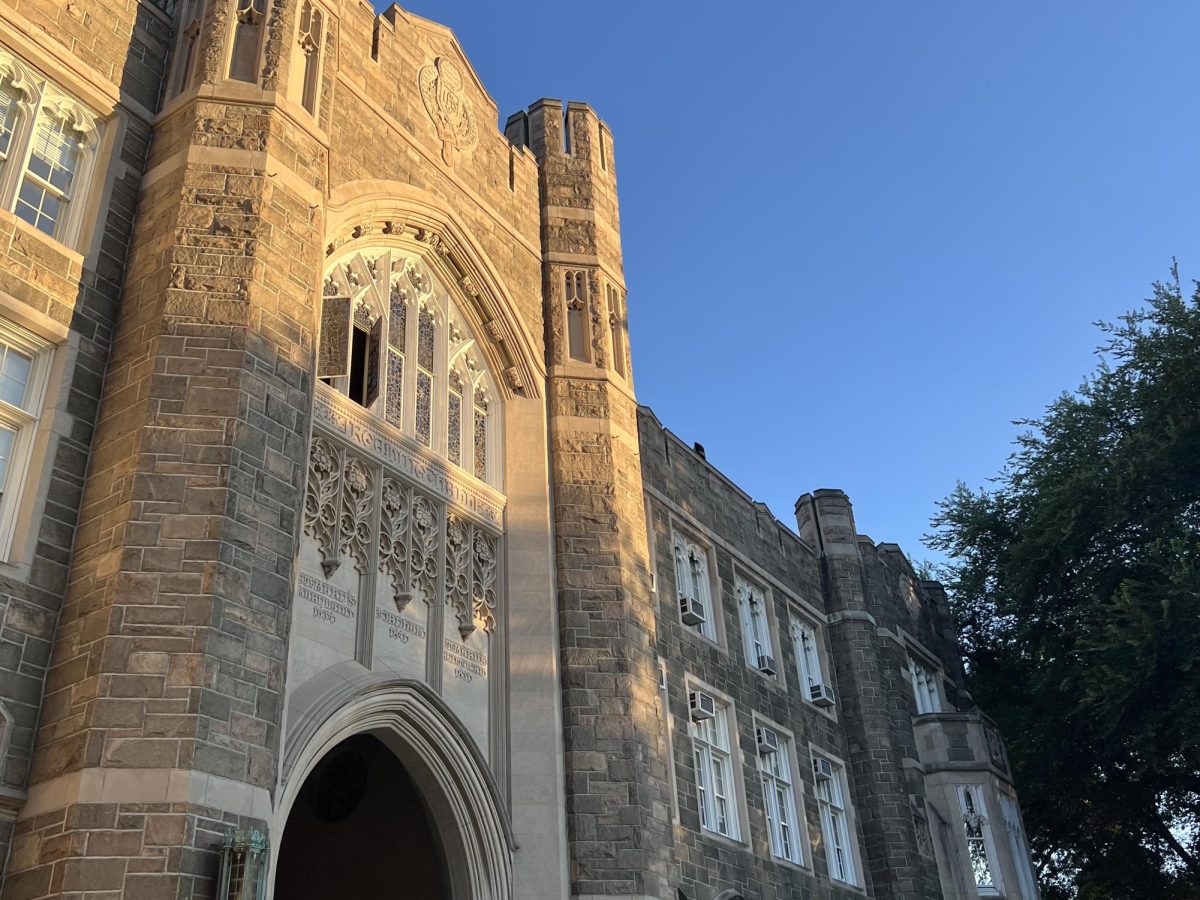


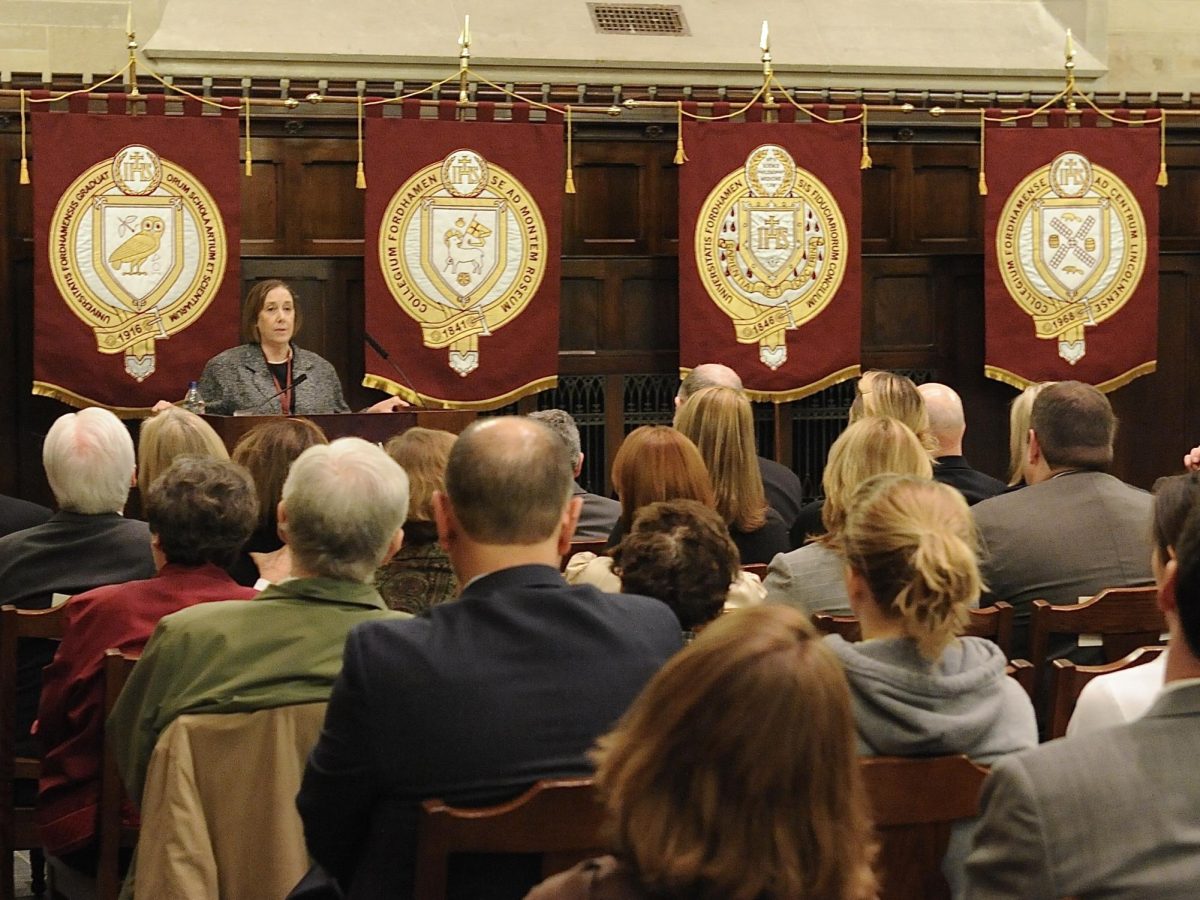





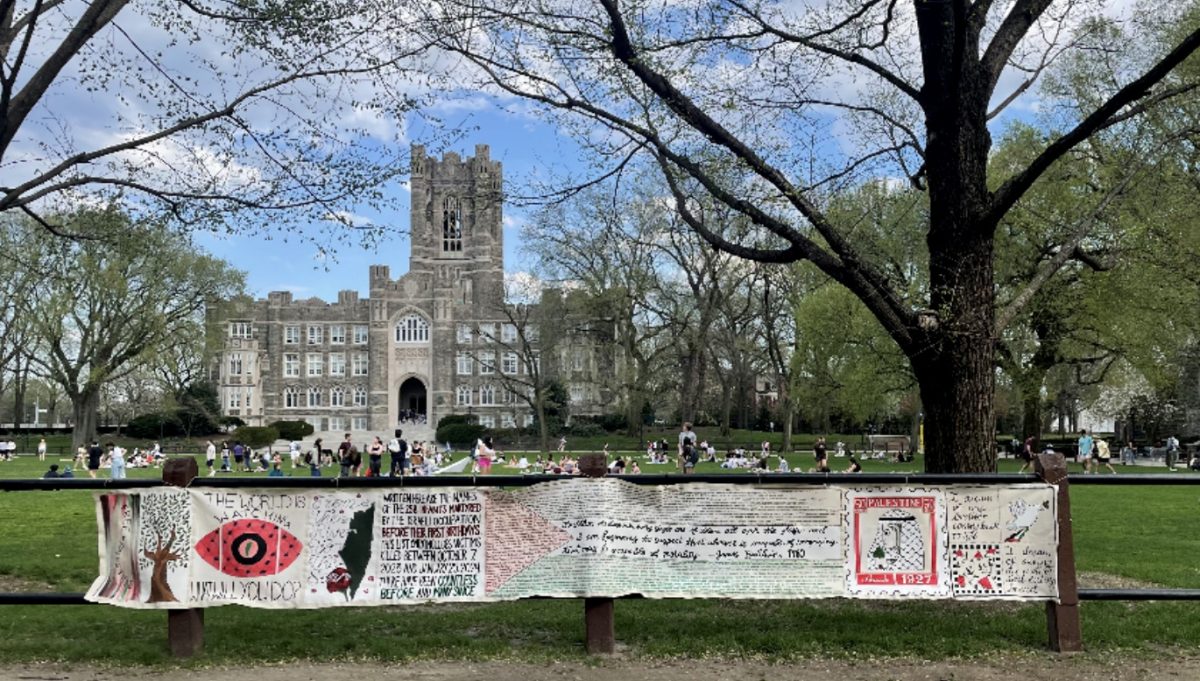



























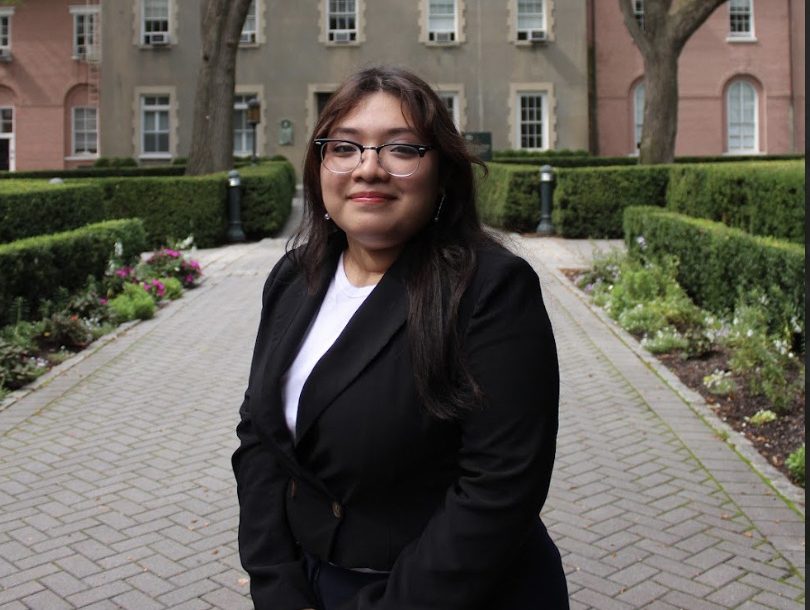
























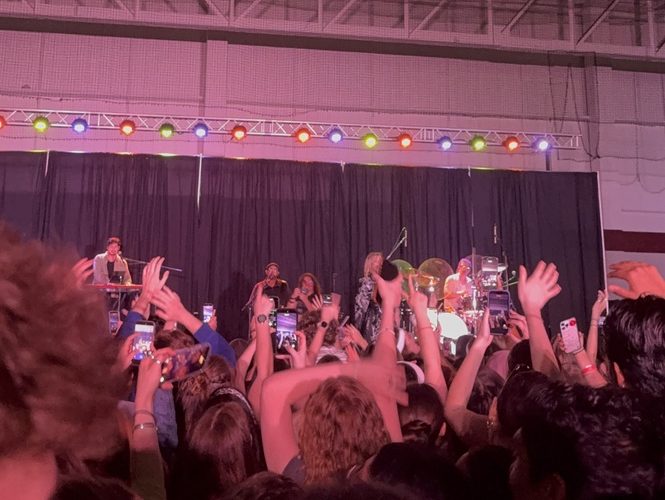







































































Fordham University’s United Student Government Committee on Sexual Misconduct and the university’s Title IX Office hosted a screening of “Roleplay” on Oct. 29 in Keating Hall.
The film sparked a conversation about exploring how theater and documentary storytelling can reshape campus conversations about sexual violence.
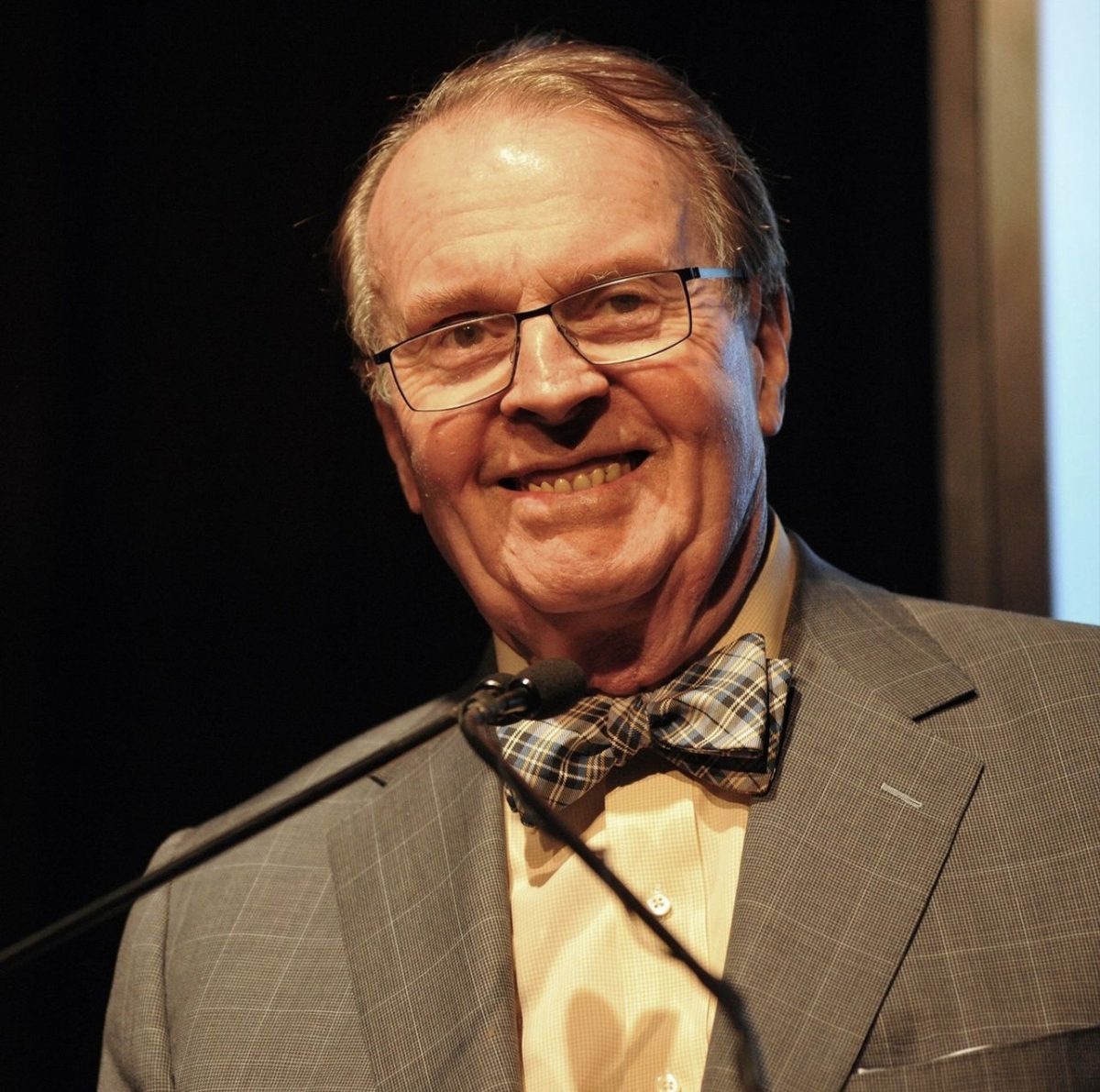
The event opened with University President Tania Tetlow, who introduced the project and its potential as a teaching model. Tetlow, who previously taught law at Tulane University, told attendees that the work began with a professor who approached her with an idea that students could use performance to confront the realities of sexual violence.
“We had already done so much,” Tetlow said. “But that work of not just reacting to sexual violence on campuses, but how do you prevent it, which is the much bigger issue of stopping the pain and the suffering before it happened.”
The small Tulane production has now become a nationally screened documentary. Tetlow urged Fordham to take inspiration from that model, emphasizing the need to prevent harm before it occurs and to teach empathy and justice in ways that resonate beyond policy.
Earlier in the day, the film’s creators led embodiment workshops in the McShane Campus Center, where students engaged in consent-based movement exercises that encouraged reflection on body awareness and communication.
These sessions, moderated by “Roleplay” director Katie Mathews and producer Jenny Mercein, offered Fordham students a hands-on introduction to how storytelling and physical expression can build trust and awareness around consent.
The evening screening drew a handful of students and administrators. Afterward, Mathews and Mercein joined Tulane alumni Aaron Avidon and Miranda Jo Kramer, two of the film’s original cast members, for a discussion moderated by members of Fordham’s CSM committee. Kramer said their character reflected personal experience.
“It was very hard to not want to go into your own personal experience on campus,” they said. “There was definitely a desire from quite a few members of the cast to be like, no, I want to be personal about it, and I want my character to reflect a lot of my own experiences.”
The film chronicles Tulane students devising a play in response to a campus climate survey reporting that 41% of female students and 19% of male students had experienced sexual violence or harassment.
The actors developed characters based on anonymous interviews with peers, exploring themes of consent, race, power and masculinity. The result was both a performance and a record of students confronting a culture of silence.
Mathews and Mercein said that what distinguished “Roleplay” was its intersection of art and activism. The film has since become part of Tulane’s programming for incoming students, and screenings continue nationwide.
“Shame thrives in silence,” Mathews told the audience, explaining that the project’s goal was not to assign blame but to spark honest dialogue that allows both victims and perpetrators to reflect on their behavior.
Avidon, who portrayed a male student embodying “toxic masculinity,” reflected on how acting in the film forced him to confront patterns he had observed in college life.
In a later interview, Avidon reflected on what it means to act on that message. “If you are able to look inward to yourself and acknowledge that there’s wrong behavior out there and say, who’s going to do something about this?” he said. “If you feel like you can ask yourself, you’re one step away from being the person to step in.”
Kramer agreed that accountability must be shared. “It should be everybody,” they said. “If you’re having to think like, oh, should someone speak up about this? It’s probably you and the people surrounding you that are also witnessing that behavior.”
They recalled audience members who approached after performances to share their own realizations, including a woman who said the show helped her recognize coercion in her marriage.
“It’s worth it, even if it’s one person who finally names their experience,” Kramer said.
Several students involved with CSM noted the challenge of engaging first-year students through traditional online Title IX modules.
Mathews and Mercein agreed that arts-based interventions, workshops and performances create safer spaces for learning.
“You have to make room for joy in the movement,” Mercein said, describing how laughter and play can lower walls around difficult conversations.
For Fordham students, the screening highlighted how documentary films and storytelling intersect. “Roleplay” documents not only survivors’ testimonies but the creative process of translating them ethically — mirroring documentary filmmakers’ responsibility to portray lived experiences without exploitation.
The film’s success on the festival circuit, including screenings at South by Southwest and the New Orleans Film Festival, underscored how narrative craft can amplify social impact.
As the evening closed, attendees lingered to speak with the filmmakers and take photos with Avidon and Kramer.
Tetlow, who had left earlier for another engagement, had invited students to email their reactions directly, a gesture consistent with her message that institutional reform depends on listening.