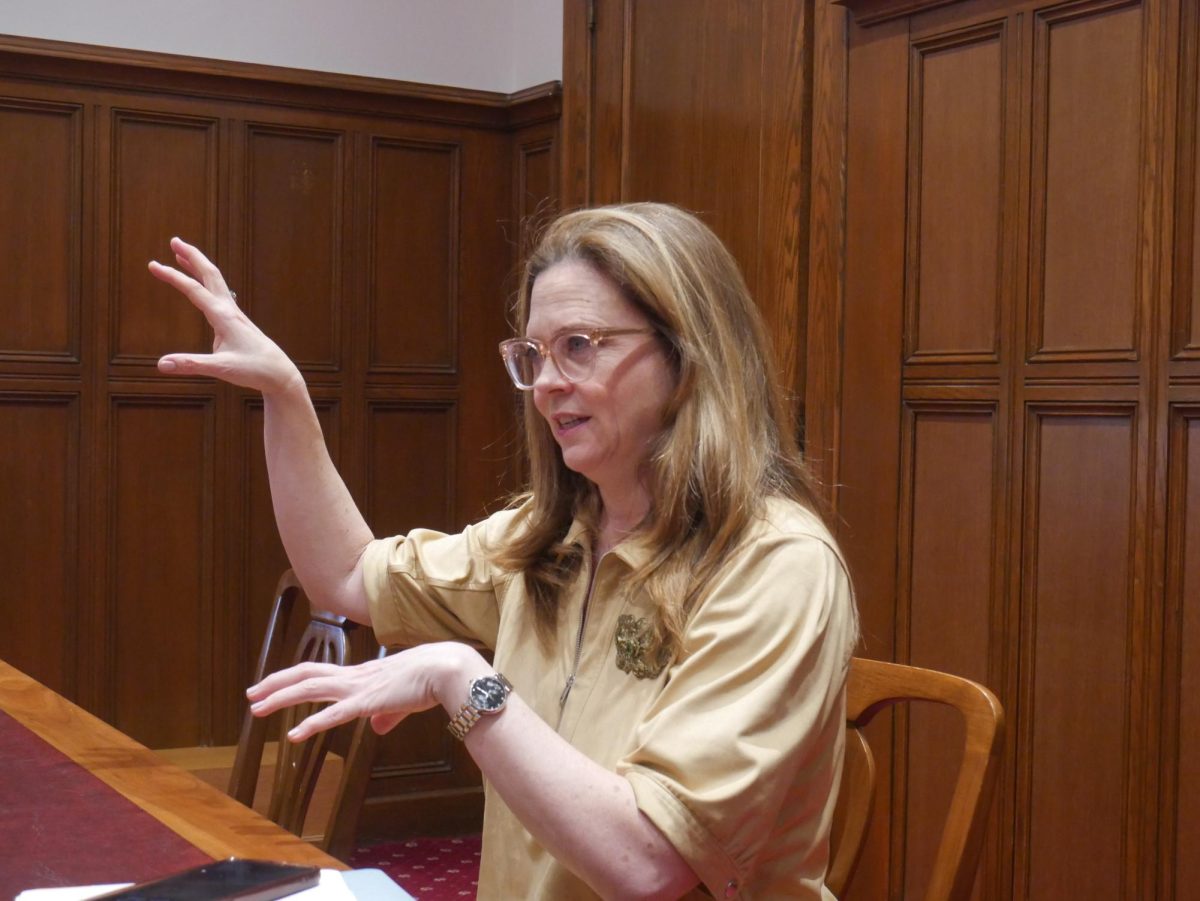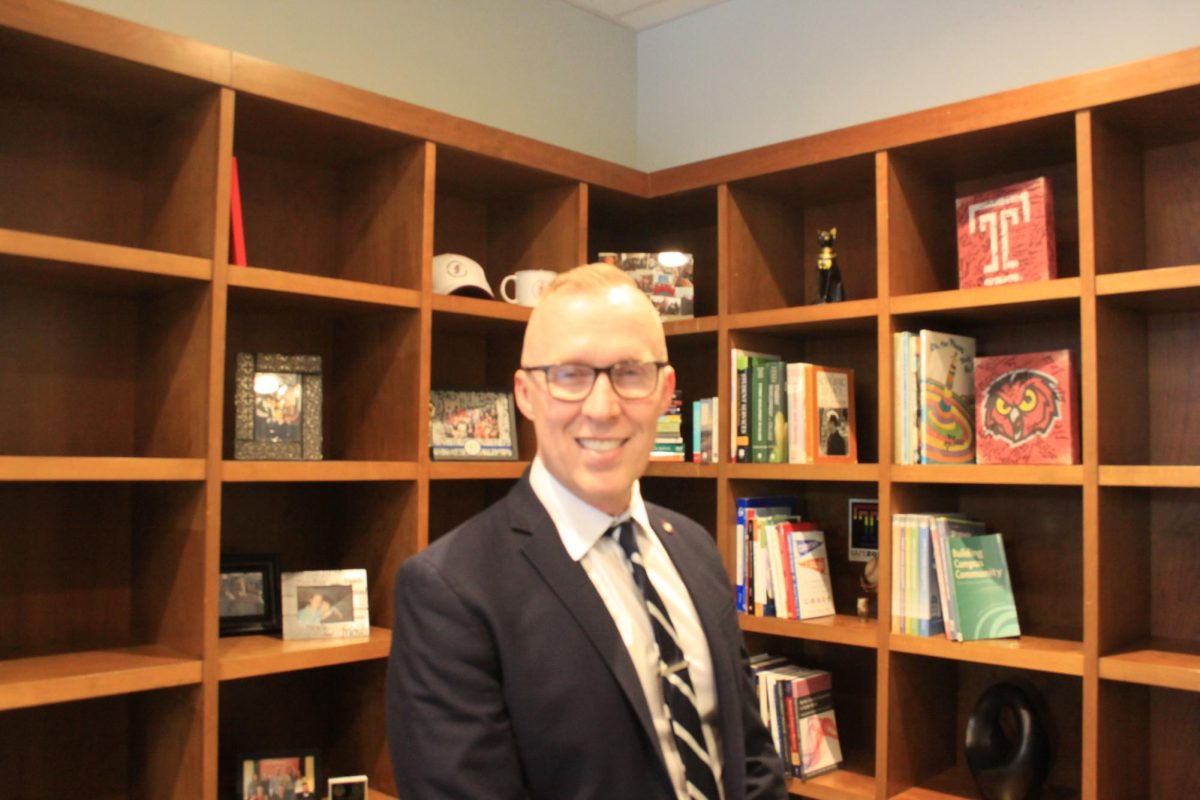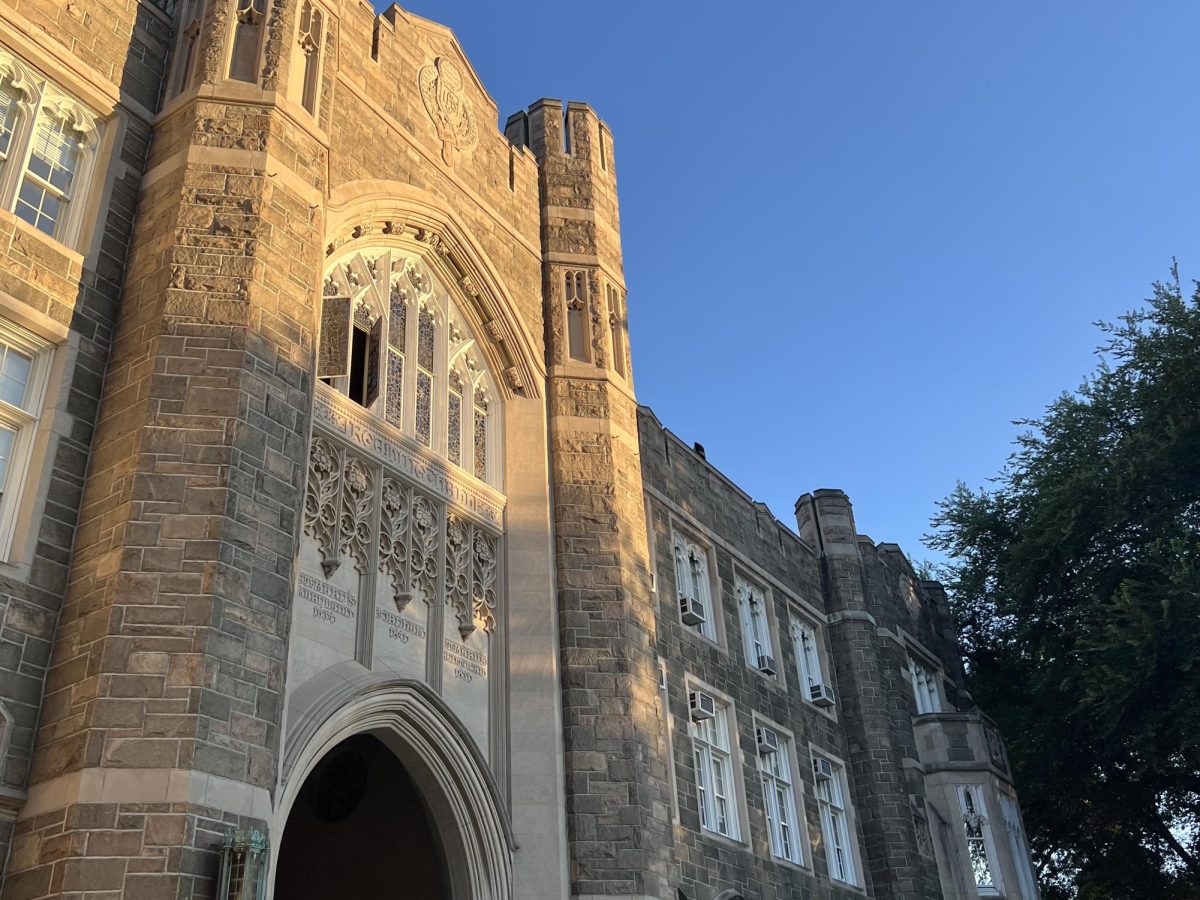


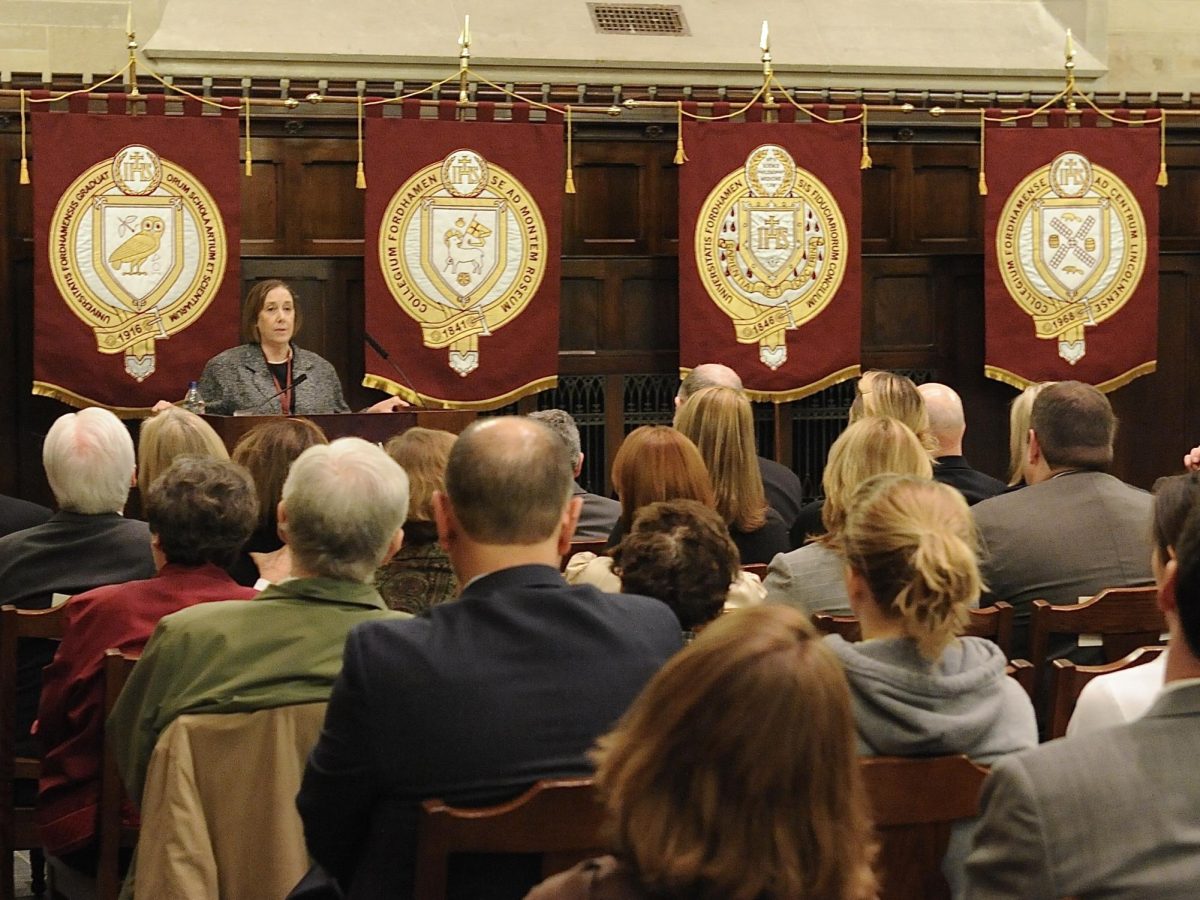





























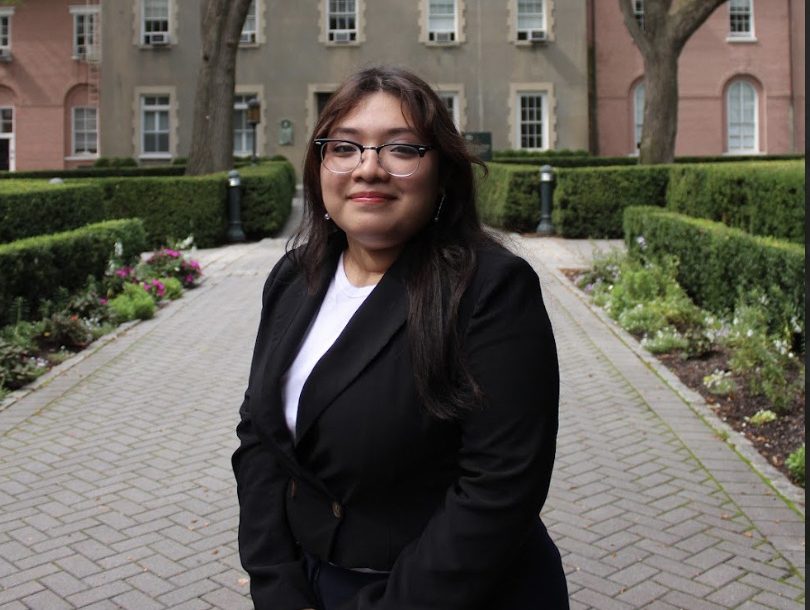



































































































The Fordham University’s recent restructuring of the Arts and Sciences department has shifted the responsibilities and titles of several academic leaders, including longtime Graduate School of Arts and Sciences (GSAS) Dean Ann Gaylin.
Previously having served as dean of GSAS, Gaylin now holds the position of vice dean of Arts and Sciences. This transition is a part of the broader administrative realignment that is aimed at unifying academic leadership and streamlining operations across campuses.
Under the new structure, one dean now oversees all of Arts and Sciences, bringing together undergraduate and graduate programs under a new single administrative umbrella. While the change marks a significant overhaul for Fordham, Gaylin had said that her own responsibilities have remained consistent.
“Much of my work is the same,” she said, adding that the consolidation has primarily transformed the undergraduate level while creating a more collaborative environment in and among leadership.
Gaylin continues to oversee the day-to-day operations of graduate education, which has encompassed more than 40 degree programs across various disciplines. Gaylin’s work alongside her entire team includes admissions, recruitment, commencement, fundraising and professional development for the graduate students.
Gaylin will also partner with faculty to design new programs, explore some future directions for graduate education and respond to the individual needs of students, whether going through academic support or industry partnerships, such as coordinating internships with companies like IBM.
“Every day, I’m doing a different kind of work,” she said, referencing her work.
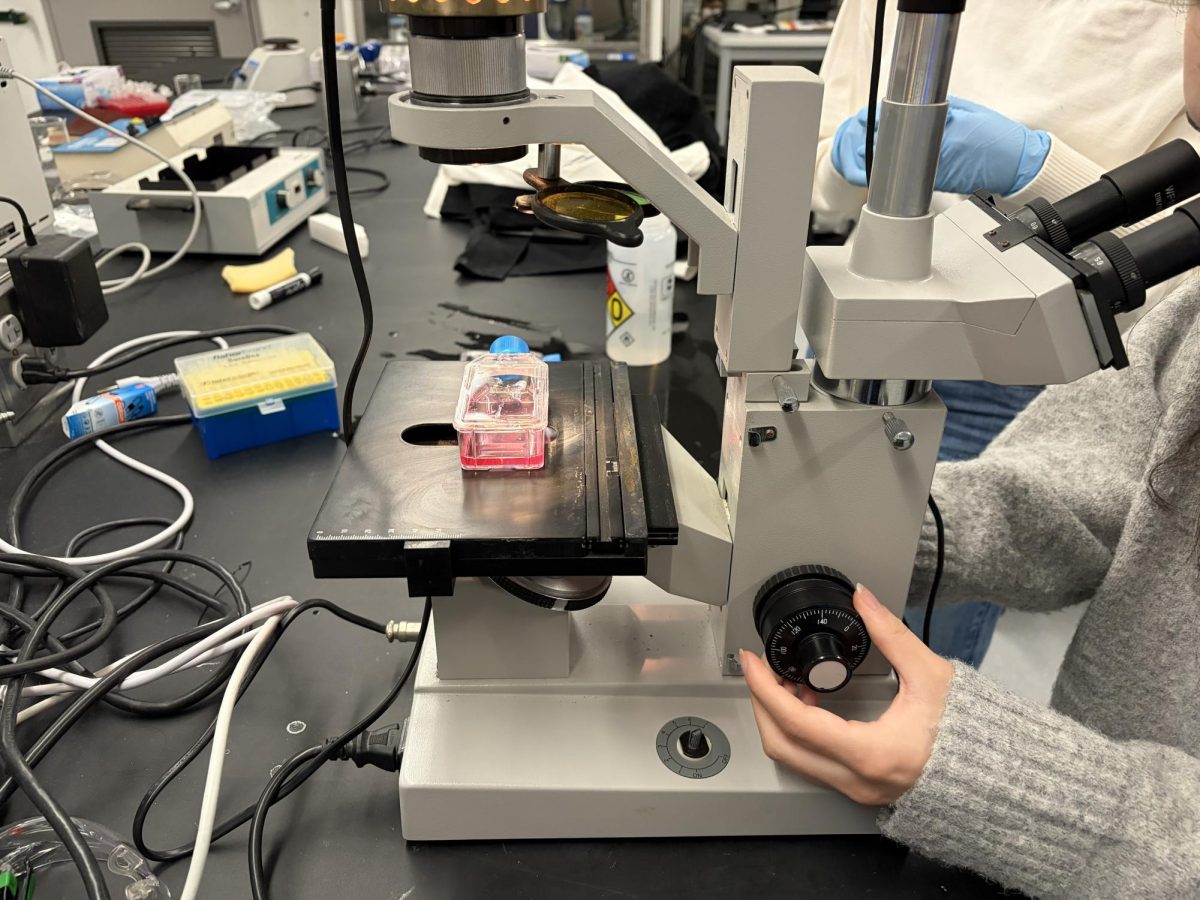
Gaylin’s work also additionally currently involves engagement in several new academic initiatives aimed at the strengthening of the university’s graduate offerings. Among initiatives are emerging programs in data humanities and biotechnology. The university’s biotechnology program has been designed to approach the field from the molecule to market, integrating scientific, the ethical and entrepreneurial training, as according to Gaylin.
She is also helping develop a certificate in ethics and emerging technologies and overseeing a 10-year alumni employment database that will track salaries, location and career outcomes for the graduates from 2016 to 2025.
Gaylin added that the continued mission and also that the central focus of GSAS is also to support their international students, a group that makes up between a quarter and a third of GSAS enrollment, which is particularly amid shifting political landscapes.
A very large part of Gaylin’s current work has also been involving some contributions to the broader vision of Dean Jessica Lang, Ph.D., whose tenure as the first dean overseeing all of Arts and Sciences began on July 1. Gaylin said faculty have also been more active and engaged in the discussions leading up to the new restructuring and described their new leadership model as one that encourages unified progress across the division.
One change that Gaylin hopes to see is expanded flexibility for the advanced undergraduates to take some graduate courses and vice versa.
“Let’s make it happen,” she said.
While reflecting on her whole career, Gaylin said that Fordham’s community has distinguished itself from some other institutions where she has worked, including those in the Ivy League. She also described Fordham as a place that is characterized by its intellectual generosity, as well as collaboration and shared purpose.
“We work as a community, and it feels like we are in higher [education] for a good reason,” she said, emphasizing her gratitude for her staff and also her colleagues.
Her academic background in comparative literature continues to shape Gaylin’s leadership approach, despite the recent shift in her position. The Fordham discipline’s emphasis on the understanding of how as well as why the stories are told across cultures and contexts provides what she calls a set of “tools in the toolkit” for interpersonal, cultural and also on current political awareness.
Before she entered academia, Gaylin worked in museums and the art world, an experience she credits with helping her respond to a wide range of perspectives and needs.
“Each person matters,” she said.
Even though her title has changed, Gaylin emphasized that her commitment to the work remains the same. She noted that if the restructuring had significantly altered her responsibilities, she would have reconsidered staying.
Instead, Gaylin says she views the change as an opportunity to strengthen collaboration and better support faculty, staff and students. Summing up her philosophy of service, Gaylin referenced a Fordham philosophy, “I had been doing cura personalis before I even knew what cura personalis was.”