



































































































































In the wake of the 2025 MLB World Series, tensions began to escalate between MLB and the MLB Players Association (MLBPA). The Los Angeles Dodgers conquered their second straight World Series title as the second-highest-salaried MLB team. The urge for a salary cap increases drastically in the aftermath of the event. The MLB could be facing an offseason lockout following the 2026 season, potentially putting professional baseball on hold.
The current Collective Bargaining Agreement (CBA) between the MLB and the MLBPA expires on Dec. 1, 2026. A lockout could stem from disagreements around the correlation between high market teams and win percentage. The MLB believes that teams are buying their way to success. MLB owners want to establish a salary cap to control the amount of revenue allocated to players.
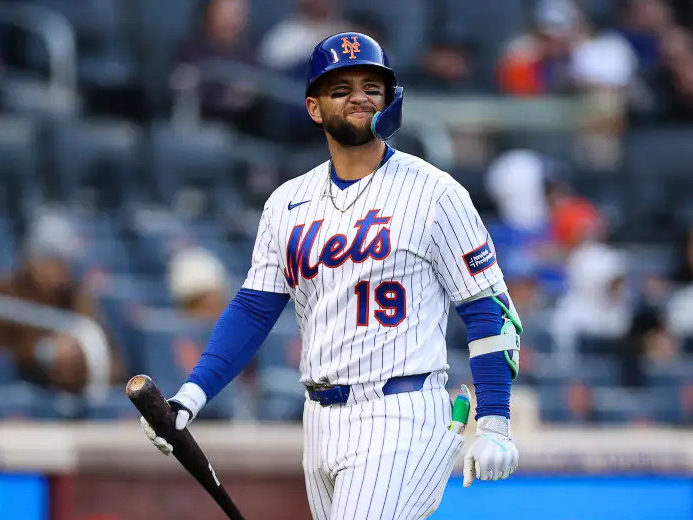
The MLBPA, on the other hand, argues that there is no direct correlation between salary and winning. An example is the New York Mets, who had the highest payroll in the 2025 season but failed to make the playoffs. The Seattle Mariners, with one of the lower MLB payrolls, made it all the way to the American League Championship Series. “It’s simply not true that money buys championships,” wrote J.P. Hoornstra from Sports Illustrated.
Disparities in salaries across MLB teams have become so drastic that MLB owners feel a restructure is necessary. Revenue has also dropped in specific components of the game, such as regional sports networks, and owners believe resetting the economic model could benefit earnings. MLB Commissioner Rob Manfred has explained the leverage the MLB will gain from inducing this lockout in the offseason rather than mid-season.
While revenue inequality is alarming, small-market teams produce decent profits simply by existing in the league, according to CBS Sports writer Dayn Perry. The local revenues of all MLB teams are divided equally among all the teams, so small-market teams benefit from this shared profit. These teams make enough money from broadcasting deals and such, there is not much incentive to build on their roster and create a winning team. This is where the necessity for a salary floor comes from, essentially forcing owners to invest in the success of their team. The MLBPA has expressed its willingness to support the introduction of a salary floor.
The MLBPA and the players have reiterated that the salary cap is a complete non-starter. They believe it will restrict players’ earnings and autonomy around the game. The MLBPA executive director Tony Clark has been adamant that they will not conform to a salary cap, according to Timothy Rapp from Bleacher Report. The Players Association has also stated that this proposed reform will not address the significant economic issues in MLB; it would merely restrict player pay. The MLBPA has proposed alternative methods to address the imbalance, including revenue sharing and/or changes to the draft.
This is not the first looming labor dispute that the MLB has faced. The 1972 season was halted as players went on strike to protest pension disputes. In 1994, the World Series was famously canceled due to a strike by the MLBPA. Ever since these detrimental events, MLB and the Players Association have tread lightly around labor disputes and the CBA to avoid a shutdown. Neither side wants to hurt the sport’s reputation or playing time.
The result of the CBA affects the players, managers and teams. The fans will feel the wake of the decision as well. A potential lockout could delay spring training and, therefore, Opening Day of the 2027 season. Opening Day is a significant part of the baseball experience where fans celebrate the start of the long and grueling season. Attendance and ticket sales will also falter with a delay to the beginning of the season. As a result, the local economy could suffer from the absence of professional baseball, which attracts fans and viewers. The effects could be long-lasting and detrimental to the sport as a whole.
While this impending decision seems light-years away, the consequences will soon be upon us. Major League Baseball will be forever changed regardless of the outcome of the CBA. As fans, we must hope that the petty bickering does not interfere with the game itself.