










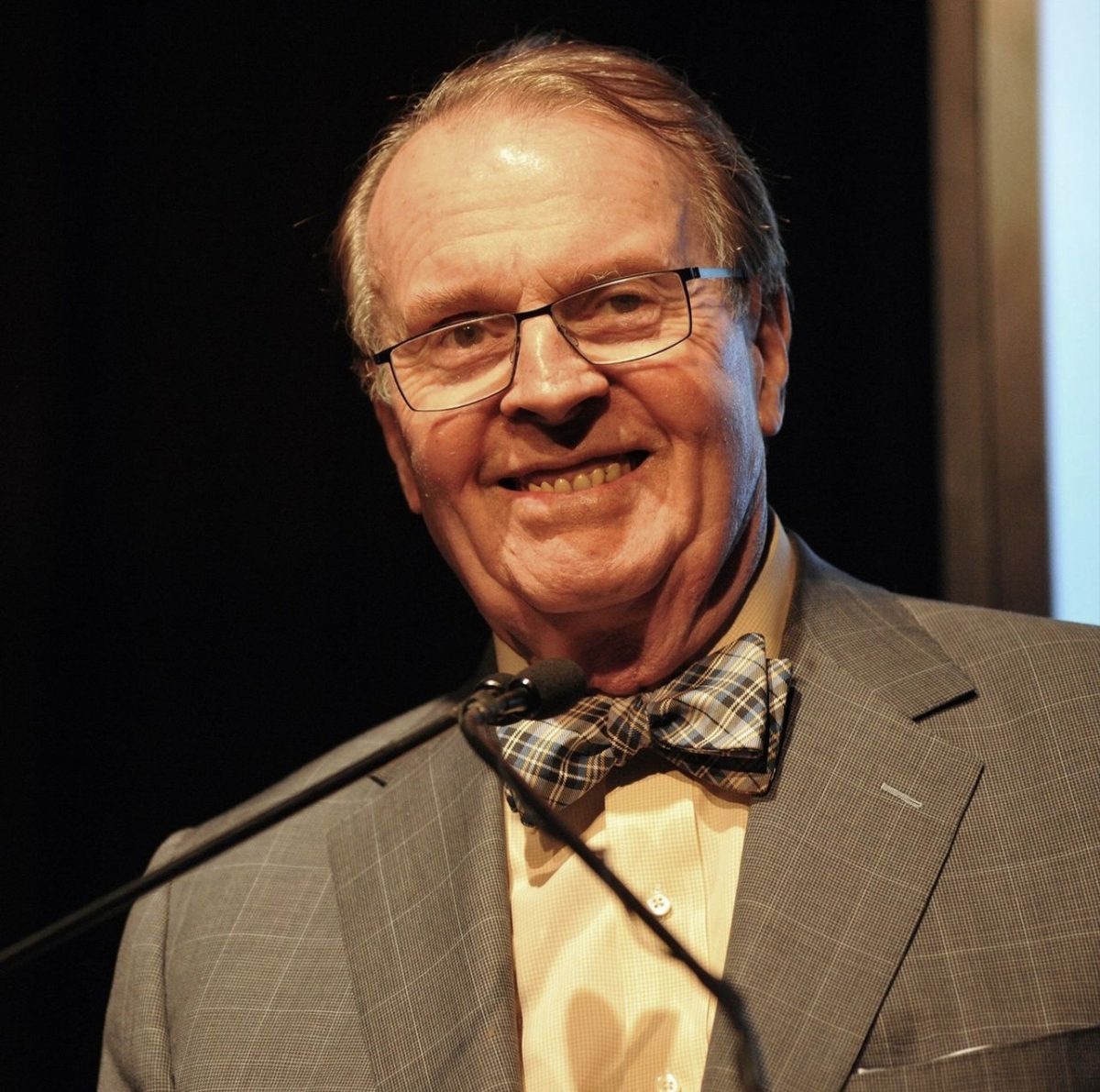



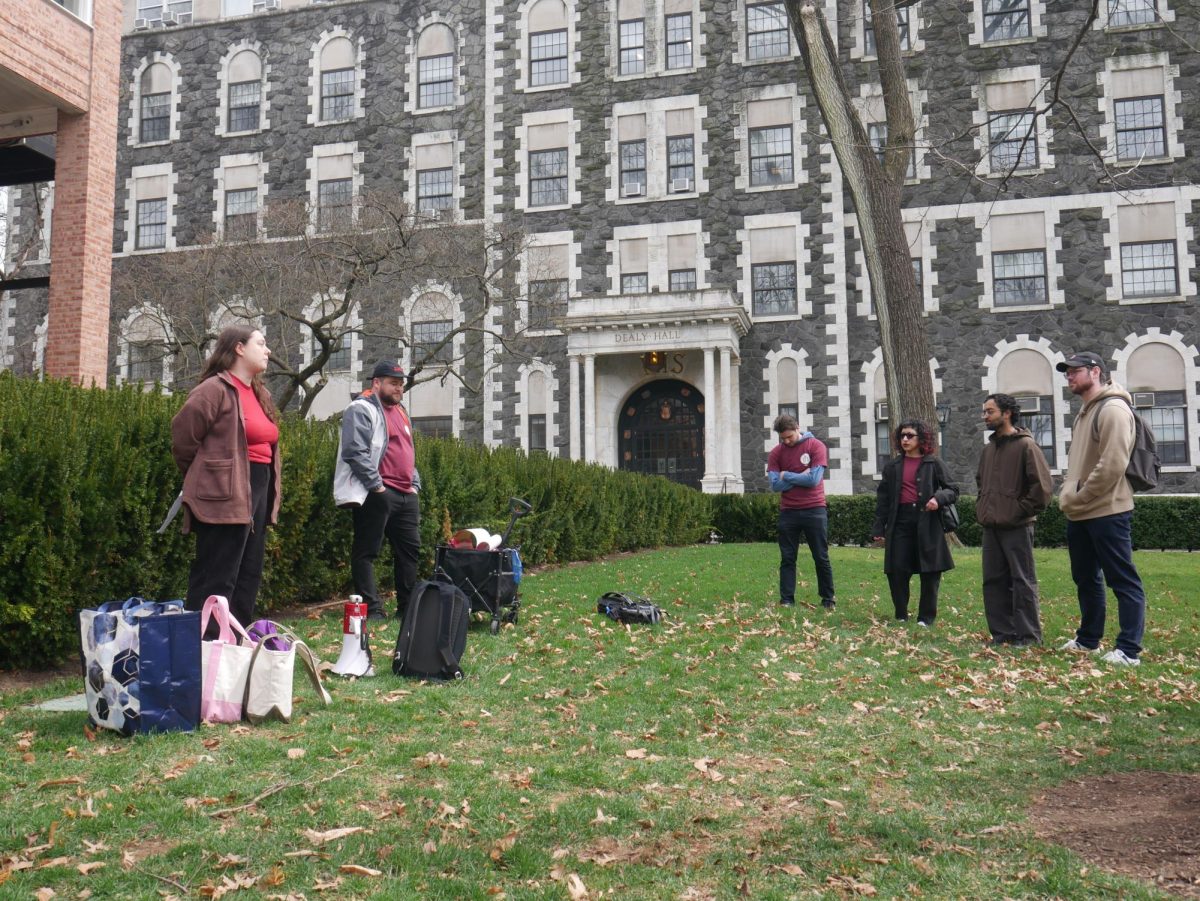


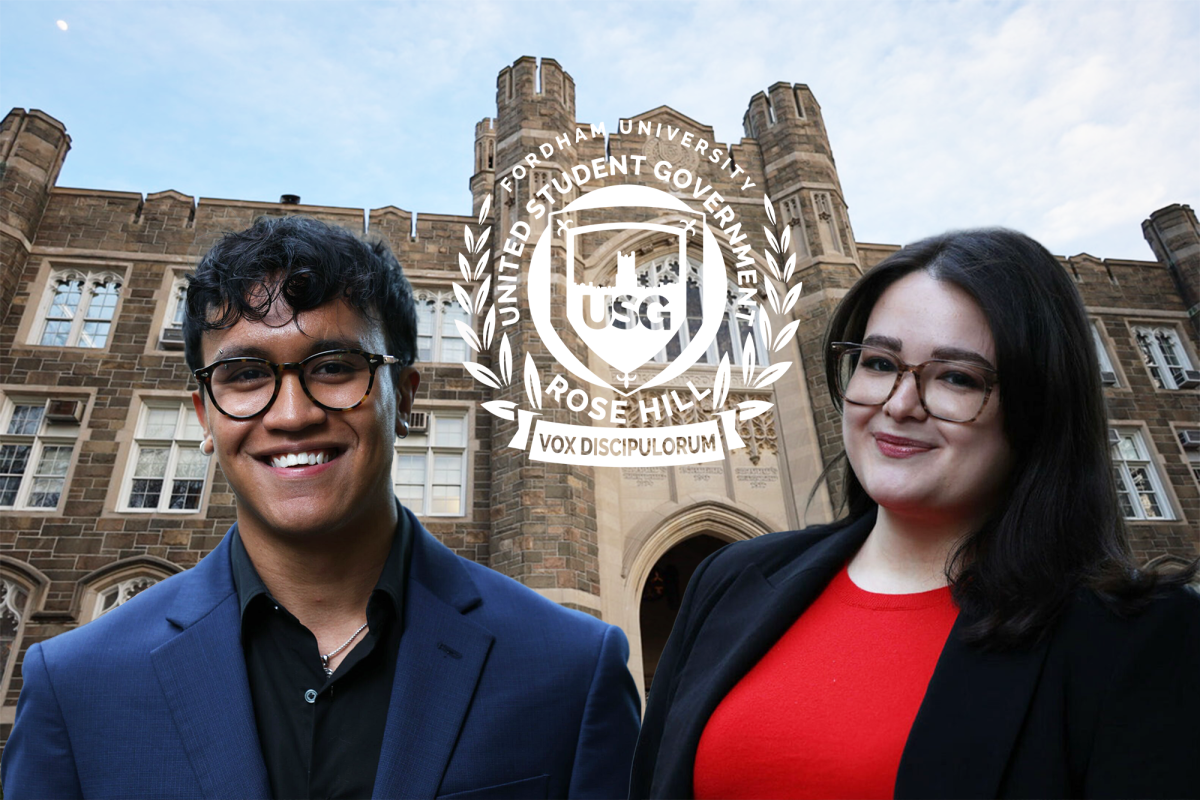










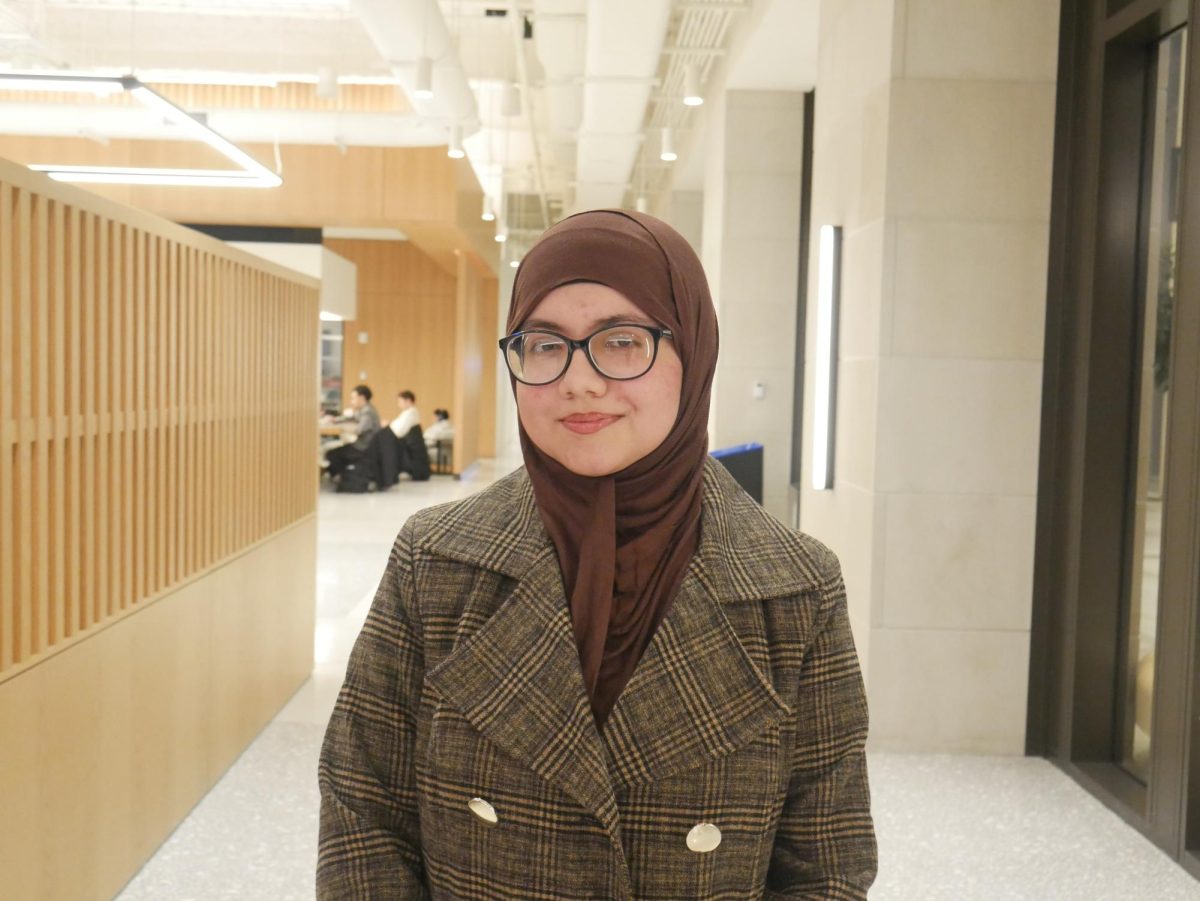


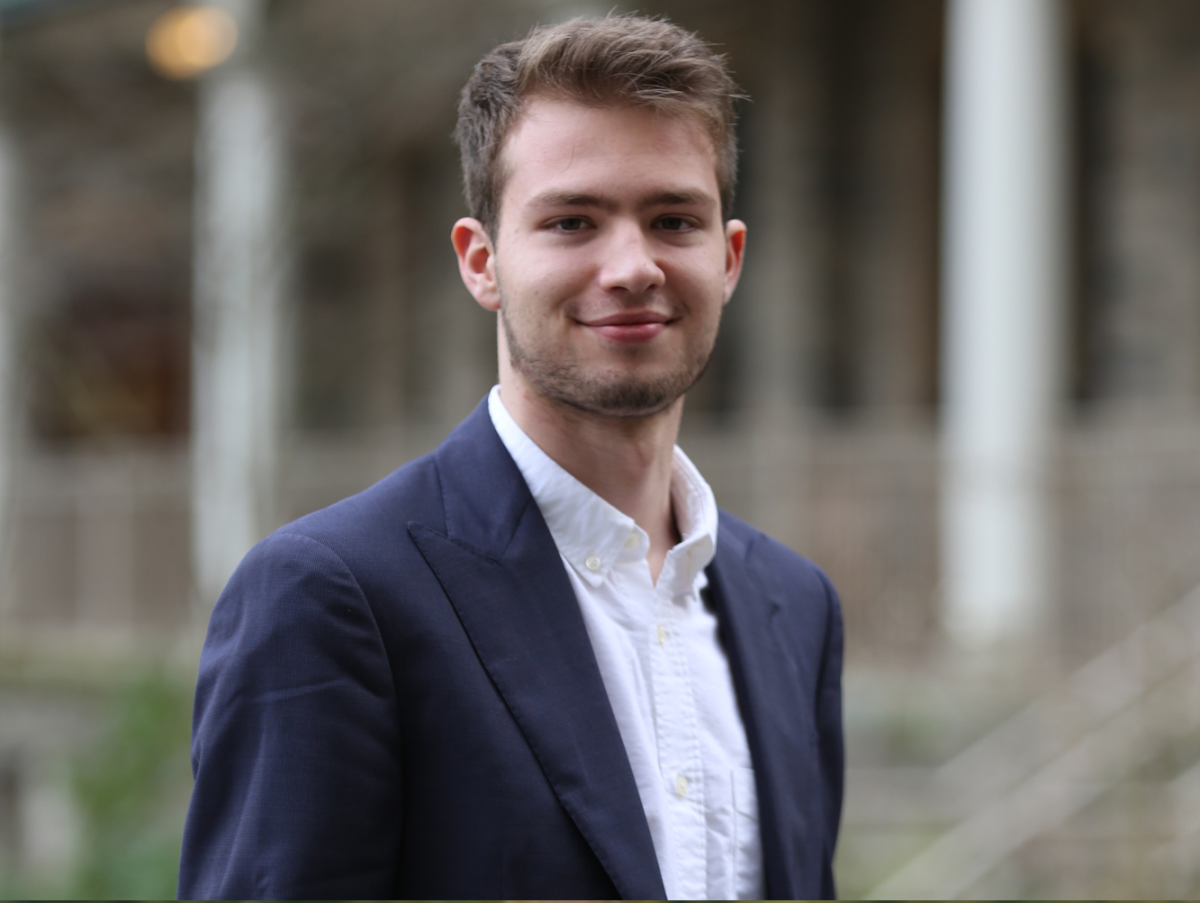
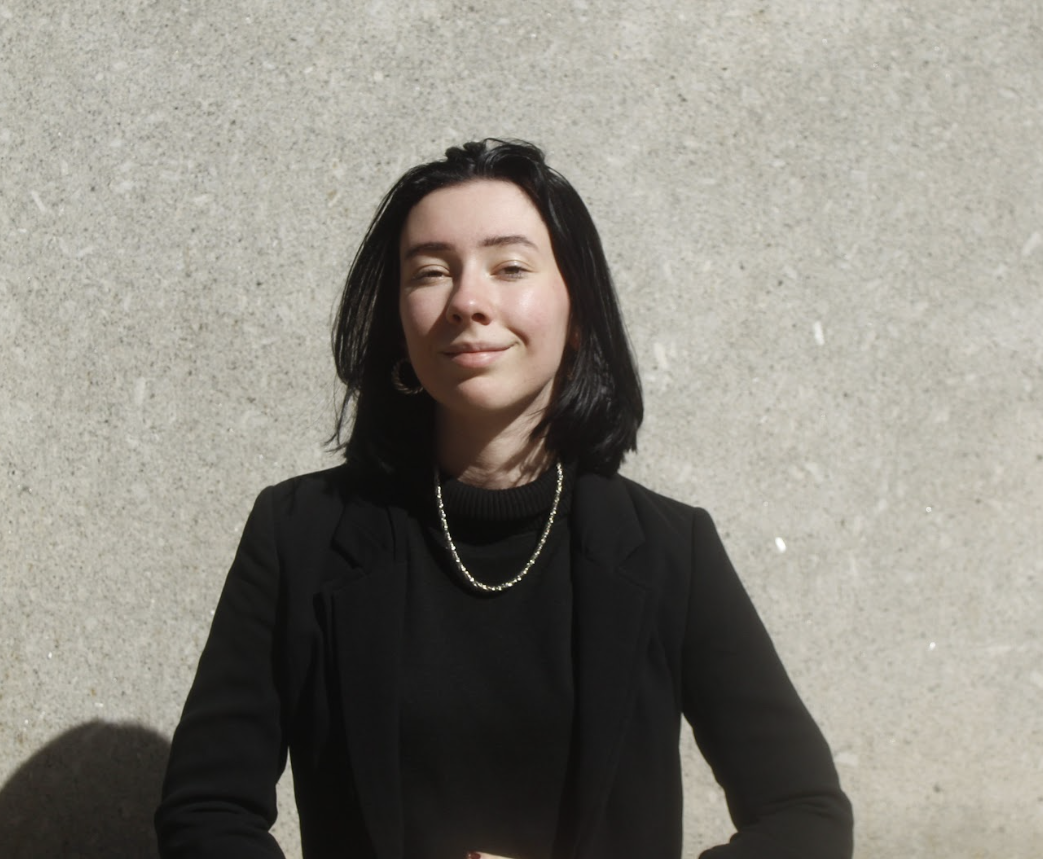









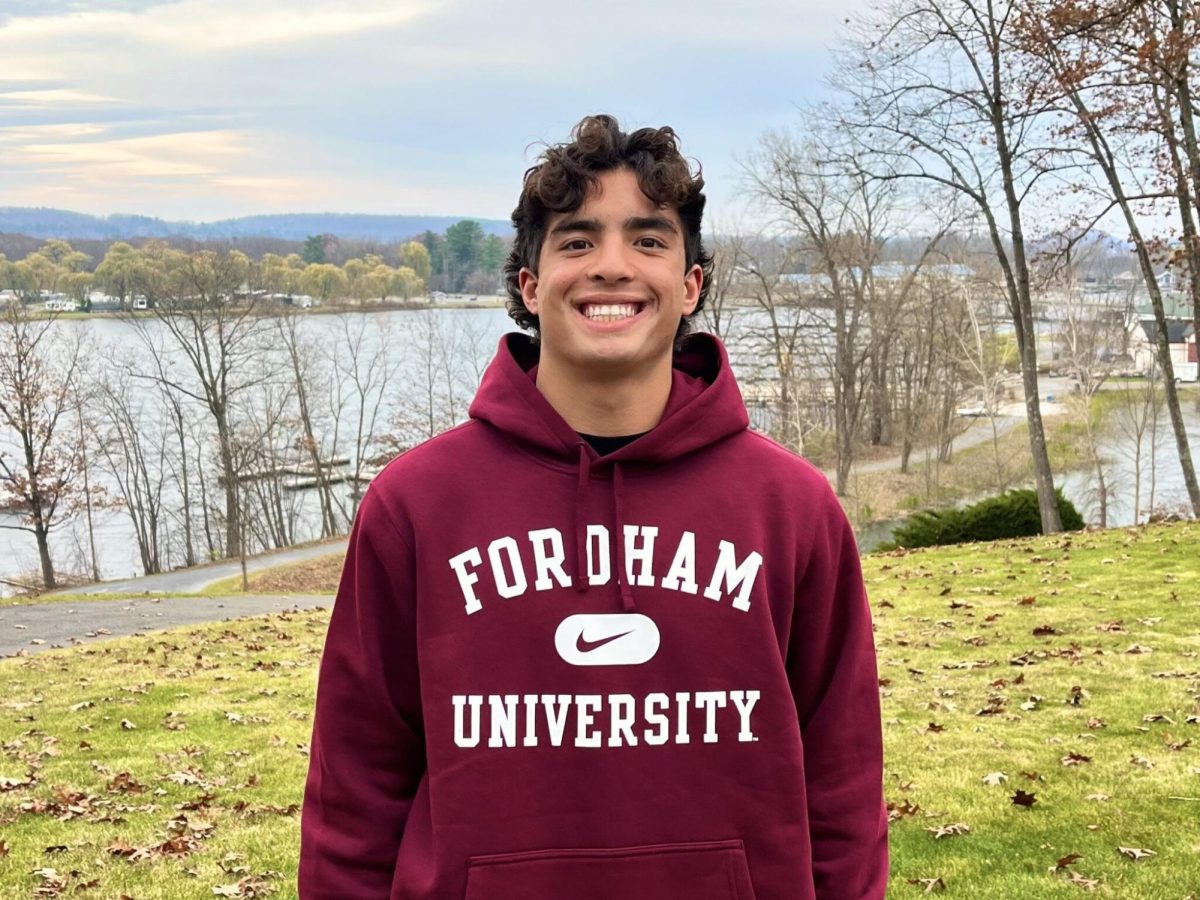


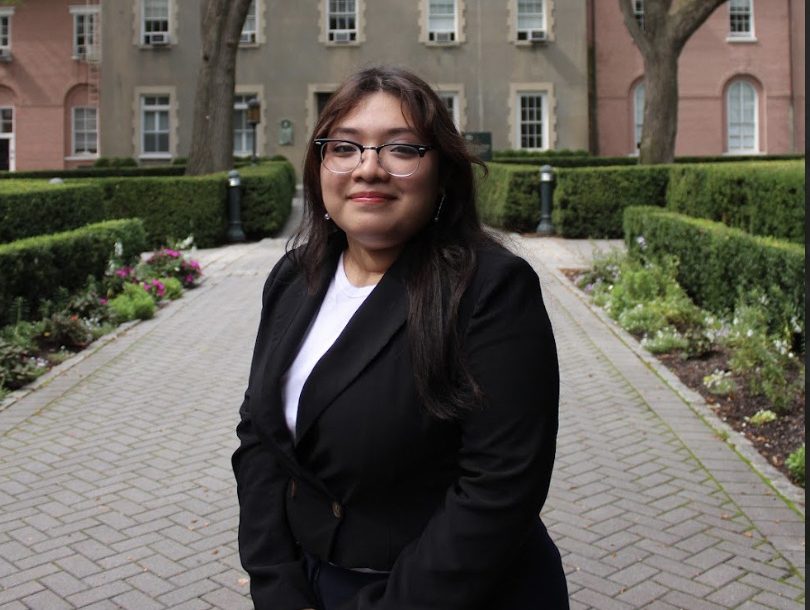


















































































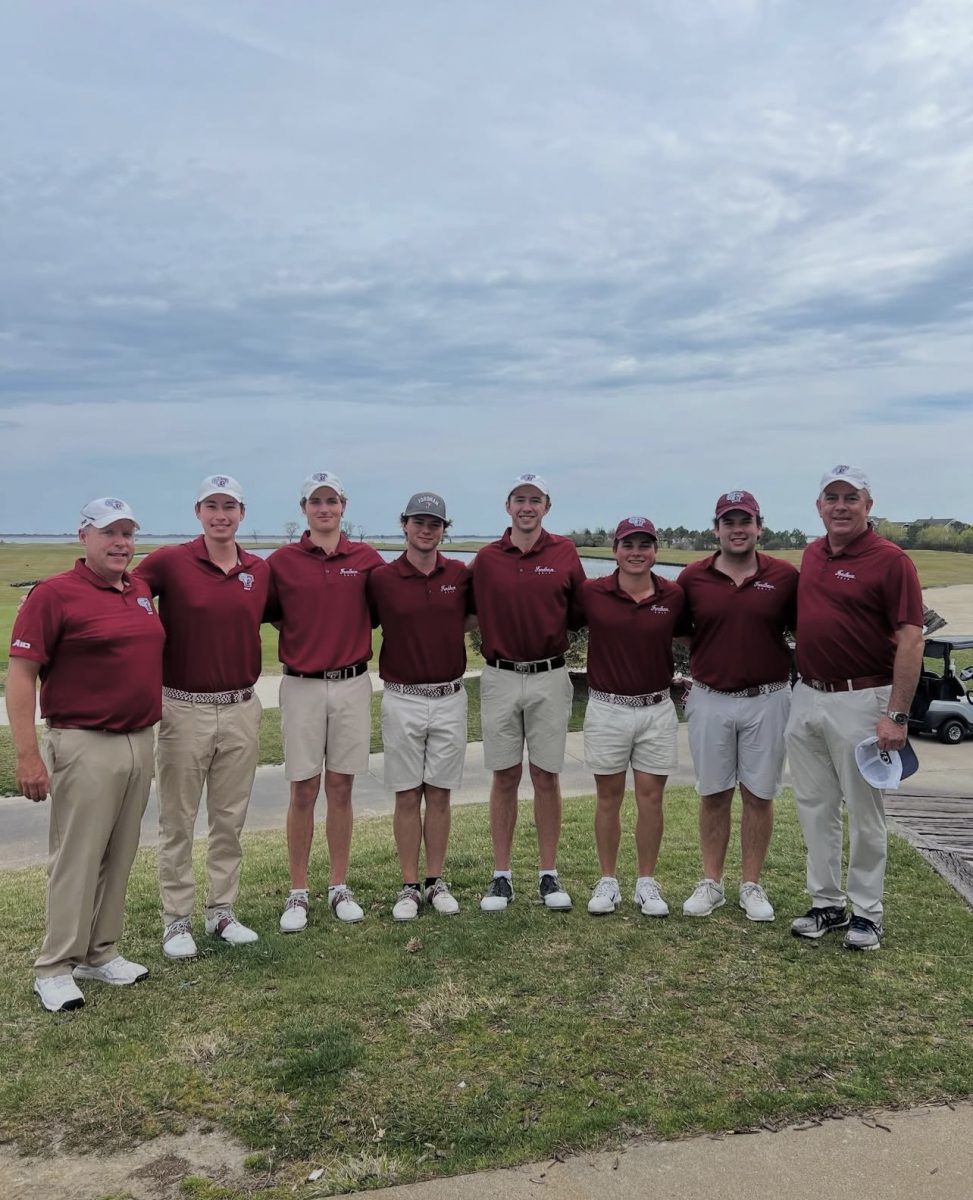







At the midpoint of their first term as Fordham University’s Rose Hill United Student Government (USG), Executive President Lucas Hjertberg, FCRH ’26, and Executive Vice President Andrew McDonald, FCRH ’26, point to new internal deadlines, a sweeping bylaws overhaul and an upcoming day of service as proof that they are turning their campaign promises into policy.
In a wide ranging interview with The Fordham Ram and in coverage of every USG and Student Life Council (SLC) meeting so far this semester, they described a student government that is more active as well as organized internally in long term advocacy, while conceding that visible changes on registration, health care transparency and web communications remain largely out of their hands, or are in early stages.
KPIs and Proposals: USG’s new teams are largely on track.
One of the ticket’s central campaign goals was to replace ad hoc proposal work with clear key performance indicators (KPIs) and deadlines attached to their collaborative “proposal teams.”
In their first meeting of the semester on Sept. 4, Hjertberg announced that instead of senators drafting proposals individually, he would create teams of senators with the goal of “five fully planned proposals to enact by the end of the semester,” each required to give weekly progress reports.
USG has split senators into four proposal-writing teams, each with a firm expectation that its proposal be “created by and voted on by the end of the semester.” These teams are the Governing Documents Commission, Proposal to Create a Senior Survey, Proposal to Improve Registration Website, Proposal to Improve Summer Living Conditions and Proposal to Offer Lower Level Meal Plans.
Each weekly USG article records proposal team updates and new initiatives, suggesting that, at least procedurally, the internal KPI framework the ticket promised is in place and operating as described.
Bylaw Revisions: A long-delayed overhaul to start making moves.
Also at the Sept. 4 meeting, Hjertberg also described USG’s constitution and bylaws as “archaic” and “unrevised for years” and announced a new commission to review them.
In the interview, he said the commission is ahead of schedule on the bylaws document and framed the project as the first comprehensive rewrite of the constitution since a past administration’s impeachment reform.
By late October, the Fordham USG Governing Documents Commission reported that it had “finished reorganizing the Senate portion of the USG bylaws,” removed a section on voting delegates and was adding a new section that would allow senators to serve as delegates to organizations where they are already involved.
USG has not yet voted on the full package of changes, but the executive ticket’s timeline and the meeting record align: a commission that did not exist in September is now bringing revised bylaws to the Senate.
Health Center Transparency: No proposal moves have been made so far this year.
When they were candidates, Hjertberg as well as McDonald had pledged “health center transparency,” tying that phrase to concerns about pricing and walk-in wait times.
Hjertberg pointed backward rather than to new legislation. A “Health Center Transparency” proposal was passed at the end of the previous semester, under a separate administration. USG this year has not published any new health center transparency proposals.
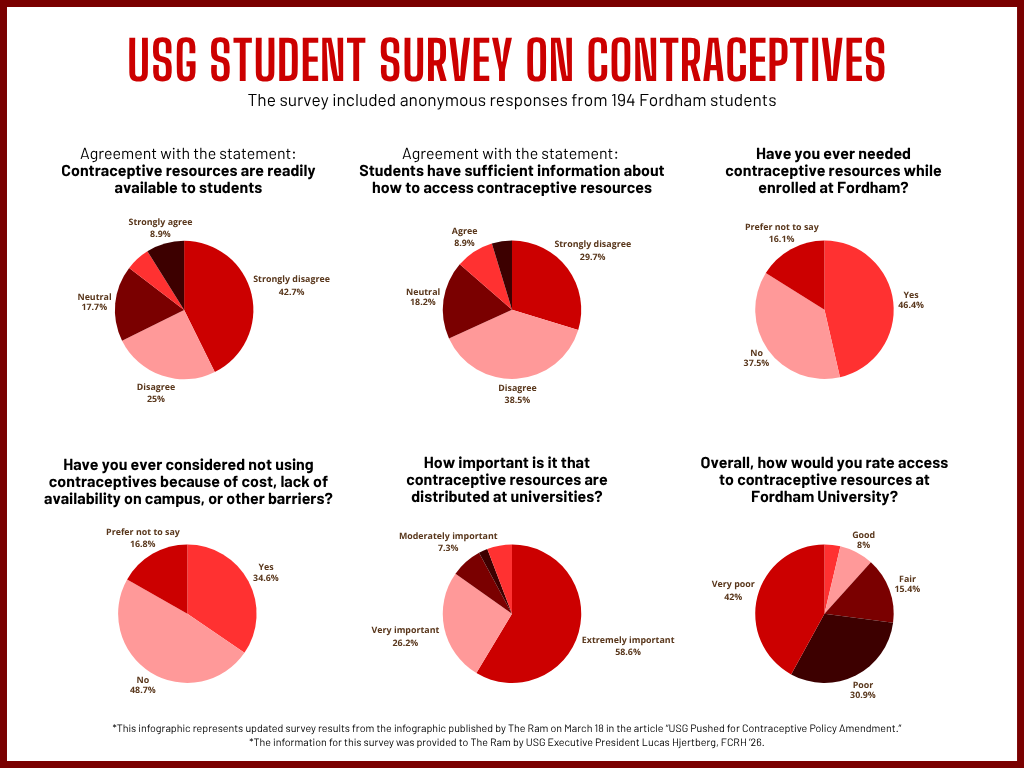
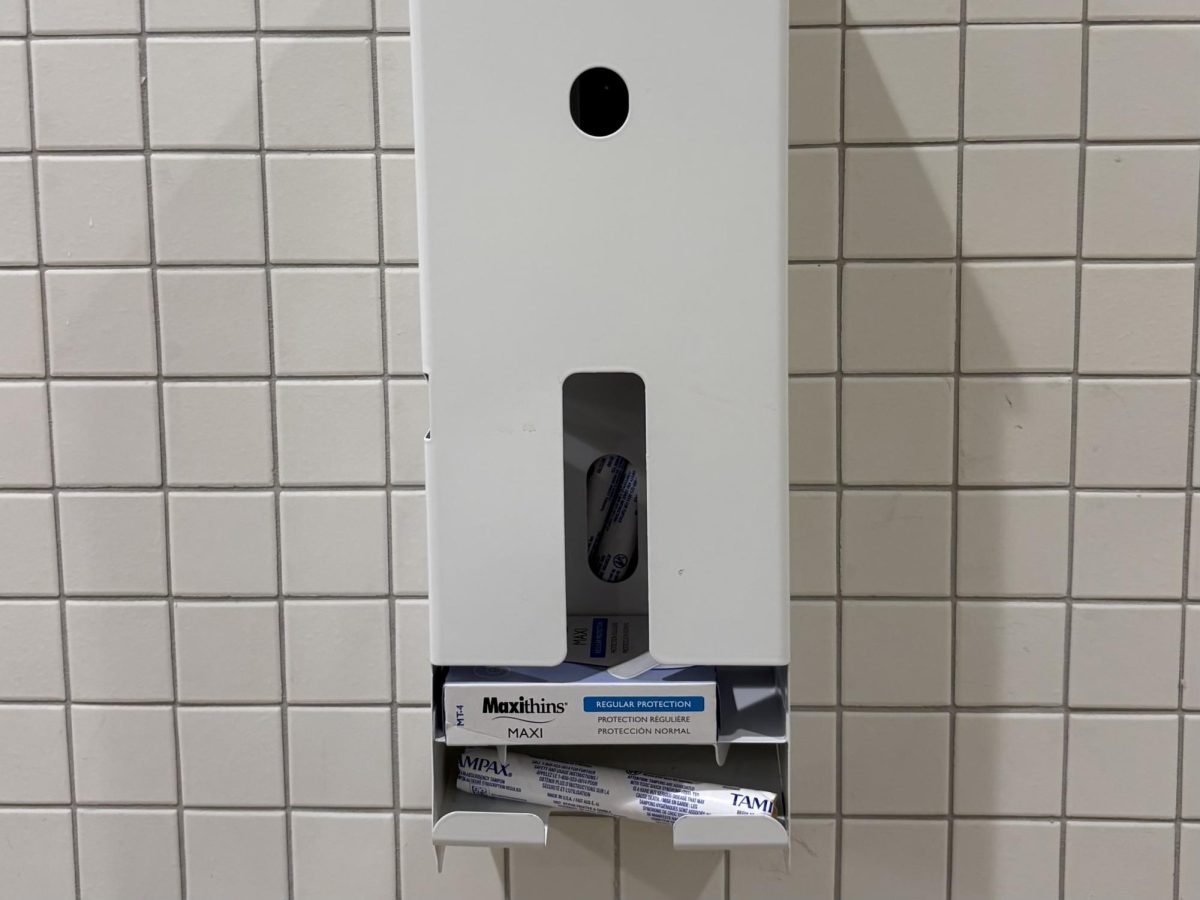
Hjertberg says he is working on a “harm reduction vending machine” project that would expand access to supplies. This is the first time this idea has been mentioned to student media.
He described the vending machines as “longer term” and acknowledged that the larger issue of health center communication is “tricky” and depends on administrators.
The Ram reached out to Vice President of Health and Security Aidan Costella, FCRH ’27 but did not receive a response. In a comment on this article, Hjertberg clarified that the “harm reduction vending machine” is the initiative of Senator Audrey Shooner, FCRH ’28.
The executive ticket’s role this semester has been limited to following through on last year’s Health Center proposal and is in the early stages of work on harm reduction infrastructure.
Registration and Website Fixes: Proposals have passed, but progress is now out of USG’s hands.
Fixing the class registration system and pre-professional information website is another marquee promise. On Oct. 2, USG designated new proposal committees, which includes one tasked with improving the registration website.
At the Oct. 30 meeting, USG senators working on the registration proposal presented specific changes such as limiting search results to classes actually offered that term, aligning the search function with students’ plan-ahead schedules along with course attributes, adding syllabi and travel time indicators and addressing classes reserved for professional and also the continuing studies students.
In the same USG meeting, the senators noted that the university’s Information Technology (IT) is piloting a separate registration aid website, first tested with Fordham College at Rose Hill (FCRH) and now with Gabelli School of Business (GSB) students, with a target of making it available to all students in the spring of 2026.
When asked in the interview when students should expect to see registration changes, Hjertberg was blunt. “If only we knew,” he said, adding that “the ball’s in IT’s court” and that the executive board does not want to give “false hopes with a timeline that we can’t stick to.”
The pattern is similar as the one on the Experiential Learning platform and pre-professional website. On Oct. 2, Hjertberg told the Senate he had contacted the Career Center about listing research opportunities that are on Handshake and RamConnect and was told that the Career Center’s own IT office was working on updating the pre-professional site.
A week later, the Career Center briefed USG on two of the possible platforms and confirmed that while they could add an Experiential Learning module as well to RamConnect, they also could not give a firm timeline for the migrating of the pre-professional site.
When taken together, the proposal team has looked into most of what it can procedurally on registration and experiential learning, but the underlying systems are controlled by university IT and Career Center offices that operate on multi year timelines.
Clubs, Budgets and Policy Fights: Selectivity, Sanctions and a Day of Service.
The executive ticket has backed a more selective approach to approving new clubs, arguing that capacity, money and space are finite.
On Oct. 2, Vice President of Operations Tina Pathak, FCRH ’28, told the Senate that her committee is “being a bit more selective with approving new clubs.”
When asked what metrics would be used to judge that policy, Hjertberg said in the interview that the decision belongs to Pathak as operations chair and that he and McDonald support her judgment. He noted that USG already recognizes about 170 clubs and that more than 30 new groups are headed towards approval, and would bring the total close to 200.
McDonald had added that some of the proposed clubs have “too much overlap with pre-existing clubs” or lack “real enthusiasm,” and pointed to constraints on funding, student time and physical rooms.
On spending, USG minutes show repeated approvals for prizes and food, from raffle items for Keating Steps to ice cream and cookie trays for events like “Packets and Pastries.”
In the interview, Hjertberg defended that pattern as “USG tradition,” arguing that without incentives, students often do not attend events.
“We will continue to spend the little amount of money that we do spend on that,” he said, while noting that USG also runs tablings that do not require funding.
McDonald also tied that strategy to the “block-funded” structure, meaning that if it does not use its full allocation, it risks receiving less funding the following year. McDonald described USG as “a bank for clubs” and said that any unused funds just go away.”
At the same time, the executive ticket has redirected discretionary money toward off-campus needs. On Oct. 30, USG voted to use extra discretionary funds for a day of service to support local food security.
In the interview, Hjertberg linked that decision to federal cuts to Supplemental Nutrition Assistance Program benefits for New York City, saying “there is an intentionality on the food that we’ll be boxing up.”
USG’s day of service supplied about $2,000 worth of food to the Bronx nonprofit Part of the Solution.
Communication: Instagram is prioritized while the USG website remains outdated.
The ticket also campaigned on improved transparency and communication. Meanwhile, USG’s website is currently outdated in several areas.
Hjertberg did also attribute delays to the turnover in the communications seat and the logistical challenge of collecting headshots and biographical details from more than 30 USG members, especially after first-year elections. He said the representatives page “usually doesn’t get updated till November” and predicted it would be fully updated within “the next week or week and a half,” including a list of all committees and their members.
He defended the site as “still a great place to go” for information on starting clubs and viewing the semesterly budget spreadsheet.
On the long-promised mid-year report, his assessment was less optimistic. Hjertberg called it “something that has always plagued USG,” as he described the duty of compiling every committee’s outreach as “a tall task, especially for a new comms person.”
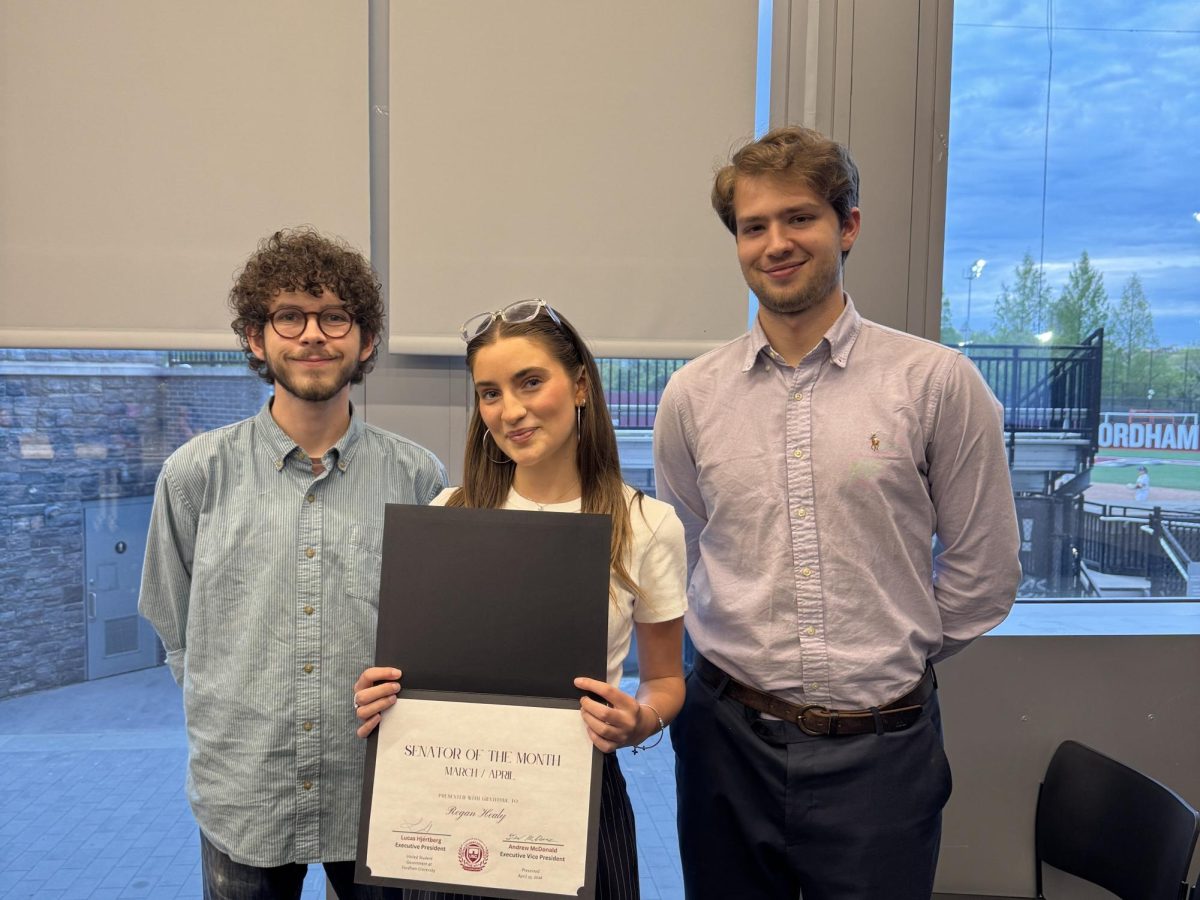
In practice, the executive ticket directs students to social media. “The way to get the most up-to-date information would be our Instagram,” Hjertberg said, calling it “more accessible” and emphasizing that it is where USG posts meeting details, Senators of the Month, Clubs of the Month and special election notices.
A Mixed Record, With Clear Limits: The next steps.
Across internal governance, the executive ticket has largely delivered what it promised. KPIs, proposal teams and a long-delayed bylaws overhaul exist and are moving on concrete timelines.
On high-visibility issues, registration tools, the health center transparency, as well as some experiential learning websites and cross-campus integration, the record shows serious engagement and also detailed proposals, but also hard limits on USG’s power over administrators and IT offices that control the systems students use every day.
Regarding communication and transparency, progress is uneven. The executive ticket relies heavily on Instagram, and while it has plans for updated web pages and feedback forms, the mid-year report and other static documents remain difficult to find or outdated.
The next test will be whether the structural changes they have put in motion and the relationships they have built translate into improvements by the end of the academic year.
Editor’s Note: This article was updated on Nov. 27 to include the name of Senator Audrey Shooner, FCRH ’28, who, according to Hjertberg, is working on the “harm reduction vending machine” proposal.

Lucas Hjertberg • Nov 19, 2025 at 2:59 pm
Thank you for covering the work we have accomplished thus far! As for the Harm Reduction Vending Machine Proposal, that is largely an initiative of Senator Audrey Shooner, Class of ‘28.
Looking forward to the update at the end of the academic year!